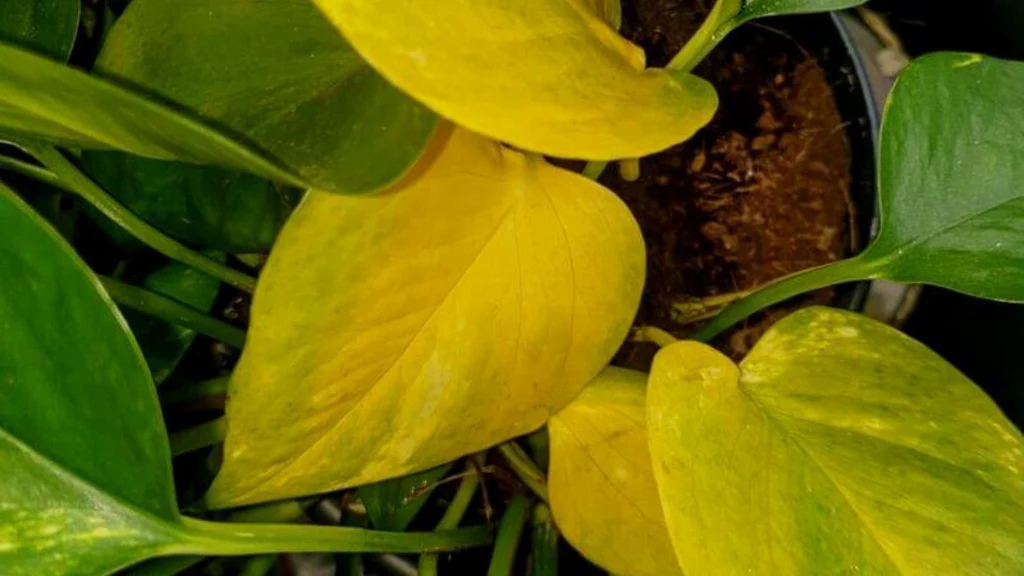
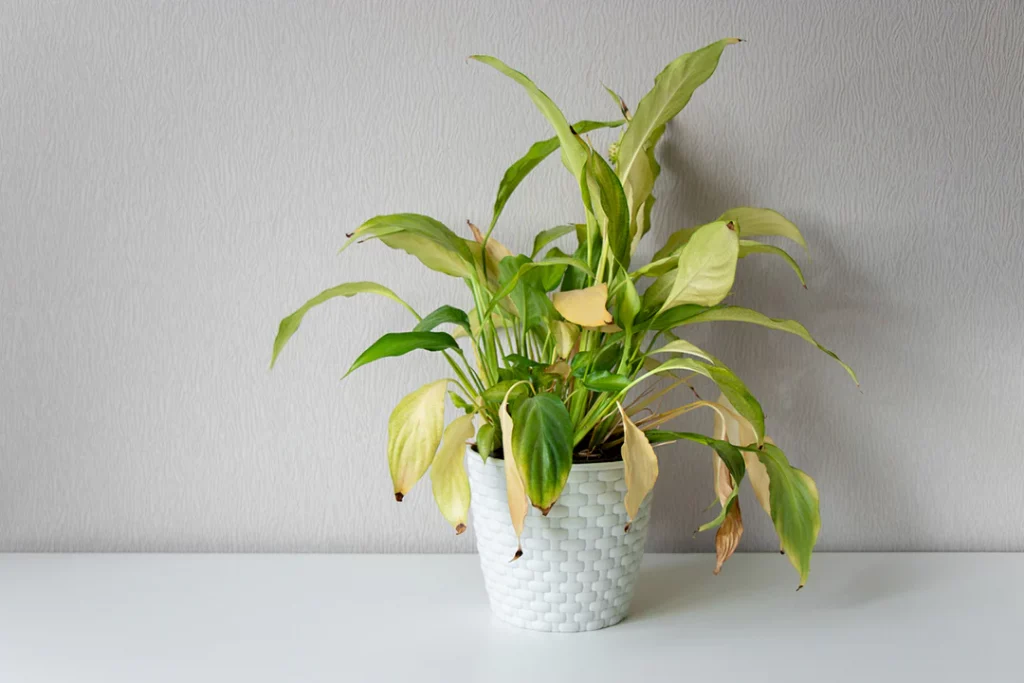
Yellow leaves are one of the most common warning signs indoor plants give when something is off. Sometimes the cause is simple, like watering too often or not enough light. Other times, it comes from a mix of root stress, poor room conditions, tired compost, or feeding problems.
Before you adjust watering, feeding or light, compare the symptoms with other common indoor plant problems so you can spot whether the issue is only yellow leaves or part of a bigger pattern.
The good news is that yellow leaves do not automatically mean the plant is dying. In many cases, they are an early sign that something in the setup needs adjusting before the problem gets worse.
Quick answer: why indoor plants turn yellow
Indoor plants usually turn yellow because of watering problems, weak light, nutrient issues, temperature stress, pests, or root trouble. Overwatering is one of the most common causes, but yellow leaves can also appear when the compost dries too hard, the room is too dark, or the roots are struggling in poor soil.
Do this first
Before changing everything at once, check three things first:
- Is the compost wet, damp, or dry a few centimetres down?
- Is the plant getting enough light for its type?
- Are the leaves yellowing all over or only in certain places?
That gives you a much better chance of fixing the real cause instead of guessing.
When yellow leaves are normal
Not every yellow leaf means something is badly wrong. Sometimes an older lower leaf turns yellow as part of the plant’s normal cycle, especially if the rest of the plant looks healthy and new growth still seems fine.
A yellow leaf is more of a concern when:
- several leaves start changing at once
- the yellowing keeps spreading
- new growth is affected
- the plant also looks droopy, pale, weak, or stressed
If it is just one old leaf now and then, the plant may simply be shedding older growth.
Overwatering is one of the most common causes
If the compost stays wet for too long, roots struggle to breathe properly and the plant often starts showing it through yellow leaves. This is especially common in low light, oversized pots, or dense tired compost that drains badly.
Look for clues like:
- yellow leaves with wet compost
- drooping despite the soil still feeling damp
- a heavy pot several days after watering
- stale or sour-smelling soil
- fungus gnats hovering around the pot
If yellow leaves keep appearing after watering, the right watering tools for indoor plants can help you check moisture before adding more water.
If wet compost keeps coming up as the problem, How Often to Water Indoor Plants can help you build a more reliable watering routine.
If the pot smells stale or the compost stays soggy for too long, Why Indoor Plant Soil Smells Bad can help you work out whether trapped moisture is becoming a root problem.

Underwatering can cause yellowing too
People often think yellow leaves always mean overwatering, but underwatering can do it as well. If the plant keeps drying out too hard, older leaves may yellow and drop as the plant tries to protect itself.
This is more likely if:
- the compost pulls away from the sides of the pot
- the pot feels very light
- the leaves look limp and thin before yellowing
- the room is warm or bright enough to dry the pot quickly
The tricky part is that repeated underwatering and repeated overwatering can both leave a plant looking tired and yellow, which is why checking the actual compost matters so much.
Weak light can slowly wash the plant out
A plant sitting in light that is too weak for its needs often starts yellowing more slowly. Growth may become stretched, leaves can lose colour, and older foliage may gradually fade because the plant does not have enough energy to support it properly.
This is especially likely when:
- the plant is far from the window
- winter light levels have dropped
- curtains or nearby objects block the light
- a once-bright spot no longer gets enough light for that plant
If the room feels too dim, Indoor Plant Grow Light Guide can help you decide whether weak light is the real issue instead of watering.
Tired compost and root stress often show up through yellow leaves
Sometimes yellowing is not mainly about water or light. It is about the condition of the root zone. Old compacted compost, poor drainage, and crowded roots can all make it harder for the plant to take up what it needs.
Watch for:
- slower growth
- water rushing through too quickly or staying too long
- white crusting on the compost
- roots pushing out of the pot
- yellowing that keeps returning even after watering changes
If the roots may be running out of room, Signs Your Indoor Plant Needs Repotting can help you decide whether the plant has outgrown its current pot.
If the mix feels heavy, stale, or badly draining, Best Indoor Plant Soil Mix can help you work out whether the compost itself is causing the problem.
Nutrient problems can also cause yellow leaves
Yellowing sometimes points to a feeding problem rather than a watering problem. That might mean the plant is low on nutrients, or it could mean the roots are struggling to use what is already there.
This is more likely if:
- the plant has been in the same mix for a long time
- new growth looks pale
- older leaves are yellowing without obvious overwatering
- growth seems weak or stalled during the growing season
If the yellowing looks more like a feeding issue than a watering one, Nutrient Deficiency in Indoor Plants can help you compare the most likely nutrient-related signs.
If the yellowing started after feeding and the tips look burnt or the surface is crusty, Revive Over-Fertilised Indoor Plants is the better match.
Temperature stress and winter conditions can trigger yellow leaves
Indoor plants can yellow when they sit too close to cold windows, radiators, draughts, or uneven heat sources. The issue is often not just the number on the thermostat. It is the unstable conditions around the plant itself.
This is especially common when:
- leaves touch cold winter glass
- the plant sits beside a radiator
- the room swings between cool nights and warm days
- winter light drops while the watering routine stays the same
If colder months seem to make everything worse, Keep Indoor Plants Alive in Winter can help you adjust the wider setup.
If the plant may be reacting to hot or cold indoor spots, Best Temperature Range for Indoor Plants is worth reading next.
Dry air and poor room conditions can make yellowing worse
Yellow leaves are not always caused by humidity problems, but dry air, stale conditions, and poor airflow can add extra stress, especially for tropical plants. Crisp edges, curled leaves, or weak-looking growth alongside yellowing can point more toward the room conditions than the soil alone.
If the room feels dry or heated, Balance Humidity for Indoor Plants can help you decide whether air moisture is part of the issue.
If the area around your plants feels still or stuffy, Air Circulation for Indoor Plants can help you improve airflow and reduce the kind of stagnant conditions that often add extra stress.
Pests can hide behind yellowing leaves
Some pests cause yellowing by feeding on the leaves or weakening the plant over time. Spider mites, scale, thrips, and other pests can all leave a plant looking paler and more stressed than usual.
Check for:
- speckled yellow patches
- sticky residue
- fine webbing
- distorted new growth
- insects under the leaves or along stems
If the yellowing does not line up clearly with watering, light, or soil problems, it is always worth checking the undersides of the leaves before assuming it is a feeding issue.
How to work out which cause is most likely
If your plant is yellowing, start by narrowing it down with the clearest clues.
Wet compost plus yellow leaves
Think overwatering, poor drainage, stale compost, or root stress.
Dry compost plus yellow leaves
Think underwatering or a pot drying too quickly.
Pale yellowing in dim light
Think weak light or slow growth from poor placement.
Yellowing after feeding
Think nutrient imbalance or over-fertilising.
Yellowing in winter
Think low light, cooler conditions, cold glass, or a watering routine that has not adjusted.
What to do next when your indoor plant turns yellow
Once you have a better idea of the cause, the best next step is to fix that one issue first rather than changing everything at once.
A sensible order is:
- Check the compost moisture properly
- Look at the light and plant position
- Check the pot, roots, and soil condition
- Think about season and room temperature
- Only then look at feeding and deeper care issues
That approach makes it much easier to avoid overcorrecting.
If you often struggle to judge deeper moisture, a digital moisture meter for indoor plants can help you make calmer watering decisions.
FAQs
Do yellow leaves always mean overwatering?
No. Overwatering is one of the most common reasons, but weak light, underwatering, root stress, nutrient issues, temperature changes, and pests can all cause yellow leaves too.
Should I cut yellow leaves off?
If a leaf is fully yellow and no longer useful to the plant, you can usually remove it. If only part of the leaf is yellow, it often helps to fix the cause first and then decide what to trim later.
Can a yellow indoor plant recover?
Yes, often it can. Recovery depends on fixing the real cause early enough and giving the plant time to respond.
Why are only the bottom leaves turning yellow?
That can sometimes be normal ageing, especially if the rest of the plant looks healthy. If several lower leaves are yellowing at once, though, it is worth checking watering and root conditions.
Final Thoughts on Why Indoor Plants Turn Yellow
Yellow leaves are frustrating, but they are usually useful. They are often the plant’s first warning that something in the setup needs attention.
The best approach is to treat yellowing as a diagnosis clue rather than a problem with one automatic answer. Check the compost, look at the light, think about the roots, and then follow the strongest clue from there.
Related Articles
Keep Yellow Leaves From Becoming Bigger Problems
Find the real cause before changing everything
Yellow leaves are often the first sign that watering, soil, or room conditions are drifting off track. Read How Often to Water Indoor Plants if you want the clearest next step for sorting out one of the most common causes.