A healthy houseplant can still start struggling when the pot no longer suits it. Growth slows, soil behaves strangely, roots get cramped, and leaves can start looking dull even though your watering routine has not changed.
Repotting is not just about giving a plant a bigger container. It is about refreshing the root space, improving the soil, and helping the plant grow properly again before small problems turn into bigger ones.
Quick answer: signs your indoor plant needs repotting
The clearest signs an indoor plant needs repotting are roots growing out of the drainage holes, water rushing through too quickly or sitting badly in the pot, tired or crusty soil, stunted growth, and a plant that looks too large for its container. Yellowing leaves and a long gap since the last repot can also be signs that the plant is starting to outgrow its setup.
Do this first
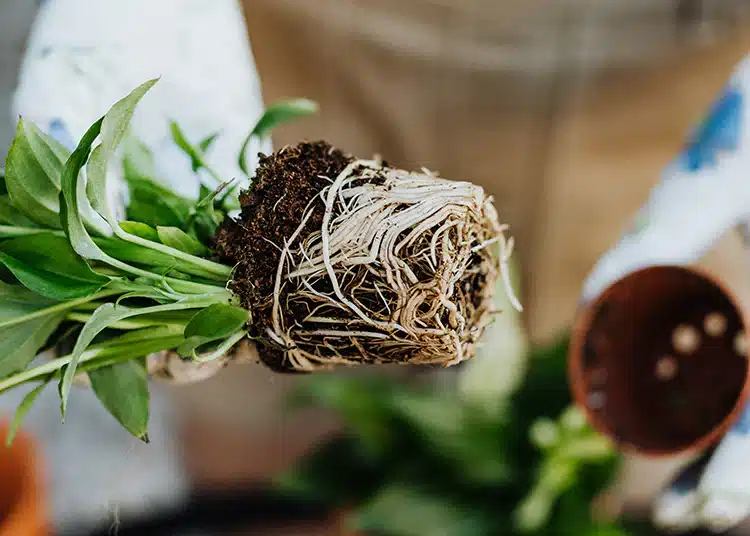
Before moving the plant into a new pot, check whether the problem really is pot size or worn-out soil. Lift the nursery pot if you can, look for roots at the bottom, and see whether the compost has become dense, sour-smelling, crusty, or strangely hard to water evenly.
If the mix has broken down badly or the roots are circling tightly around the pot, repotting is probably the right next step. If the soil still looks healthy and the roots are not crowded, the issue may be more to do with watering, light, or feeding instead.
Why repotting matters for indoor plants
Repotting is not only about giving the roots more space. It also refreshes the whole growing environment. Over time, indoor potting mix loses structure, drainage changes, nutrients fade, and roots gradually take over more of the pot, making it harder for the plant to absorb water and oxygen properly.
That is why a plant can start declining even if it still looks as though it “fits” in the pot. The root zone may already be too crowded or the compost may no longer be doing its job properly.
If the compost has become dense or waterlogged, improving your indoor plant drainage can help you understand what has gone wrong below the surface.
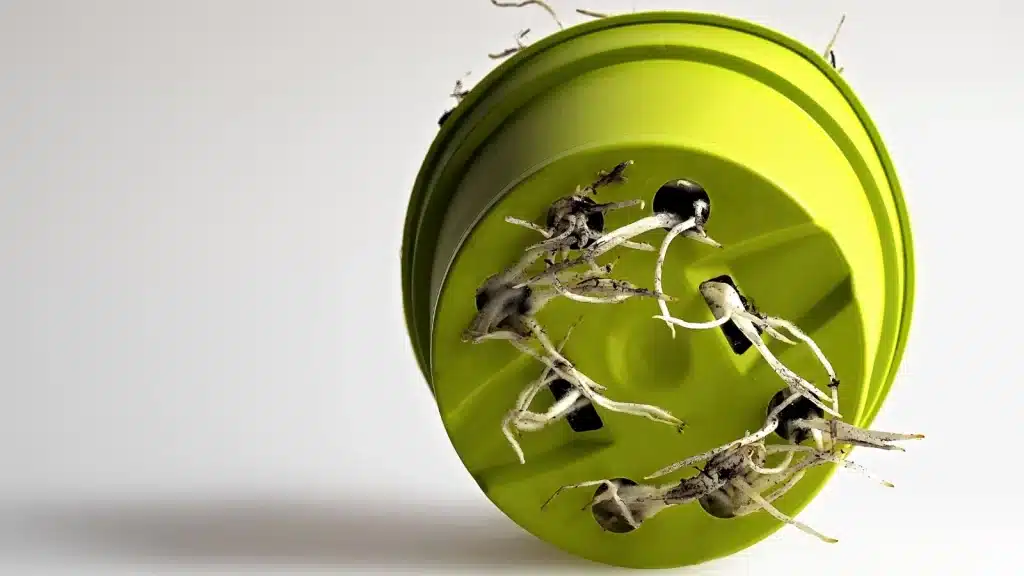
Roots growing out of the drainage holes
This is one of the easiest signs to spot. If roots are poking through the bottom of the pot, the root system has usually filled most of the available space and is starting to run out of room.
If you slide the plant out and the roots are wrapped tightly around the outside in circles, that usually confirms it. At that point, the plant is not just “snug” in the pot. It is starting to run out of usable room.
Water drains too quickly or barely at all
Odd watering behaviour is another strong clue. If water runs straight through the pot almost immediately, the roots may have taken over so much space that there is very little compost left to hold moisture. On the other hand, if the soil stays soggy for too long, the mix may have broken down and compacted.
This is one of the reasons repotting can make a plant suddenly easier to care for. Fresh mix restores a better balance between drainage, moisture retention, and airflow.
A analogue moisture meter for houseplants can make it easier to tell whether the lower part of the pot is staying too wet or drying out too quickly.

The soil looks tired, crusty, or smells bad
Old indoor compost does not stay healthy forever. Over time it can compact, lose structure, collect mineral build-up, and start holding water badly. White crusting, sour smells, and a worn-out texture are all signs that the mix may have broken down and is no longer helping the plant properly.
If the top of the pot keeps forming a white layer, smells stale, or feels lifeless and hard, repotting often does more good than trying to patch the old mix. Fresh compost gives the roots a better structure to grow into again.
If the top layer keeps turning white or stale, learning how to refresh old potting mix without replacing it can help you decide whether the plant needs a full repot or just a lighter soil refresh.
The plant looks too big for its pot
Sometimes the balance just looks wrong. If the foliage has become much wider or taller than the container and the plant tips easily, that can be a sign the roots have outgrown the space below and the pot is no longer giving enough support.
A plant that keeps drying out, leaning, or feeling unstable may not just need support. It may need a slightly larger home with fresh soil around the root ball.
Yellowing leaves or slower growth
When an indoor plant runs out of root room or the soil becomes exhausted, the leaves often start showing it. Yellowing, smaller new growth, and slower overall performance can all be signs that the plant is no longer thriving in its current pot.
This does not mean every yellow leaf points to repotting, but when dull foliage shows up alongside tired soil, crowded roots, or strange watering behaviour, the pot may be part of the problem.
Slowed growth and yellowing leaves can have more than one cause, so it helps to know the most common reasons indoor plants turn yellow before assuming repotting is the only fix.
You have not repotted in a long time
Even if a plant does not look dramatic yet, time still matters. Many houseplants benefit from refreshed soil every 12 to 18 months, while slower growers can often go longer. Spring or early summer is usually the easiest time to repot because plants tend to settle into fresh soil more readily during active growth.
That does not mean every plant needs annual repotting, but if it has been a long time and the compost no longer behaves well, the plant may benefit from fresh mix even more than from a larger pot.
BBC Gardeners’ World explains that spring is usually one of the best times to repot houseplants because plants are moving into active growth and recover more easily.
How much bigger should the new pot be
Going too large can cause problems as well. Moving up only slightly is usually best, because an oversized pot can stay wet for too long and make the roots harder to manage.
A small size increase is usually enough. You want more room for the roots, not a huge volume of extra compost that stays damp and slows recovery.
Choosing a slightly larger pot is only part of the fix, because the right indoor plant soil mix also makes a big difference after repotting.
FAQs about signs an indoor plant needs repotting
What is the easiest sign to spot?
Roots coming through the drainage holes are usually the clearest clue. It is often the easiest sign to spot and one of the strongest signals that the plant has started to outgrow its pot.
Can a plant need repotting even if roots are not showing yet?
Yes. Strange watering, tired soil, slow growth, or a plant that looks too large for the pot can all point to repotting before roots become visible underneath. Your live page already supports these as earlier warning signs.
Do all indoor plants need repotting every year?
No. Slower growers such as snake plants or succulents may only need attention every 2 to 3 years, while faster-growing plants often need repotting sooner.
Should I water before or after repotting?
Your live page suggests watering lightly the day before repotting so the roots are hydrated but not soaked, then being careful with heavy watering straight after the move.
Final Thoughts on Signs Your Indoor Plant Needs Repotting
A houseplant does not need to look completely root-bound to benefit from repotting. If the roots are crowded, the soil is worn out, or watering has become unpredictable, the pot may already be holding the plant back.
Catching these signs early makes repotting much less stressful. Fresh compost, a little more room, and better drainage can often bring a tired plant back into stronger, steadier growth.
Related Articles
KEEP YOUR ROOTS HEALTHY BEFORE GROWTH STARTS TO STALL
Simple Ways to Improve Soil and Drainage Indoors
If your plant keeps drying too fast, staying soggy, or outgrowing its pot, improving the soil structure can make repotting much more effective and help roots settle in faster.