
Indoor gardening is not new, but it is becoming easier to adapt to different homes. A sunny windowsill may be enough for a few suitable plants, while better grow lights, compact hydroponic systems and simple timers can widen the options where natural light or outdoor space is limited.
That does not make indoor growing a replacement for a garden, allotment or outdoor food production. It is better understood as another part of gardening: useful for houseplants, herbs, leafy crops, seedlings and small experiments, but less suited to large crops, fruit trees and the ecological roles of an outdoor garden.
Quick Answer
Indoor gardens are unlikely to replace outdoor gardening, but they are becoming a more practical part of it. Improved grow lights, compact hydroponics, timers and monitoring tools allow more people to grow houseplants and some edible crops indoors, especially where outdoor space or seasonal light is limited. These tools can extend what is possible, but they still cost money, need maintenance and cannot remove the need to understand a plant’s basic care.
Do This First
Before buying any indoor-gardening technology, decide what you actually want to grow. Check:
- whether you want houseplants, herbs, leafy crops or seedlings;
- how much direct and indirect light the proposed position receives;
- how much shelf, floor or worktop space you can spare;
- your budget for equipment and electricity;
- how often you can water, clean and check the setup; and
- whether a simple pot beside a suitable window would already do the job.
Start with the plant and the space. Add equipment only when it solves a real limitation.
What Has Changed for Indoor Gardeners?
The important change is not that people have suddenly discovered growing plants indoors. It is that there are now more ways to match a setup to a home.
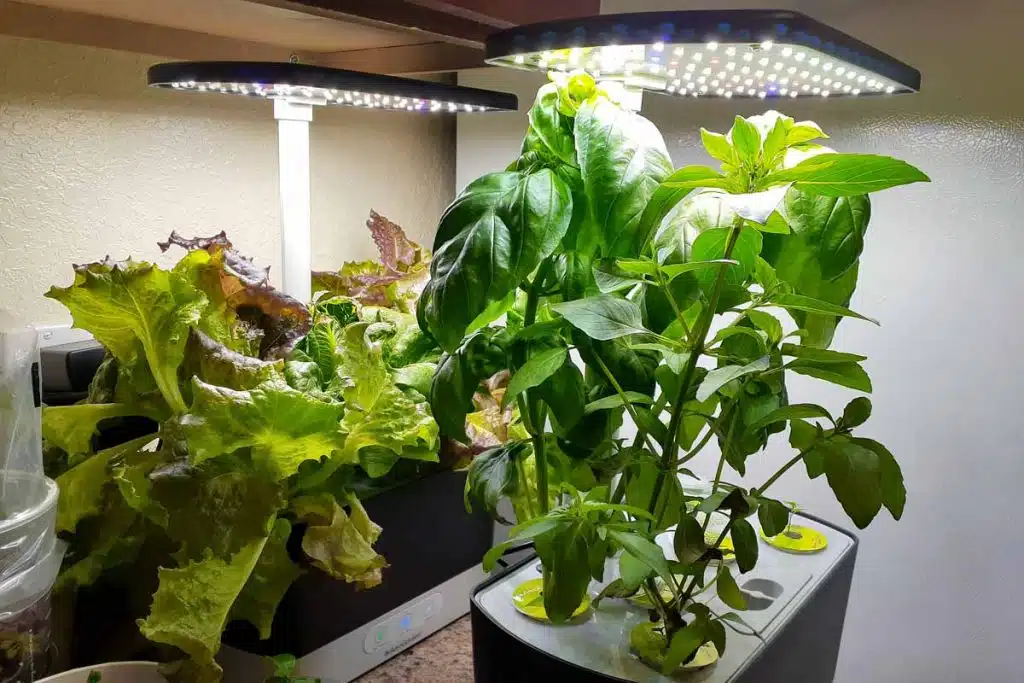
Compact lights can fit above a shelf. Timers can switch them on and off consistently. Self-watering containers can provide a reservoir for suitable plants. Countertop hydroponic units combine lighting, water circulation and plant supports in one small footprint. Sensors can show measurements such as moisture, temperature or humidity.
None of these tools guarantees healthy plants. They make certain tasks more convenient or provide more information. Plant choice, suitable light, correct watering, nutrition and regular observation still matter.
1. It Works Where Outdoor Space Is Limited
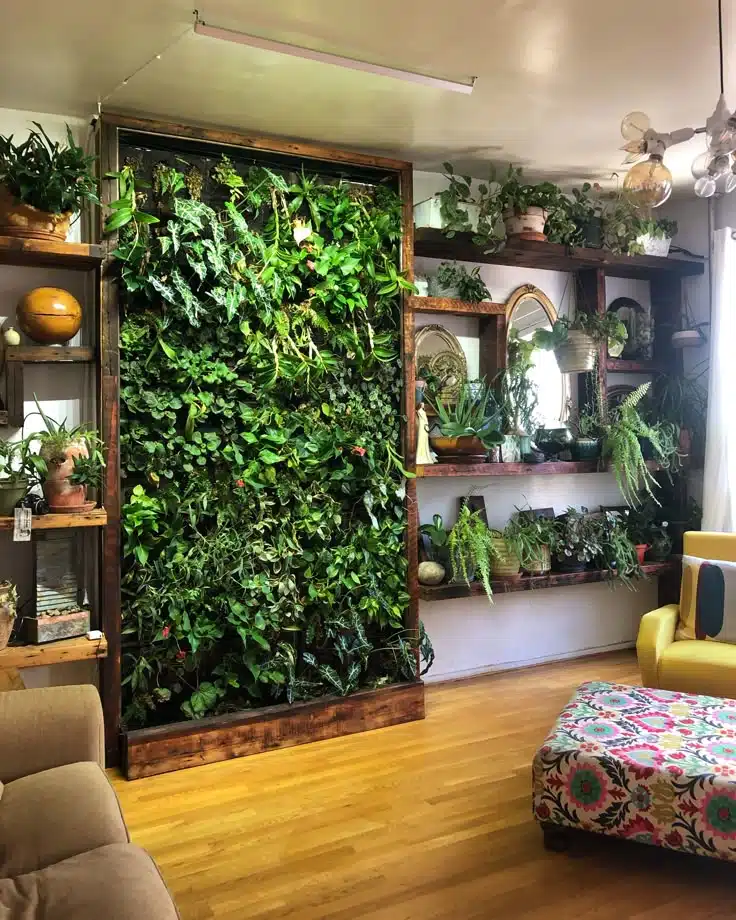
Indoor gardening gives people another way to grow where a garden, balcony or allotment is unavailable or too small for what they want to do. A windowsill can hold a few herbs, a shelf can support compact houseplants, and a spare worktop can accommodate a small growing system.
This is useful in some flats and rented homes, but it should not be turned into a claim that everyone in a town or city lacks outdoor space. The practical point is simpler: indoor growing can use parts of a home that conventional outdoor gardening cannot.
The scale also remains flexible. You can begin with one suitable plant rather than buying a complete system. If the plant grows well and the routine suits you, the setup can expand gradually.
2. Better Grow Lights Expand What Can Be Grown
Some homes already provide enough window light for plants suited to those conditions. Shade-tolerant foliage plants do not have the same light requirements as basil, salad leaves, tomatoes or other crops grown for a useful harvest.
Where daylight is insufficient, a horticultural grow light can supplement it. The Royal Horticultural Society’s artificial-lighting guidance explains that lighting can help in darker spaces, support some winter salad growing and start seedlings earlier. It also advises making the most of daylight first to reduce energy use.
Modern LED grow lights have made home setups more practical because they are long-lasting, operate at lower temperatures and are more energy efficient than some older horticultural lamps. “More efficient” does not mean they use no energy. A powerful light running for many hours every day can still add to electricity use, and the correct intensity and duration depend on the plant.
Edible crops often need considerably stronger light than low-light houseplants. A weak decorative lamp may look bright to us without providing enough useful light for good growth. The Indoor Plant Grow Light Guide explains the practical choices in more detail.
3. Hydroponics Gives Growers Another Option
Hydroponics grows plants without soil by supplying water and dissolved nutrients to their roots. For a home grower, its main attractions can be a compact layout, less loose compost indoors and direct control over the nutrient solution.
Closed or recirculating systems collect and reuse the solution. That design can reduce water withdrawals and nutrient loss compared with a drain-to-waste setup. A peer-reviewed comparison of open and closed hydroponic systems also shows why the distinction matters: closed systems can improve resource efficiency, but require tighter management and bring costs, energy demand and failure risks of their own.
Home-scale performance varies. Leaks, reservoir changes, cleaning routines, crop choice and system design all affect water use. Pumps need power, nutrients need to be replenished, and poorly managed water can develop root or disease problems. Water efficiency alone therefore does not prove that the whole setup is environmentally better.
For a beginner-friendly explanation of the main methods, see Can You Grow Plants Without Soil Indoors?
4. Automation Can Reduce Repetitive Work
Automation is most useful when it handles a clear, repetitive task:
- a timer can keep a grow light to a consistent schedule;
- a pump can circulate nutrient solution;
- a self-watering reservoir can make water available between checks;
- a smart plug can control compatible equipment; and
- a sensor can report current moisture, temperature or humidity readings.
These tools can reduce routine switching and make changing conditions easier to notice. Ordinary home sensors do not see the future, however. An alert usually means that a measured value has crossed a chosen threshold; it does not diagnose every pest, nutrient deficiency or root problem.
Technology also creates maintenance. Sensors can be misplaced or inaccurate, pumps can block, apps can lose their connection, reservoirs need cleaning and parts or proprietary refills may need replacing. Even a timer can repeat the wrong schedule perfectly. The grower still needs to check the plant and adjust the system as conditions change.
If a repetitive task is genuinely getting in the way, the Smart Garden Automation guide explains where timers, plugs and monitoring can help.
5. Indoor Growing Can Extend the Growing Season
Outdoor gardening follows weather, temperature and day length. Indoors, a suitable room and supplemental light can allow some herbs, leafy crops, microgreens and seedlings to continue when outdoor conditions would slow or stop them.
This is season extension, not a promise of unlimited year-round harvests. The cost and difficulty rise with the crop’s need for light, warmth, space and pollination. A tray of microgreens or a small amount of salad is a very different project from fruiting tomatoes, cucumbers or peppers under lights.
It can also make sense to use indoor and outdoor space together. Seedlings can start under cover and move outside later. Tender herbs can spend the brightest months outdoors and return to a suitable window when temperatures fall. Indoor growing can fill gaps without trying to reproduce an entire garden inside a room.
What Indoor Gardens Still Cannot Replace
Outdoor gardens provide growing space and ecological functions that a shelf or countertop system cannot match. In most homes, indoor growing is poorly suited to:
- fruit trees and other large, long-lived plants;
- bulky crops that need a large area for a modest harvest;
- high-light fruiting crops without substantial lighting and space;
- pollinator habitat and the wider biodiversity of an outdoor garden;
- natural rainfall and unpowered growing in suitable seasons;
- garden-scale composting and soil improvement; and
- producing food across a large area.
Indoor conditions do provide more influence over light, watering and temperature, but they do not remove biological problems. Aphids, thrips, fungus gnats and spider mites can still affect indoor plants, while excess moisture and poor circulation can contribute to fungal or root problems. The RHS guidance to indoor sap-feeding pests is a useful reminder that “indoors” does not mean pest-free.
The most realistic future is one in which indoor and outdoor growing complement each other. Each is useful for different plants, spaces and seasons.
Is Indoor Gardening More Sustainable?
Sometimes it can be a lower-input choice; sometimes it is not. The word “indoor” does not settle the comparison.
There are plausible benefits. Harvesting a few leaves at a time may mean less unused produce in the fridge. Reusing suitable containers can avoid some new purchases. A well-managed recirculating system can reuse water, and a bright window may allow a crop or houseplant to grow without a lamp.
WRAP’s work on fresh-produce waste shows that waste is a real issue, but a home-grown crop only helps if it is eaten and replaces something that would otherwise have been bought. Growing herbs indoors does not automatically eliminate packaging, transport emissions or household food waste.
The costs also count: grow-light electricity, pumps, manufactured nutrients, plastic systems, pods, sponges, replacement parts and the manufacture of the equipment itself. A system that is bought, used briefly and discarded may be a worse choice than a pot that makes good use of daylight.
A sensible sustainability check asks:
- What will you grow, and is it well suited to the space?
- Can available daylight provide enough light?
- How much electricity and equipment will the setup need?
- Can containers and durable parts be reused?
- What bought product will the harvest actually replace?
- Are you likely to use the system for long enough to justify it?
For lower-input ideas that can be adapted to the rest of your setup, read the Eco-Friendly Indoor Gardening Tips guide.
The Best Way to Start an Indoor Garden
A simple progression keeps the plant, rather than the technology, at the centre of the decision:
- Choose a suitable plant or crop. Start with something that fits the available light and space. Herbs, leafy salads, microgreens and many compact houseplants are more realistic than large fruiting crops.
- Use natural light if it is sufficient. Watch how the plant grows in the proposed position before assuming it needs equipment.
- Add a light only where it solves a light shortfall. Match its output, distance and schedule to the plant.
- Improve the setup when a real problem appears. A reservoir, timer or sensor should have a clear job rather than being an automatic purchase.
- Consider hydroponics or a smart garden if the convenience justifies the cost. Check cleaning, consumables, noise, replacement parts and ongoing electricity before buying.
Starting small makes it easier to learn what the plant needs and prevents a complicated system from becoming the hobby instead of the growing.
What Might Indoor Gardening Look Like in the Future?
This is necessarily forward-looking, not a statement of fact. One plausible direction is that indoor-growing equipment may become easier to fit around normal living spaces.
Grow lights could become more efficient and easier to position. Compact systems may use more durable, replaceable parts. Sensors could become easier to calibrate and interpret. Modular shelves and furniture may make it simpler to combine plants, lighting and storage without turning a room into a specialist growing area.
Better monitoring may reduce some repetitive work, but it is unlikely to make plant knowledge irrelevant. The most useful developments will probably be those that solve a defined problem simply, remain repairable and do not lock the grower into unnecessary consumables.
The future of indoor gardening is therefore less about replacing soil, gardens or human care and more about giving people a wider set of workable choices.
FAQs About the Future of Indoor Gardening
Is indoor gardening really the future of gardening?
It is likely to be part of gardening’s future, not the whole of it. Indoor growing is useful for suitable plants, small spaces and season extension, while outdoor gardens remain better for many large crops, biodiversity, composting and unpowered growing.
Is indoor gardening sustainable?
It depends on the crop and setup. Daylight, reused containers and a long-lasting system can keep inputs lower. Powerful lighting, pumps, disposable pods and an underused unit add impacts. The fairest test is what the harvest replaces and what resources were required to produce it.
Do you need grow lights for an indoor garden?
Not always. Some plants can grow well in a suitably bright window. A grow light is useful when natural light is insufficient for the chosen plant, particularly for many edible crops or during darker months.
What foods are easiest to grow indoors?
Herbs, microgreens and leafy salad crops are usually more practical starting points because they stay relatively compact and are harvested for leaves. Fruiting crops generally need more light, warmth, space and time.
Is indoor gardening expensive?
It does not have to be. A pot, suitable growing medium and adequate window light can be enough. Costs rise when you add grow lights, hydroponic equipment, replacement consumables and electricity, so expand only when the added convenience or growing potential is worthwhile.
Choose the Setup That Solves Your Actual Problem
Compare Compact Indoor Growing Systems
If limited space, routine lighting or regular watering makes an all-in-one unit genuinely useful, compare the options in the Best Indoor Smart Garden guide before buying.
Final Thoughts
Indoor gardening is becoming more practical because growers can choose from a wider range of compact lights, soilless systems and simple controls. Its strongest role is to help people grow suitable plants where outdoor space or seasonal conditions are limiting.
The technology is optional, and every benefit has a context. Start with the crop, use daylight where it works and add equipment only when it earns its place. Done that way, indoor growing can be a useful companion to outdoor gardening rather than an exaggerated replacement for it.
Related Articles
CHOOSE VEGETABLES THAT FIT YOUR SPACE
Pick Indoor Vegetables That Suit Your Pots
The right pot helps, but the vegetable still needs to match your space, light, and container depth. If you want an easier start, choose compact crops that grow well indoors without needing huge pots or complicated equipment.