Eco-friendly indoor gardening does not need to be complicated or expensive. In most homes, it comes down to making better choices with watering, potting mix, containers, feeding, lighting, and everyday plant care so you waste less and grow more sensibly over time.
That matters because indoor gardening can become surprisingly wasteful if you keep replacing plants, buying poor-quality tools, overusing plastic pots, or running inefficient setups. A more eco-friendly approach is usually better for your plants, easier to maintain, and more realistic in the long run.
Quick answer: how can you make indoor gardening more eco-friendly?
The easiest way to make indoor gardening more eco-friendly is to reduce waste, reuse what you can, water more carefully, choose longer-lasting tools and containers, and avoid overbuying products you do not really need. Better soil use, smarter lighting, and keeping plants healthier for longer also make a big difference.
Do this first
Before buying anything new, look at your current setup and ask where most of the waste is coming from. For some people it is overwatering and replacing dying plants. For others it is plastic nursery pots, tired compost, unnecessary gadgets, or lights running longer than they need to.
Why eco-friendly indoor gardening matters
Eco-friendly gardening is not just about looking greener on paper. It usually leads to more thoughtful plant care overall. When you waste less water, reuse more containers, avoid throwing away usable compost too quickly, and buy fewer throwaway tools, your plant routine often becomes simpler as well.
It can also help you avoid one of the biggest problems in indoor gardening: constant replacement. Replacing struggling plants, buying duplicate tools, and throwing away soil too often can quietly turn a small hobby into a more wasteful one than it needs to be.
A more sustainable setup usually starts with better day-to-day habits, which is one reason Indoor Plant Maintenance Routine fits so well alongside this topic.

Choose plants and products you will actually keep using
One of the most eco-friendly things you can do is avoid buying plants, tools, and accessories that do not really suit your home. A plant that constantly struggles in your space is more likely to need replacing, and a product you never use properly becomes clutter rather than a help.
That means it helps to:
- choose plants that suit your light levels
- buy tools you will use often
- avoid oversized starter kits
- pick containers that can last for years
- be realistic about how much care time you actually have
Eco-friendly indoor gardening is often less about buying “green” products and more about buying fewer, better ones.
Reuse pots, trays, and containers where it makes sense
Reusing containers is one of the easiest ways to reduce waste indoors. Nursery pots, cachepots, saucers, trays, and storage tubs can often be reused many times if they are still in good condition and cleaned properly between uses.
That does not mean you should keep every plastic pot forever, but it does mean you can avoid treating them as single-use. Many indoor growers already have enough useful containers at home without buying new ones for every repotting job.
If you repot regularly, Best Indoor Plant Soil Mix also helps because the right compost structure can make reused containers perform much better.
Water more carefully instead of watering more often
Water waste is one of the easiest problems to reduce. Many indoor plant owners do not waste water because they use too much overall, but because they water at the wrong time, too often, or without checking the compost first.
A more eco-friendly watering habit usually means:
- checking the compost before watering
- watering the soil directly instead of splashing around the pot
- using tools that give you more control
- avoiding the habit of watering by calendar alone
- reducing runoff and repeated overwatering
This is better for the environment and usually much better for root health too.
Water waste often comes down to timing, which is why How Often to Water Indoor Plants pairs perfectly with this.
A narrow-spout indoor watering can helps you target the soil precisely, reducing waste—especially when watering plants on shelves or in tight spaces.
Be more careful with compost and potting mix
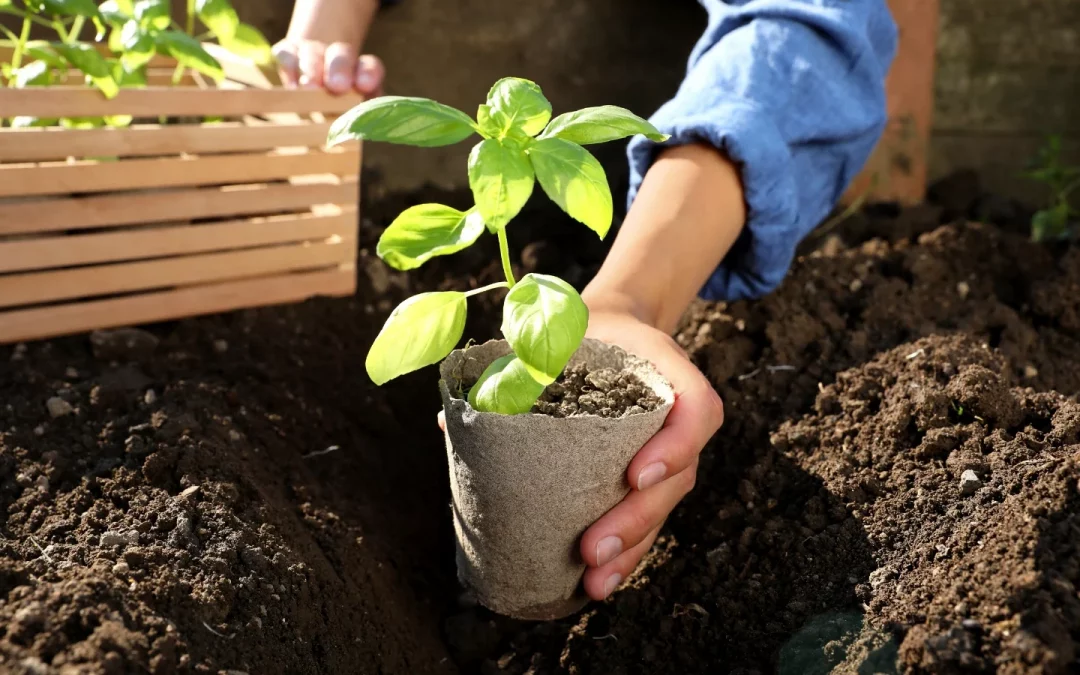
Potting mix is often treated as something disposable, but you can usually make it go further by using it more thoughtfully. That means storing unused mix properly, avoiding unnecessary waste during repotting, and only replacing what really needs replacing.
In some cases, part of the existing compost can still be refreshed rather than thrown out completely, especially if the issue is structure or drainage rather than serious disease.
To cut down on compost waste, it’s worth reading Refresh Old Potting Mix Without Replacing It next.
It also helps to avoid cheap soil that compacts quickly and creates problems sooner than it should.
Penn State Extension recommends using a good-quality soilless potting mix for houseplants rather than garden soil, which can help indoor gardeners avoid poor drainage and unnecessary compost waste.
Use grow lights more efficiently
Grow lights can be useful and sometimes essential, but they are also one of the areas where indoor gardening can become less efficient if they are left running longer than necessary or used where natural light would already do the job.
A more eco-friendly approach includes:
- choosing efficient LED grow lights
- using timers instead of guessing
- matching the light to the plant’s needs
- avoiding unnecessary long daily run times
- placing plants well before relying on extra equipment
That way you support growth without wasting electricity.
If you are using extra lighting indoors, Indoor Plant Grow Light Guide can help you make better choices about what is actually worth using.
Feed plants sensibly instead of overdoing it
Overfeeding is not only bad for your plants. It can also lead to wasted product, salt build-up, soil problems, and the need to fix avoidable damage later. A more eco-friendly indoor gardening routine means feeding carefully, during active growth, and only as much as the plant realistically needs.
This is another area where more is not better. Gentler, better-timed feeding usually gives more reliable results than frequent heavy feeding.
If your feeding routine is causing more harm than good, Revive Over-Fertilised Indoor Plants is well worth reading next.
Choose longer-lasting tools instead of buying too much
One of the easiest eco-friendly shifts is buying fewer tools and choosing ones that are genuinely useful. A narrow-spout watering can, compact snips, a hand trowel, and a moisture meter will often do more for your plants than a large cheap kit full of tools you barely touch.
That matters even more in smaller homes, where clutter builds quickly and bulky accessories often end up unused.
If you’re aiming for a simpler, more practical setup, Best Small-Space Gardening Tools is well worth reading next.
A compact pair of indoor plant pruning snips is one of the most useful long-term tools if you want something small, practical, and easy to keep using.
Keep plants healthier for longer
One of the least eco-friendly habits in indoor gardening is constantly replacing plants that could have been kept healthy with better care. The more stable your routine becomes, the less waste you usually create.
That includes:
- matching plants to the right light
- using a sensible watering routine
- improving airflow
- refreshing tired soil when needed
- repotting at the right time
- checking for problems early
Healthy plants last longer, need fewer rescue purchases, and make your whole setup more sustainable over time.
If you want to improve your room conditions, Air Circulation and Indoor Plant Health is well worth reading next.

Small eco-friendly changes that add up
You do not need to rebuild your whole setup overnight. Small changes usually make the biggest difference because they are the easiest to stick with.
Good examples include:
- reusing nursery pots
- checking compost before watering
- using timers on grow lights
- buying fewer but better tools
- refreshing compost instead of binning all of it immediately
- choosing plants that suit your room
These habits are practical, realistic, and much easier to keep up with than trying to make everything “perfect” at once.
FAQs
What is the most eco-friendly way to water indoor plants?
The best way is to water according to the plant’s real needs rather than on a fixed schedule, and to water carefully enough that you reduce waste and runoff.
Can you reuse indoor plant pots safely?
Yes, as long as they are cleaned properly and still have good drainage.
Are LED grow lights eco-friendly?
They can be, especially compared with older lighting options, but they still work best when used efficiently and only where needed.
Is it better to refresh compost or replace it?
That depends on the condition of the mix, but in some cases refreshing part of it is a good way to reduce waste.
Final Thoughts on Eco-Friendly Indoor Gardening Tips
Eco-friendly indoor gardening is usually less about dramatic swaps and more about better habits. Water more carefully, reuse what still works, choose longer-lasting tools, avoid wasteful routines, and give your plants the kind of setup that helps them stay healthy for longer.
That approach is better for your plants, better for your home, and much easier to maintain over time.
Related Articles
Make Indoor Gardening More Sustainable
Improve the setup you already have
A more eco-friendly plant routine often starts with getting more life out of your existing setup rather than buying more things. Refresh Old Potting Mix Without Replacing It is a strong next article if you want a practical place to start.