
Many people want a simple indoor plant watering schedule, but the truth is that there is no single perfect routine for every plant. How often to water indoor plants depends on the type of plant, the size of the pot, the season, the light levels, the room temperature, and how quickly the compost dries out.
That is why a fixed once-a-week rule often causes trouble. Some plants need watering much more often, while others stay healthier if you leave them alone for longer. The safest approach is to understand what changes the schedule and how to check whether your plant actually needs water before reaching for the watering can.
Quick answer: how often should you water indoor plants?
Most indoor plants should be watered when the compost has dried to the right level for that specific plant rather than on a fixed schedule. Some houseplants may need water every few days in warm bright conditions, while others may only need it every week or two. The best watering schedule is one based on the plant, the pot, and how quickly the soil dries in your home.
Do this first
Before setting any kind of schedule, check how quickly the compost actually dries in your room. Put your finger into the top layer, lift the pot if possible, and pay attention to how the plant behaves over a week or two. That will tell you far more than a generic watering calendar.
Why there is no single perfect watering schedule
Indoor plant care becomes much easier when you stop looking for one universal timetable. A plant in a bright warm room will dry out much faster than the same plant in a cooler, shadier spot. A small terracotta pot dries differently from a larger plastic one, and winter care is very different from summer care.
That is why a strict schedule often fails. It can encourage you to water out of habit rather than because the plant actually needs it. In practice, good watering is less about the calendar and more about reading the conditions properly.
A lot of indoor plant problems start when people water by routine instead of by what the compost is actually doing, which is exactly why Indoor Plant Watering Mistakes is such a useful article to read alongside this one.
What actually changes how often indoor plants need water?
Several things affect how fast a plant uses water and how quickly the compost dries out.
Plant type
Different plants naturally want different watering rhythms. Tropical foliage plants often prefer steadier moisture than cacti or succulents, which usually need the compost to dry much more thoroughly between waterings.
Pot size and material
Small pots dry faster than large ones. Terracotta usually dries faster than plastic because it is more breathable. That means the same plant may need more frequent watering simply because of the pot it is in.
Light levels
Plants in brighter conditions usually use water faster. If a plant sits in a darker corner, the compost often stays damp longer, which makes overwatering easier.
If your plant is in a dimmer room, Indoor Plant Grow Light Guide can help you work out whether weak light is slowing down the drying process.
Temperature and season
Warm rooms, heating, and stronger summer light can all make compost dry faster. In cooler rooms or during winter, water use often slows down.
Soil mix and drainage
A chunky, airy mix dries differently from dense or compacted compost. Good drainage matters because stale, soggy soil can make it look as though the plant needs less water when the real issue is poor soil structure.
How to tell when an indoor plant actually needs water
The best watering habit is not following a fixed date. It is learning how to check the plant and compost properly.
Useful signs include:
- the top layer feels dry
- the pot feels lighter than usual
- the leaves begin to soften slightly on plants that naturally show thirst
- the compost looks paler and drier
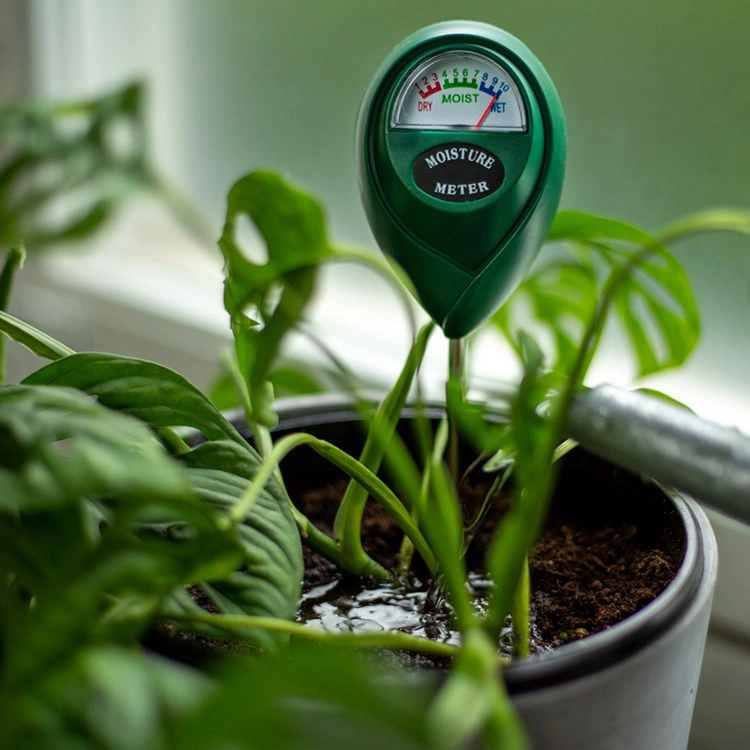
- a moisture meter confirms the deeper soil is drying out
You do not need to use every method every time, but combining a few checks makes watering much more accurate.
If you often struggle to judge moisture lower down in the pot, a digital moisture meter for indoor plants can make the watering routine much easier to read.
A better watering schedule for common indoor plant types
Tropical houseplants
Many tropical plants prefer evenly moist but not soggy compost. They often need checking more regularly, especially in warm bright rooms.
Snake plants and succulents
These usually need a much looser schedule. Let the compost dry more thoroughly before watering again.
Peace lilies and thirstier foliage plants
These may need more frequent checks because they respond more obviously when they start drying out.
Herbs grown indoors
Indoor herbs can dry quite quickly, especially on sunny kitchen windowsills. They often need a closer watch than larger leafy houseplants.
The key point is that “indoor plants” is too broad a category for one fixed timetable. A peace lily and a snake plant should not be treated the same way.
Plants with different growth habits often need different routines indoors, and Indoor Plant Maintenance Routine helps put that into a wider care system.

How the seasons change your watering routine
Indoor watering usually needs adjusting through the year.
In spring and summer
Many plants grow more actively, use more water, and dry out faster. This is the time when watering checks often need to happen more often.
In autumn and winter
Growth often slows, light levels drop, and compost stays damp for longer. This is when fixed schedules cause the most trouble because people keep watering at the same pace even though the plant is using less.
If winter keeps disrupting your watering habits, Keep Indoor Plants Alive in Winter is a helpful follow-on because it explains the wider seasonal setup.
University of Maryland Extension says watering on a schedule is not the best method for houseplants, which fits perfectly here because indoor plants should be checked based on the compost and conditions rather than watered automatically every few days.
Why fixed weekly watering often goes wrong
A once-a-week schedule sounds neat and simple, but it does not account for real indoor conditions. One week may be bright and warm, and the next may be colder and darker. The plant’s water use can shift without you noticing.
Fixed watering goes wrong when:
- the compost is still damp from the last watering
- the room is cooler than usual
- the plant is in low light
- the pot is too large for the root system
- the soil has become compacted and slow to dry
That is why plants can look overwatered even when you are watering “on schedule”.
If the compost has started turning stale or sour, Why Indoor Plant Soil Smells Bad explains why trapped moisture and poor drainage often sit behind the problem.
Should you use a watering app, reminder, or schedule chart?
A reminder can be helpful as a prompt to check your plants, but it should not become a command to water automatically. The best use of a schedule is as a guide for checking, not a rule that overrides what the compost is telling you.
This is where many people get caught out. A reminder can help you stay consistent, but you still need to decide whether the plant actually needs watering that day.
If you want a neater way to water accurately once you have checked the compost, a narrow-spout indoor watering can makes it much easier to water the soil without mess.
What a realistic indoor watering routine looks like
A realistic routine is usually based on regular checking rather than regular watering. For example:
- check thirstier plants every few days
- check tougher plants less often
- pay extra attention after weather or seasonal changes
- adjust when moving plants to brighter or warmer rooms
- re-check after repotting or changing soil mix
That approach is much more reliable than assigning every plant the same day of the week.
Common signs your schedule is wrong
If your routine needs adjusting, your plants often tell you through symptoms such as:
- yellowing leaves
- drooping despite moist compost
- sour-smelling soil
- dry crispy edges from repeated underwatering
- fungus gnats in constantly damp compost
- weak growth caused by long-term root stress
A bad schedule can mean watering too often just as easily as watering too rarely.
When damp compost keeps causing problems, Best Indoor Plant Soil Mix is worth reading because poor drainage and tired potting mix can make watering issues much worse.
FAQs
How often should I water indoor plants in winter?
Usually less often than in warmer months, because indoor plants often grow more slowly and compost takes longer to dry.
Is once a week a good watering schedule for houseplants?
Sometimes, but not as a general rule. It depends on the plant and how quickly the compost dries in your home.
How can I tell if I am watering too often?
Look for signs like yellowing leaves, soggy compost, fungus gnats, sour smells, and drooping despite wet soil.
Should all indoor plants follow the same schedule?
No. Different plants, pots, rooms, and seasons all change how often watering is needed.
Final Thoughts on How Often to Water Indoor Plants
There is no single perfect watering schedule for indoor plants because indoor conditions change too much from home to home and from season to season. The best approach is to check the compost regularly, learn how different plants behave, and adjust based on light, temperature, pot size, and growth.
Once you stop watering by habit and start watering by need, indoor plant care usually becomes much easier and far more reliable.
Related Articles
Make Indoor Watering Easier to Judge
Build a routine around what the compost is doing
A better watering routine starts with learning how your plants dry out in your home rather than copying a fixed timetable. Indoor Plant Watering Mistakes is a good next read if you want to spot the habits that cause the most trouble.