Learning how to shape a bonsai tree is less about “perfect art” and more about a few repeatable habits: light pruning, gentle wiring, and patient trimming over time. If you keep it simple, you can improve structure without stressing the tree.
Contents
- 0.1 What “shaping” actually means in bonsai
- 0.2 Choose the front and the basic style first
- 0.3 Pruning for shape (the safe method)
- 0.4 Wiring bonsai branches (when it’s useful and when to skip it)
- 0.5 How to create a clean bonsai silhouette (the easy visual test)
- 0.6 Long-tail shaping fixes (fast answers)
- 0.7 FAQs About How to Shape a Bonsai Tree
- 0.8 Final Thoughts on How to Shape a Bonsai Tree
- 0.9 Related Articles
- 1 Build a Simple Routine for Better Structure
Quick answer: how to shape a bonsai tree
Start by choosing one front view (best trunk line + roots).
Remove obvious clutter: dead twigs, crossing branches, downward growth.
Shape slowly with light pruning, not heavy chopping.
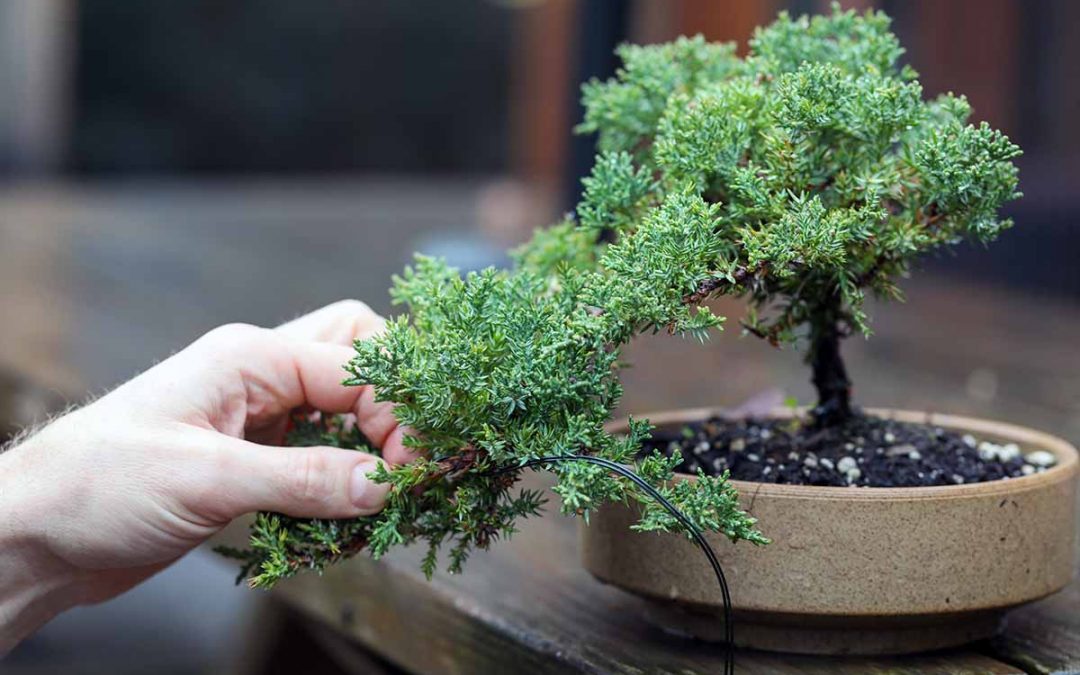
Use bonsai training wire only on flexible branches, and check it weekly.
Keep the silhouette triangular-ish: wider at the base, lighter at the top.
Do this first: Turn the tree slowly, pick the best front, and mark it with a small piece of tape on the pot — shaping is much easier once you commit to a front.
If you’re still getting the basics dialled in (light, watering, recovery), Bonsai Tree Care is a helpful overview to keep everything consistent.
What “shaping” actually means in bonsai
Shaping is simply guiding your bonsai into a cleaner structure by controlling:
branch direction (where it grows)
branch density (how much growth is kept)
overall silhouette (the outline you see from a distance)
Most indoor bonsai look messy because they grow unevenly toward light and develop lots of small shoots in random directions. Shaping fixes that.
Choose the front and the basic style first
Before you cut anything, pick the view that shows:
the best trunk movement (gentle curves look natural)
the most stable root base
the cleanest branch arrangement
You don’t need to name a style formally, but it helps to choose a direction:
upright and balanced
slightly slanted (adds movement)
informal and natural (the easiest for beginners)
If you’re unsure what makes a bonsai “look like a bonsai”, What Is a Bonsai Tree helps you spot the key features.
Pruning for shape (the safe method)
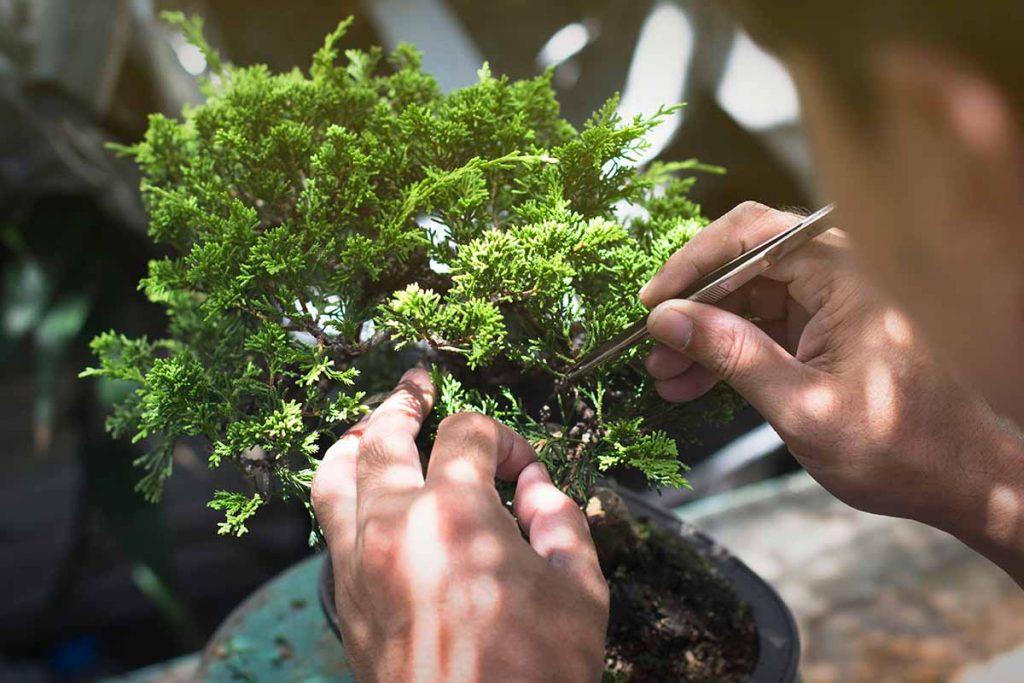
Shaping with pruning is the most beginner-friendly method because it’s controlled and low-risk when done lightly.
A simple pruning order:
- Remove dead or damaged growth
- Remove branches that cross or rub
- Remove growth pointing straight down
- Thin crowded areas so light reaches inside
- Shorten long shoots to encourage branching
Aim for a silhouette that’s:
wider at the bottom
lighter at the top
open enough that you can see some branch structure
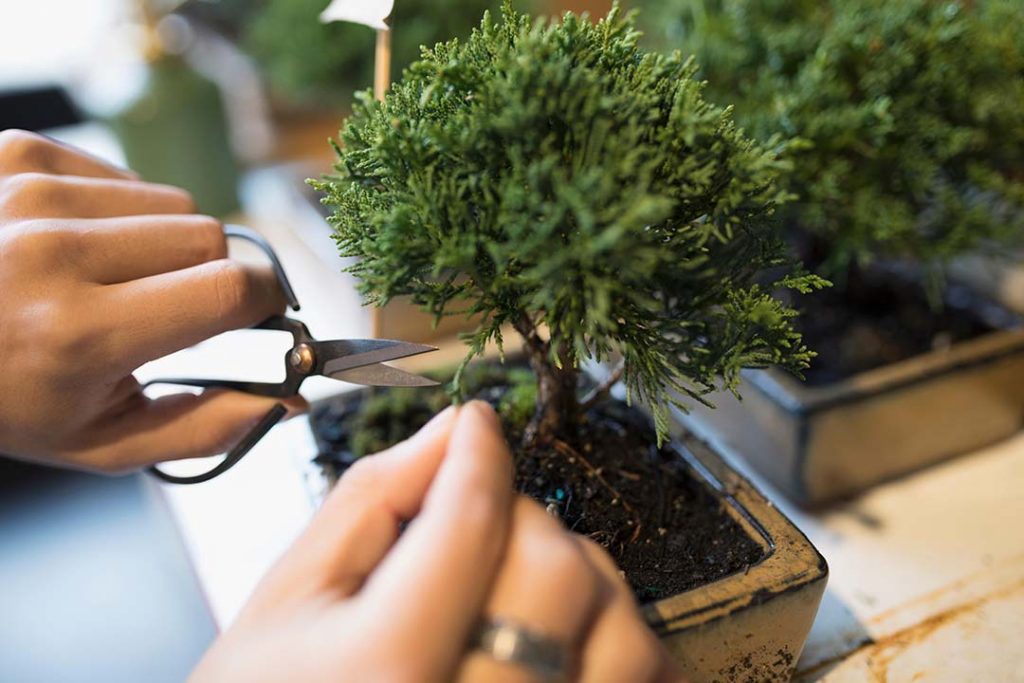
Clean cuts matter because tearing growth can weaken recovery — bonsai pruning scissors are made for tidy, precise cuts.
If you want a broad pruning method that works across plants (and still applies to bonsai basics), How to Prune Indoor Plants is a useful reference.
Wiring bonsai branches (when it’s useful and when to skip it)
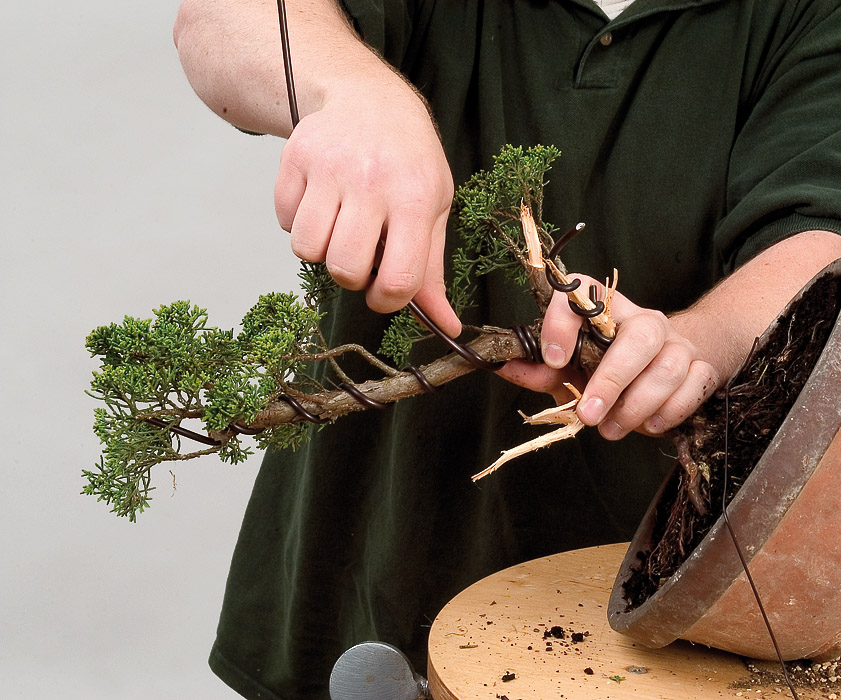
Wiring is what gives you more control over branch direction, but it’s also the part that can cause damage if done carelessly.
Wiring is useful when:
branches are flexible and you need a gentle bend
pruning alone won’t create the shape you want
you’re trying to open up the canopy for light
Skip wiring when:
branches are stiff or brittle
you’re not sure how fast your tree thickens
the tree is stressed (dropping leaves, weak growth)
The safe beginner rule: wire lightly and check weekly. If the wire starts biting into bark, remove it immediately.
A roll of bonsai training wire makes gentle shaping possible without snapping branches.
How to create a clean bonsai silhouette (the easy visual test)
A quick way to check whether your bonsai looks “shaped” is the silhouette test:
Step back a couple of metres
Squint slightly
Look at the outline of the tree
If the outline looks:
lumpy, uneven, or too dense → thin and shorten shoots
top-heavy → reduce upper growth and strengthen lower branches
flat and boring → use small directional pruning to create movement
A simple lighting tweak also changes growth direction over time. If your bonsai always leans toward a window, rotating and improving light can make shaping easier.
For container-grown plants, the basics that keep shaping safe are good light, controlled watering, and avoiding waterlogged compost — the RHS container gardening maintenance advice reinforces those fundamentals, which helps bonsai recover better after pruning.
Long-tail shaping fixes (fast answers)
How to shape a bonsai tree that’s grown leggy indoors
Leggy growth is usually low light. Fix light first, then shorten long shoots gradually to encourage branching closer to the trunk.
How to shape a bonsai without wiring
Use directional pruning: cut back to a bud/leaf facing the direction you want the next growth to go. Repeat over time.
Can you shape bonsai in winter indoors?
You can do very light tidying, but heavy shaping is better during active growth when the plant recovers faster.
How often should you trim to maintain shape?
Small trims every few weeks during growth work better than one big chop.
If your bonsai seems stuck and not responding well, Bonsai Not Growing helps you troubleshoot whether light, watering, or roots are holding it back.
FAQs About How to Shape a Bonsai Tree
Should I prune or wire first?
Usually prune first to remove clutter, then wire to guide the branches you’re keeping.
How much can I cut off at once?
For beginners, keep it light. Remove small amounts and reassess. Big cuts are more risky indoors.
How long should wire stay on a bonsai?
It depends on growth speed, but you must check weekly. If the wire starts biting into bark, remove it immediately.
Will shaping hurt my bonsai?
Not if the tree is healthy and you shape gradually. Heavy shaping when the tree is stressed can cause decline.
Final Thoughts on How to Shape a Bonsai Tree
If you want your bonsai to look more “finished”, start with the basics: pick a front, remove obvious clutter, and trim lightly but regularly. Add wiring only when you need gentle direction changes, and check it often. Small improvements done consistently beat big risky cuts every time.
Related Articles
Make bonsai shaping feel achievable
Build a Simple Routine for Better Structure
Shaping works best when the tree is healthy and stable first. With steady light, careful watering, and small trims over time, you can improve structure without overdoing it — and your bonsai starts looking cleaner and more balanced month by month.