

Kaffir lime leaves dropping indoors is usually caused by a sudden change in light, watering, temperature, or drainage — not “random bad luck”. If you fix the environment quickly, most indoor citrus bounce back.
If you’re also growing other citrus, you can compare setups in Best Way to Grow Lime Trees Indoors.
Quick answer: stop kaffir lime leaf drop
-
Move it to the brightest window (or add a grow light in winter)
-
Let the top 3–5 cm of compost dry before watering again
-
Make sure the pot has free drainage (no water sitting in the outer pot)
-
Keep it away from radiators and cold draughts
-
Don’t feed while it’s stressed — restart feeding once new growth returns
Do this first: Tip the pot slightly and check the base — if water is trapped in a cachepot/saucer, empty it and improve drainage today.

Why Kaffir Lime Leaves Drop Indoors
Leaf drop is a stress response. Citrus (including kaffir/makrut lime) hate sudden changes, and indoors those changes happen fast — heating comes on, daylight drops, watering habits shift, and soil stays damp longer.
Most commonly, leaf drop comes from:
-
low light (especially UK winter)
-
overwatering or slow-draining compost
-
cold shocks (draughts, chilly windows at night)
-
dry heat from radiators
-
repotting stress or moving rooms
The 7 Most Common Causes (With Fast Fixes)
1) Light dropped suddenly
Low light is the #1 trigger for indoor citrus leaf drop. If the plant can’t photosynthesise well, it sheds leaves to reduce demand.
Fix
-
Put it in your brightest window (south-facing if possible)
-
Rotate the pot weekly so growth stays even
-
If winter light is weak, a full-spectrum LED grow light bulb can stabilise growth without turning your home into a greenhouse.
2) Compost staying wet too long
Citrus roots need oxygen. If compost stays wet, roots sulk and leaves fall.
Fix
-
Water only when the top 3–5 cm is dry
-
Empty saucers/cachepots after watering
-
Check for compacted compost that doesn’t drain
3) Pot has no proper drainage (or a cachepot is trapping water)
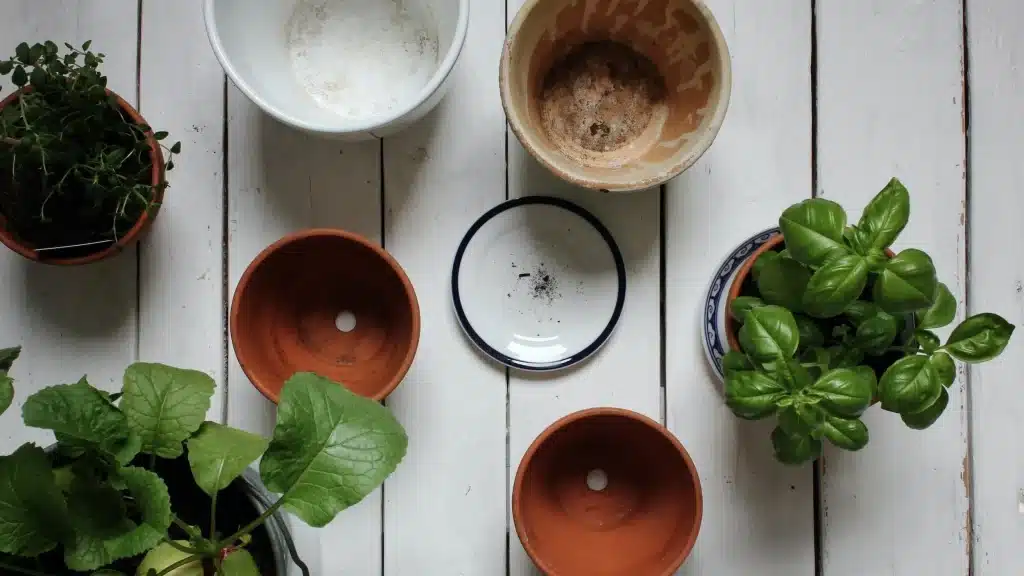
This catches loads of people out: the plant is in a pot with holes… but it sits inside an outer pot holding runoff.
Fix
-
Use a saucer you can empty easily
-
Lift the inner pot out after watering to drain fully
4) Cold draughts and chilly night windows
Citrus dislike cold shocks. A sunny window can still be cold at night.
Fix
-
Pull it 10–20 cm away from the glass at night in winter
-
Keep it away from open doors and draughty gaps
5) Dry air from radiators
Dry air can make leaves crisp at the edges and drop earlier.
Fix
-
Move it away from radiators
-
Cluster plants together (micro-humidity boost)
-
Wipe leaves occasionally so they can “breathe” better
If you want a quick routine for keeping foliage clean, see How to Clean Houseplant Leaves.
6) Feeding at the wrong time
If a plant is stressed or light is low, feeding can backfire (salts build up and roots struggle).
Fix
-
Pause feeding during leaf drop
-
Restart feeding only when you see fresh new growth
When you do restart, a citrus fertiliser for potted citrus trees is more reliable than general houseplant feed for long-term health.
7) Repotting shock (or the pot is too big)
Too large a pot = too much wet compost = stress.
Fix
-
Use a pot only a few centimetres wider than the root ball
-
Make sure the mix is free-draining
According to University of California Agriculture and Natural Resources advice on citrus care, citrus grown in containers perform best when they get bright light and the compost is allowed to dry slightly between thorough waterings.
A Simple Watering Routine That Actually Works
Before any bullet list, here’s the key idea: indoor citrus want a wet–dry rhythm, not constant damp.
Try this:
-
Check dryness with a finger at the pot edge
-
Water thoroughly until it drains
-
Empty runoff
-
Don’t water again until the top 3–5 cm feels dry
If you struggle with watering consistency across your plants, read Indoor Plant Watering Mistakes.
Best Placement Indoors for Kaffir Lime
A kaffir/makrut lime can do well indoors, but placement matters more than people think.
Best spot
-
Bright window with a few hours of direct sun if possible
-
Warm, stable temperature
-
Away from radiator blasts and cold night glass
Avoid
-
dark corners “because it looks nice”
-
moving it room-to-room every week
Why Is My Kaffir Lime Dropping Leaves After Being Moved?
A move is a big change: different light levels, humidity, and temperature.
Fix in 10 minutes
-
Put it in the brightest spot you have
-
Don’t repot, prune, or feed for 2–3 weeks
-
Water cautiously (light is usually lower than you think)
Leaves Are Dropping but New Growth Is Appearing
This is often normal adjustment: it drops older leaves while adapting.
What to do
-
Keep conditions stable for 2 weeks
-
Only remove fully yellow leaves
-
Don’t “chase” the problem with lots of changes
Yellow Leaves and Leaf Drop: What It Usually Means
Yellow leaves that fall can point to wet roots or low light.
Fast check
-
If compost is wet: pause watering and improve drainage
-
If compost is dry and plant is by a cold window: warmth + brighter light
-
If it’s winter: add light rather than adding more water
FAQs About Kaffir Lime Leaves Dropping Indoors
Should I cut off all the dropped leaves?
No. Only remove leaves that are fully yellow or already fallen. Focus on fixing light and watering first.
Will the leaves grow back?
If branches are still green and firm, yes — new growth often returns within a few weeks once conditions improve.
Is leaf drop always overwatering?
Not always. Low light + cold shocks are also major triggers indoors, especially in winter.
Should I mist my kaffir lime indoors?
Misting gives only a short-lived humidity boost. It’s more effective to improve placement and avoid radiator heat.
Final Thoughts on Kaffir Lime Leaves Dropping Indoors
Kaffir lime leaves dropping indoors is nearly always fixable once you stabilise the basics: more light, better drainage, and less frequent watering in low-light weeks. Don’t over-correct with lots of changes — pick two fixes (light + drainage) and give the plant time to respond.
Related Articles
KEEP YOUR INDOOR CITRUS HAPPY
Make Winter Plant Care Much Easier
Indoor citrus struggles most when light drops and routines slip. A simple setup that supports healthier watering, brighter growth, and fewer stress problems can prevent leaf drop before it starts — especially through darker UK months.