Best grow tents for indoor plants come down to one thing: creating a stable mini-environment (light, airflow, and humidity) without turning plant care into a full-time job. If you’ve ever struggled with weak winter light, pests spreading fast, or plants drying out unevenly, a tent can make everything more predictable.
Contents
- 0.1 Best grow tents for indoor plants: what to look for
- 0.2 Tent size guide that actually works in a home
- 0.3 Top picks made simple
- 0.4 Airflow inside a grow tent
- 0.5 Managing humidity without creating mould
- 0.6 Light placement inside a grow tent
- 0.7 Long-tail quick answers people search for
- 0.8 Quick care routine that keeps a tent running smoothly
- 0.9 Final Thoughts on Best Grow Tents for Indoor Plants
- 0.10 Related Articles
- 1 Build a Simple Setup That Keeps Plants Steady
Quick answer: best grow tents for indoor plants
Buy the biggest tent your space comfortably allows (more stable temps and airflow).
Prioritise vent ports + decent zips over “extra accessories”.
Plan airflow from day one: intake + exhaust + gentle circulation.
Use a timer and keep the setup consistent.
Avoid overcrowding (it’s the fastest way to invite mould and pests).
Do this first: Measure the exact floor space and height, then choose the tent size before buying anything else.
Best grow tents for indoor plants: what to look for
When people hate their grow tent setup, it’s usually because of one of these: wrong size, weak airflow, or awkward access.
Here’s what matters most:
Size: bigger = easier airflow and fewer humidity swings.
Height: check shelf height, light hanging space, and plant stretch.
Vent ports: more ports = more flexible airflow routing.
Zips + stitching: this is where cheap tents fail first.
Reflective interior: helps bounce light around for more even growth.
Waterproof tray/base: makes spills less stressful.
Tent size guide that actually works in a home
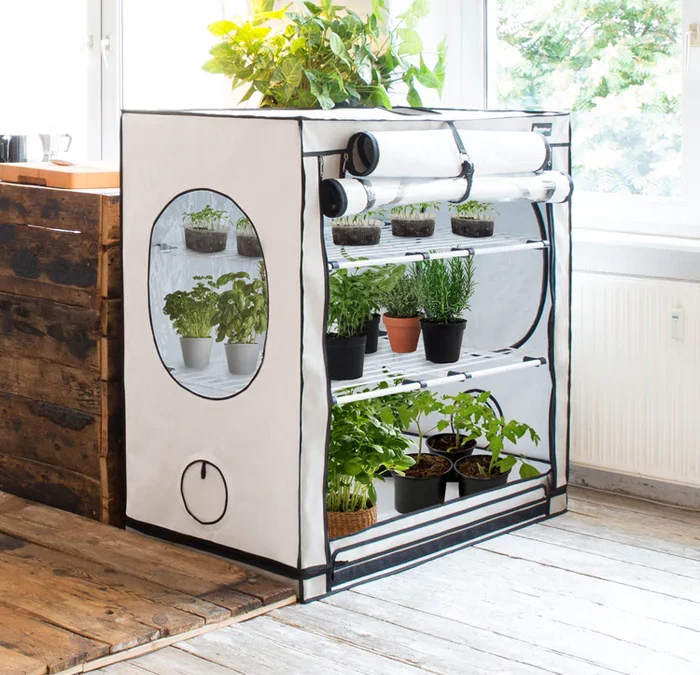
A simple rule: choose the largest footprint that still leaves walking space. Small tents can work, but they’re less forgiving (humidity spikes, heat pockets, cramped access).
Quick sizing cheat sheet
1–3 small houseplants or seed trays: 60 × 60 cm
A fuller mixed shelf of plants: 80 × 80 cm or 100 × 100 cm
Taller plants or a mini indoor “corner garden”: go taller rather than wider
If you want a simple reference for light planning inside a tent, Indoor Plant Grow Light Guide makes it easier to match coverage to the space.
Top picks made simple
If you only buy one…
A small indoor grow tent is the easiest “starter size” for most homes because it’s compact but still workable for airflow and access.
A sturdy indoor grow tent is usually the most painless first upgrade for indoor plants because it gives you a controlled space without taking over the room.
Best for: beginners who want a tidy, contained setup for a few plants.
If you want the easy-mode setup…
Pair the tent with a proper ventilation solution so heat and humidity don’t build up.
An inline duct fan with carbon filter kit helps you keep air moving through the tent, which makes the whole environment more stable (and less “stuffy” for plants).
Best for: anyone growing in a warm room, or keeping multiple plants in one tent.
Airflow inside a grow tent
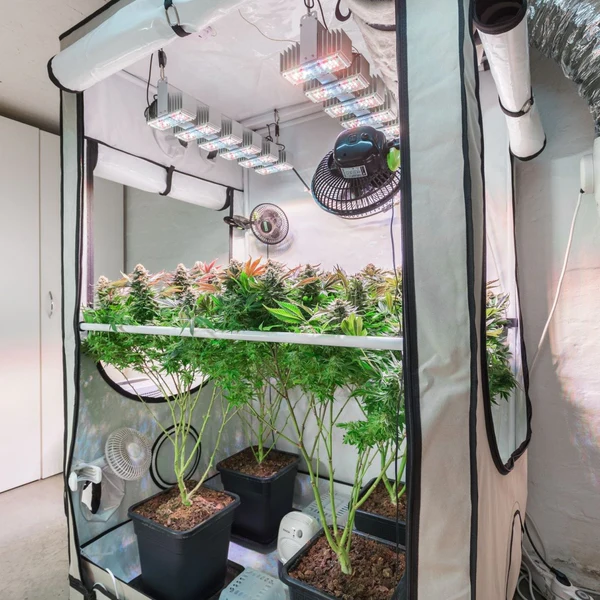
Good airflow is what stops a tent from turning into a damp box. You want:
Air exchange (fresh air in, stale air out)
Gentle circulation inside (so leaves aren’t constantly wet or still)
A simple airflow setup:
exhaust fan pulling air out near the top
passive intake low down (or a small intake fan if needed)
a gentle clip fan inside aimed past plants, not blasting them
If airflow feels confusing, Air Circulation for Indoor Plant Health breaks down what “good airflow” actually means in practical terms.
Iowa State University Extension lists poor air circulation and high humidity as common contributors to issues like powdery mildew on houseplants — which is why airflow is one of the most important grow tent basics to get right.
Managing humidity without creating mould
Grow tents can trap humidity fast — especially if plants are close together or you water heavily.
If humidity is too high
open the tent for a short time after watering
improve airflow and extraction
avoid wet leaves sitting overnight
reduce crowding
If humidity is too low
group plants
reduce how aggressively you exhaust air
use a tray of water outside the pots (don’t let roots sit wet)
For a simple approach to humidity that works in normal homes, Balance Humidity for Indoor Plants fits well with tent growing.
Light placement inside a grow tent
Even a good tent won’t fix weak light unless the light is positioned properly. The most common mistake is hanging the light too far away, then wondering why plants stretch.
A simple way to stay on track:
keep light distance consistent
raise the light gradually as plants grow
watch for stretching (thin, tall growth) and tighten light distance if needed
For a practical placement approach, Grow Light Placement helps you avoid the “too far away” trap.
Long-tail quick answers people search for
Do grow tents work for houseplants?
Yes, especially for light-hungry plants or for keeping conditions stable in winter. The tent doesn’t magically grow plants — it makes light and airflow easier to control.
Can you use a grow tent without a fan?
It’s risky. Without airflow, humidity and heat pockets build up fast, and leaves stay damp longer.
How do you stop a grow tent smelling musty?
Increase extraction, reduce crowding, let plants dry properly between waterings, and clean the tray/base regularly.
What size grow tent is best for a small room?
Usually 60 × 60 cm or 80 × 80 cm, depending on walking space and how many plants you want inside.
Quick care routine that keeps a tent running smoothly
A tent works best when it’s boring and consistent.
A simple weekly rhythm:
wipe spills and check the tray
check leaves for pests or spots
check humidity/temperature at a glance
adjust airflow if the tent feels stuffy
If you want a simple system for staying consistent (instead of reacting when something goes wrong), Indoor Plant Maintenance Routine fits neatly with grow tent care.
Final Thoughts on Best Grow Tents for Indoor Plants
The best grow tents for indoor plants aren’t the ones with the most extras — they’re the ones that make light and airflow easy to control. Go as large as your space allows, plan airflow from day one, and keep the setup consistent. Once the environment is stable, plants become much easier to read and care for.
Related Articles
Make indoor growing easier to manage
Build a Simple Setup That Keeps Plants Steady
A grow tent is most useful when it removes guesswork — stable light, steady airflow, and humidity you can actually control. If you’re building an indoor setup that works all year (without constant tinkering), this page pulls the essentials together.