Root rot can make a houseplant look thirsty even when its compost is wet. Yellow leaves, wilting and slow growth are warning signs, but they do not prove the roots are rotten. Check the compost, pot weight and roots before adding more water.
This guide shows you how to confirm the problem, remove damaged roots, repot safely and adjust your care so the remaining roots can recover.
Quick Answer
If you suspect root rot:
- Stop and check whether the compost is still wet below the surface.
- Slide the plant from its pot and inspect the roots.
- Remove soft, collapsing or foul-smelling roots with clean tools, keeping every firm root you can.
- Repot in fresh, species-appropriate compost in a clean pot with drainage holes.
- Base the next watering on the plant, moisture deeper in the pot and pot weight — not a fixed schedule.
Do This First
Lift the plant from its pot and check the root ball. A wet, heavy pot combined with soft or collapsing roots points towards rot. If the compost is dry and the roots are firm, investigate underwatering, heat, low light or another problem instead.
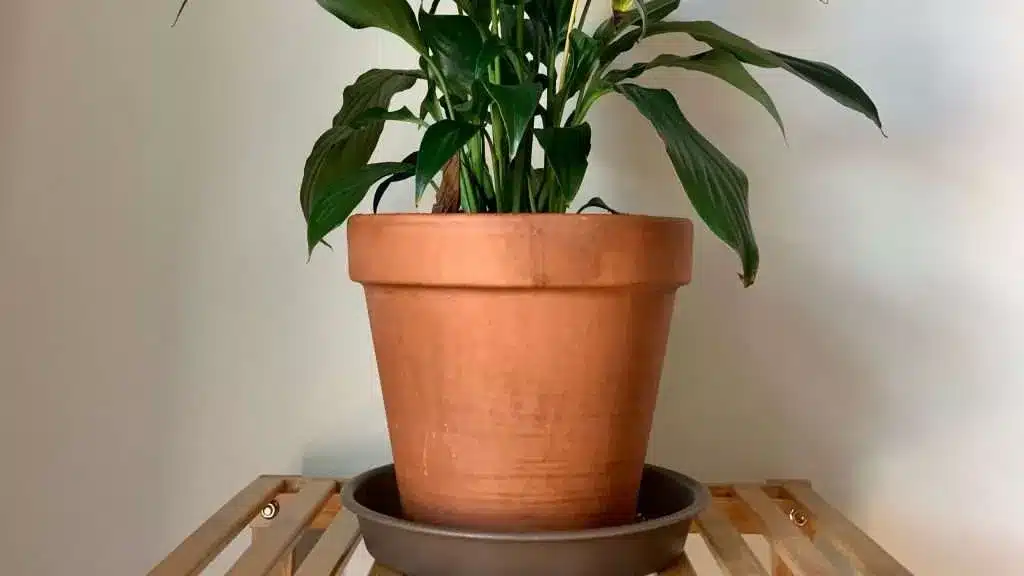
Keep a suspect plant away from other plants while you assess it. Empty any standing water from the saucer or decorative outer pot.
How to Identify Root Rot
Above the compost, possible signs include:
- yellowing or dropping leaves;
- wilting despite damp compost;
- slow or stalled growth;
- a soft or darkened stem base;
- compost that stays wet for much longer than usual; and
- a sour or stale smell from the pot.
These symptoms overlap with several other problems. The most useful check is below the surface. The RHS advises checking the roots when overwatering is suspected.
If the compost smells unpleasant but the roots remain firm, use Why Indoor Plant Soil Smells Bad to check for stagnant compost, trapped water and other causes.
Root Rot vs Other Problems
Root rot or underwatering?
Do not use wilt alone to decide.
Root rot is more likely when the pot feels heavy, the compost is wet below the surface and roots are soft or breaking down. Underwatering is more likely when the pot feels unusually light, the compost is dry through much of the root ball and the roots remain firm.
A very dry root ball can shrink away from the pot and allow water to run down the sides without wetting the centre. Check the middle of the root ball before concluding that a recently watered plant has root rot.
Root rot or normal leaf loss?
One ageing lower leaf is not enough to diagnose rot. Concern is more justified when several leaves decline while the compost remains wet, or when the stem base and roots are also soft.
Root rot or low light?
Low light slows water use, so compost stays wet longer. It can therefore mimic a watering problem and also contribute to one. If the roots are firm, improve the light appropriately for the species and reassess rather than cutting healthy roots.
For a wider symptom check, see Common Indoor Plant Problems.
What Healthy vs Rotten Roots Look Like
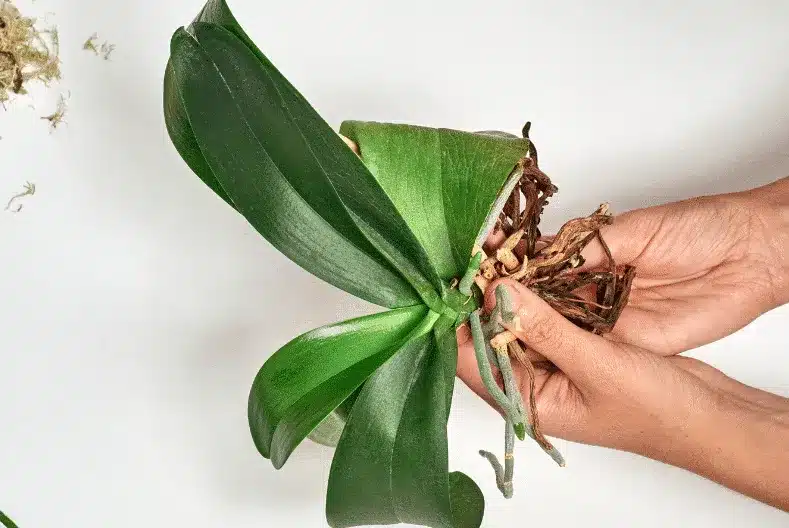
Healthy roots are firm and hold together when handled. They may be white, cream, tan or naturally darker depending on the species and compost, so colour alone is not decisive.
Rotten roots are typically soft, mushy, hollow or easily stripped from their inner core. They may be brown or black and can smell sour. Look for a combination of texture, structural collapse, smell and persistently wet compost.

What Causes Root Rot
Root and crown rots can involve several organisms, but the practical risk often begins with a stressed root zone. Compost that remains saturated has fewer air spaces, roots become damaged and disease can take hold.
Common contributors are:
- watering again while the root ball is still wet;
- a pot without effective drainage holes;
- water left in a saucer or cachepot;
- dense, collapsed or unsuitable compost;
- a pot much larger than the root system;
- low light or cool conditions that slow water use;
- damaged roots; and
- using contaminated compost, pots or tools.
Indoor Plant Watering Mistakes explains why watering by the calendar and checking only the surface can be misleading.
How to Treat Root Rot
1. Prepare a clean work area
Use clean scissors or secateurs, fresh compost and a clean pot. Keep discarded compost and rotten roots away from healthy plants. Clean and disinfect the cutting tool before and after use.
2. Remove the plant and expose the roots
Ease the plant out without pulling on its stems. Gently remove enough compost to see and feel the root system. Rinsing may help when wet compost hides the roots, but avoid rough handling of the healthy tissue.
3. Cut away confirmed rot
Remove roots that are soft, collapsing or clearly rotten, cutting back to firm tissue. Keep as many firm roots as possible. Do not remove a root solely because it is brown.
Also remove dead leaves or stems that are already decaying. Do not carry out extra cosmetic pruning while the plant is stressed.
4. Decide whether the plant is still viable
If firm roots and a firm crown remain, repotting is reasonable. If almost the entire root system and crown are soft, blackened or collapsing, the original plant may not be salvageable. A healthy cutting can sometimes save the plant, but only if that species reliably propagates from the part available.
5. Repot in clean, suitable compost
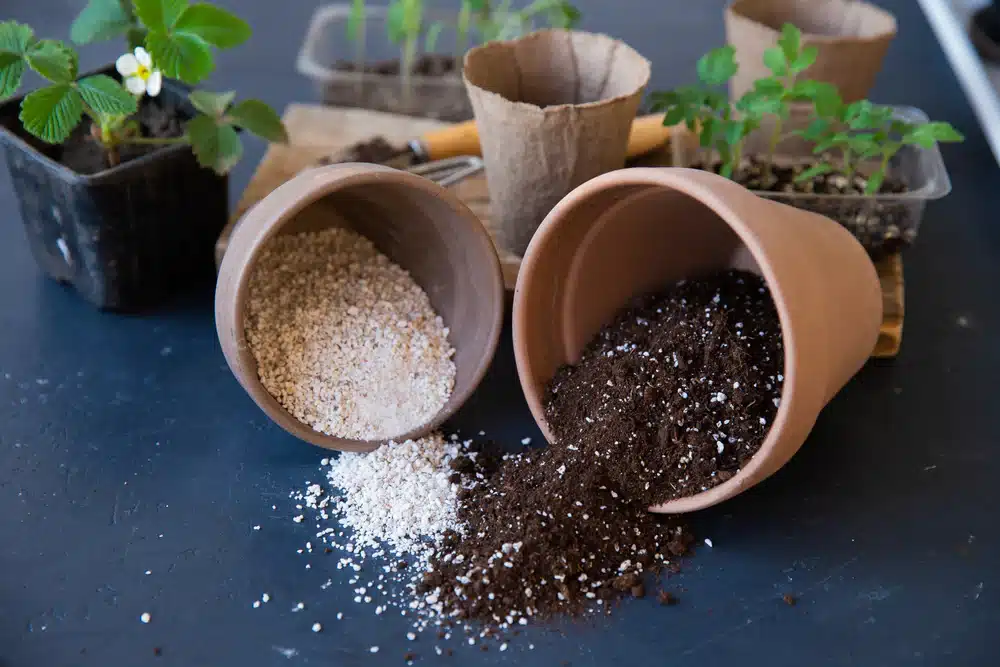
Choose fresh peat-free compost appropriate to the plant. It should balance moisture retention with enough air space for that species; there is no single mix for every houseplant.
Use a clean container with unobstructed drainage holes. After major root loss, a smaller pot may be safer than returning the plant to a large volume of compost. It should accommodate the remaining roots without crushing them, but should not leave a wide mass of unused wet compost.
An optional clear nursery pot with drainage holes can make drainage and root condition easier to monitor.
What to Do if Only Some Roots Are Healthy
A reduced root system cannot support the same amount of wet compost or top growth as before.
- Keep every firm root.
- Use a pot sized to the roots that remain.
- Remove only leaves or stems that are already dead or collapsing.
- Give the plant suitable bright, indirect light unless its species needs different conditions.
- Keep it away from cold draughts and direct heat.
- Do not fertilise while it is root-stressed; wait for stable, healthy new growth.
If the plant continues to collapse despite the repair, How to Revive a Dying Houseplant can help you assess whether another stress is involved.
What if the Crown or Stem Is Rotting?
A soft, dark or water-soaked crown or stem base is more serious because rot has moved beyond fine roots.
Cut only if you can reach firm, clean tissue and the plant can recover or propagate from the healthy section. Check the propagation method for the species: some houseplants root from stem cuttings, some from leaves or divisions, and others will not regrow from the material left.
If the crown is rotten throughout, or the remaining stem continues to darken and soften, discard the affected plant and compost. Clean the pot before reusing it.
Repotting After Root Rot
Do not add gravel or stones beneath the compost as a substitute for drainage holes. Use the right compost structure throughout the root zone and let surplus water leave the pot.
For plants that need more aeration, an appropriate amendment such as perlite for houseplant compost may help create air spaces. The amount depends on the plant and the base compost. See Improve Indoor Plant Drainage for the underlying principles.
Watering After Recovery
There is no safe universal timetable. A recently repaired plant may use water slowly because it has fewer functioning roots.
Before watering again:
- feel the compost below the surface at a depth appropriate to the pot;
- compare the pot’s weight with its weight after watering and draining;
- consider the plant species, pot size, light, temperature and season; and
- check that the drainage hole is clear and the outer pot is empty.
When the plant actually needs water, moisten the root zone evenly and let excess drain. Do not leave it standing in water. If the compost is still damp and the pot still feels heavy, wait and check again rather than adding a small top-up.
Recovery is shown by stable leaves and healthy new root or shoot growth. That may take weeks or longer depending on the species, severity, season and conditions, so do not use a fixed deadline as a reason to water or feed more.
How to Prevent Root Rot
- Learn how the plant’s pot feels when recently watered and when approaching dry.
- Check moisture below the surface rather than following a calendar.
- Use a pot with drainage holes and empty the saucer or cachepot after watering.
- Match the compost to the species.
- Avoid moving a small root system into an unnecessarily large pot.
- Give the plant suitable light so it can use water normally.
- Reduce watering frequency when lower light or cooler conditions slow growth.
- Replace badly collapsed compost and inspect congested roots when drainage worsens.
- Clean pots and tools before using them for another plant.
FAQs
Can I save a plant if most roots are rotten?
Sometimes, if a firm crown and some viable roots remain. Remove confirmed rot and repot according to the remaining root system. If no viable roots remain, check whether the species can be propagated from a healthy stem, leaf or division.
Can root rot recover without repotting?
If the roots are firm and the problem is wet compost rather than established rot, correcting drainage and watering may be enough. Once roots are soft and breaking down, removing the damaged tissue and contaminated compost gives you a clearer, safer reset.
Should I use hydrogen peroxide for root rot?
It is not necessary as a routine first step. Start with a correct diagnosis, removal of rotten tissue, clean tools and pot, fresh suitable compost, effective drainage and better watering decisions. Avoid improvised chemical treatments that could further stress the remaining roots.
How long does recovery take?
There is no reliable universal period. A lightly affected, actively growing plant may stabilise sooner than a severely damaged or slow-growing plant. Watch for firm new roots or healthy new shoots rather than expecting recovery by a particular week.
Can I reuse the old compost?
Do not reuse compost removed from a plant with confirmed root or crown rot. Bag and discard it so it is not mixed into another houseplant pot.
Final Thoughts
The decisive step is to inspect the roots rather than reacting to wilt with more water. Keep firm tissue, remove confirmed rot, repot into a clean and appropriately sized setup, then let the plant’s condition guide watering.
Correcting the reason the root zone stayed wet — drainage, pot size, compost, light or watering habits — matters as much as trimming the damaged roots.
Related Articles
MAKE PLANT CARE FEEL EASIER
Set Up a Healthier Indoor Routine
Root rot is usually a routine issue, not bad luck — small changes like better drainage, smarter watering habits, and simple tools make problems far less likely to return. If you want to tighten up the basics across all your plants, this guide helps you build a routine that actually works in real homes.