
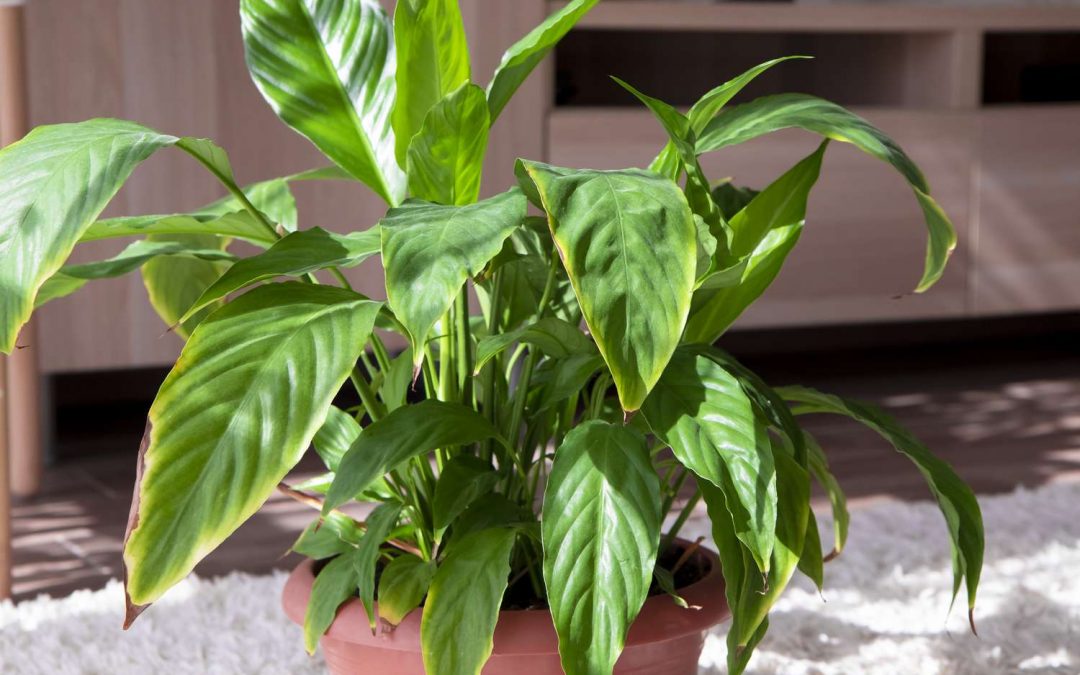
If your plant has suddenly drooped, stopped growing, or looks like it’s on its last legs, don’t panic. This quick routine is designed for those moments when you need to act fast. Revive a houseplant fast by checking just a few key things first (water level, roots, light, and pests) before you start adding feeds or doing anything drastic.
You can also read How to Revive a Dying Houseplant.
Quick answer: how to revive a houseplant fast
If soil is wet + plant is drooping: stop watering, improve airflow, check roots
If soil is bone dry + plant is limp: bottom-water 20–30 minutes, then drain
If leaves are crisp + light is harsh: move to bright indirect light
If you spot pests: isolate and treat before anything else
Do this first: Put the plant somewhere bright (not full sun), then check the soil 5–7 cm down.
Contents
- 0.1 The 10-Minute Houseplant Rescue Checklist
- 0.1.1 1) Check the soil (30 seconds)
- 0.1.2 2) If it’s dry: rehydrate properly (2–3 minutes)
- 0.1.3 3) If it’s wet: stop watering and improve drying (2 minutes)
- 0.1.4 4) Check for pests (2 minutes)
- 0.1.5 5) Look at the light (1 minute)
- 0.1.6 6) Check the pot and drainage (1 minute)
- 0.1.7 7) Remove the worst leaves (optional, 1 minute)
- 0.1.8 8) Decide if it needs repotting (1 minute)
- 0.1.9 9) Don’t fertilise yet (30 seconds)
- 0.1.10 10) Set a 7-day “recovery routine” (1 minute)
- 0.2 Fast Symptoms to Causes (So You Don’t Guess)
- 0.3 FAQs About Reviving a Houseplant Fast
- 0.4 Final Thoughts on Revive a Houseplant Fast
- 0.5 Related Articles
- 1 Make Plant Recovery Much Easier
The 10-Minute Houseplant Rescue Checklist
1) Check the soil (30 seconds)
Push a finger 5–7 cm into the compost.
Wet at that depth: treat it like overwatering (skip to step 3)
Dry at that depth: treat it like underwatering (skip to step 2)
This is the fastest way to avoid making the problem worse.
2) If it’s dry: rehydrate properly (2–3 minutes)
A quick splash on top often runs down the sides and doesn’t reach the roots.
Fast fix
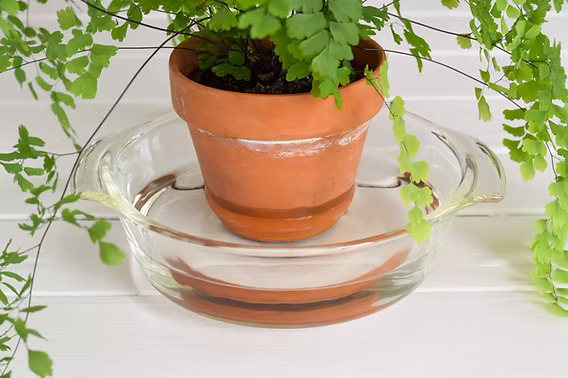
Bottom-water the pot in a bowl/sink for 20–30 minutes
Then lift it out and let it drain fully
If you’re using a saucer, empty it after 10–15 minutes so roots don’t sit in runoff.
3) If it’s wet: stop watering and improve drying (2 minutes)
If the compost is damp and the plant is still drooping, oxygen is the issue — not more water.
Fast fix
Empty any saucer/cachepot water
Move the plant to brighter indirect light
Give it space from other plants for airflow
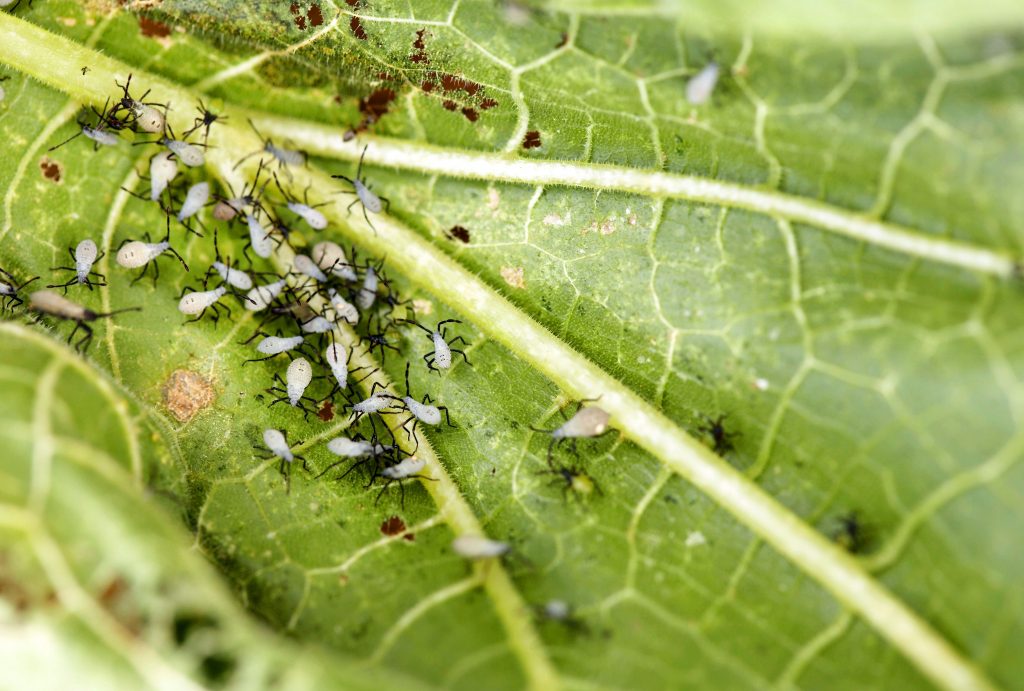
4) Check for pests (2 minutes)
Look closely at:
leaf undersides
stems/joints
the soil surface
Common quick signs:
tiny moving dots + webbing (spider mites)
white fluff at nodes (mealybugs)
brown bumps on stems (scale)
If you see pests, isolate the plant immediately so you don’t spread the problem.
If you need quick ID help, read Indoor Plant Pest Guide.
5) Look at the light (1 minute)
Light problems are sneaky: a plant can look “overwatered” simply because it isn’t using water in low light.
Fast fix
Move to bright, indirect light
Avoid hot midday sun right after a plant is stressed
Rotate the pot so one side doesn’t weaken
If you want the simplest setup for darker UK rooms, a full-spectrum LED grow light can stabilise struggling plants and keep growth steady through winter.
6) Check the pot and drainage (1 minute)
No drainage holes or blocked holes = slow decline.
Fast fix
Make sure the pot has drainage holes
Check water can actually leave the pot
If soil is dense and muddy, plan a repot (step 8)
7) Remove the worst leaves (optional, 1 minute)
If leaves are fully yellow, mushy, or crispy, they’re not coming back.
Fast fix
Snip dead material at the base
Don’t strip more than about 20–30% at once if the plant is weak
This improves airflow and helps the plant focus on new growth.
8) Decide if it needs repotting (1 minute)
Repot if:
the soil smells sour/musty
it stays wet for many days
roots look brown and soft
water runs straight through but the plant still droops (hydrophobic soil)
Fast fix
Refresh the compost
Use a looser mix so roots can breathe
Adding horticultural perlite for houseplants makes compost airier and helps prevent soggy soil issues that stall recovery.
9) Don’t fertilise yet (30 seconds)
Feeding a stressed plant often backfires — especially if roots are damaged.
Fast rule
Wait until you see fresh new growth
Then start with a weak dose
According to University of Minnesota Extension guidance on houseplant watering and root health, roots need oxygen as much as they need moisture, and constantly wet compost can cause rapid decline.
10) Set a 7-day “recovery routine” (1 minute)
This keeps you from over-correcting.
For the next week
Check soil every 2–3 days (don’t auto-water)
Keep in bright indirect light
Maintain stable temperature
Avoid moving it repeatedly
Most houseplants bounce back when conditions stabilise.
Fast Symptoms to Causes (So You Don’t Guess)
Limp leaves + wet soil
Usually overwatering, low light, or early root problems.
Limp leaves + dry soil
Underwatering or hydrophobic compost (water running down the sides).
Yellow leaves + slow decline
Too much water, low light, or nutrient imbalance (feed later, not now).
Crispy brown edges
Dry air, inconsistent watering, or too much direct sun.
FAQs About Reviving a Houseplant Fast
How long does it take to recover?
Small improvements can show in a few days, but full recovery often takes 2–6 weeks depending on damage and season.
Should I cut everything back?
Only remove clearly dead growth. If you cut too much at once, the plant can struggle to photosynthesise.
Is misting a good rescue trick?
Not really for most plants. It can add humidity for a short time, but it doesn’t fix root problems or watering issues.
When can I fertilise again?
When you see new growth and the plant is drinking normally again — usually 2–4 weeks after stabilising care.
Final Thoughts on Revive a Houseplant Fast
If you only do one thing, stop guessing and check the soil depth first — that single step prevents most “rescue mistakes”. From there, focus on airflow, proper drainage, and stable bright light. Once the plant is steady again, you can fine-tune feeding and long-term placement.
Related Articles
UPGRADE YOUR INDOOR PLANT RESCUE SETUP
Make Plant Recovery Much Easier
Once you’ve saved a struggling plant, the next step is preventing the same crash happening again. A few simple tools and habits make watering, light, and pest checks quicker — which means healthier plants with far less guesswork.