
When a plant starts looking “done for”, the instinct is to water more or add feed — but that’s often the quickest way to finish it off. To revive a dying houseplant, you need to diagnose the cause first, then fix the right thing in the right order.
If you suspect the problem is below the soil line, you can also read Root Rot Houseplants.
Quick answer: revive a dying houseplant (do this in order)
Check the soil 5–7 cm down before you water again
Move it to bright, indirect light (no harsh sun)
Remove dead leaves and inspect for pests under leaves
If soil is soggy or smells bad, check roots and repot
Only feed once you see new growth again
Do this first: Stop watering until you’ve checked the soil properly — most “dying” houseplants are either too wet or root-stressed, not thirsty.
Contents
- 0.1 Revive a Dying Houseplant: Work Out What’s Actually Wrong
- 0.2 Step 1: Fix Watering First (Because It Causes Most ‘Dying’ Symptoms)
- 0.3 Step 2: Move It to Recovery Light (Bright, Indirect)
- 0.4 Step 3: Check for Pests (They Can Finish Off a Weak Plant)
- 0.5 Step 4: Inspect the Roots (This Is Where Most ‘Rescues’ Are Won)
- 0.6 Step 5: Repot Only When It’s the Right Fix
- 0.7 Step 6: Prune Smart (Don’t Strip the Plant Bare)
- 0.8 Step 7: Hold Off Fertiliser Until You See New Growth
- 0.9 FAQs About Reviving a Dying Houseplant
- 0.10 Final Thoughts on Reviving a Dying Houseplant
- 0.11 Related Articles
- 1 Set Up a Simple Rescue Routine
Revive a Dying Houseplant: Work Out What’s Actually Wrong
A dying plant usually shows one or more of these:
Drooping (even after watering)
Yellowing leaves spreading quickly
Mushy stems near the base
Soil staying wet for days
Lots of leaf drop
The “fix” depends on the cause. Use this simple split:
If the soil is wet or heavy
Think: overwatering, poor drainage, or root rot.
If the soil is bone dry and shrinking from the pot
Think: underwatering or water-repellent compost.
If soil is fine, but growth looks weak
Think: low light, pests, or root-bound stress.
Step 1: Fix Watering First (Because It Causes Most ‘Dying’ Symptoms)
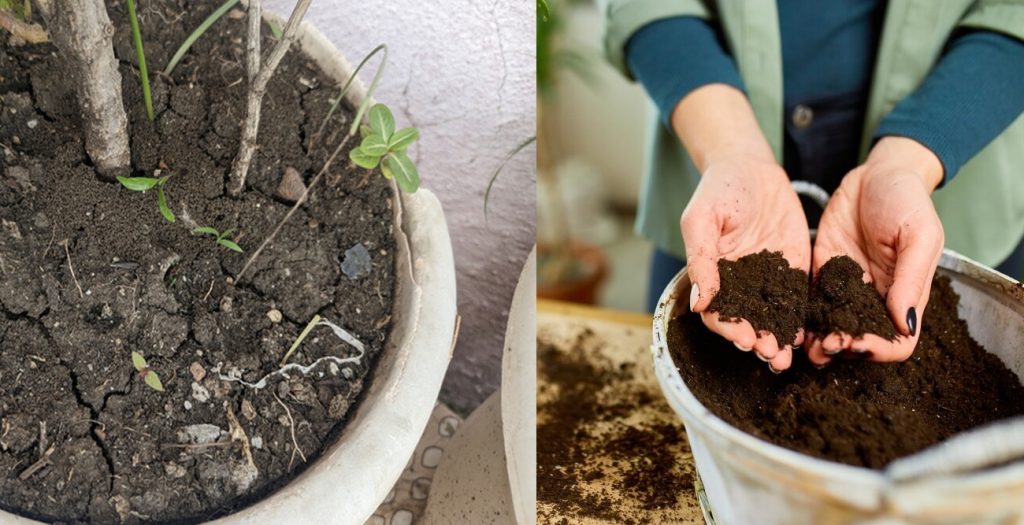
If the soil is soggy
What to do today
Empty any outer pot/cachepot and saucer water
Move the plant to a warmer spot with bright, indirect light
Don’t water again until the top layer dries and the pot feels lighter
Fast clue: if the pot feels heavy and cold, roots are likely struggling.
If the soil is very dry
What to do today
Water slowly until it runs through the drainage holes
Let it drain fully (no standing water)
Check again tomorrow — very dry compost sometimes needs a second thorough soak
Avoid this: small splashes every day. It often wets the top but leaves the root ball dry.
If you keep repeating the same watering mistakes, it’s worth reading Indoor Plant Watering Mistakes.
Step 2: Move It to Recovery Light (Bright, Indirect)
Light is the plant’s “energy budget” for recovery. A dying plant usually does best in bright, indirect light — close to a window, but not baking in midday sun.
Signs it needs more light
long, stretched stems (leggy)
tiny new leaves
slow growth even when watered correctly
Signs it’s getting scorched
crispy patches on leaves that face the window
bleaching or pale areas that appear quickly
Quick rule: if it’s been in shade, increase light gradually over 3–7 days.
Step 3: Check for Pests (They Can Finish Off a Weak Plant)
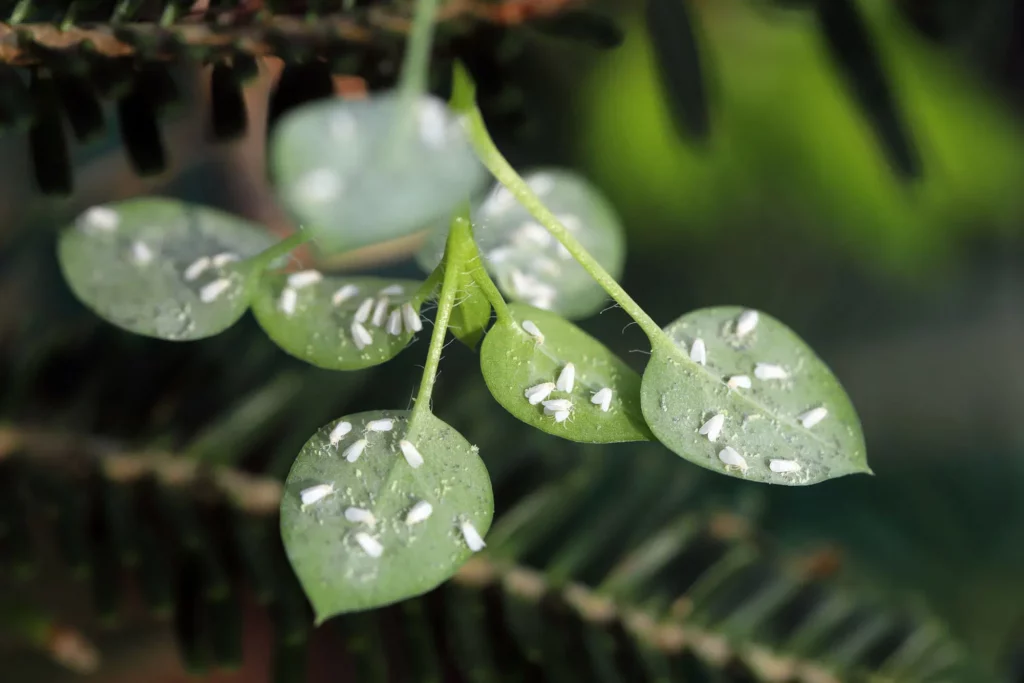
When a plant is already stressed, pests hit harder. Check:
undersides of leaves
leaf joints and stems
new growth (pests love soft tissue)
What you might see
fine webbing + speckled leaves (spider mites)
cottony clumps (mealybugs)
brown bumps on stems (scale)
silvery streaks (thrips)
A beginner-friendly option is insecticidal soap spray for houseplants for many common sap-suckers (used consistently).
Step 4: Inspect the Roots (This Is Where Most ‘Rescues’ Are Won)
If your plant still looks awful after fixing watering + light, slide it out and look at the roots.
Healthy roots look like
firm
light-coloured (white/tan)
earthy smell
Rotting roots look like
brown/black
mushy or slimy
bad smell
If you find rot:
- Trim away mushy roots
- Remove the wettest old compost
- Repot into fresh, airy mix
- Water lightly once, then let it dry slightly between checks
A free-draining indoor potting mix makes a big difference during recovery because roots aren’t sitting wet for days.
Step 5: Repot Only When It’s the Right Fix
Repotting helps when:
soil stays wet for ages
roots are circling tightly (root-bound)
the compost has compacted and drains poorly
you’ve confirmed rot and need fresh mix
Repotting doesn’t help if:
the plant is just thirsty
it’s only a light issue
it’s stressed but roots look healthy and the soil drains well
If you’re not sure whether it needs a bigger pot, see Signs Indoor Plant Needs Repotting.
Step 6: Prune Smart (Don’t Strip the Plant Bare)
A dying plant still needs leaves to recover — they’re how it makes energy.
Do remove
fully dead leaves
mushy stems
heavily infested growth
Don’t remove
lots of healthy green leaves “for tidiness”
more than about a third at once (unless rot is spreading)
For cleaner trims (especially on soft stems), small plant pruning snips reduce tearing and damage.
Step 7: Hold Off Fertiliser Until You See New Growth
Fertiliser is not first aid. Feeding stressed roots can make things worse.
Feed only when
you see new growth starting again, and
the plant is in its active growing phase
According to Royal Horticultural Society advice on houseplant care, improving basics like watering and light comes before adding feed.
FAQs About Reviving a Dying Houseplant
How long does it take to revive a dying houseplant?
If roots are healthy, you may see improvement in 7–14 days. After rot/repotting, expect a few weeks before strong new growth.
Should I water more if it’s drooping?
Not until you check the soil deeper down. Drooping with wet soil usually means roots can’t take up water properly.
Can I cut off all the yellow leaves?
Remove fully yellow leaves that come away easily, but keep healthy leaves so the plant can recover.
Why does my plant look worse after watering?
If roots were already stressed, extra water reduces oxygen further. Pause watering and check drainage/root health.
Do I need to repot straight away?
Only if soil is staying wet, smells sour, or roots are clearly cramped/rotting. Otherwise stabilise first.
Final Thoughts on Reviving a Dying Houseplant
To revive a dying houseplant, focus on the basics in the right order: soil check first, then light, then pests, then roots. Most plants recover once conditions stop swinging between extremes.
If you only do one thing today, stop “panic watering” and diagnose properly — that single change saves more houseplants than any product.
Related Articles
MAKE PLANT RECOVERY FEEL EASIER
Set Up a Simple Rescue Routine
Reviving a struggling plant is much easier when you can check soil properly, trim damaged growth cleanly, and improve drainage without guesswork. A simple tool setup helps you act quickly and keep plants healthier long-term.