Contents
- 1 Prevent Root-Bound Plants Indoors: Simple Habits That Stop It Happening
- 1.1 What “root bound” actually means (and why it happens indoors)
- 1.2 Choose the right pot size (the easiest prevention win)
- 1.3 Spot the early signs before the plant struggles
- 1.4 How often to check pots (a simple indoor routine)
- 1.5 Repotting habits that prevent roots circling
- 1.6 Temporary fixes if you can’t repot yet (quick and safe)
- 1.7 Long-tail quick fixes
- 1.8 Helpful products that make prevention easier
- 1.9 FAQs About Preventing Root-Bound Plants Indoors
- 1.10 Final Thoughts on Preventing Root-Bound Plants Indoors
- 1.11 Related Articles
- 2 Keep Pots the Right Size Before Problems Start
Prevent Root-Bound Plants Indoors: Simple Habits That Stop It Happening
To prevent root-bound plants indoors, you mainly need to get two things right: pot sizing and repot timing. Do those well and you’ll avoid the classic cycle of fast-drying pots, droopy leaves, and stalled growth.
If you’re not sure whether your plant is already cramped, Signs Your Indoor Plant Needs Repotting helps you check in minutes.
Quick answer: prevent root-bound plants indoors
Don’t “pot up” too big — go one size up at a time
Repot when roots circle the bottom or the pot dries way too fast
Use a free-draining mix so roots get air, not soggy compost
Loosen circling roots during repotting (gentle tease = big difference)
Build a simple check routine so you catch tight pots early
Do this first: Lift the inner pot (or tip the plant out slightly) and check the bottom — if roots are circling like noodles, it’s time to act.
What “root bound” actually means (and why it happens indoors)
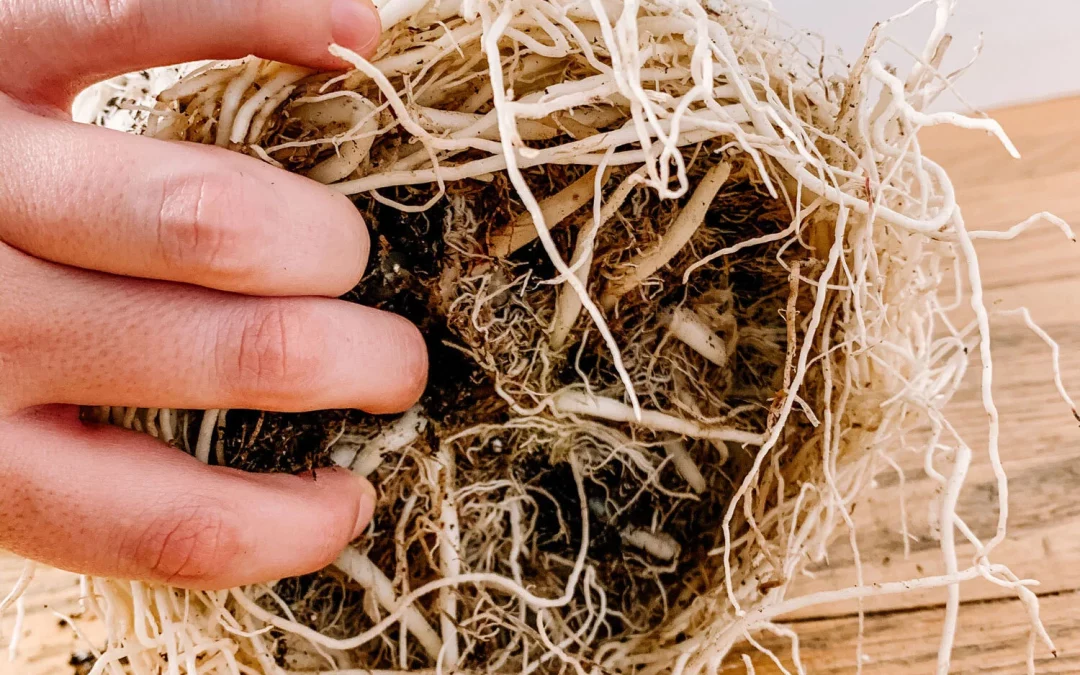
A plant becomes root bound when roots fill most of the pot and start circling the edges. Indoors, this happens faster than people expect because pots are often small, light is steady, and watering encourages roots to search for moisture.
What you’ll notice first is usually watering behaviour (drying out quickly), not obvious root problems.
Choose the right pot size (the easiest prevention win)
Pot sizing is the most common reason indoor plants become root bound — either the pot stays too small too long, or you jump up too big and create soggy compost issues.
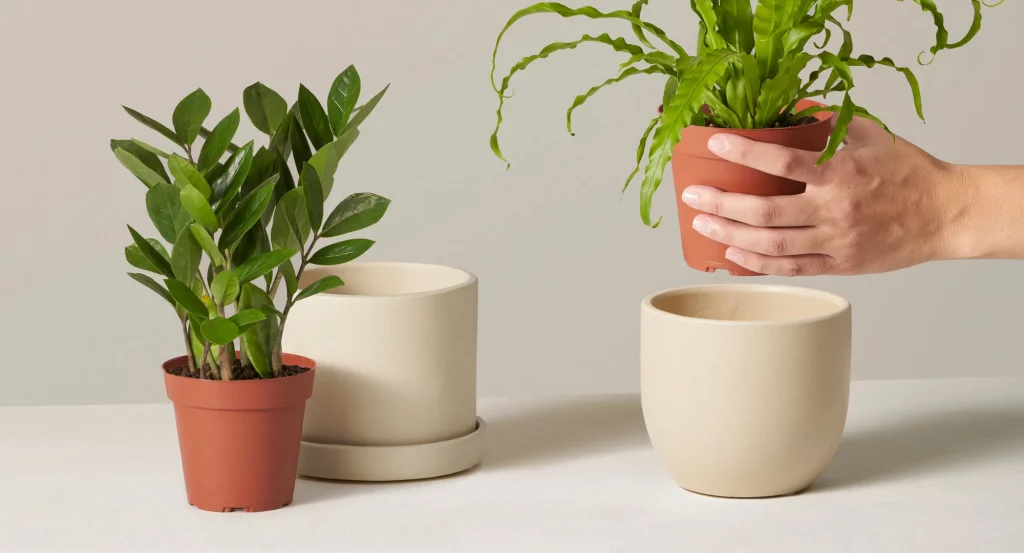
A simple rule: move up one pot size, not three.
Use this as a guide:
10–12cm pot → move to 12–15cm
15cm pot → move to 17–20cm
20cm pot → move to 22–25cm
Why not go huge? Because excess empty soil stays wet longer, which can trigger root stress. If you’ve ever had compost stay damp for days, Improve Indoor Plant Drainage is a useful supporting read.
Spot the early signs before the plant struggles
You don’t need to wait until roots form a solid pot-shaped brick. Catching it early keeps growth steady and reduces stress.
Early signs include:
Compost dries much faster than it used to
The plant droops quickly after watering, then perks up again
Water runs straight through (roots take up most of the space)
Roots show from drainage holes
Growth slows even though light and feeding haven’t changed
How often to check pots (a simple indoor routine)
Most people miss the “root-bound stage” because they only notice when leaves look bad. A quick routine stops that.
A practical check schedule:
Fast growers (pothos, tradescantia, spider plants): every 8–12 weeks
Average houseplants: every 3–4 months
Slow growers (succulents, ZZ plants): every 6 months
If you like the idea of a repeatable routine (so you actually remember), your Indoor Plant Maintenance Routine ties in naturally.
Repotting habits that prevent roots circling
Repotting isn’t just “bigger pot, new soil”. The small habits matter.
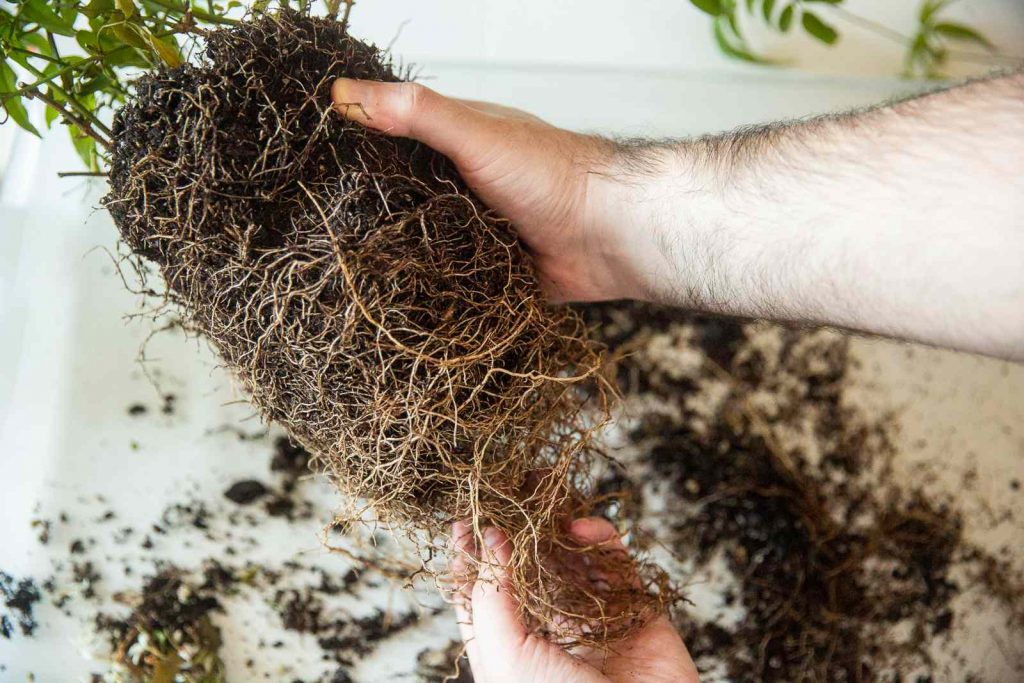
Tease roots gently (don’t just drop the old root ball in)
Before placing the plant into new compost:
Loosen the outer roots with your fingers
Break up tight circling roots at the bottom
Remove any dead, mushy roots (if present)
For a plant-safe approach, University of Maryland Extension’s advice on grooming indoor plants reinforces using sharp tools and making clean cuts rather than tearing stems or roots when you’re tidying a plant during repotting.
Make the compost airy
A lighter mix helps roots spread and prevents compacted “root bricks” forming again.
If you’re unsure how to keep feeding simple after repotting (so you don’t force weak growth), Liquid Fertilizer makes the basics clearer.
Temporary fixes if you can’t repot yet (quick and safe)
Sometimes you notice the issue at the worst time (busy week, no compost in, winter slowdown). You can still reduce stress.
Try these:
Water a little more frequently (smaller amounts, more often)
Move to brighter light (faster drying, stronger growth)
Flush the pot once to clear salts (then allow drying)
Top-dress with a small layer of fresh compost (short-term help)
If your plant is drooping even though you’re watering, it may already be struggling — How to Revive a Dying Houseplant is a useful troubleshooting checklist before things slide.
Long-tail quick fixes
Why do root-bound plants dry out so fast?
When roots take up most of the pot, there’s less compost to hold moisture. Water runs through quickly and the plant swings from soaked to dry.
Can root-bound plants cause yellow leaves?
Yes — often from stress and inconsistent moisture. The roots can’t absorb water evenly, and the plant can’t support new growth properly.
How to stop roots circling the pot
Use the “one size up” rule, tease the outer root layer during repotting, and avoid leaving plants in the same tight pot for too long.
What to do if roots are growing out of the drainage holes
That’s a strong sign the plant wants more space. Repot when you can — in the meantime, trim only the very worst protruding strands and keep moisture steady.
Helpful products that make prevention easier
You don’t need extra gear, but two small things make pot checks and repotting cleaner.
A simple nursery pot set with drainage holes is handy for potting up “one size at a time” without guessing pot sizes.
If you do need to trim a few tough circling roots, root pruning scissors make cleaner cuts than tearing.
FAQs About Preventing Root-Bound Plants Indoors
Is being root bound always bad?
Not always — some plants tolerate tight pots. But indoors it often leads to fast drying, stalled growth, and stress swings, so prevention helps.
Should I repot in winter?
If the plant is severely tight and suffering, repotting can still be worth it indoors. Otherwise, wait for brighter growth periods when possible.
How do I know I’m potting up too big?
If the pot stays wet for days and growth slows, you’ve likely gone too big. Go “one size up” next time.
Can I just top up compost instead of repotting?
Top-dressing helps short-term, but it won’t fix severe root circling. It’s a good temporary option until you can repot.
Final Thoughts on Preventing Root-Bound Plants Indoors
If you prevent root-bound plants indoors early, everything gets easier — watering becomes more stable, growth stays steady, and you’re not constantly reacting to droops and yellowing. Check pots on a simple schedule, pot up one size at a time, and loosen circling roots during repotting. Small habits here make a big difference.
Related Articles
Make repotting feel simple, not stressful
Keep Pots the Right Size Before Problems Start
Preventing root-bound plants indoors is mostly a rhythm: quick checks, one-size pot upgrades, and an airy mix that dries at a sensible pace. Once you follow a repeatable routine, most “mystery drooping” problems disappear.