
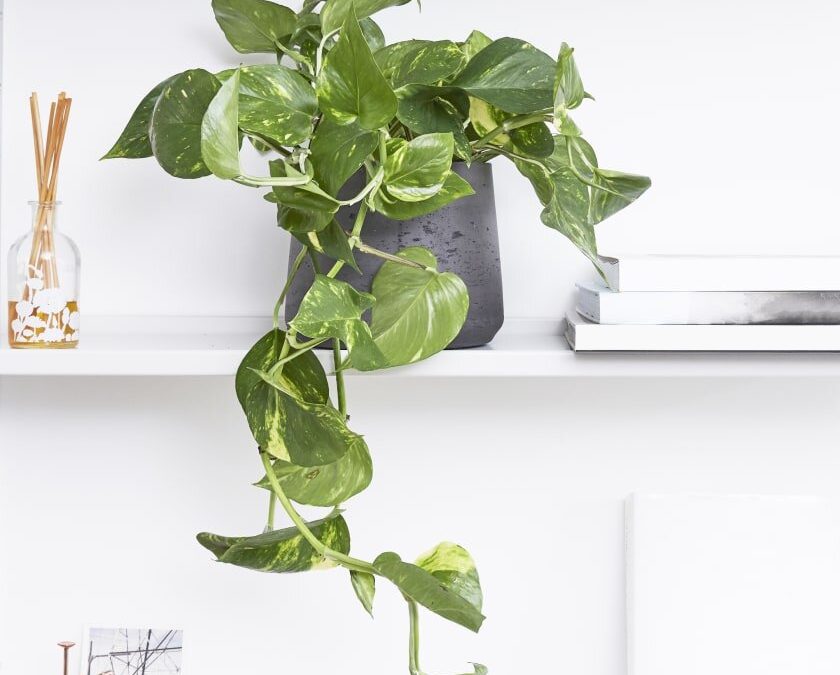
Pothos care indoors is popular for one reason: it’s forgiving. But if yours is getting leggy, dropping leaves, or looking pale, it’s usually not “bad luck” — it’s a quick tweak to light, watering, or pruning.
Contents
- 0.1 What “good light” looks like for pothos indoors
- 0.2 Watering pothos indoors without overdoing it
- 0.3 Top picks made simple (so you don’t overthink it)
- 0.4 How to make pothos bushier (not long and bare)
- 0.5 How to propagate pothos in water (fast and beginner-friendly)
- 0.6 Feeding pothos indoors without burning it
- 0.7 Common pothos problems (fast fixes)
- 0.8 FAQs About Pothos Care Indoors
- 0.9 Final Thoughts on Pothos Care Indoors
- 0.10 Related Articles
- 1 Make Houseplant Care Feel Effortless
Quick answer: pothos care indoors
Bright, indirect light = fuller growth (low light = slower, leggier vines).
Water when the top few centimetres feel dry; don’t leave it sitting in water.
Trim long vines to encourage bushier growth, then propagate the cuttings.
Dusty leaves = slower growth; wipe them occasionally.
Feed lightly in active growth, not heavily year-round.
Do this first: Move your pothos to bright indirect light for 2 weeks and water only when the top layer dries — most “mystery problems” calm down fast.
If you want the fastest way to tell whether you’re dealing with pests (instead of light/watering stress), Indoor Plant Pest Guide: Identify and Treat Pests Fast is a good cross-check.
What “good light” looks like for pothos indoors
Pothos will survive in low light, but it won’t look its best. In brighter indirect light you’ll usually see:
shorter gaps between leaves (less “stringy”)
bigger leaves
stronger colour/variegation
Good spots: near a bright window but not in harsh midday sun (think “bright room”, not “sunbeam on leaves”).
If you’re unsure what “ideal conditions” look like, Clemson Extension’s pothos care guidance notes that pothos prefers bright, indirect light and highlights common indoor issues like legginess and leaf problems when conditions are off.
Watering pothos indoors without overdoing it
Most pothos problems come from watering habits that don’t match indoor conditions.
A simple approach that works:
Water thoroughly, then let it dry slightly before the next watering.
Empty the saucer/cachepot if water collects (pothos hates “wet feet”).
In low light or winter, it’ll dry slower — so you water less.
Quick test: if the pot feels heavy and cool and the top compost is still damp, wait.
If compost stays wet for ages, improving drainage usually fixes it faster than “watering less forever”.
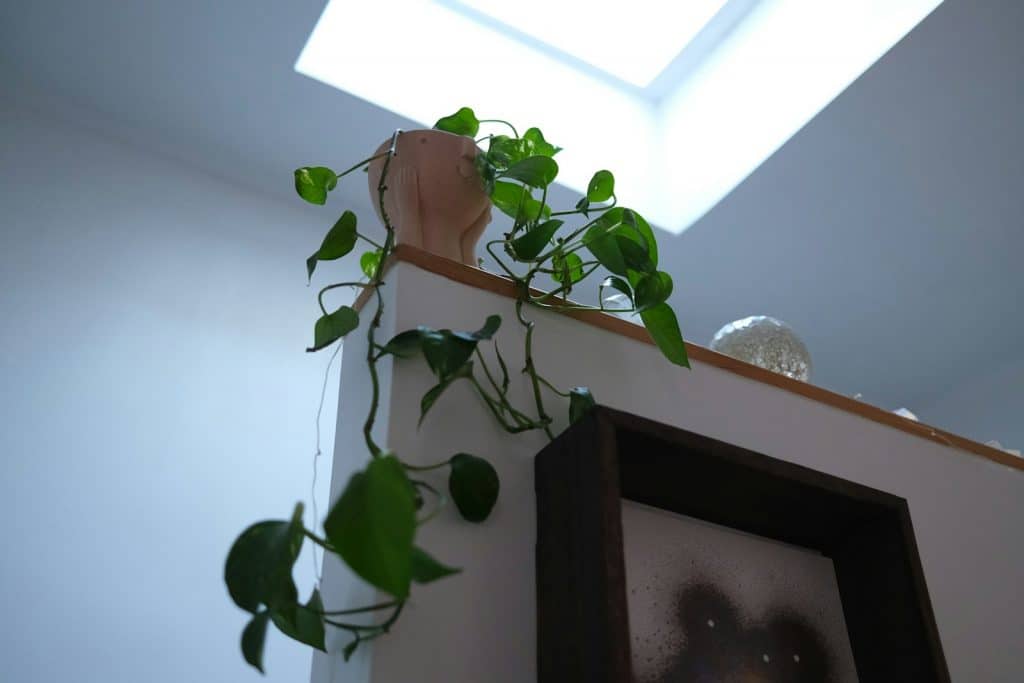
A hanging planter with drainage holes and saucer makes pothos care indoors easier because excess water can actually leave the pot.
Top picks made simple (so you don’t overthink it)
If this is a buyer-intent page for you, here are two “keep it simple” choices that match how pothos actually grows.
If you only buy one…
Best all-rounder: a coir moss pole for indoor plants
Best for: bigger leaves and a tidier, climbing pothos (instead of trailing everywhere).
Pothos can be trained upward, which often encourages sturdier growth and larger leaves over time.
If you want the “easy mode” setup…
Best combo: a hanging planter with drainage + a simple monthly feeding routine
Best for: low-maintenance growth without root stress.
(You’ll see the feeding routine below — it’s intentionally light.)
How to make pothos bushier (not long and bare)
If your pothos has long vines with leaves only at the ends, it’s almost always one of these:
not enough light
not enough pruning
inconsistent watering
What to do:
- Move it to brighter indirect light.
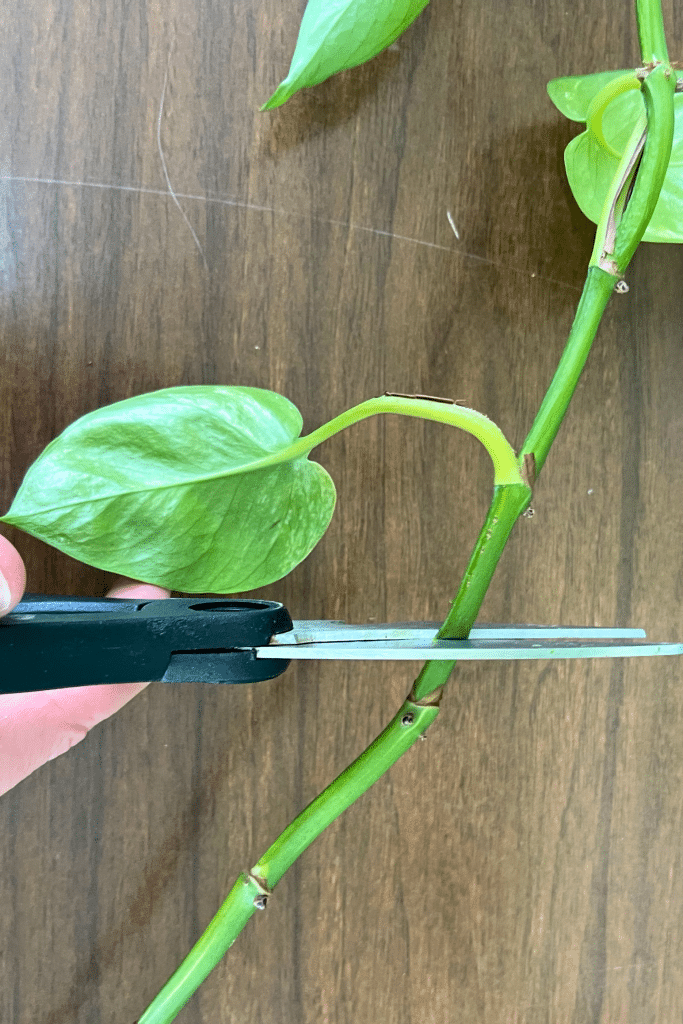
- Trim vines just above a node (the little bump where leaves/roots form).
- Root the cuttings and plant them back into the pot for a fuller look.
- If you want a clear method for cutting without stressing the plant, How to Prune Indoor Plants explains where to cut and why it works.
How to propagate pothos in water (fast and beginner-friendly)
Propagation is one of the easiest wins with pothos.
Simple steps:
Cut below a node (aim for 1–3 leaves per cutting).
Place the node in water (leaves above waterline).
Change water weekly, keep in bright indirect light.
Pot up once roots are a few centimetres long.
If you want a step-by-step that’s purely focused on water propagation, Propagate Houseplants in Water makes a good follow-up.
Feeding pothos indoors without burning it
Pothos doesn’t need heavy feeding, but a small routine can improve colour and growth during active months.
A safe routine:
Feed lightly in spring/summer (about monthly is enough for many homes).
Pause or reduce a lot in winter if growth slows.
Never fertilise dry compost — water first.
A balanced liquid houseplant fertiliser is a simple “one bottle for most plants” option if you want to keep feeding easy.
Common pothos problems (fast fixes)
Yellow leaves
Usually: too much water, low light, or old leaves naturally dropping. Check compost moisture first.
Brown tips
Often: dry spells, inconsistent watering, or salt build-up from overfeeding.
Leggy growth (big gaps between leaves)
Almost always: not enough light + not enough pruning.
Sticky leaves or speckling
Could be pests. Check undersides and stems closely.
FAQs About Pothos Care Indoors
How often should you water pothos indoors?
Water when the top layer dries; the exact timing depends on light and temperature.
Can pothos live in low light?
Yes, but it usually grows slower and leggier. Brighter indirect light gives a fuller look.
Why is my pothos losing leaves?
Often inconsistent watering, low light, or a pot staying wet too long. Check compost and drainage first.
Should you mist pothos?
It’s not required. If you mist, do it lightly and with airflow — wiping leaves often helps more for cleanliness.
Final Thoughts on Pothos Care Indoors
Pothos is forgiving, but it still responds fast to the big three: better light, smarter watering, and regular trimming. If you do one thing this week, move it to brighter indirect light and trim back a leggy vine — you’ll usually see a noticeable improvement within a couple of weeks.
Related Articles
Keep pothos healthy without overthinking it
Make Houseplant Care Feel Effortless
Pothos thrives when the basics are steady: bright light, sensible watering, and the occasional tidy-up trim. If you want a simple structure that stops small problems turning into “why is my plant dying?” moments, this next page keeps everything practical and repeatable.