Contents
- 1 Peach Tree Diseases: How to Spot, Treat and Prevent Problems
- 1.1 Why Peach Trees Get Sick (Especially in Small Spaces)
- 1.2 Peach Leaf Curl
- 1.3 Brown Rot
- 1.4 Peach Scab
- 1.5 Bacterial Leaf Spot and Cankers
- 1.6 Other Common Issues: Powdery Mildew and Root Problems
- 1.7 Step-by-Step: What To Do When You Notice Peach Tree Diseases
- 1.8 How to Prevent Peach Tree Diseases Long-Term
- 1.9 FAQs About Peach Tree Diseases
- 1.10 Protect Your Peach Tree with Simple Care Tools
- 1.11 Final Thoughts on Peach Tree Diseases
- 1.12 Related Articles
- 2 Essential Indoor Gardening Tools & Tips
Peach Tree Diseases: How to Spot, Treat and Prevent Problems
When you’ve put time into training a peach tree in a pot or small garden, it’s horrible to see leaves curling, fruit rotting or branches dying back. The good news is that most peach tree diseases can be recognised quickly and managed with a few simple changes to care.
If you enjoy growing other fruit trees in containers, you might also like Best Way of Growing Lime Trees Indoors.
Why Peach Trees Get Sick (Especially in Small Spaces)
Peach trees are naturally a little fussy. On patios, balconies and in tiny gardens, a few common issues often combine to cause trouble:
Cool, wet springs keep buds and new leaves damp, which fungi love.
Crowded branches trap moisture and reduce airflow.
Overhead watering splashes spores between leaves and fruit.
Stress from poor compost or watering weakens the tree’s natural defences.
Because potted and dwarf trees are confined, they feel any mistakes more quickly. Learning to read the early signs of disease means you can act before problems get out of hand.
Peach Leaf Curl
How to recognise it
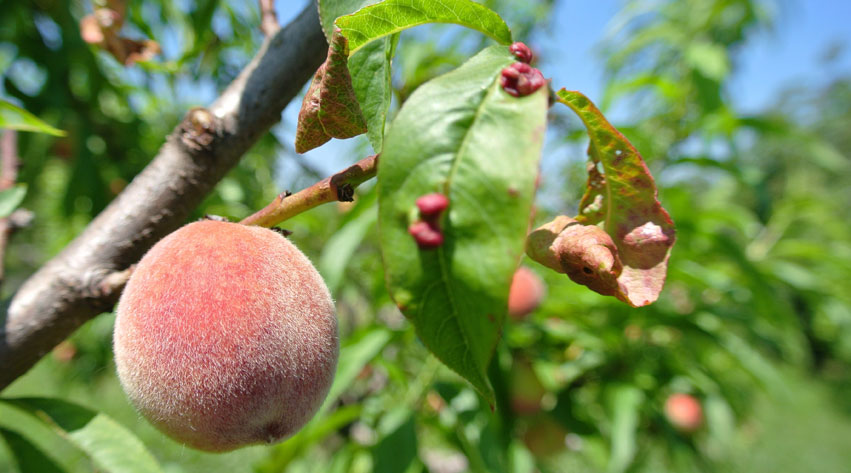
Peach leaf curl usually shows up in spring as:
Young leaves that are thickened, blistered and twisted
Red, pink or purple patches on new foliage
Leaves turning greyish and dropping early
It looks dramatic, but many trees survive repeated attacks if you help them recover.
What causes peach leaf curl?
A fungus infects the leaf buds while the tree is dormant. When the leaves open in cool, wet weather, the fungus distorts them. Once the symptoms appear, those leaves can’t be “cured” – your focus is on helping the tree regrow healthy foliage and stopping the same thing happening next year.
What to do right now
Gently remove heavily distorted leaves and bin them.
Keep the tree watered, but not waterlogged.
Add a light feed to encourage replacement leaves.
A slow-release balanced granular fruit tree fertiliser in spring helps your tree bounce back from disease and put on strong new growth.
Preventing leaf curl in future
- If your tree is in a pot or fan-trained against a wall, move or cover it in late winter so rain doesn’t constantly soak the buds.
- Avoid overhead watering in early spring.
- In many areas, gardeners follow Royal Horticultural Society advice on peach leaf curl treatments to time a copper or similar fungicide spray in late winter and just before bud burst, always following the label and local guidance.
Brown Rot
Symptoms to look for
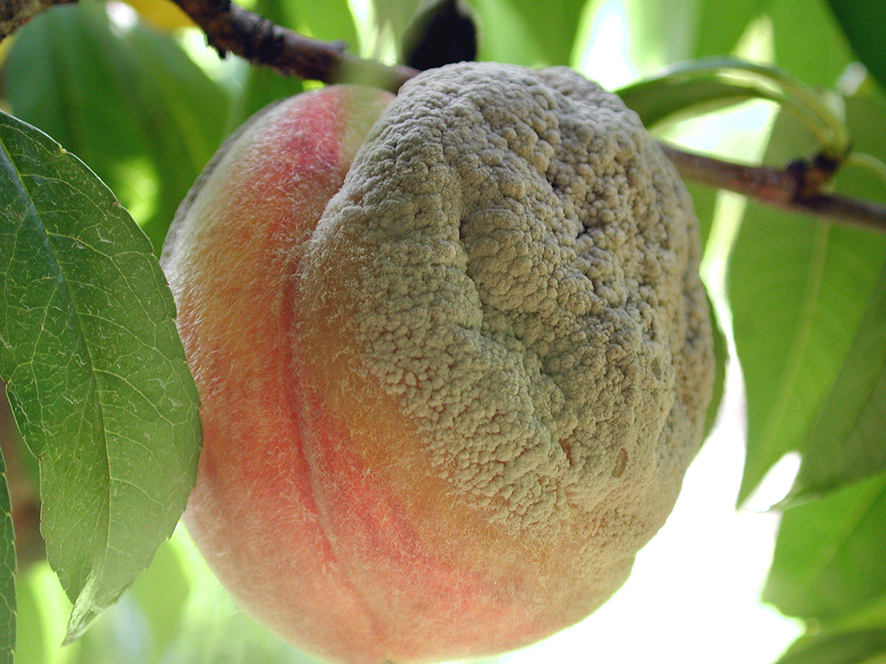
Brown rot mostly affects blossom and fruit. You may notice:
Brown, shrivelling flowers that cling to the tree
Small brown spots on fruit that quickly spread
Fuzzy tan or grey rings of mould on rotting peaches
“Mummified” fruit that dries out and stays stuck on the branch
Why it happens
Brown rot thrives in warm, damp conditions, especially where fruit is touching or damaged by birds and insects. Once it starts spreading, it can wipe out a whole crop in a few days.
How to deal with brown rot
Pick off all rotting and mummified fruit on the tree and ground.
Prune out dead blossom clusters and any obviously infected twigs.
Thin heavy fruit clusters so individual peaches aren’t squashed together.
Good fruit hygiene is just as important as any spray. Don’t leave old fruit hanging over winter – it’s a perfect overwintering spot for the fungus.
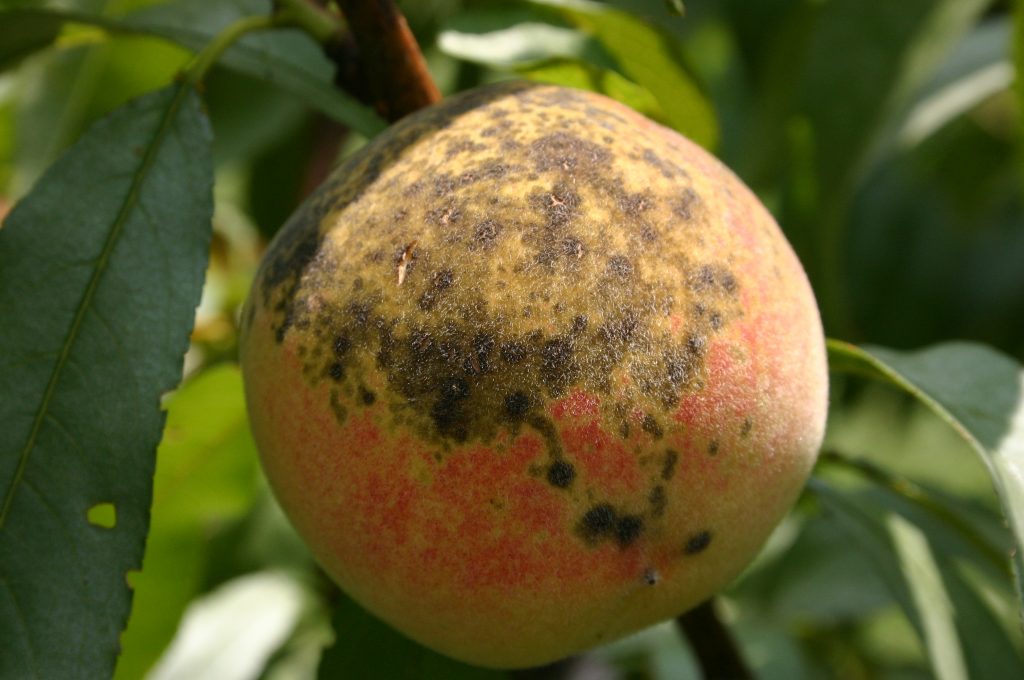
Peach Scab
What peach scab looks like
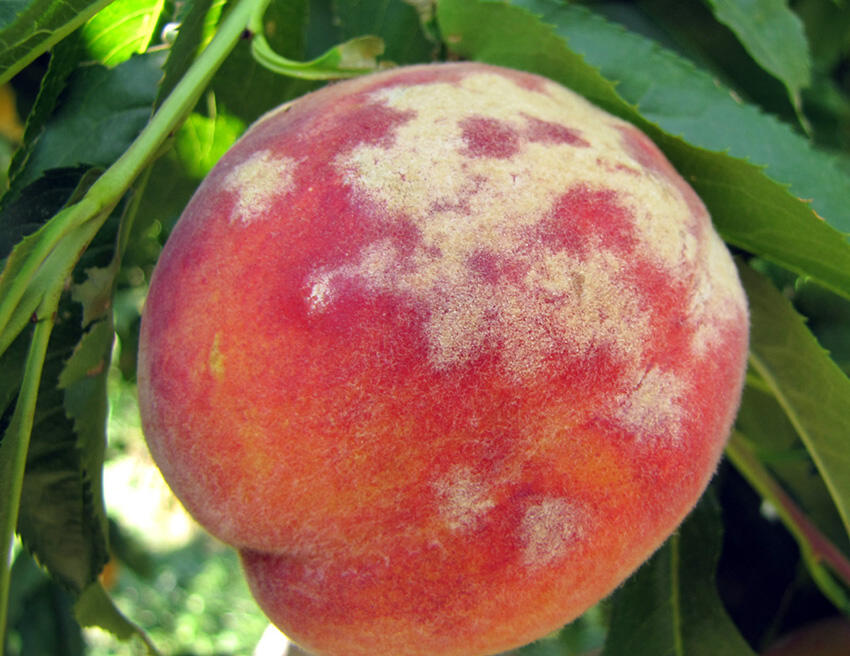
Peach scab is mostly a cosmetic problem, but it can open the door to other diseases. Typical signs are:
Small, round dark green or black spots on the skin of fruit
Rough patches around the stalk end where spots merge
Premature fruit drop in bad cases
The flesh underneath is often fine; you can usually peel scabby peaches and enjoy them as normal.
How to manage peach scab
Pick fruit when ripe and don’t leave it hanging for long.
In winter, prune out thin, heavily marked shoots to reduce the amount of fungus surviving until spring.
Keeping the canopy open and avoiding overhead watering helps fruit dry quickly, which slows down infection.
Bacterial Leaf Spot and Cankers
Symptoms
Bacterial problems on peach trees can look like:
Angular, water-soaked spots on leaves that turn brown and may fall out, leaving “shot holes”
Rough, sunken patches on fruit with dark edges
Sunken, oozing areas (cankers) on branches and stems
Why they are tricky
Unlike fungi, bacteria don’t respond to typical fungicides. They spread via splashing water, wind, damaged tissue and dirty tools. Trees already stressed by frost, poor nutrition or physical damage are more likely to suffer.
What you can do
Prune out cankered or badly affected shoots in dry weather. Cut back into clean, healthy wood.
Disinfect secateurs between cuts using diluted bleach or methylated spirits.
Water at the base of the tree and avoid soaking the foliage.
Keep the tree as healthy as possible with good feeding, mulching and watering so it can naturally compartmentalise damage.
Other Common Issues: Powdery Mildew and Root Problems
Not every problem is a dramatic disease. Two very common issues on patio and potted peaches are:
Powdery mildew – a white, floury coating on young leaves and shoots, often in warm but dry conditions with poor airflow. Light infections can be pruned out; better air circulation and steady watering usually help a lot.
Root stress – yellowing, wilting or poor growth from waterlogged or bone-dry compost. Always check drainage holes and avoid leaving pots sitting in trays full of water.
A pair of sharp bypass pruning shears makes it far easier to remove diseased or overcrowded branches cleanly, which helps prevent problems from spreading.
Research-based articles from university extension services give useful detail on pruning and spray timings for home fruit trees if you want to go deeper.
Step-by-Step: What To Do When You Notice Peach Tree Diseases
- Look closely and match symptoms
Compare what you see with the sections above. Are leaves curling and turning red (leaf curl), are fruits rotting (brown rot), or are there small black spots (scab)? - Remove the worst-affected material
Pick off badly damaged leaves and fruit.
Cut out dead blossom clusters and cankered shoots.
Put everything in the bin rather than on the compost heap.
- Open up the canopy
Lightly thin crowded shoots so light and air can reach into the centre of the tree. You’re aiming for an open, goblet-like shape rather than a dense ball of foliage. - Check watering and compost
Make sure the pot drains freely, and that the top of the compost is allowed to dry slightly between waterings. Avoid wetting the leaves where possible. - Plan preventative care
- Decide whether to give the tree some winter or early-spring protection from leaf curl (cover or copper spray where permitted).
- Mark your calendar for a light winter prune to remove any damaged wood.
- Feed in spring and mulch the surface to keep moisture levels even.
How to Prevent Peach Tree Diseases Long-Term
Choose the best position
Give your peach the sunniest spot you have – ideally 6 or more hours of direct light.
Avoid cramped, windless corners where leaves stay wet after rain.
Improve airflow and shelter
Train trees as fans against a wall or keep potted trees pruned so air can move easily through the canopy.
In very wet climates, try moving potted trees into a greenhouse, polytunnel or under a clear roof in late winter to protect against leaf curl.
Keep the area clean
Pick up fallen leaves and fruit through the season.
Remove any mummified fruit and dead twigs during winter checks.
Clean tools frequently, especially when cutting out cankers or obviously diseased wood.
Feed regularly but not excessively
Use a balanced fertiliser in early spring and again in early summer.
Avoid heavy, late nitrogen feeds which can produce soft, disease-prone growth.
FAQs About Peach Tree Diseases
Why are my peach tree leaves going red and curly?
This is almost always peach leaf curl. The fungus infects buds over winter and shows itself when new leaves emerge in cool, damp weather. Remove badly damaged leaves, help the tree recover with good feeding, and plan winter protection or sprays for next year.
Can I eat fruit from a diseased peach tree?
Yes, in many cases. Fruit with minor scab or superficial marks is usually fine once you peel it or cut away the damaged skin. However, fruit that’s soft, mouldy or badly split from brown rot should be discarded.
My potted peach tree lost nearly all its leaves – is it dead?
Not necessarily. If the trunk and main branches are still firm and green under the bark, the tree can often grow a second flush of leaves. Focus on good watering, gentle feeding and removing any obviously dead wood, then watch for new buds.
Are diseases worse on peach trees grown in pots?
Potted trees do tend to swing more quickly between too wet and too dry, and they’re often tucked into sheltered corners where air doesn’t move freely. That can increase the risk of fungal and bacterial problems. The bonus is that you can move pots under cover in winter, which can actually make leaf curl easier to control.
Do I have to spray, or can I stay organic?
Many gardeners manage peach tree diseases using mostly cultural methods: shelter from winter rain, careful pruning, good hygiene and balanced feeding. In wetter climates or where problems keep repeating, some people choose to add carefully timed copper or other approved sprays to their routine. It’s your choice; start with the non-spray measures and only add products if you really need them.
Protect Your Peach Tree with Simple Care Tools
Keeping peach tree diseases under control isn’t about doing everything perfectly; it’s about a few consistent habits. With regular pruning, good hygiene and the right feed, even a small potted peach can stay healthy and productive for years. A basic kit of sharp bypass pruning shears, a gentle fruit tree fertiliser and, where allowed, a suitable fungicide gives you everything you need to respond quickly when problems appear and keep your tree in good condition season after season.
Final Thoughts on Peach Tree Diseases
Peach tree diseases can look frightening, but once you learn the key signs, they become far less mysterious. Leaf curl, brown rot, scab and bacterial problems all follow patterns – and with a small amount of observation, you can spot those patterns early.
By combining better airflow, careful watering, regular feeding and simple hygiene, you give your tree the best possible chance to resist infection naturally. Over time, you’ll get to know how your particular tree responds and build a routine that keeps it healthy, attractive and full of fruit in even the smallest garden.