
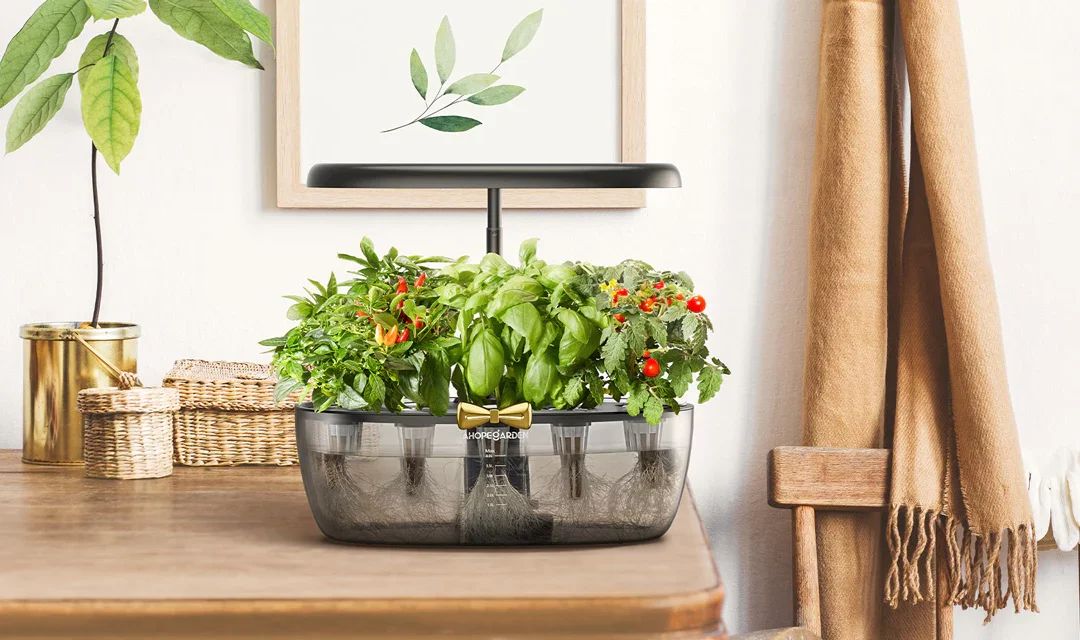
mart garden automation can take indoor plant care from “I forgot again” to a simple routine that runs in the background. If you’re busy, travelling, or just tired of guessing, smart garden automation helps you keep watering, light, and humidity more consistent—without turning your home into a science lab.
If you want to automate the “checking” side too (rather than just the watering/lights), you can also read Smart Sensors for Houseplants.
Quick answer: the simplest smart garden automation setup
Use a smart plug timer for grow lights (consistent day length)
Automate watering with a small drip system or self-watering setup
Add one sensor only if you’ll actually check it (keep it simple)
Set weekly reminders for quick checks (pests, trimming, refilling water)
Start with one plant zone (don’t automate the whole house at once)
Do this first: Pick your most “needy” plant area (herb shelf, seedling tray, or thirsty houseplants) and automate one thing there—either light timing or watering.
Contents
- 0.1 Smart Garden Automation: What You Can (and Should) Automate Indoors
- 0.2 The Best Smart Garden Automation Setup for Small Spaces
- 0.3 Smart Garden Automation Without Overwatering
- 0.4 What to Automate for Herbs and Edibles Indoors
- 0.5 Troubleshooting Common Smart Automation Problems
- 0.6 FAQs About Smart Garden Automation
- 0.7 Final Thoughts on Smart Garden Automation
- 0.8 Related Articles
- 1 Make Plant Care Feel Automatic
Smart Garden Automation: What You Can (and Should) Automate Indoors
You don’t need a full “smart greenhouse” to benefit. For indoor and small-space growing, the best automations are the ones that fix the most common failure points:
1) Light timing (highest impact, easiest win)
If you use grow lights, the biggest benefit is consistency—plants respond well to a predictable “day”.
A smart plug timer for grow lights is one of the simplest upgrades because it handles the daily on/off schedule for you.
2) Watering consistency (prevents sudden drought/overwatering swings)
Automation doesn’t mean “water constantly”. It means you prevent extremes:
forgetting to water for ages
then overwatering to “catch up”
Indoors, the most practical options are drip systems, reservoirs, and self-watering setups (especially if you’re away often).
3) Reminders (underrated but genuinely effective)
A reminder might not feel “smart”, but it works. Set repeating reminders for:
checking compost moisture (quick finger test)
refilling reservoirs
wiping leaves
checking undersides for pests
This is the easiest way to avoid the classic slow decline.
The Best Smart Garden Automation Setup for Small Spaces
Here’s a simple approach that suits windowsills, shelves, and small indoor growing areas.
Step 1: Split plants into “zones”
Instead of automating plant-by-plant, group them by needs:
Bright-light zone (herbs, seedlings under lights)
Medium-light zone (typical houseplants near windows)
High-humidity zone (calatheas, ferns, bathroom plants)
Automation works best when one zone shares roughly the same routine.
Step 2: Automate light first (if you use grow lights)
A consistent schedule is more helpful than constantly changing settings.
A beginner-friendly routine:
10–12 hours for general houseplants
12–14 hours for herbs and edible growing indoors
Keep the light close enough to matter (a light across the room won’t do much)
Step 3: Choose one watering automation method
Pick what fits your home and your plants.
Option A: Self-watering pots / reservoirs
Great for steady moisture, low effort, and fewer “oops” moments.
Option B: Simple drip kit
Best for multiple pots in one area (plant shelf, grouped houseplants, mini grow tent).
A small automatic drip irrigation kit for houseplants can keep a plant shelf consistent while you’re busy or away for a few days.
Option C: Manual watering + reminders
Honestly, this is enough for many people—especially if your issue is forgetting, not technique.
Smart Garden Automation Without Overwatering
Overwatering is the #1 indoor killer, and automation can make it worse if it’s not set up thoughtfully.
Use these rules to stay safe
Don’t automate watering on a fixed “every day” schedule for most houseplants
Keep drip systems slow and short, not long and frequent
Always check how fast your compost dries in your home (heating, season, light all matter)
Prioritise drainage so extra water can escape
A simple way to sanity-check your automation: the compost should feel lightly moist, not wet and heavy for days.
According to Royal Horticultural Society advice on houseplant watering, letting compost dry slightly between waterings helps reduce root problems that can get worse with overly frequent watering.
What to Automate for Herbs and Edibles Indoors
Edibles tend to want more consistency than many houseplants, especially under lights.
Herbs (basil, mint, parsley)
Automate light timing
Keep watering consistent but not soggy
Rotate pots so growth stays even
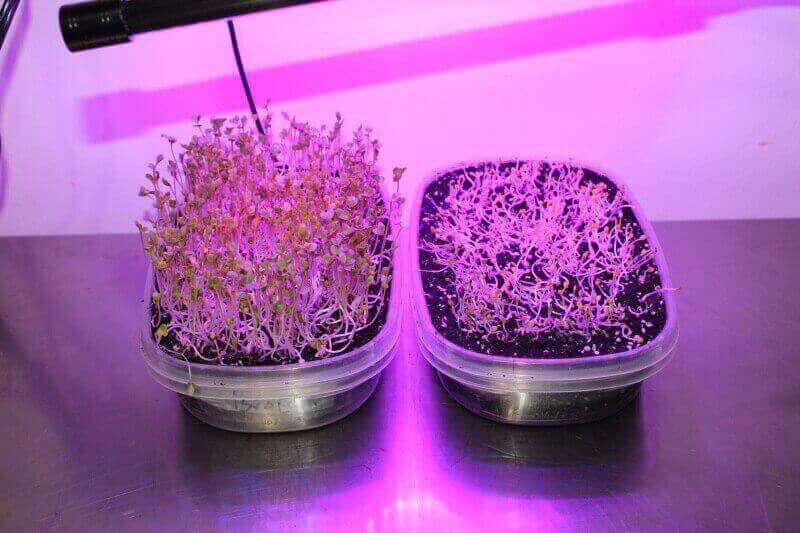
Microgreens and seedlings
Light timing is crucial
A small fan on a timer can help strengthen stems
Water little and often (mist/soak methods) depending on your tray setup
Troubleshooting Common Smart Automation Problems
“My plants still look leggy”
Usually: light too far away or not strong enough (timing alone can’t fix that).
Fix: move the light closer and keep the schedule consistent.
“My reservoir keeps running dry”
Usually: too many plants sharing one reservoir, or a hot/dry spot.
Fix: either refill more often or split into two zones.
“My drip system makes the soil soggy”
Usually: runs too long or too often.
Fix: reduce duration first, then reduce frequency. Also check drainage.
“I’m checking the app constantly”
That defeats the point.
Fix: simplify—automate one thing (light timing) and check everything else weekly.
FAQs About Smart Garden Automation
Do I need sensors for smart garden automation?
Not necessarily. Many indoor setups work perfectly with timed lights and a simple watering plan. Sensors help only if you’ll actually use the info.
What’s the easiest thing to automate first?
Grow light timing. It’s cheap, reliable, and immediately improves consistency.
Can I automate watering for all houseplants?
You can, but it’s best done by zones. Plants with very different watering needs shouldn’t share the same system.
Will automation stop pests?
Not directly, but healthier, less-stressed plants cope better. You still need quick weekly checks—especially under leaves.
Is smart automation worth it if I’m home most days?
Yes, if your main issue is consistency. Even one smart plug can make a noticeable difference.
Final Thoughts on Smart Garden Automation
Smart garden automation works best when it solves one real problem: inconsistent light, inconsistent watering, or simply forgetting. Start small, automate one zone, and build from there once you trust the routine.
If you keep it simple—timed light + sensible watering plan—you’ll get the benefits of automation without creating new problems like soggy compost or constant app-checking.
Related Articles
BUILD A SMARTER PLANT SETUP
Make Plant Care Feel Automatic
If you like the idea of smart garden automation but want a simple, clutter-free setup, start with one small system you can actually maintain. A basic “smart plant station” helps you keep light and watering consistent without overcomplicating your home.