Nothing kills your confidence faster than seeing tiny bugs on a plant you’ve been caring for. This indoor plant pest guide breaks things down simply: how to identify the most common houseplant pests, what to do immediately, and how to stop them coming back.
If you want a quick “do-this-first” routine that supports healthier plants (and fewer pest flare-ups), read Indoor Plant Maintenance Routine.
Contents
- 0.1 Indoor Plant Pest Guide: The 60-Second Check That Catches Problems Early
- 0.2 The Most Common Indoor Plant Pests and What They Look Like
- 0.3 What to Do Immediately When You Find Pests
- 0.4 Treatments That Work for Most Houseplant Pests
- 0.5 Pest Prevention That Actually Makes a Difference
- 0.6 FAQs About Indoor Plant Pests
- 0.7 Final Thoughts on This Indoor Plant Pest Guide
- 0.8 Related Articles
- 1 Prevent Damp Compost Problems
Indoor Plant Pest Guide: The 60-Second Check That Catches Problems Early
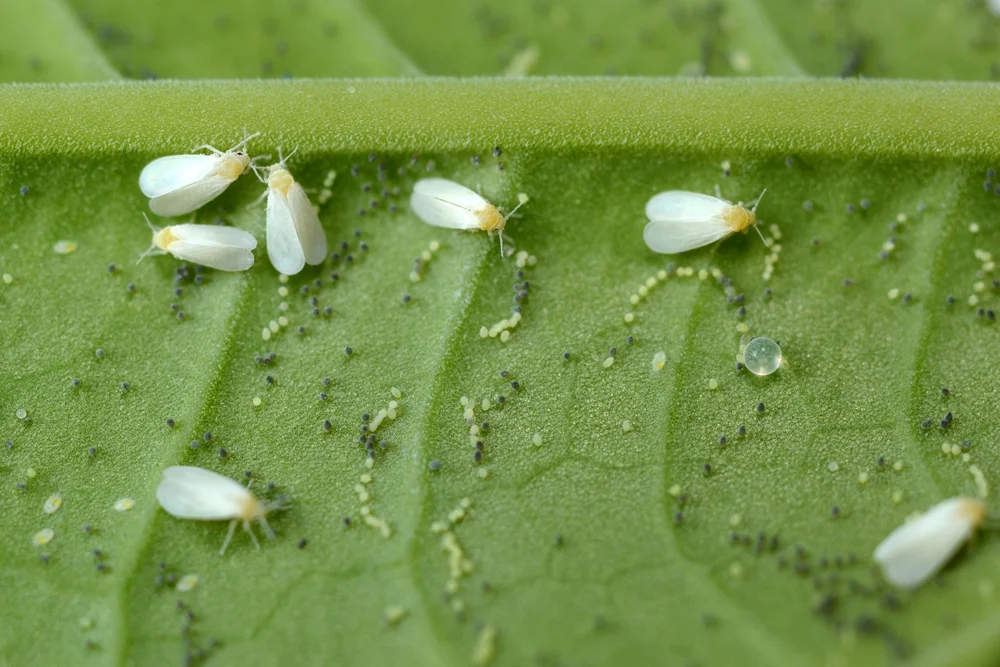
Most infestations become “a nightmare” because they’re noticed late. Once a week, do this quick check:
Look at the underside of leaves (pests hide here)
Check new growth (soft leaves attract sap-suckers)
Run a finger along stems for sticky residue
Look for fine webbing, speckling, or tiny moving dots
Check the compost surface for gnats or crawling insects
If you spot anything, isolate the plant first. Even a metre away helps reduce spread.
The Most Common Indoor Plant Pests and What They Look Like
Spider mites
Signs: pale speckling, dusty-looking leaves, fine webbing near leaf joints.
They love dry, warm rooms and spread quickly.
Mealybugs
Signs: fluffy white cottony clumps in leaf joints, stems, or under leaves.
They’re slow-moving but stubborn.
Scale insects
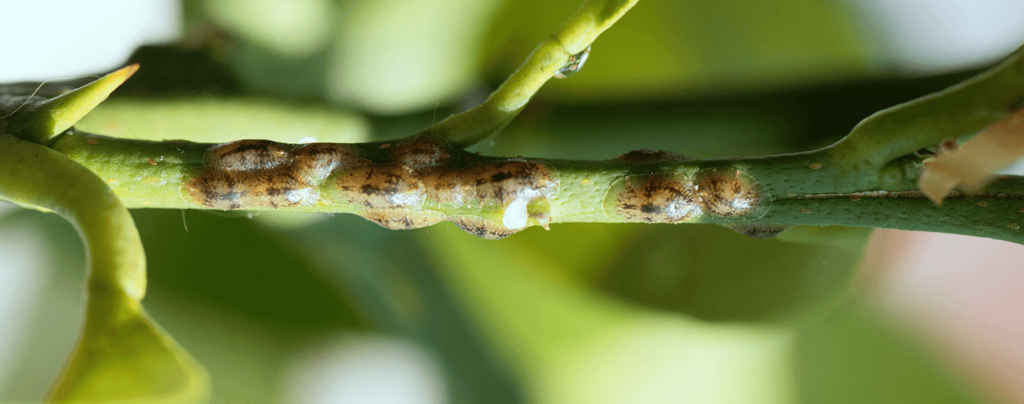
Signs: small brown bumps on stems or leaf veins; sticky residue on leaves or surfaces nearby.
They don’t look like insects at first, which is why they get missed.
Aphids
Signs: clusters of small green/black insects on new shoots; curled or distorted growth.
More common on herbs and tender growth.
Thrips
Signs: silvery streaks, tiny black dots (droppings), distorted new leaves.
Harder to spot and can be persistent.
Fungus gnats
Signs: tiny flies around compost, especially when watering; larvae in damp soil.
Usually a “soil staying too wet” issue, not a leaf issue.
What to Do Immediately When You Find Pests
Step 1: Isolate the plant
Move it away from other plants straight away.
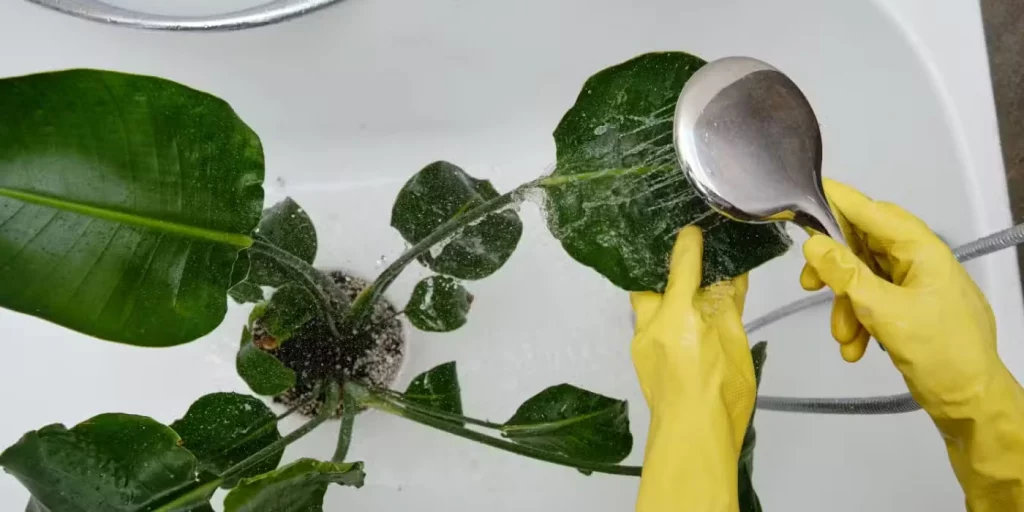
Step 2: Rinse and wipe
A lukewarm shower or wipe-down removes a surprising amount of pests.
Step 3: Remove the worst leaves
If a few leaves are heavily infested, removing them reduces the pest load fast.
Step 4: Treat consistently (not once)
Most pests need repeat treatments because you’re breaking a life cycle, not just “killing what you can see”.
If you keep getting pests on dusty leaves, cleaning helps more than people expect. You can also read Clean Dust Off Indoor Plant Leaves.
Treatments That Work for Most Houseplant Pests
Wiping (best for early infestations)
Use a damp cloth to wipe the top and underside of leaves. This is especially helpful for scale and mealybugs.
Gentle spray treatments (best all-round)
For many sap-suckers, a regular spray routine works well when done properly.
If you want a ready-to-use option, insecticidal soap spray for houseplants is a simple choice for beginners (especially for aphids, mealybugs, and early thrips).
Sticky traps (best for fungus gnats + monitoring)
Sticky traps won’t solve every pest, but they’re brilliant for catching adult fungus gnats and showing whether numbers are going up or down.
Place yellow sticky traps for fungus gnats near the compost surface and replace as needed.
Pest Prevention That Actually Makes a Difference
Don’t overwater (the biggest trigger)
Overwatering weakens plants and encourages gnats. If you’re unsure whether you’re watering too often, read Indoor Plant Watering Mistakes.
Improve airflow (quietly powerful)
Stale, still air makes pests (and fungal issues) more likely. Even basic airflow helps. You can also read Air Circulation for Indoor Plant Health.
Quarantine new plants
Keep new plants separate for 7–14 days. Many infestations start with a new purchase.
Keep leaves clean
Dust blocks light and creates hiding places. A quick wipe once a month makes plants easier to inspect.
According to University of Minnesota Extension advice on common houseplant pests, regularly inspecting plants and acting early is one of the most effective ways to prevent small pest problems becoming major infestations.
FAQs About Indoor Plant Pests
How do I know which pest I have?
Check undersides of leaves and new growth first. Webbing and speckling often points to spider mites, cottony clumps suggest mealybugs, and brown bumps can be scale.
Should I throw the plant away?
Usually no. Most pests can be managed with isolation plus repeat treatments. Consider replacing only if the plant is severely infested and not improving after a few weeks.
Why do pests keep coming back?
It’s usually inconsistent treatment (stopping too early), dry air, overcrowded plants, or overwatering that keeps the compost damp.
Are fungus gnats harmful to plants?
Adults are mostly annoying, but larvae can damage roots in seedlings or small plants if numbers get high. Drying the top layer and improving watering habits helps most.
How often should I treat a pest problem?
Most treatments need repeating every 5–7 days for a few rounds to catch newly hatched pests.
Final Thoughts on This Indoor Plant Pest Guide
Most houseplant pests aren’t a sign you’ve “failed” — they’re usually a timing issue. Catch them early, isolate the plant, and treat consistently for a couple of weeks.
If you’re dealing with repeat infestations, focus on prevention: avoid soggy compost, keep leaves clean, and check undersides weekly. Those small habits stop most pest problems before they spread.
Related Articles
KEEP SOIL HEALTHIER INDOORS
Prevent Damp Compost Problems
A lot of indoor pest issues start in the compost — especially when it stays wet and starts to break down. Keeping soil conditions healthier reduces the chances of gnats and keeps roots stronger, so plants bounce back faster after treatment.