
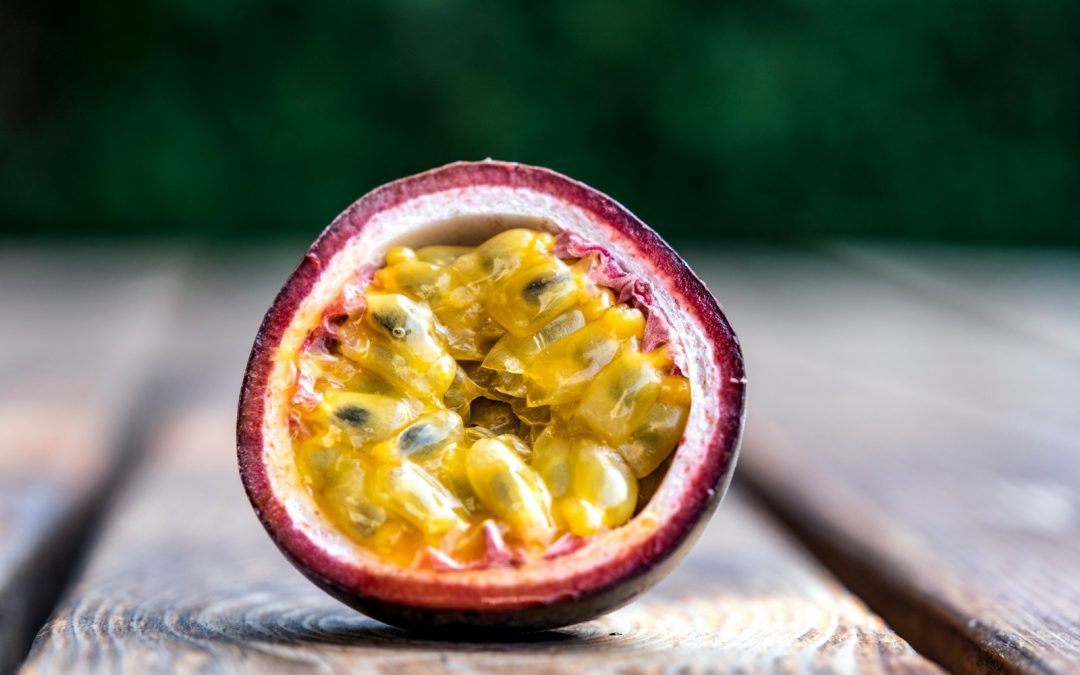
To grow passion fruit indoors, you need three things more than anything: strong light, steady warmth, and a big enough pot. Get those right and the rest becomes fairly straightforward (even in the UK).
If you’re growing citrus indoors too, dwarf lemon trees are a good next read.
Quick answer: grow passion fruit indoors
Choose an edible type like Passiflora edulis (not just an ornamental passionflower)
Give it bright light (a sunny window + extra light in winter helps)
Keep it warm and stable (avoid cold windowsills at night)
Use a large pot with excellent drainage and a sturdy support
Feed during the growing season and hand-pollinate if flowers appear but fruit doesn’t set
Do this first: Decide where your vine will climb (trellis/wires) before you pot it up — passion fruit grows fast once it’s happy.
Contents
- 0.1 What “indoor passion fruit” actually means in the UK
- 0.2 Choosing the right plant: edible vs ornamental passionflower
- 0.3 Pot size, soil mix and drainage (this decides success)
- 0.4 Light for passion fruit indoors (how to stop weak, leggy vines)
- 0.5 Support and training: how to keep it tidy indoors
- 0.6 Watering indoor passion fruit without root problems
- 0.7 Feeding for flowers and fruit (without overdoing it)
- 0.8 Long-tail quick fixes
- 0.9 FAQs About Growing Passion Fruit Indoors
- 0.10 Final Thoughts on Growing Passion Fruit Indoors
- 0.11 Related Articles
- 1 Indoor Garden Care – Definitive Guide
What “indoor passion fruit” actually means in the UK
Here’s the truth in plain English: passion fruit is a tropical climber, so indoors it usually needs conservatory-level conditions to fruit reliably.
That doesn’t mean it’s not worth growing. You can still:
grow a healthy vine indoors
get flowers (with enough light and warmth)
sometimes get fruit if conditions are right and you help with pollination
If your home is cooler/darker in winter, your main goal is keeping it alive and growing steadily, then pushing harder for flowers/fruit in spring and summer.
Choosing the right plant: edible vs ornamental passionflower
Not all passionflowers give you the classic passion fruit you want.
Best choice for indoor fruit
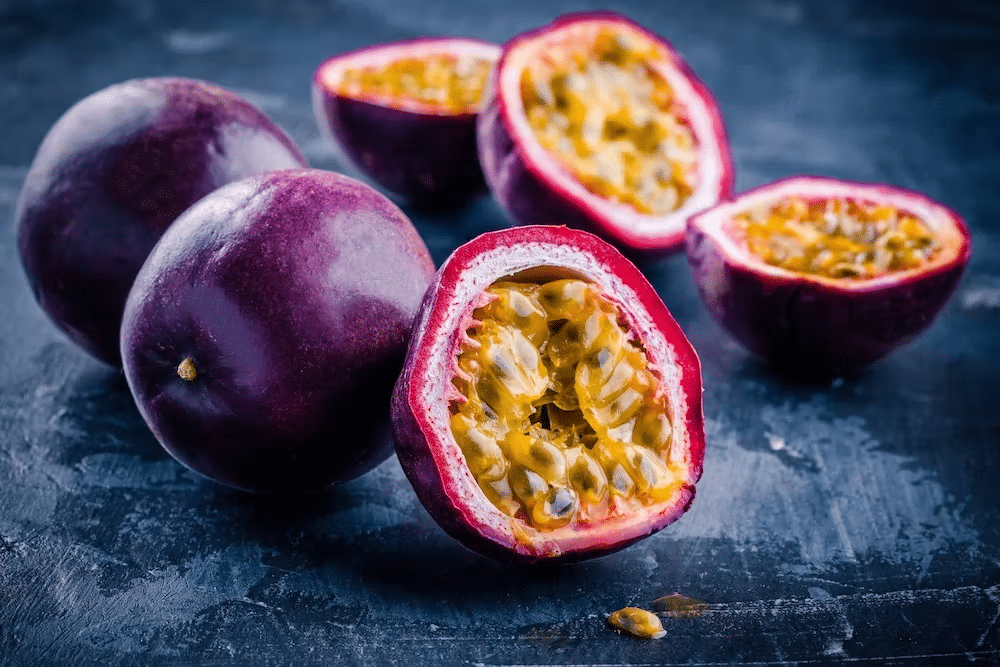
Passiflora edulis (purple or yellow types are the usual edible passion fruit)
Common “passionflower” you might see instead
Ornamental types grown for flowers (they can still be great plants, but fruit isn’t the same or isn’t reliable)
If you’re buying a plant, check the label for edulis rather than guessing by flower photos.
Pot size, soil mix and drainage (this decides success)
Before any bullet list: passion fruit vines fail indoors more from root stress than anything else. Too small a pot or soggy compost = weak growth, yellowing leaves, and no flowers.
Pot size
Start bigger than you think:
Minimum: 30 cm wide pot
Better: 40–50 cm wide if you want strong growth and a shot at fruit
Soil mix
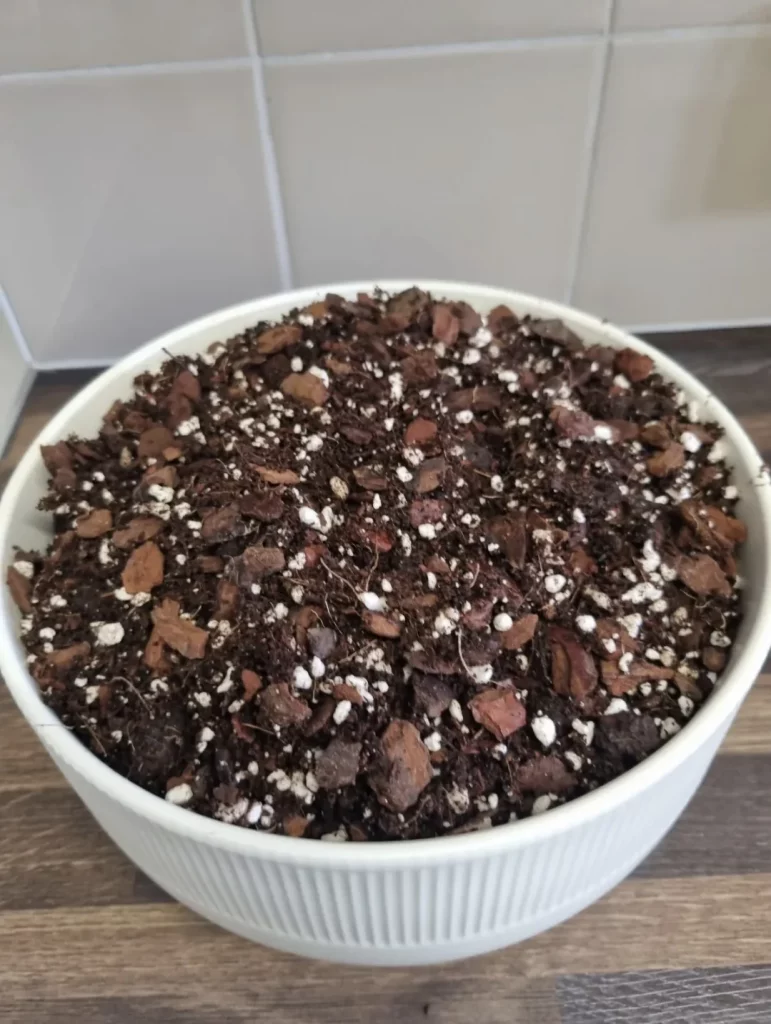
Aim for a mix that drains well but doesn’t dry out in a day:
multi-purpose compost
added drainage material (perlite/bark/grit)
avoid heavy, compacted mixes
If your indoor pots tend to stay wet, this helps: improve indoor plant drainage.
Light for passion fruit indoors (how to stop weak, leggy vines)
Passion fruit is a sun-lover. Indoors, low light is the main reason you get lots of vine but very little flowering.
Best placement
brightest window you have (south-facing is ideal)
rotate the pot weekly for even growth
Winter reality in the UK
If your vine stalls from October–March, that’s normal. If you want steadier growth, supplemental light helps.
A full-spectrum LED grow light panel is one of the most useful upgrades when you’re trying to grow fruiting plants indoors.
If you’re using grow lights, grow light placement for indoor plants matters more than people expect (distance and angle change everything).
Support and training: how to keep it tidy indoors
Before any bullet list: passion fruit doesn’t politely sit in a corner. If you don’t give it a route to climb, it will sprawl, tangle, and shade itself.
Simple indoor-friendly support options:
two or three horizontal wires on a wall
a trellis pushed into the pot
a strong cane “frame” to guide early growth
Tip: start training early and gently. Once stems lignify (go woody), they’re harder to bend.
Watering indoor passion fruit without root problems
Passion fruit likes consistent moisture in the growing season, but it’s also prone to sulking if compost stays wet in winter.
A simple routine that works:
water thoroughly, then let the top few centimetres dry slightly
never let the pot sit in a puddle
water less in winter when light and growth slow down
If you tend to overwater indoor plants (most of us do), indoor plant watering mistakes is a useful refresher.
Feeding for flowers and fruit (without overdoing it)
Before any bullet list: passion fruit is a hungry grower when it’s actively climbing. Feeding helps, but too much can push leafy growth at the expense of flowering.
What to do:
feed in spring and summer once growth is strong
ease off in autumn
stop feeding in winter if growth slows
When buds start forming, a high-potash liquid tomato fertiliser can support flowering and fruiting better than a general leafy feed.
Long-tail quick fixes
Why your passion fruit vine isn’t flowering indoors
Most common reasons:
not enough light intensity
the plant is too young
too much nitrogen feed (lots of leaves, few flowers)
not enough warmth/consistent conditions
Fix in 10 minutes: move it to the brightest spot you have and keep the room warmer at night (off cold glass).
Flowers but no fruit: do you need to hand-pollinate?
Indoors, yes — often. Pollinators aren’t reliably visiting your living room.
Simple hand-pollination steps
- Use a soft brush or cotton bud.
- Collect pollen from the anthers.
- Dab onto the stigma of a freshly open flower.
- Repeat for a few mornings during flowering.
Yellow leaves on indoor passion fruit
Usually:
compost staying wet too long
low light (especially winter)
cold drafts or cold root zone
Quick check: if compost feels damp and heavy, pause watering and improve drainage first.
Vine is growing fast but looks messy
That’s normal — it’s a climber.
Fix: prune lightly to shape and improve airflow, but don’t scalp it. Fruit and flowers often form on new growth, so you want controlled fresh shoots, not bare stems.
If you’re growing it indoors, keep the potting mix slightly on the dry side in winter to reduce the risk of root rot — University of New Hampshire Extension notes this is especially important for passionflower grown in warm indoor spots.
FAQs About Growing Passion Fruit Indoors
Can you grow passion fruit indoors in the UK?
Yes, but fruiting is most likely with strong light and warmth (conservatory conditions help). Many indoor growers get a healthy vine first, then flowers/fruit later.
How big does an indoor passion fruit vine get?
It can get large quickly. Plan support early and prune lightly to keep it manageable.
How long until passion fruit produces fruit indoors?
Often 1–2+ years depending on plant age, light strength, warmth, and pollination.
Do I need a grow light?
Not always, but it helps a lot in UK winters and in rooms without strong sun.
Final Thoughts on Growing Passion Fruit Indoors
If you want real results with indoor passion fruit, focus on the “big three”: light, warmth, and pot size. Most problems come from weak light, cold nights by windows, or compost staying wet for too long.
Keep conditions steady, train the vine early, and if you get flowers indoors, don’t forget hand-pollination — it’s often the missing step.
Related Articles
GIVE YOUR WHOLE INDOOR GARDEN A GLOW-UP
Indoor Garden Care – Definitive Guide
Learn how to water, feed, position, and maintain all your houseplants so your new plant stands don’t just look good – they help your plants thrive long term.