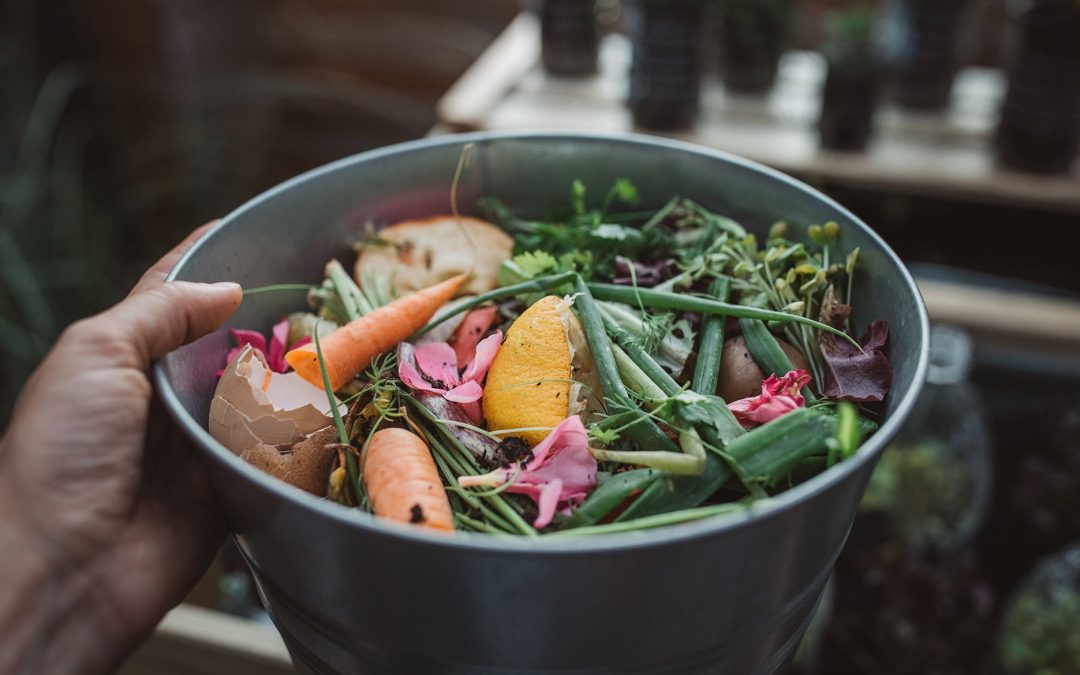
Composting techniques are one of the easiest ways to cut household waste and boost your soil at the same time. Whether you garden indoors, on a balcony, or in a small yard, you can turn kitchen scraps and garden trimmings into dark, crumbly compost that feeds your plants naturally.
If you’d like a more step-by-step look at composting in small spaces, pair this with the Indoor Composting Guide for ideas on bokashi, worm bins, and more.
Contents
- 0.1 Why Composting Techniques Matter for Home Gardeners
- 0.2 Basic Composting Techniques for Beginners
- 0.3 Different Composting Techniques You Can Use at Home
- 0.4 What You Can and Can’t Compost
- 0.5 Troubleshooting Common Compost Problems
- 0.6 Using Finished Compost in Pots and Beds
- 0.7 FAQs About Composting Techniques
- 0.8 Final Thoughts on Composting Techniques
- 0.9 Related Articles
- 1 Learn Simple Eco Friendly Gardening Ideas for Everyday Use
Why Composting Techniques Matter for Home Gardeners
Good composting techniques do much more than shrink your bin. When you compost:
You recycle nutrients back into your soil instead of throwing them away.
You reduce the amount of organic waste sent to landfill.
You improve soil structure so roots can breathe and drain properly.
You save money on bags of store-bought compost and fertiliser.
For indoor and container gardeners, adding a layer of homemade compost to pots each year keeps plants growing strongly without relying only on bottled feeds. Over time, even a small compost system can supply a surprising amount of rich, dark material for your houseplants and veg.
Basic Composting Techniques for Beginners
You don’t need a huge garden or fancy kit to get started. Most composting techniques follow the same simple recipe:
- Mix green and brown materials
Greens: fresh grass clippings, fruit and veg peelings, coffee grounds, tea leaves.
Browns: dry leaves, shredded cardboard, paper, straw.
- Keep it moist but not soggy
The pile should feel like a wrung-out sponge – damp, not dripping. - Let air in
Turning or stirring the pile every so often gives microbes the oxygen they need to break materials down. - Be patient
Depending on your system and climate, compost can take a few months to a year to fully mature.
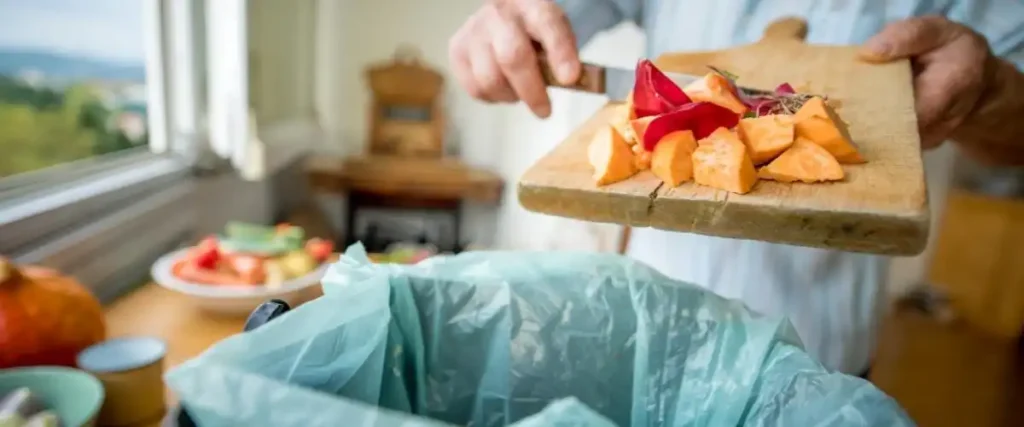
A compact kitchen compost caddy makes it easy to collect food scraps without smells between trips to your main bin or heap.
Different Composting Techniques You Can Use at Home
1. Traditional Compost Heap or Bin
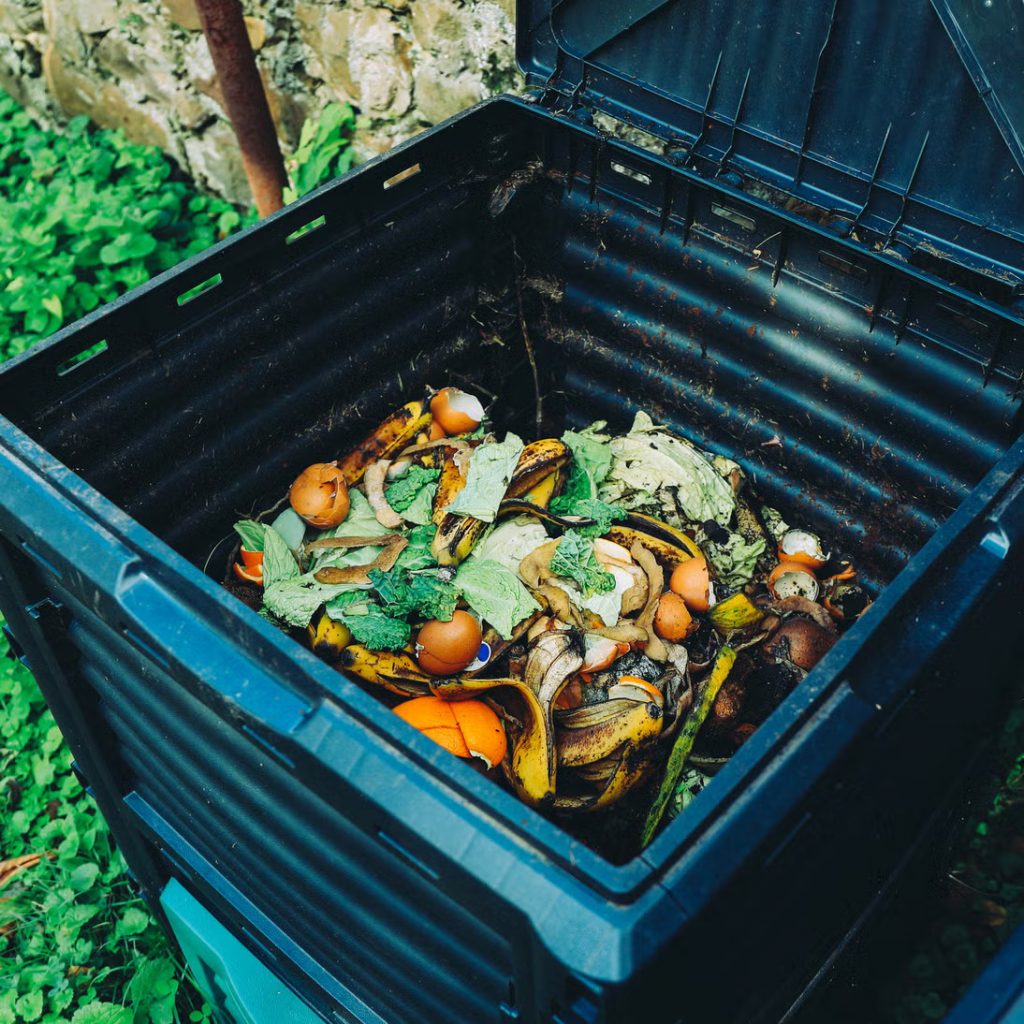
Perfect if you have a little outdoor space. You simply layer greens and browns in a corner heap or purpose-built bin. Turning the heap every few weeks speeds everything up and helps prevent smells.
2. Tumbler Composting
A compost tumbler is a closed barrel on a frame that you spin to mix the contents. It’s one of the tidiest composting techniques for small gardens and makes turning the compost much easier.
A rotating tumbling compost bin for small gardens is ideal if you want faster, more contained composting and don’t fancy using a fork to turn a heap.
3. Worm Composting (Vermicomposting)
Worm bins use special composting worms to break down kitchen waste indoors or on a balcony. They’re compact, low-odour, and produce both rich compost and a liquid “worm tea” you can dilute for feeding plants.
4. Bokashi Composting
Bokashi is a pickling-style method that ferments food waste (including items like small amounts of cooked food) in an airtight bucket. Once treated, the material can be buried in soil or added to a compost heap to finish breaking down.
By mixing and matching these composting techniques, you can handle most of your household organic waste, even if you don’t have a big garden.
What You Can and Can’t Compost
Getting the ingredients right is a huge part of successful composting techniques.
Good to compost (in moderation):
Fruit and vegetable scraps
Coffee grounds and paper filters
Tea leaves (without plastic in the bags)
Crushed eggshells
Shredded cardboard and plain paper
Grass clippings and soft garden prunings
Dry leaves and straw
Avoid or limit:
Large amounts of cooked food, meat, fish or dairy
Oily or heavily seasoned foods
Glossy or heavily printed paper
Diseased plant material or seedy weeds (unless your heap gets very hot)
Pet waste from meat-eating animals
According to RHS composting advice, sticking mostly to plant-based kitchen waste and garden trimmings gives you the best chance of creating a healthy, sweet-smelling compost heap.
Troubleshooting Common Compost Problems
Even with good composting techniques, you might hit a few snags. Here’s how to fix the most common issues:
Compost smells bad
Usually too many “greens” or the pile is too wet.
Add more browns (cardboard, dry leaves), mix well, and let more air in.
Pile is dry and not breaking down
Not enough moisture or nitrogen-rich material.
Sprinkle with water and add more greens like fresh peelings or grass clippings.
Lots of fruit flies around the bin
Kitchen waste might be sitting uncovered.
Always cover food scraps with a layer of browns to hide them.
Compost taking ages to finish
Pieces may be too big or the pile too small.
Chop materials up more and try to build a pile at least about 1 m³ if possible, or use a closed bin or tumbler to keep things warmer.
Once you fine-tune your composting routine, these small issues become occasional blips rather than constant problems.
Using Finished Compost in Pots and Beds
When your compost is dark, crumbly, and smells earthy rather than sour, it’s ready to use. You don’t need to be too precious about it – even slightly rough compost is packed with goodness.
Easy ways to use it:
Top-dress pots: Add a 2–3 cm layer on top of indoor and outdoor containers in spring.
Mix into planting holes: Blend compost with existing soil when planting shrubs or perennials.
Refresh veg beds or raised planters: Spread a generous layer over the surface and let worms pull it down.
For houseplants, avoid using pure compost on its own – mix a small amount into a good quality potting mix to keep drainage balanced.
FAQs About Composting Techniques
1. How long does compost take to make?
With a well-balanced mix and regular turning, compost can be ready in as little as 3–6 months. A slower, cooler heap may take closer to a year.
2. Can I compost in a flat or small home?
Yes. Worm bins, bokashi buckets, and small sealed composters make it easy to use composting techniques indoors or on balconies without bad smells.
3. Do I need special tools to turn compost?
Not necessarily. A garden fork or compost aerator is helpful for outdoor heaps, but small bins and tumblers can often be mixed by hand or simply rotated.
4. Is homemade compost safe for indoor plants?
Absolutely, as long as it’s mature and fully broken down. Mix it with a standard potting mix rather than using it alone, especially for houseplants that prefer good drainage.
5. What if I only have a little waste?
Composting techniques still work even with small amounts. You can use a mini worm bin, a bokashi system, or share a compost bin with a neighbour or community garden.
Final Thoughts on Composting Techniques
Composting techniques don’t have to be complicated or messy. With a simple mix of greens and browns, a bit of air, and a little patience, you can turn everyday kitchen scraps and garden waste into something genuinely useful.
Start with one small system that fits your space – a kitchen caddy feeding a worm bin, a tumbler in the corner of a yard, or a traditional heap if you’ve got room. As you get used to what breaks down quickly and how your compost behaves through the seasons, you can expand or tweak your setup. Over time, composting becomes less of a chore and more of a satisfying loop that keeps your soil, plants, and conscience in much better shape.
Related Articles
MAKE YOUR WHOLE GARDEN MORE PLANET-FRIENDLY
Learn Simple Eco Friendly Gardening Ideas for Everyday Use
Once you’ve got the hang of basic composting techniques, it’s easy to build on that momentum. Your Eco-Friendly Gardening Tips guide shows you practical ways to save water, reduce plastic, and choose greener products so your garden – indoors and out – has a lighter footprint.