
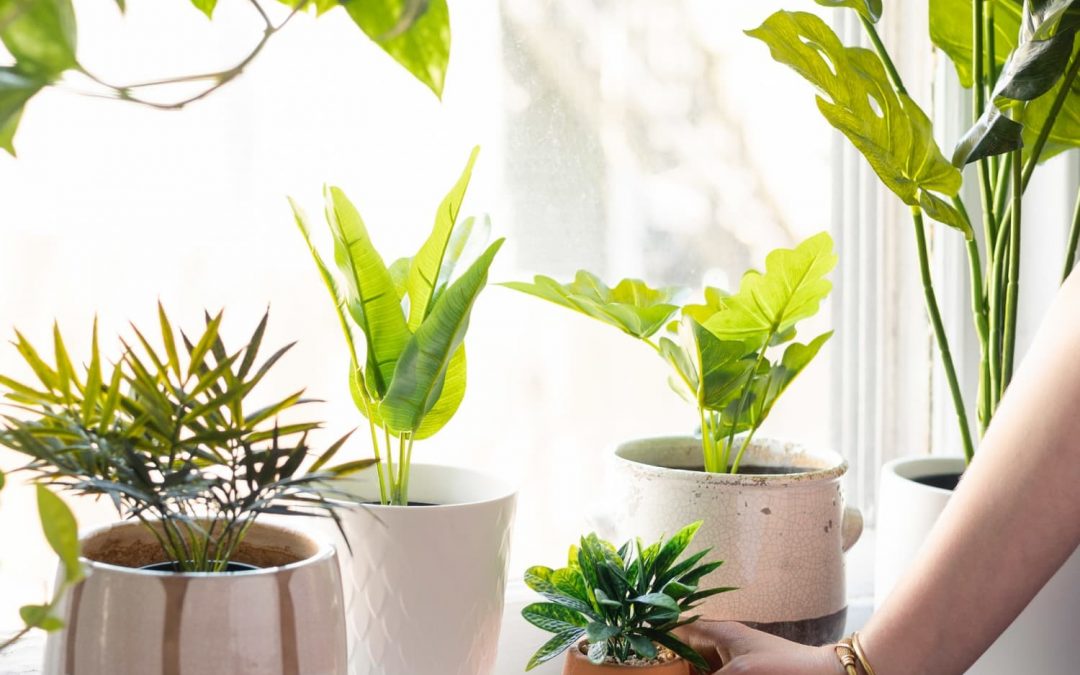
Indoor plants for air purification don’t just look good – they can also help reduce stale, stuffy air and make rooms feel fresher. With the right plants in the right spots, you can boost indoor air quality while adding calm, natural greenery to your home.
If you’re brand new to houseplants, it can help to start with forgiving varieties. For easy beginner options, see Low Maintenance Indoor Plants as a companion guide.
Contents
- 0.0.1 How Indoor Plants Help Purify Indoor Air
- 0.0.2 Best Indoor Plants for Air Purification
- 0.0.3 Where to Place Air Purifying Plants in Your Home
- 0.0.4 Care Tips for Air Purifying Houseplants
- 0.0.5 Common Mistakes to Avoid
- 0.0.6 FAQs About Indoor Plants for Air Purification
- 0.0.7 Final Thoughts on Indoor Plants for Air Purification
- 0.0.8 Related Articles
- 1 Discover How Indoor Plants Reduce Stress
How Indoor Plants Help Purify Indoor Air
Plants can’t replace good ventilation, but they can support cleaner indoor air in a few useful ways:
Filtering pollutants – Leaves and roots can absorb small amounts of VOCs (volatile organic compounds) from paints, cleaners, and furniture.
Trapping dust – Broad, textured leaves catch dust particles, which you can then wipe away with a damp cloth.
Boosting humidity – As plants release moisture, dry rooms can feel more comfortable and less irritating to skin and lungs.
Supporting wellbeing – Studies link indoor greenery with reduced stress and better concentration, which makes clean air benefits even more valuable.
The key is to choose air-purifying plants that suit your light levels and care routine so they stay healthy and actually do their job.
Best Indoor Plants for Air Purification
Below are popular air-purifying houseplants that work well in most homes. Mix a few different shapes and heights to cover shelves, corners, and tabletops.
1. Peace Lily (Spathiphyllum)
Peace lilies are classic air-purifying plants with dark green leaves and elegant white blooms.
Best spot: Bright, indirect light; they’ll tolerate low light but may flower less.
Air benefits: Often recommended for helping to reduce common indoor pollutants and for adding gentle humidity.
Care notes: Keep the soil lightly moist and avoid cold draughts.

2. Snake Plant (Sansevieria / Dracaena trifasciata)
Snake plants are almost indestructible and ideal for bedrooms and hallways.
Best spot: Low to bright, indirect light – very adaptable.
Air benefits: Sturdy leaves help trap dust, and the plant copes well with dry air.
Care notes: Let the soil dry out between waterings; overwatering is the main risk.
For a neat look, pop a snake plant into a ceramic pot with drainage and matching saucer to catch excess water.
3. Spider Plant (Chlorophytum comosum)
Spider plants are fast-growing, forgiving, and perfect for hanging baskets.
Best spot: Bright, indirect light; avoid harsh midday sun.
Air benefits: Long, arching leaves offer a lot of surface area to trap dust in high-traffic rooms.
Care notes: Keep soil just barely moist and trim off brown tips.
4. ZZ Plant (Zamioculcas zamiifolia)
ZZ plants are great if you want cleaner-feeling air with very little effort.
Best spot: Low to medium light – ideal for offices and shaded corners.
Air benefits: Thick, waxy leaves handle dry, centrally heated rooms nicely.
Care notes: Water sparingly; the rhizomes store moisture.
5. Rubber Plant (Ficus elastica)
Rubber plants give you big, glossy leaves and a bold, modern look.
Best spot: Bright, indirect light; they like a steady, warm position.
Air benefits: Large leaves are excellent for catching dust, which you can wipe off weekly.
Care notes: Let the top few centimetres of soil dry before watering again.

6. Boston Fern (Nephrolepis exaltata)
Boston ferns bring soft, feathery foliage that loves humidity.
Best spot: Bright, indirect light with higher humidity – bathrooms or kitchens are ideal.
Air benefits: Great for adding moisture back into dry indoor air.
Care notes: Keep soil evenly moist and mist the fronds regularly.
Where to Place Air Purifying Plants in Your Home
Placement makes a big difference to how well indoor plants can support air purification:
Near pollutant sources – Place plants near doorways, hallways, and rooms with more synthetic materials (like home offices or living rooms).
Within airflow – A gentle breeze from a fan or open window helps air move across leaves.
At different heights – Use floor plants, shelf plants, and hanging plants to cover more of the room.
Away from direct heat or cold – Avoid radiators, air conditioners, or draughty windows that can stress plants.
Care Tips for Air Purifying Houseplants
Healthy plants do the best job of freshening indoor air. These simple habits keep them thriving:
Water correctly – Most air-purifying plants prefer soil that dries slightly between waterings. Check the top 2–3 cm with your finger before adding more water.
Use the right soil – Well-draining houseplant potting mix with some perlite or bark prevents roots from sitting in water.
Dust leaves regularly – Wipe leaves with a soft, damp cloth so they can “breathe” properly.
Feed lightly – A balanced liquid fertiliser at half-strength every 4–6 weeks in spring and summer is usually enough.
Give them enough light – Even low-light plants need some brightness to stay healthy and green.
If you struggle to judge watering, a simple soil moisture meter can take the guesswork out of care, especially in larger pots.
Common Mistakes to Avoid
Avoid these easy slip-ups so your air-purifying plants stay lush and effective:
Too many plants in dark rooms – Without enough light, plants become weak and stop improving air quality.
Overcrowding – Cramming pots too close together restricts airflow and encourages pests.
Ignoring drainage – Pots without drainage holes lead to root rot and dying plants.
Using harsh leaf sprays – Shiny leaf products can clog leaf pores; a damp cloth works better.
Expecting plants to replace ventilation – Plants are a helpful extra, but opening windows and using extractor fans are still essential.
For a science-based overview of how plants interact with indoor air, you can read a neutral explainer from a trusted gardening or environmental organisation.
FAQs About Indoor Plants for Air Purification
1. How many air-purifying plants do I need in a room?
There’s no exact number, but many people aim for 2–3 medium plants in a small room and 4–5 in a larger living space. It’s better to have a few healthy plants than lots of struggling ones.
2. Are air-purifying plants safe for pets?
Some popular plants, like peace lily and rubber plant, can be mildly toxic if chewed. If you have pets, choose pet-safe options or keep plants out of reach and double-check each species before buying.
3. Can air-purifying plants help with allergies?
They may help trap dust and add gentle humidity, which some people find more comfortable, but they won’t cure allergies. Always combine plants with good cleaning and ventilation.
4. Do I need to run a humidifier if I have lots of plants?
Not always. Several leafy plants in one room can slightly raise humidity, but very dry homes may still benefit from a separate humidifier in winter.
Final Thoughts on Indoor Plants for Air Purification
Indoor plants for air purification are a simple way to make rooms feel fresher, softer, and more welcoming. By choosing a few reliable species – like snake plant, peace lily, spider plant, or ZZ plant – and giving them the right light, water, and care, you’ll get greenery that looks good and supports healthier air.
Start with one or two plants in the rooms where you spend the most time, notice how they perform, and slowly build a collection that fits your lifestyle. With a little consistency, your home can become a greener, calmer space to breathe in.
Related Articles
BRING CALM INTO YOUR HOME
Discover How Indoor Plants Reduce Stress
Indoor plants don’t just freshen the air – they also make your space feel calmer and more relaxing. If you’d like to use greenery to support your mood as well as your air quality, our Indoor Plants Reduce Stress guide is the perfect next read.