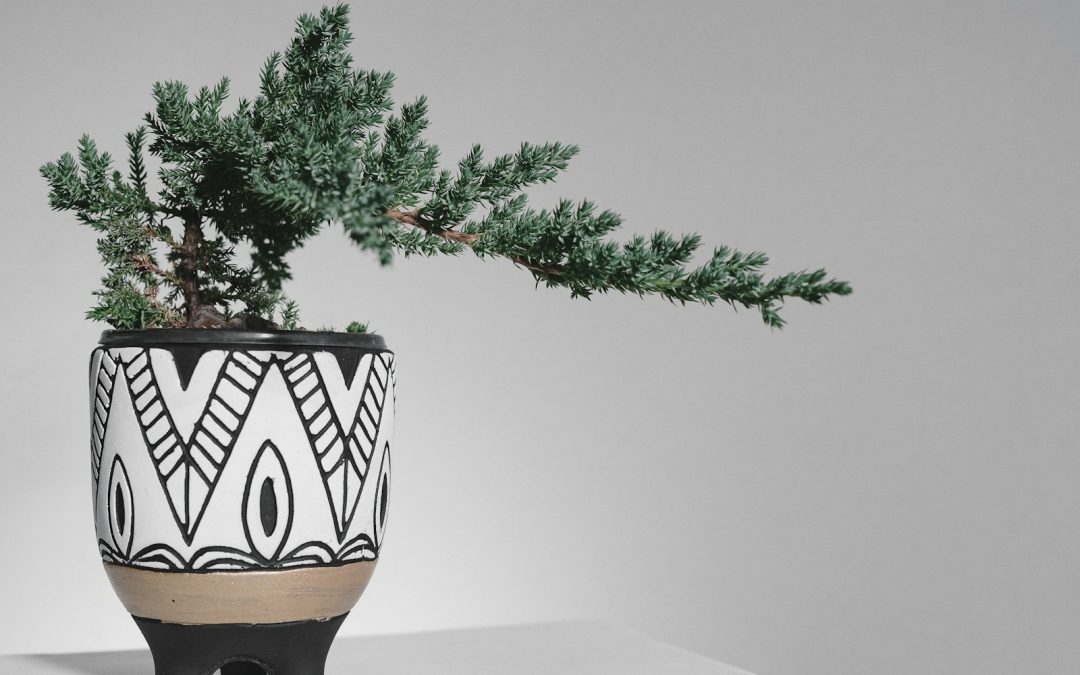
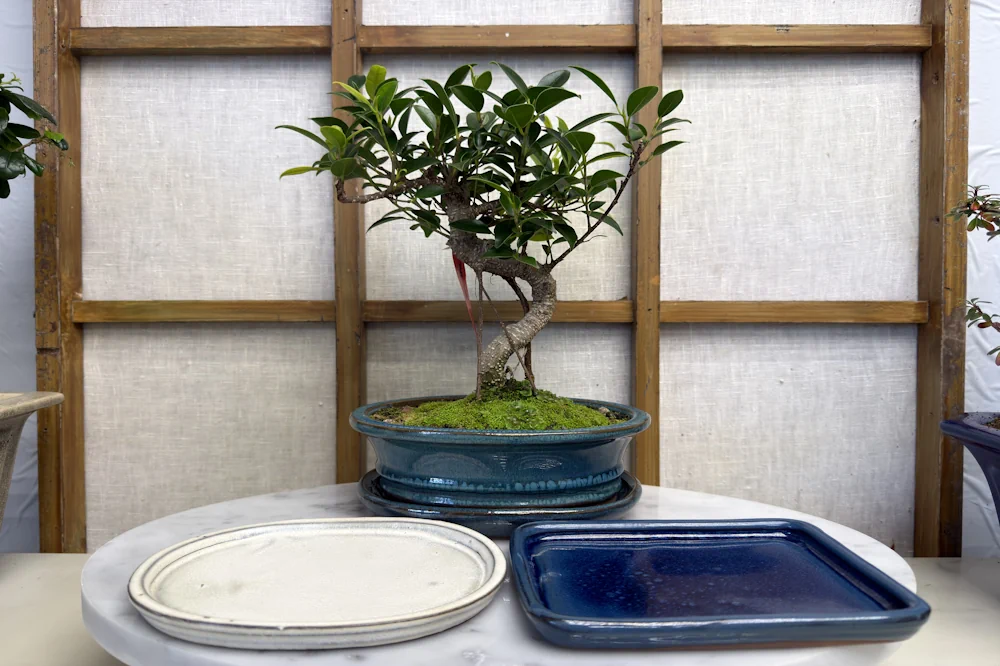
Picking the best bonsai pot isn’t just about looks. The right pot helps your tree drain properly, stay stable, and grow at a controlled pace—while still looking balanced and “finished”.
If you’re still getting your head around the basics, you can also read What Is a Bonsai Tree.
Quick answer: best bonsai pot choice for most beginners
Start with a pot that has good drainage holes (non-negotiable)
Choose a training pot while developing roots/shape, then upgrade later
Match pot depth to your tree: shallow for mature bonsai, deeper for recovery/training
Unglazed suits most conifers; glazed often suits flowering/deciduous trees
If in doubt, go slightly larger—poor drainage causes more problems than “too big”
Do this first: Check your current pot’s drainage. If water doesn’t run through easily, fixing the pot setup will improve your bonsai faster than almost any other change.
Contents
- 0.1 Best Bonsai Pot: What Actually Matters (Beyond Style)
- 0.2 Training Pot vs Display Pot
- 0.3 Pot Size: The Simple Rules That Stop Mistakes
- 0.4 Pot Shape: Match It to the Tree Style
- 0.5 Glazed vs Unglazed Bonsai Pots
- 0.6 Drainage: The Non-Negotiable Feature
- 0.7 Choosing a Bonsai Pot for Indoor Bonsai
- 0.8 Common Bonsai Pot Mistakes (and Quick Fixes)
- 0.9 FAQs About Best Bonsai Pot Choices
- 0.10 Final Thoughts on Choosing the Best Bonsai Pot
- 0.11 Related Articles
- 1 Build a Simple Bonsai Care Setup
Best Bonsai Pot: What Actually Matters (Beyond Style)
A bonsai pot does three main jobs:
- Controls moisture (drains fast, doesn’t stay swampy)
- Controls growth (smaller root space = tighter growth)
- Balances the design (tree and pot should look like a set)
If the pot is wrong, you often see the same issues:
soil staying wet too long
weak growth, yellowing, leaf drop
a tree that wobbles and never “settles”
roots circling badly or drying out too fast
So yes—style matters. But function comes first.
Training Pot vs Display Pot
Training pots
Training pots are for development. They’re usually:
deeper and more forgiving
focused on strong roots and stability
ideal after heavy work like root pruning
If your tree is still thickening the trunk or rebuilding roots, a bonsai training pot is often the smartest choice.
Display pots
Display pots are for when the tree is closer to “finished”. They’re often:
shallower (which looks better and keeps growth compact)
more decorative (glazed finishes, nicer shapes)
less forgiving if your watering is inconsistent
A lot of beginners buy a display pot too early. If the tree struggles, it’s not a “bad tree”—it’s usually the setup.
Pot Size: The Simple Rules That Stop Mistakes
Width
A common visual guideline is:
pot width roughly two-thirds of the tree’s height (or the canopy width for wider trees)
You don’t need perfect maths—just aim for balance. If the pot looks tiny, the tree looks unstable. If the pot looks massive, the bonsai looks unfinished.
Depth
Depth should match the tree’s needs:
Shallow pots: mature, stable trees with fine root systems
Deeper pots: trees in training, recovering, or prone to drying out fast
If your bonsai dries out incredibly quickly, a slightly deeper pot (or a training pot) can stop the stress cycle.
Pot Shape: Match It to the Tree Style
You’ll see loads of shapes, but you only need a few basics:
Rectangular/oval: classic for many conifers and “strong” upright styles
Round: works well for softer, informal shapes and many indoor bonsai
Cascade pot: tall, stable pot designed for cascading styles (where the trunk flows down)
If your tree leans or cascades, stability becomes a bigger priority than “prettiest pot”.
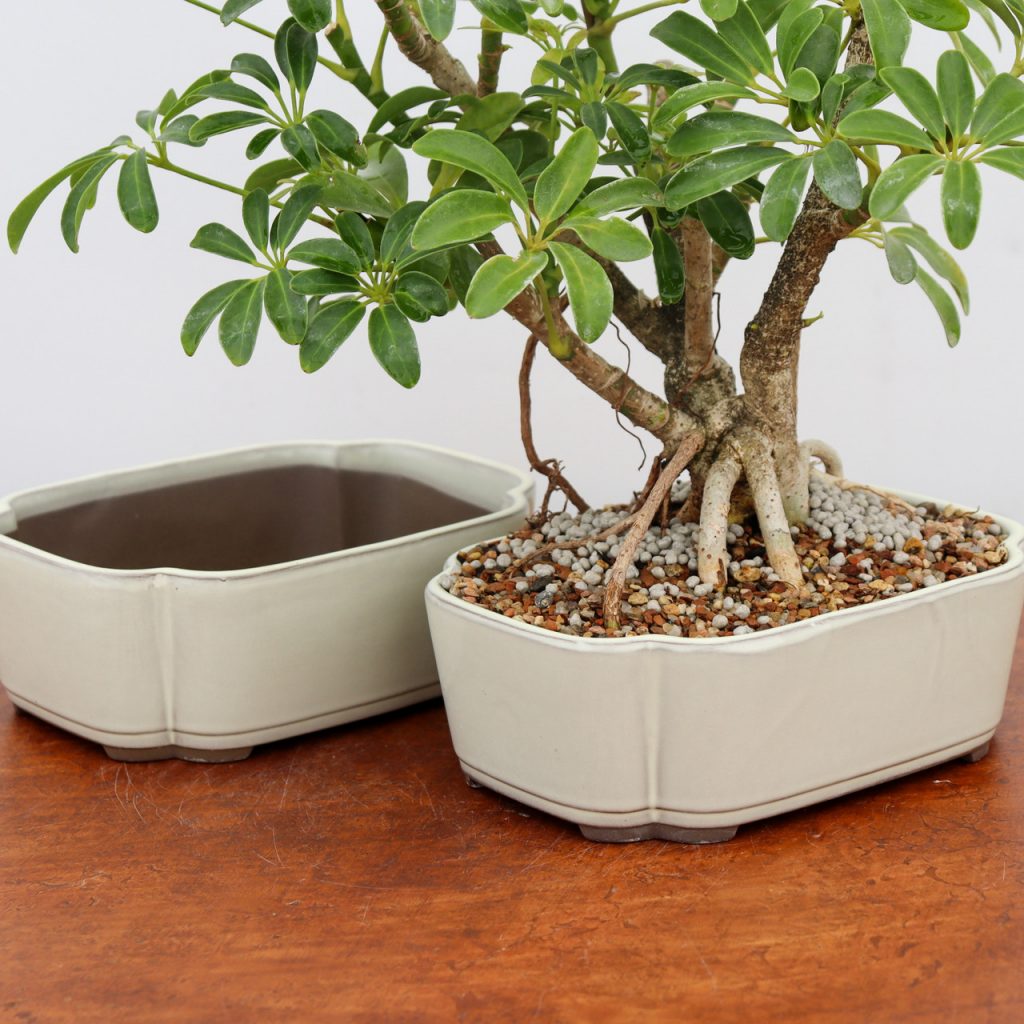
Glazed vs Unglazed Bonsai Pots
Unglazed
Unglazed pots feel natural and understated. They often suit:
conifers (juniper, pine)
rugged, aged styles
trees with darker bark and a “wild” look
A durable unglazed bonsai pot is a good long-term option once your tree is stable and you want a more finished look.
Glazed
Glazed pots add colour and can look amazing with:
flowering bonsai
deciduous trees with seasonal changes
lighter bark or softer leaf textures
The key is harmony—pot colour should support the tree, not compete with it.
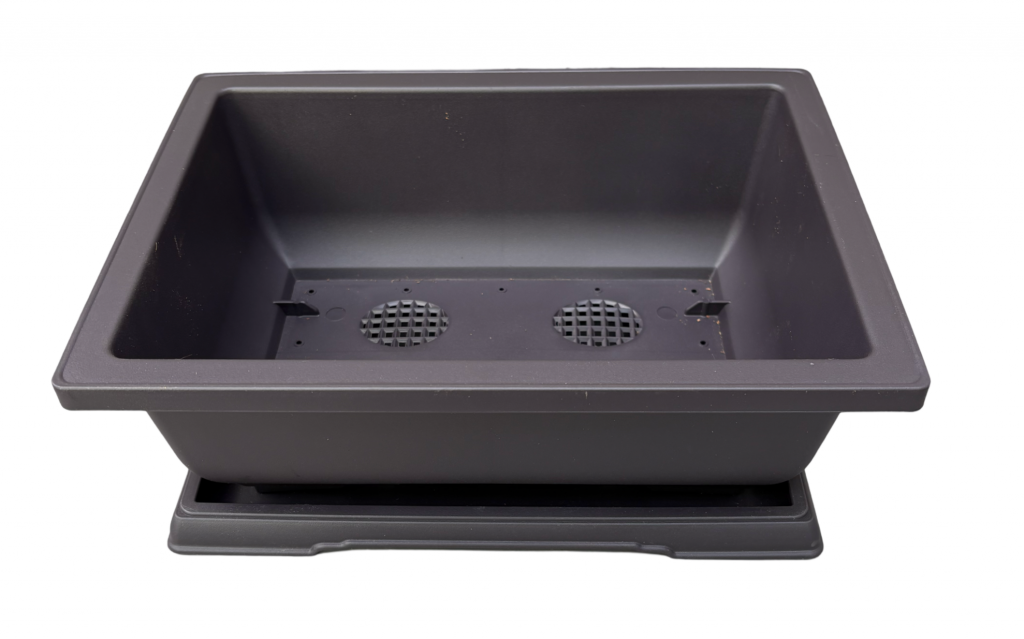
Drainage: The Non-Negotiable Feature
A pot can be beautiful and still be a bad bonsai pot if drainage is weak.
What you want
at least one good drainage hole (often two)
a pot base that doesn’t trap water
soil that drains fast enough for your environment
Stop compost blocking holes
If compost blocks the drainage, water sits at the bottom and roots suffer.
Using bonsai drainage mesh squares helps keep drainage holes clear and prevents soil washing out.
Choosing a Bonsai Pot for Indoor Bonsai
Indoor bonsai often live in warmer, drier conditions and may be watered more inconsistently (because indoor schedules vary). That means your pot choice should prioritise:
steady drying (not staying wet for days)
stability (pots can get knocked on windowsills)
practical sizing (a pot that’s too shallow can dry too fast indoors)
If you’re keeping bonsai indoors, you’ll also get value from How to Water Bonsai Tree Indoors.
Common Bonsai Pot Mistakes (and Quick Fixes)
Buying a pot with poor drainage
Fix: switch to a pot with proper holes and add mesh.
Repotting into a display pot too early
Fix: use a training pot until the root system is strong and compact.
Choosing a pot that’s too shallow for your routine
Fix: go slightly deeper, or adjust your watering habits.
The tree wobbles in the pot
Fix: anchor it properly during repotting and ensure the root ball fits snugly.
If you’re planning root work soon, you can also read Bonsai Root Pruning.
FAQs About Best Bonsai Pot Choices
What’s the best bonsai pot for beginners?
A deeper training pot with excellent drainage. It’s forgiving and supports root development.
Should I buy glazed or unglazed?
Unglazed is a safe choice for many conifers and classic styles. Glazed often suits flowering or deciduous trees.
Can I use a normal plant pot for bonsai?
You can for training, as long as it has drainage and the tree is secured, but bonsai pots are designed for stability and aesthetics.
How do I know if my bonsai pot is too small?
If the tree dries out extremely fast, roots are circling aggressively, or watering becomes difficult, it may be too tight.
Do drainage holes really matter that much?
Yes. Poor drainage is one of the fastest ways to create root problems in a bonsai pot.
Final Thoughts on Choosing the Best Bonsai Pot
The best bonsai pot is the one that supports healthy roots first: strong drainage, the right depth for your tree’s stage, and a shape that keeps everything stable. Once that foundation is right, the “pretty” part becomes easy—because the tree looks healthier and more balanced.
If you’re unsure, start with a training pot, focus on root health, and upgrade to a display pot when the bonsai has earned it.
Related Articles
MAKE BONSAI CARE FEEL LESS FIDDLY
Build a Simple Bonsai Care Setup
The right pot helps, but bonsai stays healthiest when your routine is consistent—watering, checking drainage, and spotting issues early. A simple toolkit and care habit makes your bonsai easier to manage week to week.