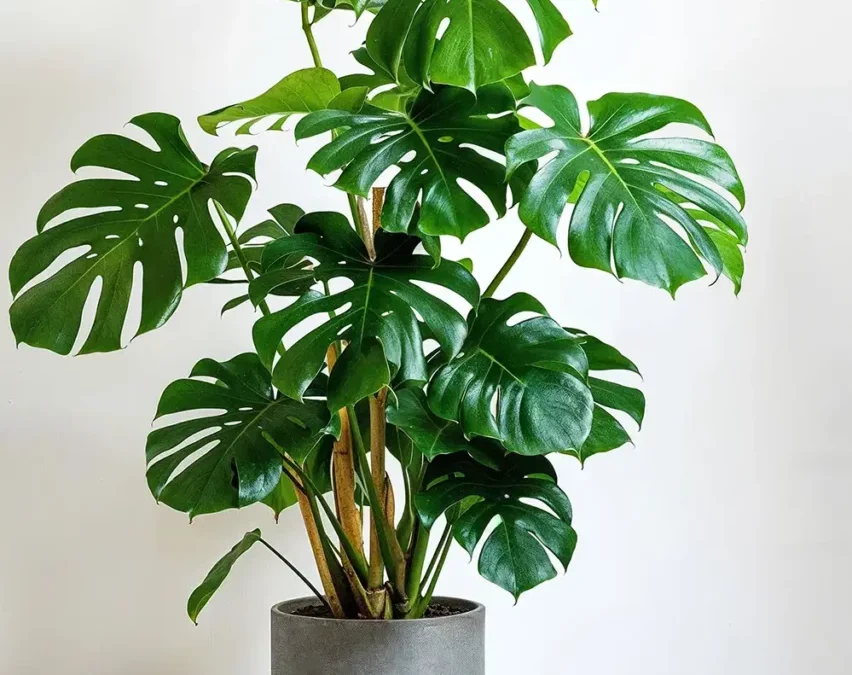
Keeping tropical houseplants indoors is mostly about copying what they like in nature: bright light, steady warmth, even moisture, and a little extra humidity (without soaking the compost). Once you get the basics right, tropical plants are some of the most rewarding indoor growers.
Quick answer: tropical houseplants indoors
-
Put them in bright, indirect light for faster growth and stronger leaves.
-
Water thoroughly, then let the top layer dry slightly (avoid constant damp).
-
Keep them warm and stable (away from cold drafts and radiator blasts).
-
Increase humidity with grouping or a humidifier if leaves brown or curl.
-
Check undersides weekly—tropicals can attract pests when air is dry.
Do this first: Move your most “sad looking” tropical plant closer to bright light and make sure the pot drains freely (those two changes fix a surprising amount).
If you’re unsure what “bright enough” light actually looks like indoors, Best Lights for Indoor Gardening clears it up fast.
What counts as a tropical houseplant?
“Tropical houseplant” usually means plants that naturally grow in warm regions with steady temperatures and higher humidity. Indoors, common tropicals include:
-
monstera and philodendrons
-
pothos
-
calatheas and marantas
-
peace lilies
-
rubber plants
-
many ferns
They generally prefer:
-
warmth (most dislike cold snaps)
-
moisture that’s steady, not extreme
-
light that’s bright but not harsh

Light for tropical houseplants indoors
Light is the biggest driver of growth indoors. In low light, tropicals often survive, but they:
-
grow slowly
-
get leggy (long gaps between leaves)
-
lose colour/variegation
-
become more pest-prone over time
The simple target: bright, indirect light—close enough to a window that the room feels naturally bright, but not where hot sun scorches leaves.
Fast wins
-
rotate plants every 1–2 weeks (prevents leaning)
-
move plants 30–60 cm closer to the window
-
keep big-leaf plants clean so they can use the light
If you’re trying to make growth feel more predictable, Make Indoor Plants Grow Faster is a useful supporting read for the “big levers” that actually work.
Watering without root rot
Most tropical houseplant problems indoors are either:
-
watering too often, or
-
pots that don’t drain well (water gets trapped)
A simple method that works for most tropicals:
-
water thoroughly until it drains
-
let it drain fully
-
don’t water again until the top few centimetres are dry
Warning signs of “too wet”
-
yellowing lower leaves
-
musty smell from the pot
-
compost staying wet for days
-
drooping even though the soil is damp
If pots are staying wet too long, Improve Indoor Plant Drainage is the quickest fix-first page to follow.
Humidity: when it matters (and when it doesn’t)
Some tropical plants are fine in average homes (pothos, monstera, rubber plant). Others complain quickly in dry air (calatheas, ferns).
Humidity helps most when you see:
-
crispy edges or brown tips despite sensible watering
-
curling leaves
-
leaves that feel thin and papery
Easy ways to raise humidity without fuss
-
group plants together (they share moisture)
-
move humidity lovers away from radiators
-
use a humidifier in winter
A small smart humidifier for indoor plants can be a simple “set and forget” option if you have several tropicals struggling in dry rooms.
If you want a practical way to balance comfort and airflow, Balance Humidity for Indoor Plants makes the choices much clearer.

Soil and pot choice for healthier roots
Tropical plants aren’t asking for fancy compost—they’re asking for oxygen at the roots.
A better indoor setup usually means:
-
a pot with drainage holes
-
an airy mix (not dense, muddy compost)
-
pot size that matches the roots (oversized pots stay wet too long)
If you repot and want fewer watering headaches, using a chunky houseplant potting mix with perlite and bark helps a lot for tropicals that hate soggy compost.
When tropical plants struggle indoors, it’s usually because conditions aren’t steady—light is low, compost stays wet, or air is too still—and the Royal Horticultural Society’s houseplant growing guidance reinforces those basics: sensible watering, avoiding waterlogging, and giving suitable light.
Airflow keeps tropical plants healthier
Still air makes tropical plants more likely to:
-
develop soil mold
-
stay damp too long after watering
-
pick up pests faster
You don’t need a wind tunnel. Just avoid crowding plants so tightly that air can’t move around leaves.
If you want simple airflow ideas that don’t feel “technical,” Air Circulation and Indoor Plant Health is a helpful reference.
Best beginner tropical houseplants for indoors
If you want tropical vibes without constant stress, start with the most forgiving plants.
Easy tropical-style starters
-
pothos
-
monstera (especially once you understand watering)
-
peace lily
-
rubber plant
-
some philodendrons
If you want a plant-by-plant rescue approach when something looks “off,” Revive Dying Houseplant is a handy safety net.
Quick troubleshooting for common tropical issues
Leaves turning yellow
Usually: too much water, low light, or slow drying compost.
A good first move: wait longer between waterings and increase light slightly.
Brown leaf tips
Often: dry air + watering swings + salt build-up.
If brown tips are a recurring issue, Brown Leaf Tips on Indoor Plants helps you narrow down the real cause quickly.
Tiny speckles, webbing, sticky residue
Often pests—especially when indoor air is dry.
If you want one page that helps you identify what you’re looking at before treating, Indoor Plant Pest Guide: Identify and Treat Pests Fast is the easiest reference.
FAQs About Tropical Houseplants Indoors
Do tropical houseplants need direct sun?
Most prefer bright, indirect light. Direct hot sun through glass can scorch leaves.
Do tropical plants need high humidity?
Some do (calatheas, ferns), but many tropicals cope fine in average homes. Watch leaf edges—crispy tips are a common clue.
Why are my tropical plants growing slowly?
Usually low light or soggy roots. Improve light first, then check drainage and watering rhythm.
Should you mist tropical houseplants?
Misting can help briefly, but it’s not reliable humidity. Grouping plants or using a humidifier is more consistent.
Final Thoughts on Tropical Houseplants Indoors
Tropical houseplants indoors don’t need perfection—they need consistency. Prioritise bright light, make sure pots drain properly, and keep watering steady (not constant). If you add a simple humidity boost for sensitive plants and keep airflow gentle, you’ll get lusher growth with fewer problems.
Related Articles
Keep tropical plants thriving without constant tweaking
Create a Setup That Makes Growth Feel Easy
Tropical houseplants do best when your setup stays steady: bright light, breathable compost, sensible watering, and enough humidity to prevent crisp leaves. Once that foundation is in place, most “mystery problems” disappear.