
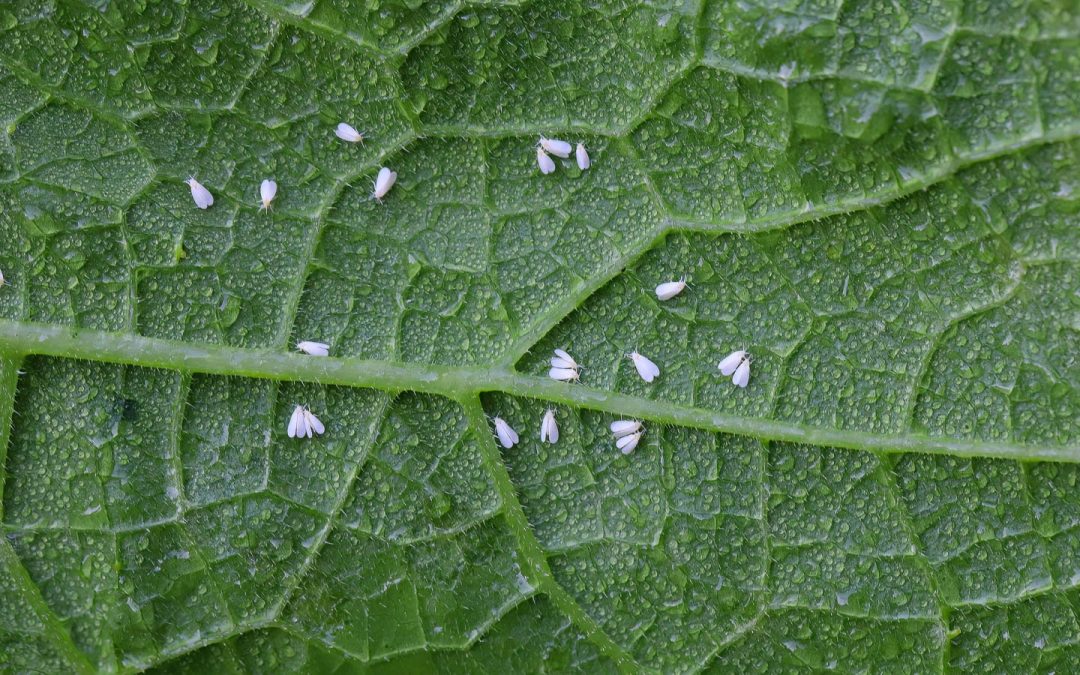
Whiteflies are annoying, fast-spreading sap-suckers that hide on the undersides of leaves, weaken growth, and leave sticky honeydew that can lead to sooty mould. The good news: you can usually clear them indoors without harsh chemicals — but you need to hit the adults + the eggs/nymphs for a couple of weeks.
Contents
- 0.1 Quick answer: how to get rid of whiteflies indoors
- 0.2 How to confirm it’s whiteflies (not fungus gnats or thrips)
- 0.3 Why whiteflies keep coming back indoors
- 0.4 Step-by-step: get rid of whiteflies on indoor plants (fast)
- 0.4.1 Step 1: Isolate the plant immediately
- 0.4.2 Step 2: Rinse or wipe the undersides (this removes the most pests quickly)
- 0.4.3 Step 3: Remove the worst leaves (optional, but effective)
- 0.4.4 Step 4: Add yellow sticky traps to catch adults
- 0.4.5 Step 5: Spray the undersides weekly for 2–3 weeks
- 0.4.6 Step 6: Keep airflow up and avoid overwatering during treatment
- 0.5 Common mistakes that stop you beating whiteflies
- 0.6 When whiteflies can be a sign of a bigger issue
- 0.7 FAQs About Whiteflies on Indoor Plants
- 0.8 Final Thoughts on Whiteflies on Indoor Plants
- 0.9 Related Articles
- 1 Make Indoor Plant Care Easier With a Simple Weekly Checklist
Quick answer: how to get rid of whiteflies indoors
Knock adults off first (rinse or wipe undersides).
Trap the flyers (yellow sticky traps).
Treat the undersides weekly (insecticidal soap or neem-based spray).
Repeat for 2–3 weeks to catch new hatchlings.
Do this first: isolate the plant, then rinse the undersides of the leaves with lukewarm water to remove as many adults/larvae as possible.
How to confirm it’s whiteflies (not fungus gnats or thrips)
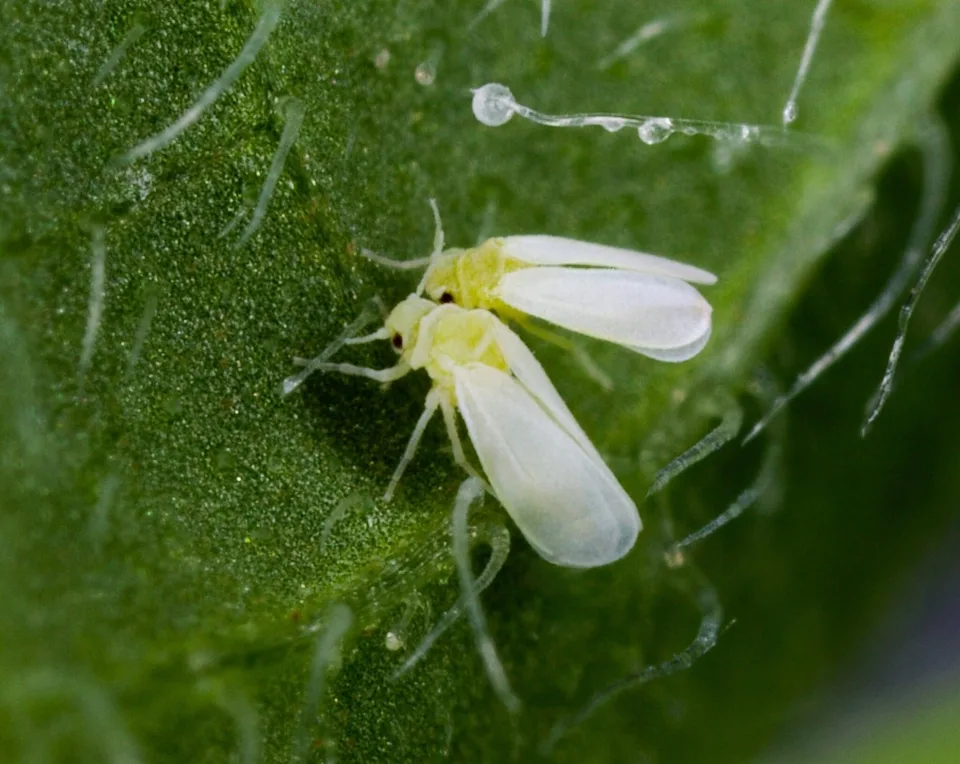
Whiteflies look like tiny white “moths” that flutter up when you disturb the plant. You’ll usually see:
Clusters on the underside of leaves
Sticky residue (honeydew)
Yellowing, drooping, slow growth
Sometimes black sooty mould on sticky patches
If you’re seeing tiny flies around the potting mix more than the leaves, that’s often fungus gnats instead. This can help you compare signs: Fungus gnats in houseplants.
Why whiteflies keep coming back indoors
Most “failed” treatments happen for one of these reasons:
- You only killed the adults (eggs/nymphs survived)
- You didn’t treat the undersides properly
- You stopped too early (you need a short cycle of repeats)
- One nearby plant stayed infested and re-seeded the problem
A quick weekly check helps catch them before they explode. If you don’t have a simple routine already, this post fits nicely as your weekly “scan” checklist: Indoor plant maintenance routine.
Step-by-step: get rid of whiteflies on indoor plants (fast)
Step 1: Isolate the plant immediately
Move it away from other houseplants (whiteflies spread easily). If you can’t move it far, at least create space and don’t let leaves touch.
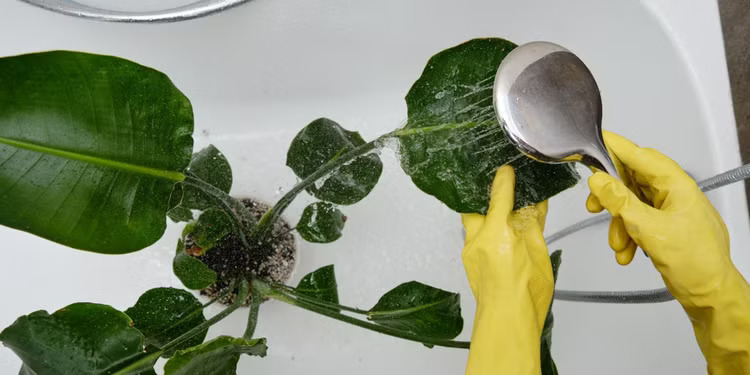
Step 2: Rinse or wipe the undersides (this removes the most pests quickly)
Use lukewarm water and focus on leaf undersides, where eggs and nymphs sit.
For sturdy leaves: rinse in the sink/shower
For delicate plants: wipe undersides gently with a damp cloth
Let the plant dry somewhere bright (not hot direct sun right after rinsing).
Step 3: Remove the worst leaves (optional, but effective)
If a few leaves are heavily covered, snip them off and bin them. This can instantly reduce the population.
If you’re pruning anyway, a pair of micro-tip pruning snips makes it easier to remove infested leaves cleanly without tearing the stem.
Step 4: Add yellow sticky traps to catch adults
Sticky traps don’t fix the whole problem alone, but they cut down the flying adults so fewer eggs get laid.
To cut down the flying adults straight away, place yellow sticky traps close to the plant canopy and replace them once they’re covered.
Step 5: Spray the undersides weekly for 2–3 weeks
This is the “make it stick” step. Indoors, a gentle option is usually best:
Insecticidal soap (good for soft-bodied pests)
Neem-based spray (often used as a repeated treatment)
How to spray:
Do it in the evening or away from harsh sun
Spray top and underside, but prioritise undersides
Repeat every 5–7 days (whitefly life stages keep hatching)
If you’re dealing with multiple pests and want a broader “ID → treatment” route, this helps: Indoor plant pest guide.
The Royal Horticultural Society also recommends a practical mix of removal, better conditions, and appropriate treatments for soft-bodied pests, rather than relying on a one-off spray.
Step 6: Keep airflow up and avoid overwatering during treatment
Whiteflies love stressed plants. While you’re treating:
Give the plant bright light (if appropriate)
Don’t keep the compost soggy
Improve airflow around the leaves
If your pots stay wet for ages, fix drainage too — it improves overall plant resilience: Improve indoor plant drainage
Common mistakes that stop you beating whiteflies
Only spraying the top of leaves (undersides matter most)
Skipping repeat treatments (you must catch hatchlings)
Not isolating (they’ll keep reappearing from nearby plants)
Using harsh mixes (strong DIY solutions can burn leaves and set the plant back)
When whiteflies can be a sign of a bigger issue
If the plant is constantly stressed (low light, incorrect watering, poor airflow), pests become a recurring cycle. Fix the basics alongside the treatment.
If the leaves are also turning yellow or dropping, it’s worth checking the most common causes in Why indoor plants turn yellow.
FAQs About Whiteflies on Indoor Plants
How long does it take to get rid of whiteflies indoors?
Usually 2–3 weeks if you rinse/wipe first and then spray weekly. Heavy infestations can take longer if you missed eggs/nymphs early on.
Do yellow sticky traps actually work?
They work well to reduce adult flyers, which slows reproduction. They’re best used alongside rinsing and spraying.
Can whiteflies live in the soil?
They mostly live on leaves (eggs/nymphs on undersides). If you’re seeing flies around the compost, it may be fungus gnats instead.
Should I throw the plant away?
Not usually. If the plant is cheap and heavily infested across many plants, discarding one “source” plant can be a quick reset — but most single-plant infestations are manageable.
Will whiteflies spread to my other houseplants?
Yes — especially if plants are close together. Isolation early is one of the highest-impact steps.
Final Thoughts on Whiteflies on Indoor Plants
If you want the fastest win: isolate, rinse undersides, add sticky traps, then repeat a gentle spray weekly for 2–3 weeks. Whiteflies are beatable indoors, but they punish “one-and-done” treatments — consistency is what clears them and stops the comeback.
Related Articles
Make indoor pest problems easier to handle
Make Indoor Plant Care Easier With a Simple Weekly Checklist
If you’re dealing with pests like whiteflies, the biggest win is having a simple routine you can repeat without overthinking it. A quick weekly leaf check, better airflow, and consistent care makes infestations far less likely to return.