
Sustainable composting techniques turn everyday kitchen scraps and garden waste into rich, reusable organic matter. Even if you only have a balcony or tiny garden, you can still cut waste, feed your soil, and grow healthier plants using simple, low-maintenance composting methods.
If you’re completely new to composting indoors, it’s worth pairing this guide with the Indoor Composting Guide for a closer look at bin options and setup in small homes.
Contents
- 0.1 Why Sustainable Composting Is Worth the Effort
- 0.2 Choosing the Right Sustainable Composting Method
- 0.3 What You Can and Can’t Add to Compost
- 0.4 How to Start a Simple Sustainable Compost System
- 0.5 Using Your Finished Compost Effectively
- 0.6 Common Sustainable Composting Problems (and Simple Fixes)
- 0.7 FAQs About Sustainable Composting Techniques
- 0.8 Final Thoughts on Sustainable Composting Techniques
- 1 Take Your Composting Indoors
Why Sustainable Composting Is Worth the Effort
Sustainable composting is about more than just a tidy garden bin. Done well, it:
Reduces household waste – less rubbish heading to landfill or incineration.
Builds healthier soil – compost improves structure, drainage, and water-holding.
Cuts down on synthetic fertilisers – your plants get slow-release nutrition naturally.
Saves money long term – you create your own “fertiliser” from free materials.
You don’t need a big plot or allotment. A few simple sustainable composting techniques can fit into almost any lifestyle, from flats to family gardens.
Choosing the Right Sustainable Composting Method
Different homes suit different compost setups, so start with one method that fits your space and routine.
Traditional Compost Bin or Heap
Best for: small gardens, patios, or shared outdoor spaces
Use a lidded plastic bin or a basic wooden bay.
Ideal for a mix of garden clippings and kitchen scraps.
Needs occasional turning with a fork or compost aerator.
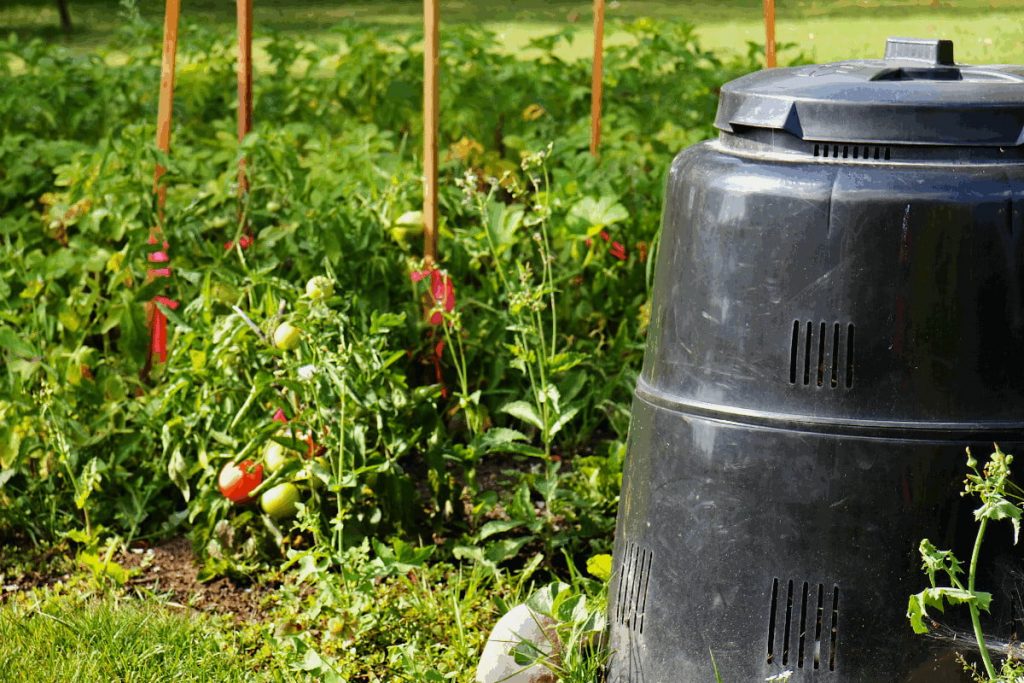
A sturdy plastic compost bin with a locking lid keeps smells down and pests out, which is perfect in smaller gardens.
Worm Composting (Vermicomposting)
Best for: flats, balconies, and sheltered corners
A wormery uses composting worms (often red wigglers) to break down food scraps quickly.
Great for veg peelings, coffee grounds, tea bags, and shredded paper.
Produces rich worm castings and liquid feed for pots and houseplants.
Compact and low-odour when managed correctly.
Look for a tiered worm bin with drainage and a tap at the bottom so you can collect worm tea easily.
Bokashi Buckets for Cooked Food
Best for: busy households with lots of plate scrapings
Bokashi is a closed, fermentation-style composting method that uses bran inoculated with beneficial microbes.
Handles cooked food, small amounts of meat, dairy, and leftovers.
Works in airtight buckets, so it suits kitchens or utility rooms.
The fermented material is then buried in soil or added to a compost bin to finish breaking down.
If your main goal is to send less food to general waste, Bokashi is one of the most flexible sustainable composting techniques to add to your routine.
Leaf Mould and “Cold” Composting
Best for: patient gardeners with access to leaves
If you have trees nearby or lots of dry, woody material:
Fill a wire cage or old compost sack with damp leaves.
Leave it undisturbed for 1–2 years.
You’ll end up with soft, crumbly leaf mould that’s amazing for improving soil structure.
This method is almost zero-effort and fits neatly alongside a main compost bin or wormery.
What You Can and Can’t Add to Compost
Good sustainable composting techniques rely on the right ingredients. Aim for a mix of “greens” and “browns”.
Greens (Nitrogen-Rich Materials)
Add:
Fruit and vegetable peelings
Fresh grass clippings
Spent annual plants and soft prunings
Coffee grounds and tea bags (plastic-free)
Greens help the pile heat up and break down quickly.
Browns (Carbon-Rich Materials)
Balance greens with:
Dry leaves and straw
Shredded cardboard and plain paper
Egg boxes and toilet roll tubes
Sawdust from untreated wood
Browns soak up excess moisture and keep the structure airy.
Materials to Avoid or Limit
Meat, fish, and dairy (unless using Bokashi)
Oily or heavily cooked foods
Glossy magazines and plastic-coated packaging
Pet waste from carnivorous animals
A good rule of thumb: if it was once alive and isn’t too oily or treated, it probably belongs in compost.
How to Start a Simple Sustainable Compost System
Once you’ve chosen your method, follow these steps to get things going smoothly.
1. Pick a Suitable Location
Place compost bins on bare soil if you can, so worms and microbes can move in.
Choose a spot with light shade so the bin doesn’t dry out.
For flats, keep wormeries or Bokashi buckets in a cool, stable spot like a utility room, under the stairs, or on a sheltered balcony.
2. Build in Layers
Think of your compost like a lasagne:
- Start with a loose base layer of twigs, cardboard, or straw for airflow.
- Add a layer of greens (kitchen scraps, fresh clippings).
- Cover with a layer of browns (shredded cardboard, dry leaves).
- Keep repeating greens then browns as you add more material.
3. Keep Moisture and Air Balanced
Healthy compost feels like a wrung-out sponge:
If it’s dry and dusty, sprinkle water and add more greens.
If it’s wet and smelly, add extra browns and turn the heap to add air.
In worm bins, check the bedding is damp but not waterlogged.

4. Turn or Mix as Needed
Traditional bins: turn every 2–4 weeks to speed things up and prevent compacted layers.
Wormeries: occasionally fluff the top layer gently, but avoid constant disturbance.
Bokashi: don’t stir at all; just drain the liquid regularly and keep the lid sealed.
Frequent turning isn’t essential for sustainable composting techniques to work, but it does reduce waiting time.
5. Be Patient While It Matures
Depending on the method and temperature, compost can be ready in 3–12 months:
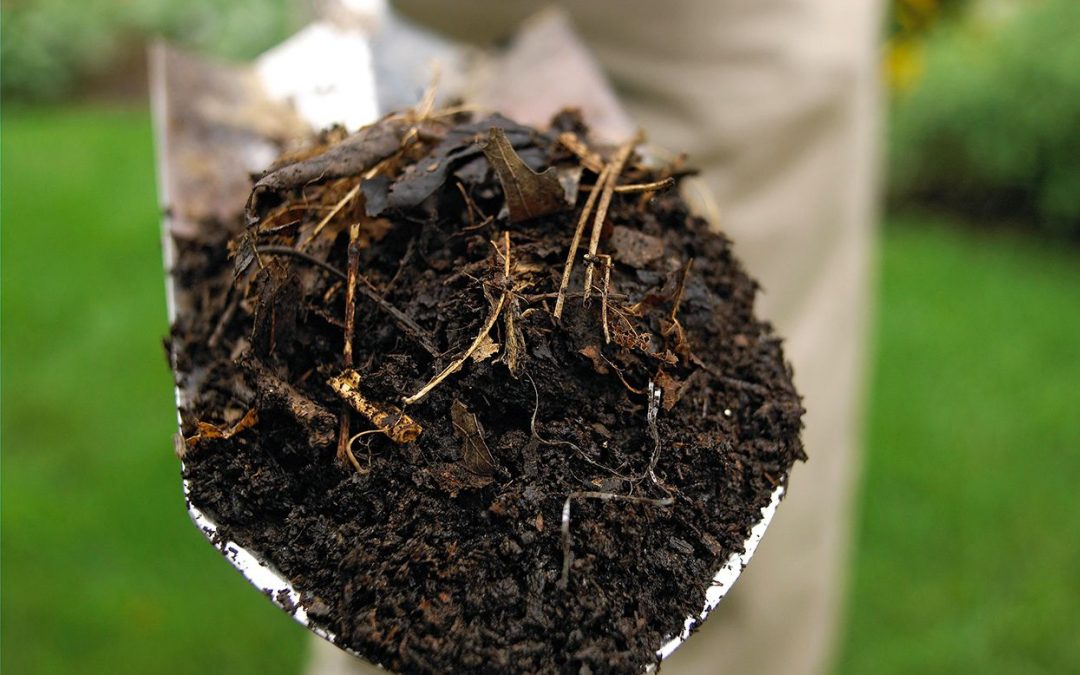
Finished compost is dark, crumbly, and smells pleasantly earthy.
You may still see a few sticks or eggshells – just sift them out and throw them back into a new batch.
Worm bins typically produce finished castings faster than a cold heap.
According to trusted gardening organisations like the Royal Horticultural Society, well-balanced compost is one of the best long-term ways to improve soil health and reduce reliance on synthetic fertilisers.
Using Your Finished Compost Effectively
When your compost is ready, there are plenty of ways to use it around your indoor and outdoor garden:
Mulch around shrubs and perennials to conserve moisture and suppress weeds.
Top-dress containers and raised beds at the start of the growing season.
Blend into potting mixes (10–30% compost to 70–90% bought compost) to stretch bagged mixes further.
Condition tired soil in beds where heavy feeders have been grown repeatedly.
Common Sustainable Composting Problems (and Simple Fixes)
Bin smells bad or like rotten eggs
Likely cause: too many wet greens and not enough air.
Add dry browns (cardboard, paper, leaves).
Turn the heap or poke air holes through the pile.
Avoid adding large amounts of cooked food to open bins.
Pile is dry and not breaking down
Likely cause: too many browns and not enough moisture.
Lightly water the pile with a watering can.
Add more fresh greens like peelings or grass clippings.
Cover the top with cardboard or a lid to reduce evaporation.
Lots of fruit flies or small insects
Always bury food scraps under a layer of browns.
Keep lids closed properly.
For indoor systems, use a small compost caddy with a charcoal filter so scraps are covered until you empty them.
FAQs About Sustainable Composting Techniques
1. Can I compost if I live in a flat with no garden?
Yes. Worm composting and Bokashi buckets are ideal for flats. They’re compact, low-odour when used correctly, and turn kitchen scraps into material you can give to friends with gardens, add to planters, or use when you move.
2. How long does it take to get usable compost?
In an active, well-balanced bin, you can usually get usable compost in 3–6 months. Cooler piles or low-maintenance systems may take closer to a year. Turning regularly and keeping moisture right speeds things up.
3. Is homemade compost safe for houseplants?
It is, as long as it’s fully broken down. Mix a small amount of finished compost into your usual houseplant mix rather than using it pure, which can be too rich and heavy in pots.
4. Do I need special compost activators?
Most of the time, no. A good mix of greens and browns plus a handful of garden soil or old compost to “seed” microbes is enough. Activator products can help jump-start a new heap, but they’re optional rather than essential.
Final Thoughts on Sustainable Composting Techniques
Sustainable composting techniques are one of the easiest ways to make your gardening more eco-friendly and cost-effective. By choosing a method that suits your space, balancing greens and browns, and fixing small problems early, you can turn everyday waste into a powerful resource for your plants.
Start small with one simple system, get used to the routine, and slowly scale up if you enjoy it. Over time, you’ll see lighter rubbish bags, richer soil, and healthier plants – all thanks to the compost you’ve created yourself.