
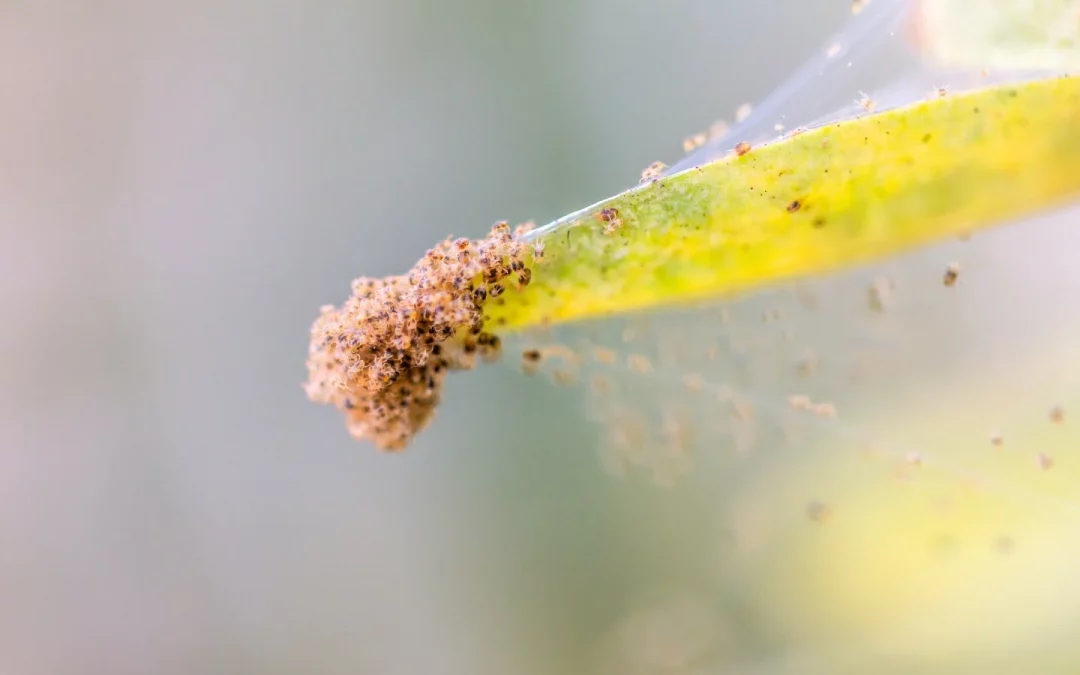
Spider mites on indoor plants usually show up as pale speckling, dusty-looking leaves, and fine webbing — often when your home is warm and dry. The fix isn’t one magic spray. It’s a simple routine done properly and repeatedly.
Contents
- 0.1 How to identify spider mites on indoor plants
- 0.2 Why spider mites keep showing up indoors
- 0.3 How to get rid of spider mites on indoor plants
- 0.4 Humidity and airflow that make mites struggle
- 0.5 Spider mites vs thrips: a fast way to tell
- 0.6 Can you get rid of spider mites without chemicals?
- 0.7 When spider mites keep coming back
- 0.8 FAQs About Spider Mites on Indoor Plants
- 0.9 Final Thoughts on Spider Mites on Indoor Plants
- 0.10 Related Articles
- 1 Use One Simple System for Most Indoor Pests
Quick answer: spider mites on indoor plants
Quarantine the plant straight away (mites spread fast).
Rinse leaves thoroughly, focusing on undersides.
Use insecticidal soap (or horticultural oil) and repeat every 5–7 days for 3–4 rounds.
Raise humidity slightly and improve airflow so mites struggle to rebound.
Keep checking for two weeks after you think they’re gone.
Do this first: Take the plant to a sink/shower and rinse the undersides of leaves with lukewarm water for 30–60 seconds per plant.
If dusty leaves are making it harder to spot the early speckling, Clean Dust Off Indoor Plant Leaves shows a quick routine that makes inspections easier.
How to identify spider mites on indoor plants
Spider mites are tiny (often hard to see), so you’re usually looking for damage patterns first.
Common signs:
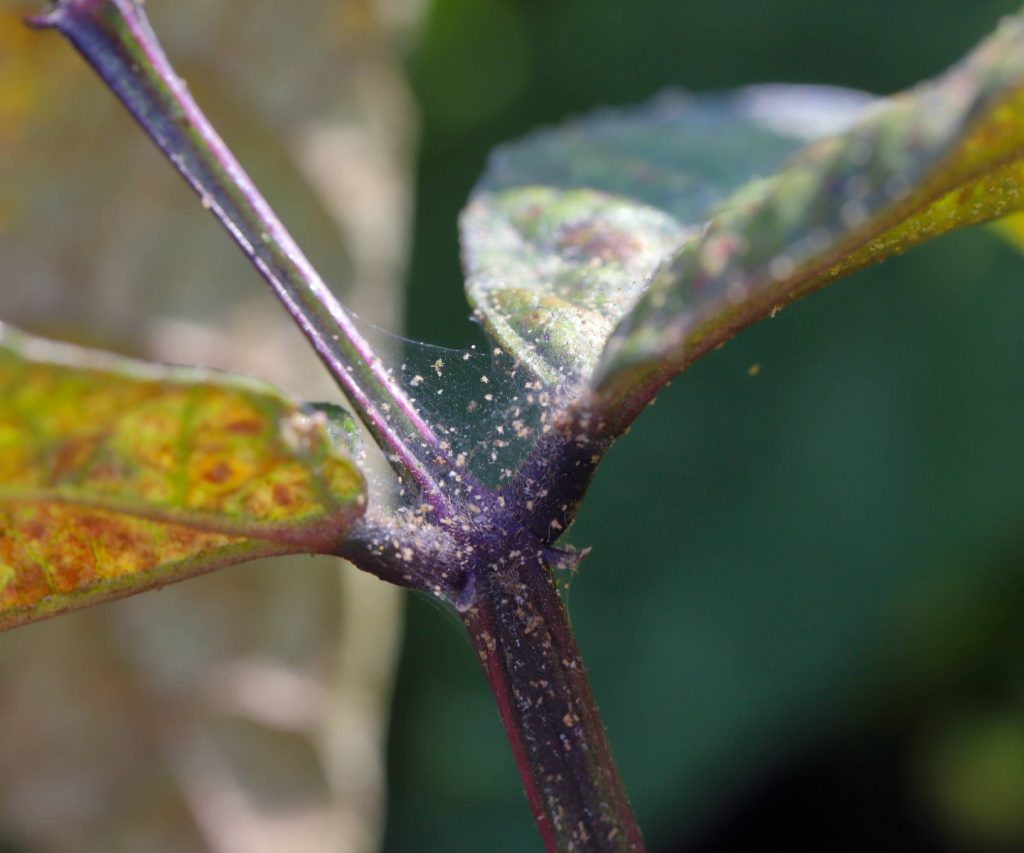
Fine speckling (tiny pale dots) across the leaf surface
Dusty, dull leaves that never look clean
Fine webbing around nodes, stems, or leaf undersides
Leaves turning bronze, grey, or washed-out over time
Tiny moving “dots” on the underside (a magnifier helps)
Quick tap test: Hold white paper under a leaf and tap it. If tiny specks fall and move, that’s a strong clue.
Why spider mites keep showing up indoors
Spider mites thrive in warm, dry conditions, which is why they love heated rooms and plants near radiators or sunny windows.
They also spread easily because:
they hide along veins and in tight new growth
infestations build quietly before you notice
stopping treatments early lets survivors rebound
How to get rid of spider mites on indoor plants
The key is knocking numbers down fast, then repeating to catch the next wave.
1) Quarantine and remove the worst damage
Before any treatment, move the plant away from others. Then remove badly damaged leaves if it won’t strip the plant bare.
This reduces the breeding population and makes treatments more effective.
2) Wash the plant properly
Washing is underrated. A strong rinse to the undersides can remove a lot of mites straight away.
Use lukewarm water
Focus on undersides
Repeat every few days during the first week if you can
3) Treat with a plant-safe spray and repeat
After washing, use a proper treatment and repeat it on schedule.
A solid option is an insecticidal soap concentrate for houseplants (follow directions and test one leaf first).
Repeat schedule that works:
Treat on day 1
Repeat every 5–7 days
Do 3–4 rounds total
Stopping when it “looks better” is the most common reason spider mites come back.
A hand pump plant sprayer helps coat undersides evenly without soaking your room.
Humidity and airflow that make mites struggle
Spider mites prefer drier air, so improving conditions slightly makes your treatments work better.
Keep it simple:
group plants loosely (not crowded)
aim for steadier humidity (not constant misting)
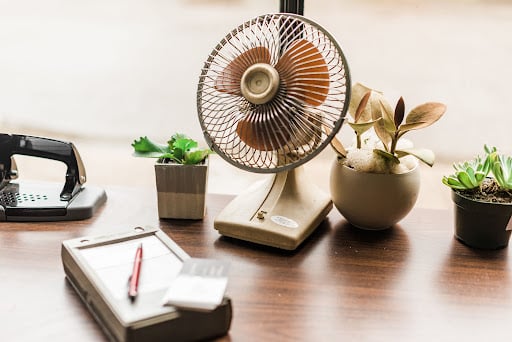
use gentle airflow so leaves dry after washing/spraying
If you want a practical way to balance this without guessing, Balance Humidity for Indoor Plants is a helpful reference.
If your plants sit in still air a lot (which can worsen overall stress), Air Circulation and Indoor Plant Health explains easy airflow upgrades.
Spider mites vs thrips: a fast way to tell
They can look similar at first, but the damage pattern usually gives it away.
Spider mites: fine stippling + webbing (often starts on undersides)
Thrips: silvery streaks/scrapes + black specks (droppings), usually less webbing
If you’re seeing more silvery streaking than speckling, Thrips Indoor Plants is the better match.
Can you get rid of spider mites without chemicals?
Often, yes — if you catch them early.
A “gentle” approach:
rinse undersides every few days
wipe leaves
increase humidity slightly
keep the plant in stable light and watering so it isn’t stressed
If you want an extra tool in the kit for follow-up control, Neem Oil for Indoor Plants explains how to use it indoors without going heavy.
When spider mites keep coming back
If you’ve treated and they return, it’s usually one of these:
treatments weren’t repeated long enough
undersides/new growth weren’t coated
nearby plants weren’t checked
the plant is stressed (too dry, too hot, inconsistent watering)
A quick “reset” that often works:
- wash thoroughly
- treat on a strict 5–7 day schedule
- check all nearby plants weekly for 2–3 weeks
When you use any pest control product, it’s worth following the label exactly — National Pesticide Information Center highlights that reading and following label directions is a key part of safer use.
FAQs About Spider Mites on Indoor Plants
Do spider mites live in the soil?
They mainly live on leaves, but some life stages can drop down and then return. That’s why repeat treatments and checking nearby plants matter.
How long does it take to get rid of spider mites?
Usually 2–4 weeks of consistent treatment. You’ll often see improvement quickly, but the repeat schedule is what stops the rebound.
Do sticky traps help with spider mites?
They can catch other flying pests, but spider mites mostly stay on leaves. Traps are better for fungus gnats than mites.
Should I throw the plant away?
If it’s heavily infested and spreading to other plants, removing the worst plant can protect the rest — especially if it’s easily replaceable.
Final Thoughts on Spider Mites on Indoor Plants
Spider mites are annoying, but the routine is straightforward: quarantine, wash undersides, treat properly, and repeat on schedule. Add steadier humidity and gentle airflow, and you’ll make your home a lot less “mite-friendly”. Stay consistent for a few weeks and most infestations burn out.
Related Articles
Make pest problems easier to handle without panic
Use One Simple System for Most Indoor Pests
Spider mites are easier to beat when you follow the same steps every time: isolate, clean, treat thoroughly, and repeat. If you want a clear page that helps you identify pests first and choose a sensible treatment plan, this next read brings everything together.