
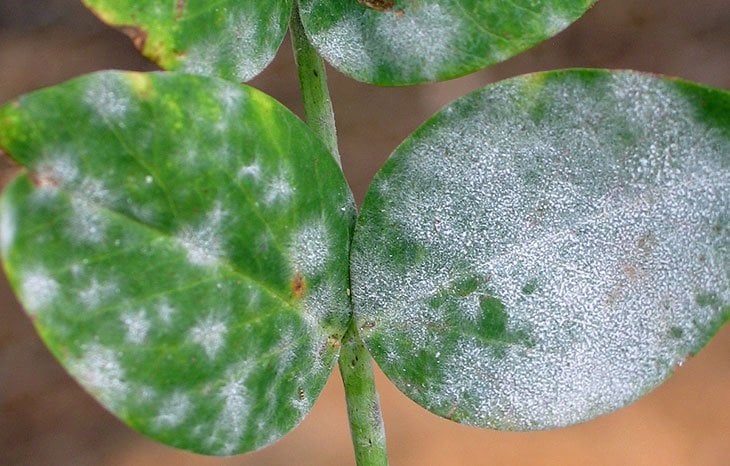
Powdery mildew on indoor plants looks like a pale, dusty coating on leaves — and it can spread surprisingly quickly in still, humid rooms. The good news is you can usually stop it with better airflow, less leaf-wetting, and a repeatable treatment routine.
Contents
- 0.1 What powdery mildew looks like indoors
- 0.2 Why powdery mildew happens on indoor plants
- 0.3 Fast steps to stop it spreading
- 0.4 Treatment options that work indoors
- 0.5 Fix the conditions or it comes back
- 0.6 Quick “what if…” answers people search for
- 0.7 FAQs About Powdery Mildew on Indoor Plants
- 0.8 Final Thoughts on Powdery Mildew on Indoor Plants
- 0.9 Related Articles
- 1 Build a Simple Weekly Plant Check Routine
Quick answer: powdery mildew on indoor plants
Isolate the plant and remove the worst affected leaves.
Improve airflow and keep leaves dry (water the soil, not the foliage).
Treat early with a plant-safe anti-mildew spray and repeat weekly.
Stop misting in the evening and avoid overcrowding plants.
Clean up fallen leaves and wipe nearby surfaces to reduce spores.
Do this first: Move the plant to a brighter spot with gentle airflow, then snip off the most affected leaves (don’t compost them indoors).
If you want a simple “identify first, then treat” reference that covers most common houseplant issues, Indoor Plant Pest Guide: Identify and Treat Pests Fast is useful alongside mildew troubleshooting.
What powdery mildew looks like indoors
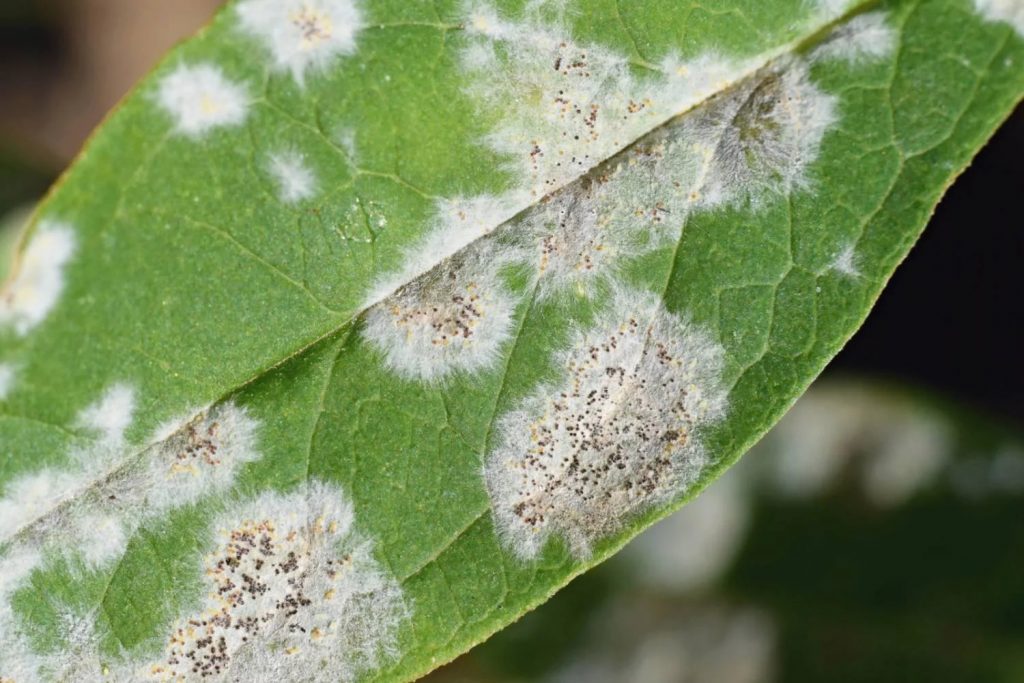
Powdery mildew is usually easy to recognise once you’ve seen it once. It looks like:
a white/grey dusty coating on the leaf surface
patches that spread outwards over time
leaves that look dull, slightly mottled, or weak
It often starts on:
the top of leaves (common)
crowded inner leaves where air doesn’t move
plants kept in warm rooms with still air
Quick check: wipe a small patch with your finger. If it smears like flour, it’s likely powdery mildew (not mineral water marks).
Why powdery mildew happens on indoor plants
Powdery mildew doesn’t always mean your plant is “dirty” — it’s usually a conditions problem.
Common indoor triggers:
still air (no airflow around leaves)
plants packed too tightly on shelves/windowsills
warm days + cooler nights near windows
frequent misting or damp leaves that stay wet too long
stressed plants (inconsistent watering, low light, weak growth)
If you’re misting mainly to help humidity, it’s worth knowing that it can sometimes create the exact leaf conditions mildew enjoys — How Often to Mist Indoor Plants helps you decide when misting is actually worth it.
Fast steps to stop it spreading
Before you even think about sprays, do the “boring basics” that make treatments work better.
Remove the worst leaves first
Snip off badly coated leaves (don’t strip the plant bare).
Bag the clippings and bin them.
Wipe your scissors afterwards.
If you’re trimming anything indoors, clean cuts help the plant recover faster — How to Prune Indoor Plants explains what to cut (and what to leave) without overdoing it.
Improve airflow immediately
A small airflow change can make a big difference:
move the plant slightly away from walls/windows
avoid tight corners and crowded shelves
open space between plants so leaves aren’t touching
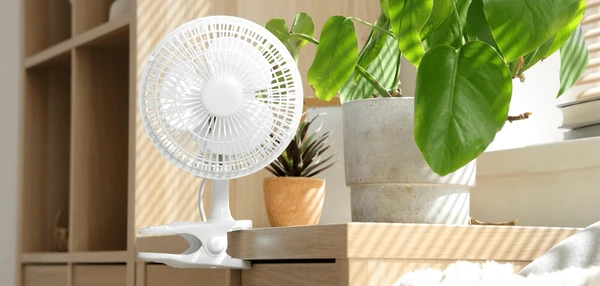
A small clip-on oscillating fan for indoor plants helps leaves dry and makes mildew less likely to rebound.
Treatment options that work indoors
Treatments work best when you catch mildew early and repeat rather than “one big spray”.
Option 1: Ready-to-use anti-mildew spray
Look for a plant-safe product designed for mildew control.
A plant-safe anti-fungal spray for powdery mildew is the simplest approach if you want a ready-made solution.
Option 2: Gentle, repeatable routine (the part most people skip)
Whatever you use, consistency matters:
treat once
repeat in 7 days
repeat again if you still see new patches
Tip: Always test a small area first (some plants are sensitive).
Fix the conditions or it comes back
You can spray mildew and still lose the battle if the room stays perfect for mildew.
Watering tweaks that help
water the soil, not the leaves
empty saucers so roots aren’t stressed
avoid constant dampness
If you suspect the plant is staying wet too long (which adds stress and weak growth), Improve Indoor Plant Drainage is a useful fix-it read.
Light and spacing
Mildew loves shaded, still areas.
give the plant brighter indirect light
thin crowded growth (light pruning)
space plants so air can move between them
For practical home treatment, University of Minnesota Extension’s powdery mildew guidance highlights that improving airflow and using suitable fungicides can help manage powdery mildew — which is why indoor fixes work best when you change conditions and treat consistently
Quick “what if…” answers people search for
What if powdery mildew keeps returning?
Usually one of these:
you didn’t remove the worst leaves first
airflow is still poor
you stopped treatment too early
plants are crowded and touching
A simple reset that often works:
- remove worst leaves
- improve airflow
- treat weekly for 3 weeks
- What if it’s on new growth only?
That often means the infection is building in the tightest, most sheltered area. Open up space gently and focus treatment on the newest leaves (undersides too).
What if you see spots as well as powder?
That can mean multiple issues (leaf spot + mildew or general stress). If you’re unsure, it can help to stabilise care first: good light, sensible watering, and airflow.
FAQs About Powdery Mildew on Indoor Plants
Is powdery mildew dangerous to other plants?
It can spread, especially in still air and crowded shelves. Isolating the plant early helps a lot.
Should you wipe powdery mildew off leaves?
You can gently wipe light patches, but don’t rely on wiping alone. Removing badly affected leaves and treating on a schedule is usually more effective.
Does misting cause powdery mildew?
Misting doesn’t always “cause” it, but it can create leaf conditions that encourage mildew, especially if leaves stay damp with poor airflow.
Can powdery mildew kill an indoor plant?
Severe, ongoing mildew can weaken a plant and lead to leaf drop. Most plants recover well if you act early and fix the conditions.
Final Thoughts on Powdery Mildew on Indoor Plants
Powdery mildew on indoor plants is fixable, but it rewards the simple stuff: remove the worst leaves, improve airflow, and repeat treatment long enough to break the cycle. If you also cut back on leaf-wetting and avoid crowding plants together, it’s much less likely to return.
Related Articles
Make plant problems easier to prevent than cure
Build a Simple Weekly Plant Check Routine
Mildew is much easier to stop when you catch it early. A quick weekly routine — checking leaves, removing weak growth, and keeping airflow sensible — prevents small patches turning into a full re-infection cycle.