
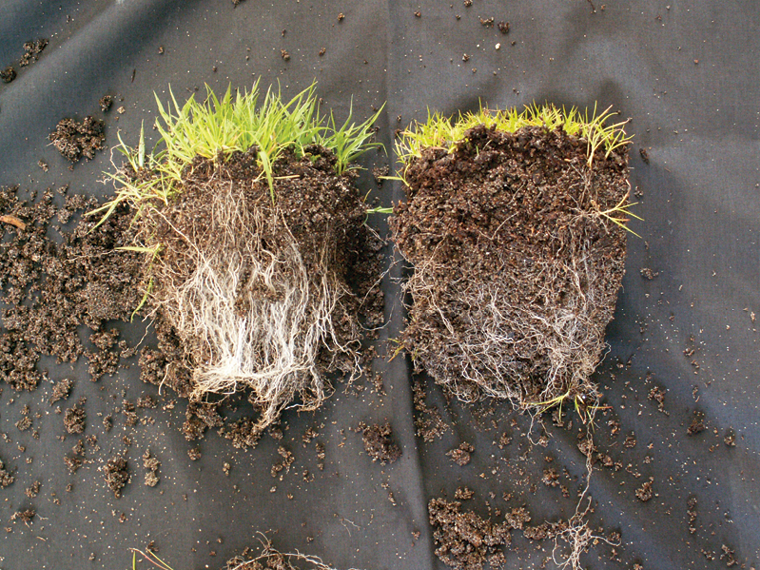
If you want stronger roots, lusher foliage, and plants that bounce back faster from stress, mycorrhizal fungi are worth knowing. These tiny allies live around plant roots and quietly improve how well indoor plants use water and nutrients.
In this guide we’ll look at what mycorrhizal fungi are, how they benefit indoor gardens, and simple ways to use them in pots, planters, and grow bags at home.
Contents
- 0.1 What Are Mycorrhizal Fungi?
- 0.2 Benefits of Mycorrhizal Fungi in Indoor Pots
- 0.3 When to Use Mycorrhizal Fungi Indoors
- 0.4 How to Apply Mycorrhizal Fungi in Containers
- 0.5 Combining Mycorrhizal Fungi with Fertilizers
- 0.6 FAQs About Mycorrhizal Fungi for Indoor Gardens
- 0.7 Final Thoughts on Mycorrhizal Fungi for Indoor Gardens
- 0.8 Related Articles
- 1 Build Healthier Soil for Thriving Indoor Plants
What Are Mycorrhizal Fungi?
Mycorrhizal fungi are beneficial fungi that grow in and around plant roots. Instead of harming the plant, they form a partnership:
The plant shares sugars it makes through photosynthesis.
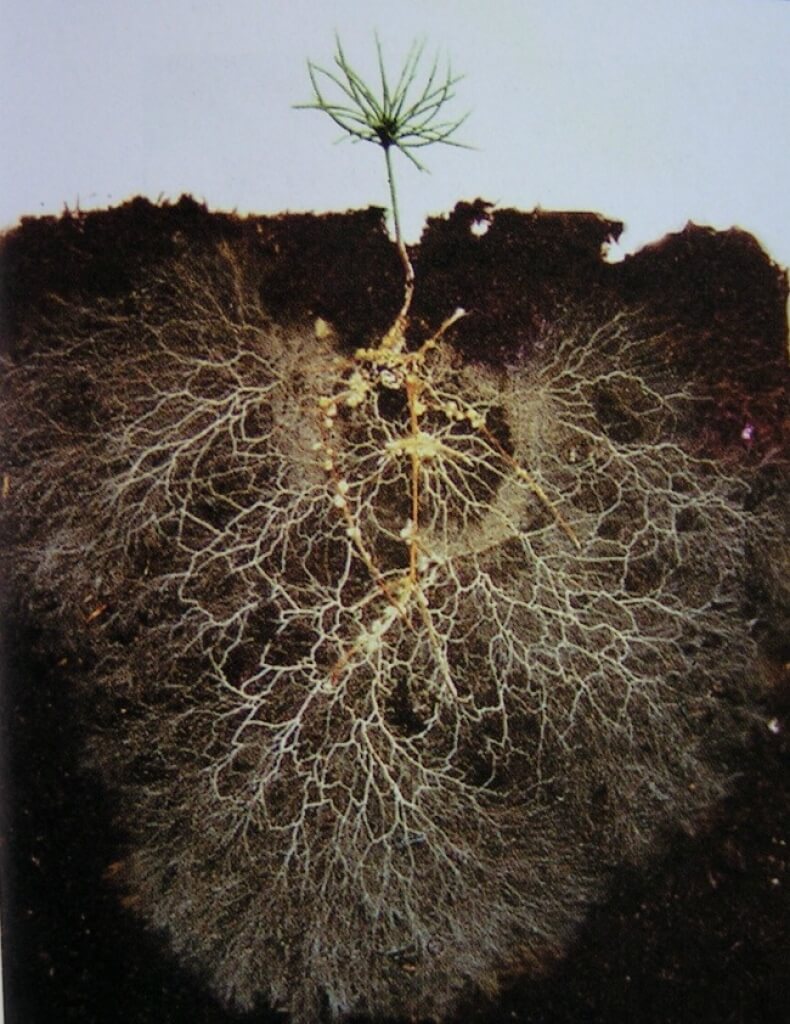
The fungi extend long, thread-like strands (hyphae) into the soil, greatly increasing the root system’s reach.
This network works like a supercharged root system. It helps plants access water and nutrients that ordinary roots might miss, especially phosphorus and micronutrients that are often locked up in potting mix.
Indoor plants grown in sterile or heavily processed soils don’t always get this natural partnership, which is why adding mycorrhizal fungi can make such a noticeable difference in containers.
Benefits of Mycorrhizal Fungi in Indoor Pots
Using mycorrhizal fungi in an indoor garden can bring several subtle but powerful benefits:
Stronger root systems – roots become more branched and resilient, so plants establish faster after repotting.
Improved nutrient uptake – fungi help plants use fertilizers more efficiently, so less feed is wasted.
Better drought tolerance – the fungal network reaches pockets of moisture that bare roots can’t, helping plants cope with missed waterings.
Greater resistance to stress – plants often handle low light, minor root damage, or occasional neglect more easily.
According to research on plant–fungus partnerships, mycorrhizal plants can show improved growth, nutrient content, and stress tolerance compared to non-mycorrhizal plants.
When to Use Mycorrhizal Fungi Indoors
Mycorrhizal fungi are most useful at moments when roots are forming or adjusting:
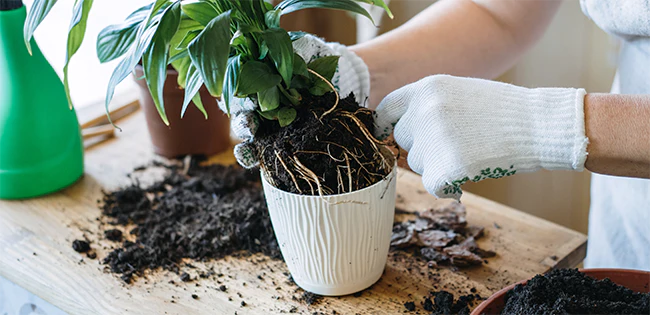
When potting up new houseplants from nursery containers into their permanent pots.
When repotting root-bound plants into larger containers with fresh mix.
When planting edibles like dwarf fruit trees, chillies, or herbs in indoor grow bags or deep pots.
After root stress, such as trimming damaged roots or recovering from mild root rot once the plant is stable again.
If a plant has very fine, delicate roots (like some ferns) or is already struggling badly, focus first on fixing watering and soil problems. Mycorrhizal fungi are a support, not a cure-all.
For more tips on building a basic care routine before adding extras, see the Indoor Garden Care guide once you’ve read this article.
How to Apply Mycorrhizal Fungi in Containers
Using mycorrhizal products indoors is simple – most come as powders or granules you add near the roots. Always follow the instructions on the packet, but the basic steps are:
- Prepare the pot
Fill the container partway with fresh, well-draining potting mix.
Make sure the pot has drainage holes so excess water can escape.
- Dust or sprinkle near the roots
For powders, lightly dust the rootball before placing it in the pot.
For granules, sprinkle a small amount into the planting hole or around the root zone.
- Backfill and water in
Fill the rest of the pot with mix, firming gently around the plant.
Water thoroughly once to help the fungi contact the roots and settle into the soil.
A granular mycorrhizal fungi inoculant for houseplants is easy to use during routine repotting and works well for most indoor containers.
You only need to apply once per planting; the fungi will continue living in the root zone as long as the plant stays healthy and you don’t completely replace all the soil.
Combining Mycorrhizal Fungi with Fertilizers
Mycorrhizal fungi don’t replace fertilizer – they help plants use it more efficiently. To get the best results:
Use a balanced, gentle fertilizer at half strength during the growing season.
Avoid overfeeding with very high-phosphorus products, which can sometimes reduce fungal activity.
Water deeply but less often so soil has time to breathe between waterings.
- A slow-release organic fertilizer formulated for indoor plants pairs well with mycorrhizal fungi, providing steady nutrition without harsh salt build-up.
If you’d like more help choosing feeds, the Organic vs Synthetic Fertilizers article on InsideGardenLife goes deeper into pros and cons of each type and when to use them indoors.
FAQs About Mycorrhizal Fungi for Indoor Gardens
1. Can I add mycorrhizal fungi to plants that are already potted?
Yes. Carefully scrape back the top few centimetres of soil, sprinkle the product around the base of the plant, and water it in. It’s not quite as effective as applying at planting time, but it still helps.
2. How long does it take to see results?
You won’t usually see overnight changes. Most people notice stronger growth, better recovery after watering mistakes, or fuller foliage over several weeks to a few months.
3. Will mycorrhizal fungi fix root rot or severe damage?
No. Root rot needs treatment first: remove affected roots, repot into fresh, well-draining mix, and adjust watering. Once the plant is stable, mycorrhizal fungi can help new roots re-establish.
4. Are mycorrhizal products safe to use indoors?
Used as directed, yes. They’re living soil organisms rather than harsh chemicals. Avoid inhaling dust, wash hands after use, and keep packets away from children and pets.
5. Do all indoor plants benefit from mycorrhizal fungi?
Most do, but a few plant families naturally don’t form strong mycorrhizal relationships. Still, for common houseplants, edibles, and flowering containers, adding fungi is usually helpful rather than harmful.
Final Thoughts on Mycorrhizal Fungi for Indoor Gardens
Mycorrhizal fungi may be invisible, but they’re powerful partners for indoor plants. By extending the root system, they help container-grown plants make better use of every drop of water and bit of fertilizer you give them.
You don’t need to dose every pot constantly – a light application during potting or repotting is usually enough. Focus on good basics first (light, watering, drainage, and gentle feeding), then use mycorrhizal fungi as a quiet boost behind the scenes.
With a healthy root–fungus partnership in place, your indoor garden will be better equipped to handle everyday stress and stay lush, green, and full of life.
Related Articles
GIVE YOUR ROOTS A STRONGER START
Build Healthier Soil for Thriving Indoor Plants
If you’re interested in supporting root health beyond mycorrhizal fungi, the Compost Tea for Indoor Plants guide is a great follow-up. It shows how to brew gentle, nutrient-rich teas that feed beneficial microbes and keep potting mix lively – perfect for pairing with fungal inoculants.