
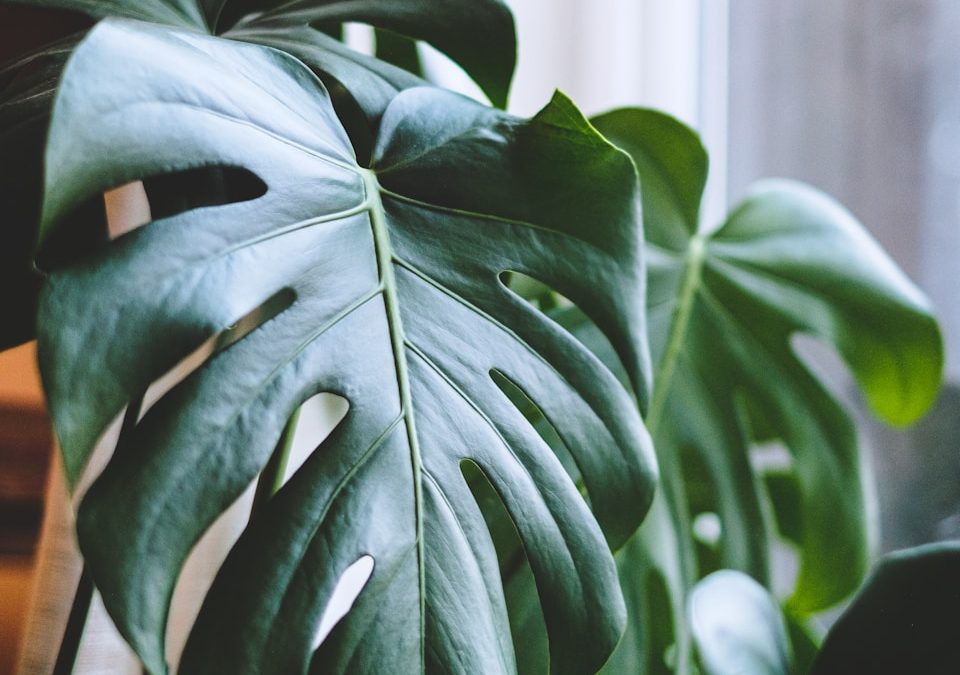
Good monstera deliciosa care indoors is mostly about three things: bright light, sensible watering, and the right potting mix. Get those right and monsteras are surprisingly easy — even in smaller homes.
Contents
- 0.1 Light: the fastest way to improve your monstera
- 0.2 Watering monstera indoors without root rot
- 0.3 The potting mix that makes monstera care easier
- 0.4 How to get bigger, more “split” monstera leaves
- 0.5 Feeding: keep it light and consistent
- 0.6 Quick fixes for common monstera problems
- 0.7 FAQs About Monstera Deliciosa Care Indoors
- 0.8 Final Thoughts on Monstera Deliciosa Care Indoors
- 0.9 Related Articles
- 1 Set Up a Routine That Keeps Leaves Healthy
Quick answer: monstera deliciosa care indoors
Put it in bright, indirect light (closer to a window than you think, but out of harsh sun).
Water only when the top layer dries, and never leave it sitting in water.
Use a chunky aroid-style potting mix so roots get air.
Support with a pole if you want bigger leaves and faster climbing growth.
Wipe leaves and check undersides regularly (dust + pests slow growth).
Do this first: Move your monstera to brighter indirect light for 10–14 days and stop “top-up watering” — wait until the top few centimetres are dry, then water properly.
If you want a simple baseline routine that prevents most houseplant issues from snowballing, the Indoor Plant Maintenance Routine page is a handy companion.
Light: the fastest way to improve your monstera
Monsteras will survive in lower light, but they often:
grow leggy (long gaps between leaves)
stay small
produce fewer “split” leaves (fenestrations)
What “bright indirect light” looks like: a spot where you can comfortably read during the day without switching lights on. Avoid strong midday sun directly on leaves if it scorches your room.
Quick win: rotate the pot every week or two. That alone can fix the “leaning” look.
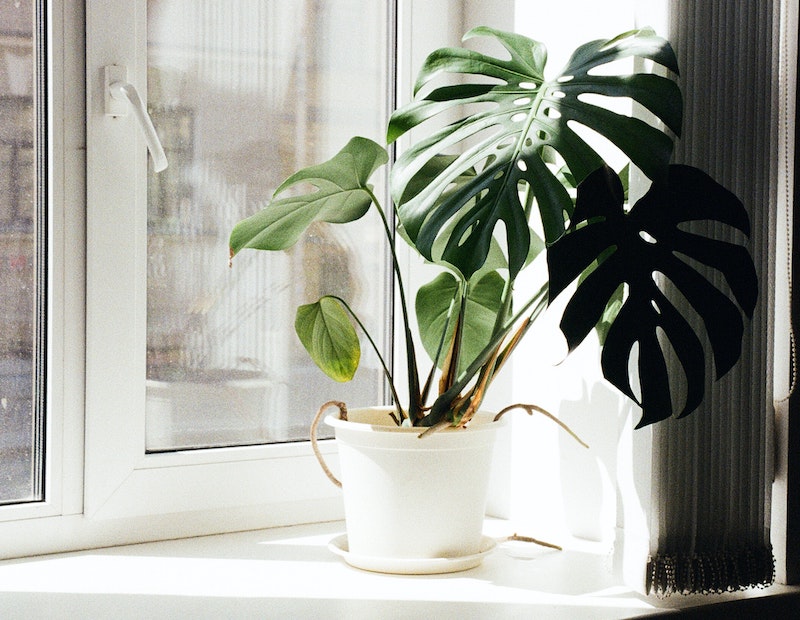
If you’re unsure what indoor light levels really mean (and what actually helps plants grow well indoors), Best Lights for Indoor Gardening clears it up simply.
Watering monstera indoors without root rot
Most monstera problems start with watering that’s too frequent, not too little.
A safe watering rhythm:
Let the top 3–5 cm dry out first.
Water thoroughly until excess drains out.
Empty the saucer/cachepot so roots aren’t sitting in water.
Signs you’re watering too often:
yellowing lower leaves
soft stems near the base
compost that stays wet for ages
a musty smell
If you want a clear, practical checklist for soggy soil problems (and how to fix them), Improve Indoor Plant Drainage pairs perfectly here.
Monstera problems often come down to indoor conditions rather than “mystery disease” — Missouri Botanical Garden’s Monstera deliciosa profile notes it prefers bright, indirect light and evenly moist (not waterlogged) conditions, which is why steady light and careful watering solve most issues.
The potting mix that makes monstera care easier
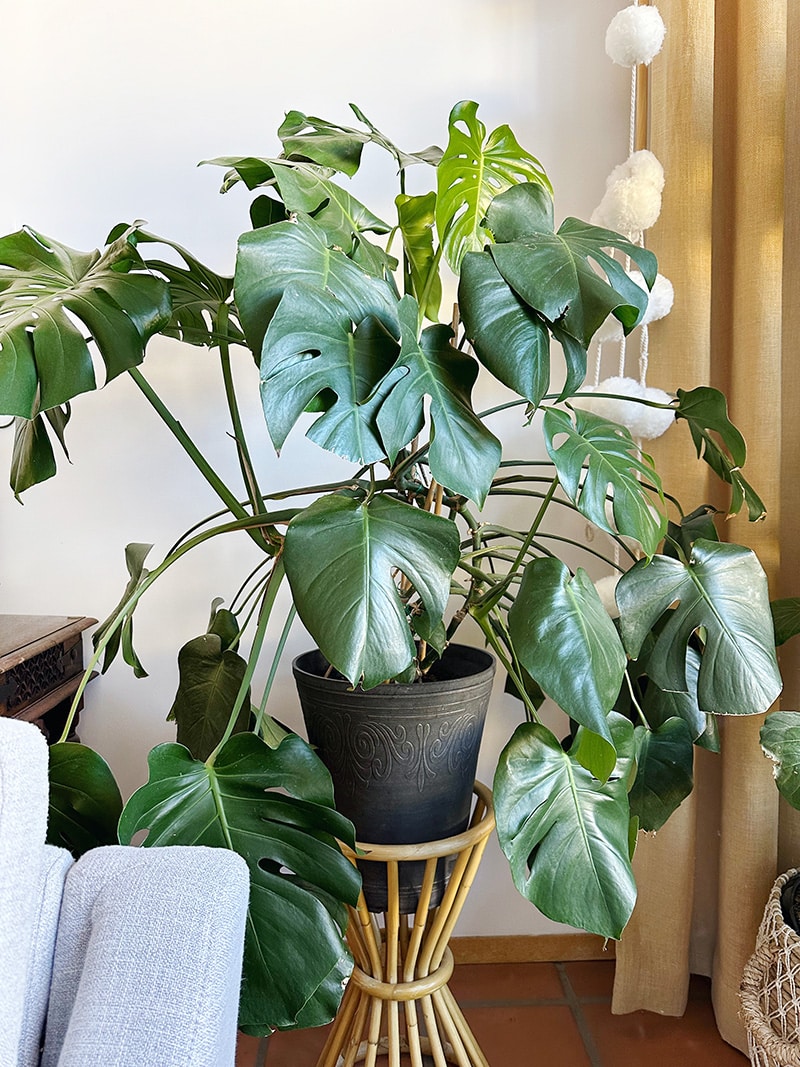
Monsteras want air around their roots. Dense, soggy compost is where problems begin.
What you want:
a mix that drains fast but still holds a little moisture
chunky particles (bark/perlite-type texture)
a pot with drainage holes
A chunky aroid potting mix helps a lot if your current compost stays wet or compacted.
Simple test: if you water and it takes ages to run through, or the surface stays wet for days, the mix is probably too heavy.
How to get bigger, more “split” monstera leaves
Those iconic splits happen when the plant is strong enough — and the indoor setup supports it.
Give it enough light (most important)
More light (still indirect) usually means:
stronger leaf growth
better chances of fenestrations
sturdier stems
Let it climb
Monsteras are climbers. When they have something to climb, leaves often mature faster.
A coir moss pole for indoor plants is a simple support option that helps it grow upward instead of sprawling.
Quick tip: loosely tie stems (not leaves) to the pole and keep it stable in the pot.
Don’t overpot
A pot that’s too large can stay wet too long. Move up one size at a time.
Feeding: keep it light and consistent
Monsteras aren’t heavy feeders, but they respond well to gentle feeding during active growth.
A simple plan:
feed lightly in brighter months (monthly is plenty for most homes)
pause or reduce a lot when growth slows
If you want a simple way to avoid overdoing it, How Often to Fertilize Indoor Plants makes feeding schedules much easier to follow.
Quick fixes for common monstera problems
Why are my monstera leaves curling?
Usually one of these:
compost too dry for too long
too much heat or dry air
strong light hitting the leaf directly
Fix:
water properly once the top layer dries
keep away from radiators
aim for steady, bright indirect light
Why does my monstera have no splits?
Most often: not enough light, plant is still young, or it isn’t climbing yet.
Fix:
brighten the spot
add a support pole
be patient — mature leaves come with consistent conditions
Yellow leaves: what it usually means
One or two lower leaves yellowing occasionally can be normal.
Several yellowing at once often points to overwatering.
Fix:
let it dry a bit more between watering
improve drainage and airflow
If you’re seeing lots of yellow and can’t pin down why, Why Indoor Plants Turn Yellow helps you narrow it down quickly.
Brown tips
Common causes:
inconsistent watering
salt build-up from feeding
dry air
Fix:
keep watering steadier
feed lighter
wipe leaves and avoid letting compost stay soggy
If brown tips are the main issue, Brown Leaf Tips Indoor Plants is the best troubleshooting companion.
FAQs About Monstera Deliciosa Care Indoors
How often should you water a monstera indoors?
When the top few centimetres are dry. In brighter, warmer rooms that may be weekly; in winter it’s often less.
Should you mist a monstera?
It isn’t essential. Good airflow and steady watering usually matter more than misting.
When should you repot monstera?
When roots are circling the pot or pushing out drainage holes, or watering runs straight through too quickly.
Can monstera handle low light?
It can survive, but growth is slower and leaves often stay smaller with fewer splits.
Final Thoughts on Monstera Deliciosa Care Indoors
If your monstera isn’t thriving, don’t overhaul everything at once. Start with light and watering — brighter indirect light and letting the compost dry slightly between thorough waterings fixes the majority of issues. Add a chunky mix and a support pole when you’re ready, and you’ll usually see stronger growth and better leaves within a few weeks.
Related Articles
GIVE YOUR WHOLE INDOOR GARDEN A GLOW-UP
Set Up a Routine That Keeps Leaves Healthy
Monsteras do best when you keep the basics steady: bright light, breathable compost, and watering that lets roots get air between drenches. A simple routine helps you spot problems early, keep leaves clean, and prevent the slow decline that comes from “little top-up watering” every few days.