
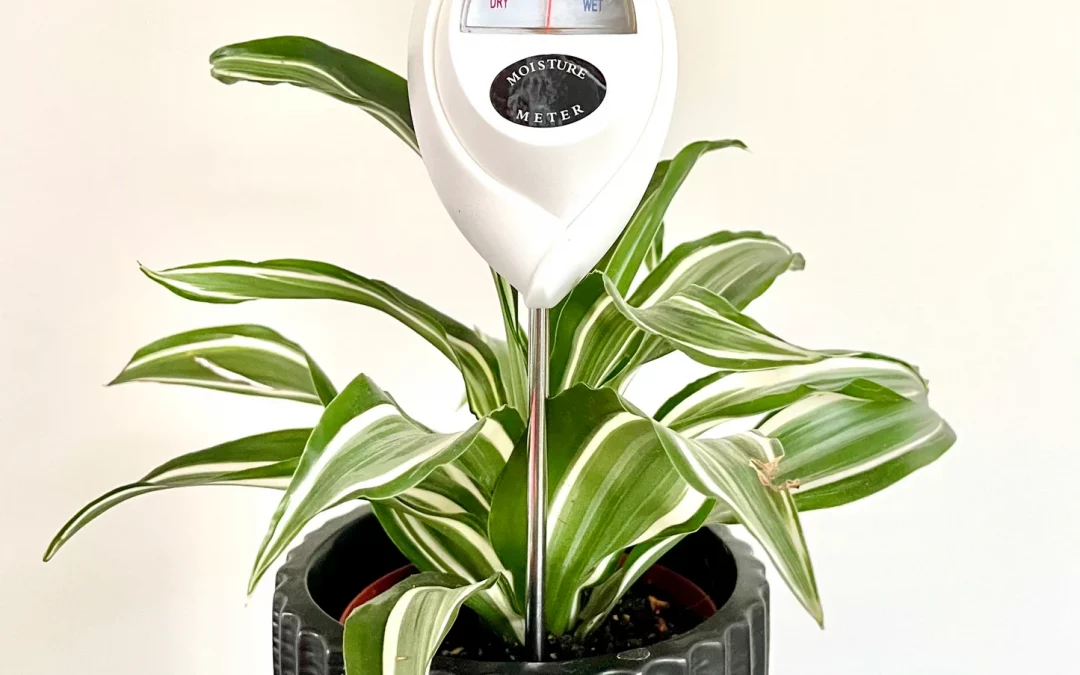
Moisture meters for indoor plants can be brilliant for stopping overwatering — if you use them the right way and don’t treat the dial like gospel. The big win is learning what “dry” means at root level, not just at the surface.
If watering always feels like guesswork, Indoor Plant Watering Mistakes is a useful companion read because it explains the common patterns that cause soggy soil and stressed roots.
Contents
- 0.1 What a moisture meter actually measures
- 0.2 When moisture meters help most and when they don’t
- 0.3 How to use moisture meters for indoor plants
- 0.4 The most common false readings (how to fix them fast)
- 0.5 Use the meter to build a watering rhythm (not a rigid timetable)
- 0.6 Long-tail quick answers
- 0.7 Helpful tools that make moisture meters more accurate
- 0.8 FAQs About Moisture Meters for Indoor Plants
- 0.9 Final Thoughts on Moisture Meters for Indoor Plants
- 0.10 Related Articles
- 1 Turn Guesswork Into a Quick 10-Second Check
Quick answer: moisture meters for indoor plants
Insert the probe near the root zone, not right against the stem.
Take 2–3 readings in different spots (pots don’t dry evenly).
Trust the meter most in standard potting compost, less in chunky mixes.
Always cross-check with the basics: pot weight + soil feel.
Use the meter to build a routine, not a rigid schedule.
Do this first: Take one reading, lift the pot, then take a second reading. If the meter says “wet” but the pot feels light, you’ve found a false reading.
What a moisture meter actually measures
Most basic moisture meters estimate moisture through electrical conductivity in the potting mix. That’s why results can get weird in mixes that are very chunky, very dry in pockets, or packed with fertiliser salts.
Used as a trend tool (wet → moist → dry), they’re still extremely helpful — especially if you’ve had root rot before or you’re looking after lots of plants.
When moisture meters help most and when they don’t
A meter helps most when:
you’re prone to watering “just in case”
plants sit in decorative cachepots that hide the soil
pots are deep (surface feels dry but the bottom stays wet)
A meter is less reliable when:
the mix is very chunky (orchid bark, big perlite chunks, LECA-heavy blends)
the soil is compacted and drying unevenly
there’s lots of mineral build-up from feeding
If the pot stays wet for ages (even when you’re sure you’re watering carefully), Why Indoor Plant Soil Smells Bad is a good troubleshooting checklist for drainage, pot size, and trapped water.
How to use moisture meters for indoor plants
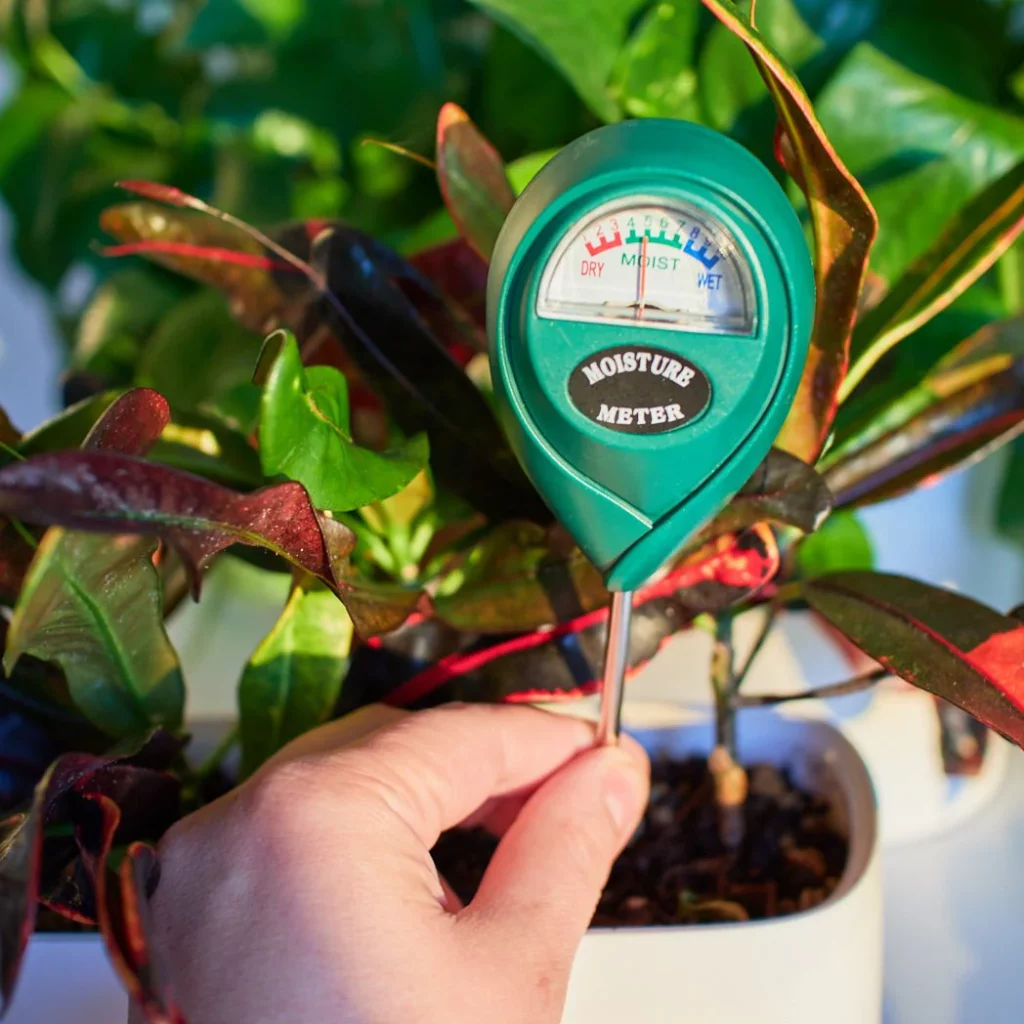
Before you start, wipe the probe clean (old residue can affect the reading). Then use this approach:
Step 1: Place the probe where roots actually are
Aim halfway between the stem and the pot edge
Insert down toward the root zone (deeper for larger pots)
Don’t force it if you hit resistance — move slightly and try again
Step 2: Take 2–3 readings
Pots rarely dry evenly. One side might be wetter (especially near walls, windows, or where you always pour water).
A simple habit:
Read near the edge
Read opposite edge
Read closer to the centre (not right at the stem)
Step 3: Cross-check (this is what keeps you accurate)
Lift the pot: heavy usually means wet; light usually means dry
Feel the soil: a quick finger test near the surface still tells you a lot
Look at the plant: droop + dry reading + light pot is a strong “water now” combo
University of Illinois Extension notes that watering on a strict schedule often doesn’t work because so many factors affect drying, and it recommends checking the soil directly rather than relying on timing alone.
The most common false readings (how to fix them fast)
“Wet” but the plant looks thirsty
This often happens when:
the probe is sitting in a wet pocket
the bottom is wet but the root zone is dry
salts from feeding are skewing the conductivity
Fix: Take multiple readings, and water in a way that re-wets evenly (slow, thorough water, then let excess drain).
“Dry” but the soil feels cool and damp
This can happen if the probe didn’t make good contact with the soil, or the mix is very chunky.
Fix: Reinsert in a different spot, and make sure the probe is firmly in contact with the mix (without forcing).
“Always wet” readings in winter
Lower light + cooler temps = slower drying. The meter may be right — and that’s a good warning sign.
Fix: Let the plant dry a little more between waterings, and prioritise drainage.
Use the meter to build a watering rhythm (not a rigid timetable)
A realistic goal isn’t “water every X days”. It’s:
check more often
water only when the plant is genuinely ready
If you like the idea of a simple repeatable habit (so you actually keep up with checks), Indoor Plant Maintenance Routine fits naturally alongside moisture meter use.
Long-tail quick answers
Where should you put a moisture meter in a pot?
Halfway between the stem and the pot edge, aimed toward the root zone. Avoid pushing it right against the stem where readings can be misleading.
Can a moisture meter stop root rot?
It can help prevent the most common cause (watering too soon), but drainage and pot choice still matter. A “wet” reading is a cue to wait, not a guarantee the plant is safe.
Why does the top feel dry but the meter says wet?
Deep pots often stay wet at the bottom. That’s normal — and it’s why meters can be helpful. Cross-check with pot weight and drainage.
Do moisture meters work in chunky mixes?
They can be less consistent. Use them as a rough trend tool and rely more on pot weight and plant signals.
Helpful tools that make moisture meters more accurate
A basic soil moisture meter for houseplants is usually enough for most indoor pots, especially if you use it for trends and confirm with pot weight.
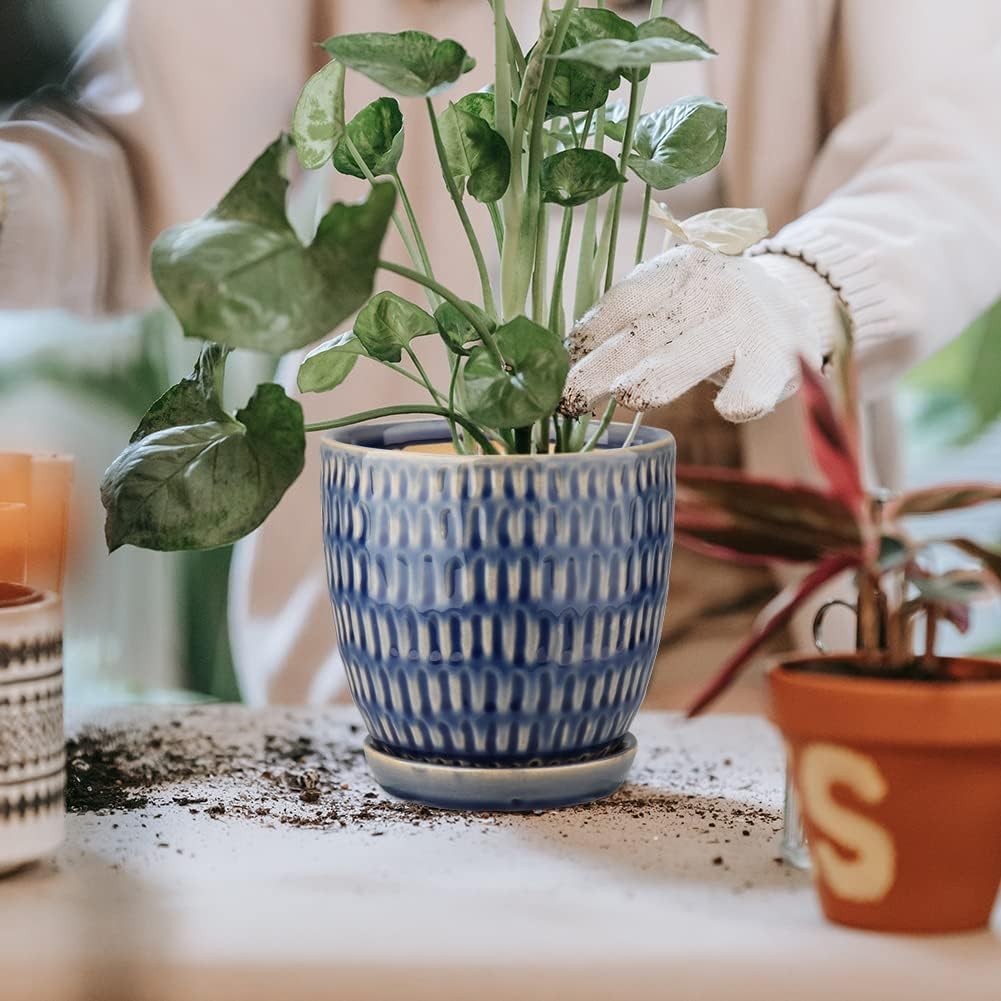
If you’re dealing with “always wet” soil, switching to a plant pot with drainage holes and saucer makes readings more meaningful because excess water can actually escape.
FAQs About Moisture Meters for Indoor Plants
Are moisture meters accurate?
They’re accurate enough for trends in standard potting compost, but less reliable in chunky mixes or salty soil. Multiple readings + pot weight is the safest combo.
How deep should I insert the probe?
Deeper for larger pots. Aim toward the root zone, not just the top inch, and don’t force it if you hit resistance.
Should I water as soon as it reads “dry”?
Not always. Some plants like to dry a bit more than others. Use the meter to confirm dryness, then match watering to the plant type.
How do I clean a moisture meter?
Wipe the probe with a damp cloth after use and dry it. Residue and soil build-up can affect readings over time.
Final Thoughts on Moisture Meters for Indoor Plants
Moisture meters for indoor plants are most useful as a decision helper, not a decision maker. Take a few readings, aim for the root zone, and always sanity-check with pot weight and soil feel. Do that consistently and you’ll quickly learn what “dry enough” actually looks like in your home.
Related Articles
Make watering simpler and more consistent
Turn Guesswork Into a Quick 10-Second Check
Moisture meters work best when they’re part of a simple routine: take a couple of readings, lift the pot, and water only when the plant is genuinely ready. Once that habit clicks, it’s much easier to avoid soggy soil and slow, stressed growth.