
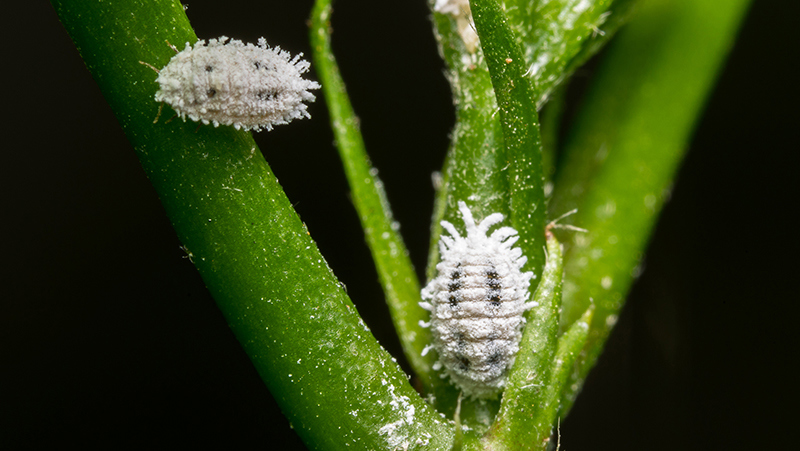
If you’ve spotted mealybugs on indoor plants, don’t wait — they spread by crawling into leaf joints and hiding where sprays miss. The quickest way to clear them is isolation + physical removal + a simple repeat routine.
Contents
- 0.1 How to confirm it’s mealybugs (not mould or scale)
- 0.2 Why mealybugs are so hard to get rid of
- 0.3 How to get rid of mealybugs on indoor plants step-by-step
- 0.4 Natural spray options that actually help (after you wipe)
- 0.5 Long-tail mini fixes (fast answers)
- 0.6 Mealybugs vs scale: quick difference
- 0.7 FAQs About Mealybugs on Indoor Plants
- 0.8 Final Thoughts on Mealybugs on Indoor Plants
- 0.9 Related Articles
- 1 Build a Simple Weekly Plant-Check Routine
Quick answer: mealybugs on indoor plants
Isolate the plant immediately
Wipe off visible “cotton” clusters (leaf joints + stems)
Dab hidden bugs with diluted alcohol on cotton buds
Rinse the plant, then let it drain and dry
Repeat checks every 3–4 days for 2–4 weeks
Do this first: Put the plant somewhere bright and separate, then check leaf joints and stem nodes with a torch (that’s where most mealybugs hide).
How to confirm it’s mealybugs (not mould or scale)
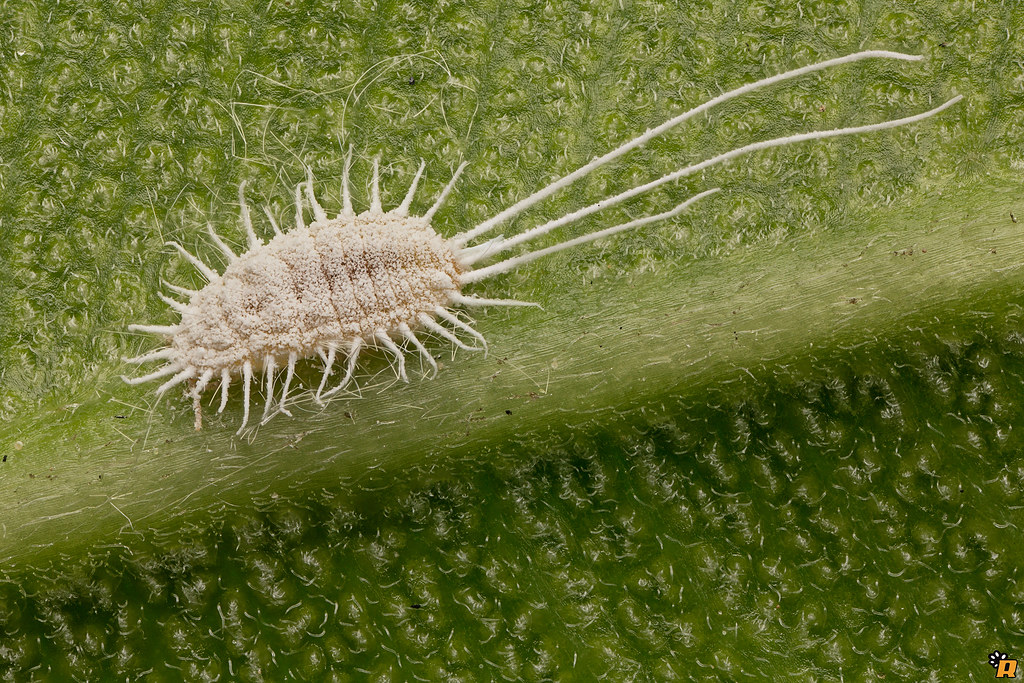
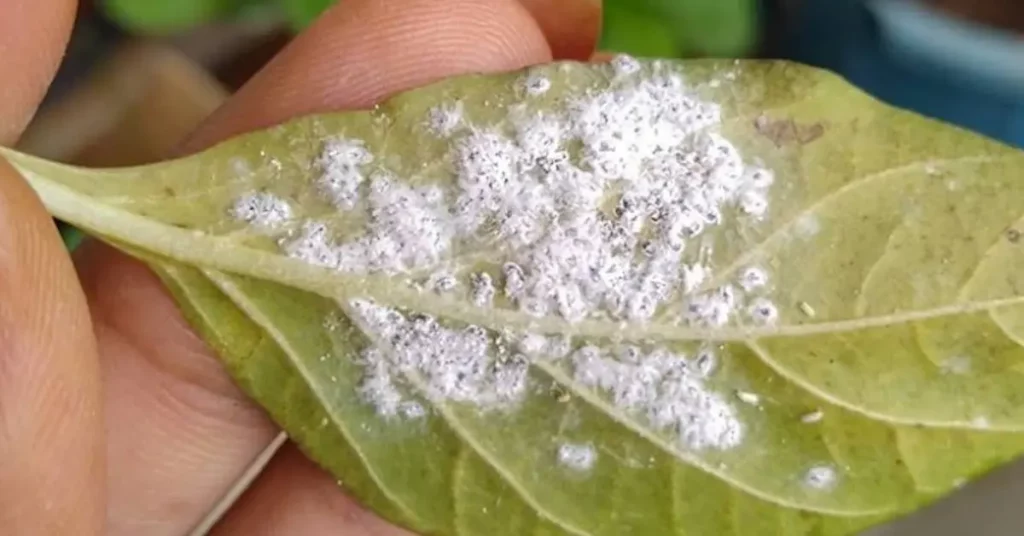
Mealybugs look like white fluff or cotton tucked into leaf joints, undersides, and along stems. If you wipe them, they usually smear rather than flake off like dust.
You’re likely dealing with mealybugs if you see:
Cottony clusters in crevices (leaf meets stem)
Sticky residue on leaves or shelves (honeydew)
Sooty black film developing on sticky areas
Yellowing or weak new growth on badly affected plants
If you want a quick “what pest is this?” check first, Indoor Plant Pest Guide: Identify and Treat Pests Fast helps you confirm what you’re seeing in under a minute.
Why mealybugs are so hard to get rid of
Mealybugs are annoying for three reasons:
They hide in tight spots.
They have a waxy coating that repels weak sprays.
You’ll often miss a few — which is why repeat treatments matter.
The “secret” is treating it like a short routine, not a one-time spray.
How to get rid of mealybugs on indoor plants step-by-step
1) Quarantine the plant (do this before anything else)
Give it space away from other plants for 10–14 days. Mealybugs crawl and spread easily when pots touch or leaves overlap.
Quick check: Look around the pot rim, underneath the pot lip, and on any support stake — they hide there too.
2) Remove the worst clusters by hand
Before you spray anything, physically remove what you can see — this is what makes the biggest difference.
Wipe stems and leaf undersides with a damp cloth
Use cotton buds for leaf joints and tight crevices
If leaves are dusty, you’ll spot pests faster once they’re clean. How to Clean Houseplant Leaves makes this step much easier (and helps sprays stick better).
This is the most reliable “natural-ish” home method because it cuts through the waxy coating.
How to do it:
Use 70% isopropyl alcohol (or dilute stronger alcohol)
Dip a cotton bud and dab directly onto bugs in joints and along stems
Wipe away the residue so you’re not leaving sticky build-up
Important: Test one small area first if your plant is sensitive (thin-leaved plants can mark).
Mealybugs can be removed with hands-on methods like wiping and dabbing — University of Minnesota Extension’s guidance on insects on indoor plants also mentions removing mealybugs using tweezers or a cotton swab dipped in alcohol.
4) Rinse the plant, then let it dry properly
After wiping/dabbing, rinse the plant to remove leftovers (bugs, honeydew, residue).
Rinse with lukewarm water
Tip the pot slightly so compost doesn’t become waterlogged
Let it drain fully before returning it to its spot
5) Repeat on a simple schedule (this stops the comeback)
Most people “fail” because they stop too early. Do this instead:
Re-check every 3–4 days
Repeat wiping/dabbing weekly
Continue for 2–4 weeks until no new fluff appears
A tidy routine helps you stay consistent without obsessing over it — Neem Oil for Indoor Plants can also be useful as a follow-up spray once you’ve done the physical removal.
Natural spray options that actually help (after you wipe)
Sprays work best after you’ve removed the main clusters. Think of them as the “follow-through”, not the first punch.
Neem oil (good for repeat control)
Neem can help reduce survivors over time, especially on undersides and stems.
A cold-pressed neem oil concentrate for plants is easier to dilute accurately for repeat spraying.
Tip: Spray in the evening and keep the plant out of strong light until it’s dry.
Insecticidal soap-style sprays (simple and effective)
Soap-style sprays can work well on soft-bodied pests when coverage is thorough.
A plant-safe insecticidal soap concentrate for houseplants is a straightforward option — follow directions and test one leaf first.
Long-tail mini fixes (fast answers)
What to do if mealybugs keep coming back on new growth
Mealybugs love soft tips. Focus on:
leaf joints near new shoots
stem nodes
undersides of young leaves
Also pause feeding for a couple of weeks — fast, soft growth attracts sap-suckers.
Fix in 10 minutes tonight (if you’re overwhelmed)
Isolate the plant
Wipe off visible clusters
Dab joints with alcohol on cotton buds
Bag and bin any badly infested leaf/stem tips
That’s enough to stop the spread while you come back to finish the routine.
Why mealybugs appear after you bring a plant home
They often arrive on new plants and sit hidden for a while. Quarantine new plants for 7–10 days and inspect joints/stems before they join the collection.
Mealybugs vs scale: quick difference
Scale can look similar, but it’s usually hard bumps that don’t smear when wiped. If what you’re seeing looks like immovable bumps rather than cottony fluff, Scale Indoor Plants is the better match.
FAQs About Mealybugs on Indoor Plants
Do mealybugs live in the soil?
Usually they’re on stems/leaves, but they can hide around the pot rim and lower stem. Root mealybugs exist but are less common.
Will mealybugs go away on their own indoors?
Rarely. Indoors they usually keep multiplying unless you remove them and repeat treatment.
Should I throw the plant away?
If the plant is cheap and heavily infested, replacing can be simplest. Otherwise, the routine above usually works with consistency.
How long does it take to get rid of them?
Most cases take 2–4 weeks because hidden bugs keep reappearing.
Final Thoughts on Mealybugs on Indoor Plants
Natural mealybug removal is mostly about being methodical: isolate, wipe, spot-treat hidden joints, rinse, then repeat until no new fluff appears. The moment you treat it like a short routine (rather than a one-time spray), results get dramatically better.
Related Articles
Make pest checks quick and easy
Build a Simple Weekly Plant-Check Routine
Mealybugs are much easier to stop when you spot them early. A quick weekly habit — checking leaf joints, wiping stems, and isolating anything suspicious — prevents repeat outbreaks and keeps your indoor plants healthier long-term.