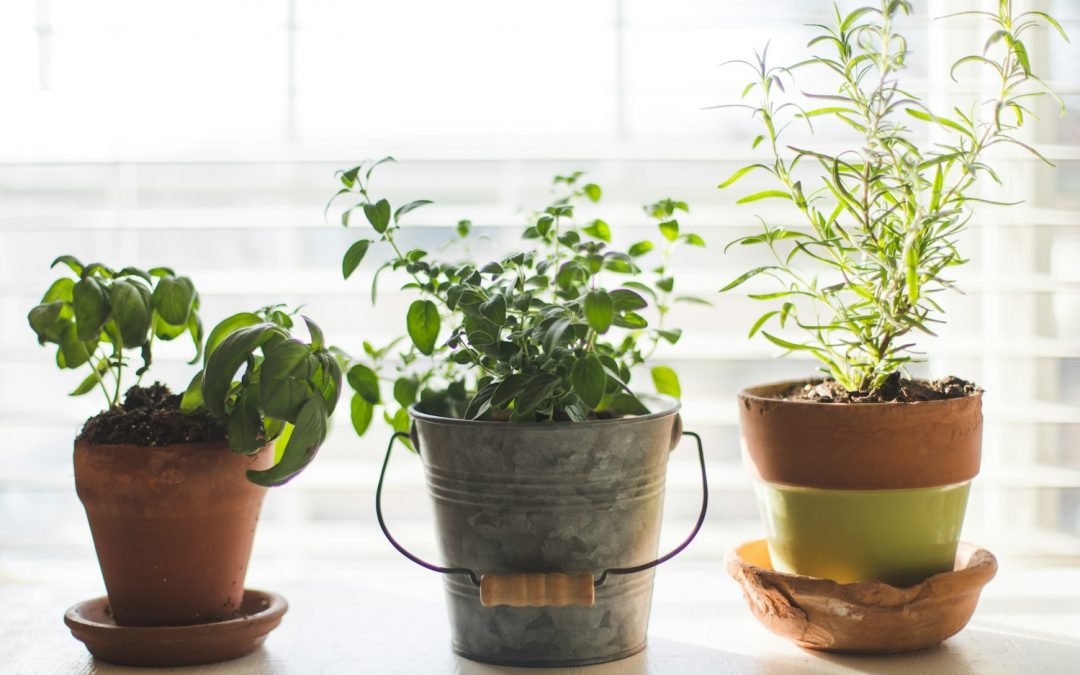
If you love the idea of fresh herbs but don’t want another high-maintenance task, a low-maintenance indoor herb garden is the way to go. With the right herbs, containers and simple routine, you can have fresh flavour on your windowsill without constantly worrying about watering or light.
In this article, you’ll learn which herbs cope best indoors, how to set them up in pots or planters, and a simple care routine that won’t eat into your week. If you want to focus on one herb in more detail, you can also read How to Grow Mint.
Contents
- 0.1 What Makes an Indoor Herb Garden “Low Maintenance”?
- 0.2 Best Herbs for a Low-Maintenance Indoor Herb Garden
- 0.3 Choosing Pots and Planters for Less Work
- 0.4 Light and Placement for Easy-Care Herbs
- 0.5 Simple Care Routine for a Low-Maintenance Herb Garden
- 0.6 Low-Maintenance Indoor Herb Garden Layout Ideas
- 0.7 FAQs About Low-Maintenance Indoor Herb Gardens
- 0.8 Final Thoughts on Creating a Low-Maintenance Indoor Herb Garden
- 0.9 Related Articles
- 1 Grow More Edible Plants in Small Spaces
What Makes an Indoor Herb Garden “Low Maintenance”?
A genuinely low-maintenance herb set-up has three things in your favour:
Tough, forgiving herbs that bounce back from the odd missed watering.
Containers and compost that drain well, so roots don’t sit in soggy soil.
A realistic care routine that fits your schedule, not the other way round.
You don’t need dozens of varieties. A handful of well-chosen herbs that thrive where you actually live and work will be more useful than a packed windowsill of struggling plants.
Best Herbs for a Low-Maintenance Indoor Herb Garden
These herbs are forgiving, useful in the kitchen, and cope well with life in pots.
Mint
Mint is one of the easiest herbs to grow, and it’s fairly forgiving about light and watering. It’s perfect for:
Teas, desserts and drinks
Pots on slightly shadier windowsills
Busy people who occasionally forget to water
Keep it in its own pot – mint spreads quickly and can swamp gentler herbs.
Chives
Chives are compact, regrow after cutting, and bring a mild onion flavour to salads, baked potatoes and egg dishes. They’re happy in:
Small pots on sunny windowsills
Cooler kitchens, as long as they get enough light
Parsley
Flat-leaf parsley is a great all-rounder. It isn’t quite as tough as mint, but it will keep going with:
Bright, indirect light
Evenly moist (not soaked) compost
Regular cutting, which actually helps it stay bushy
Thyme and Oregano
These Mediterranean herbs prefer things on the drier side, so they’re perfect if you tend to underwater rather than overwater. They like:
A bright, sunny spot
Gritty, free-draining compost
Slightly smaller pots that dry out between waterings
Rosemary (Dwarf Types)
Dwarf rosemary varieties work well in pots and bring a strong aroma to roasts and traybakes. They’re best on:
South- or west-facing windowsills
Balconies or porches you can access easily from the kitchen
Choosing Pots and Planters for Less Work
The right container can save you a lot of hassle.
Individual Pots vs Planters
Individual pots are flexible – you can move herbs around to suit their light and watering needs.
Rectangular planters look tidy and make watering easier, especially on narrow windowsills.
For a genuinely low-maintenance set-up, a self-watering indoor herb planter with a water reservoir can keep herbs going for several days between refills, ideal if you’re busy or away for weekends.
Size and Material
Terracotta dries out faster and is good for Mediterranean herbs like rosemary and thyme.
Plastic or glazed pots hold moisture longer, which suits parsley and mint.
Make sure every pot has drainage holes and a saucer, so excess water can escape.
Handy Extras
A small pair of compact herb scissors with multiple blades makes snipping leaves quick and tidy, encouraging you to harvest more often without damaging the plants.
Light and Placement for Easy-Care Herbs
Most culinary herbs like good light, but that doesn’t always mean direct, scorching sun.
Aim for bright, indirect light for leafy herbs like parsley and chives.
Give fuller sun (4–6 hours) to rosemary, thyme and oregano if you can.
Rotate pots every week or so to keep growth even.
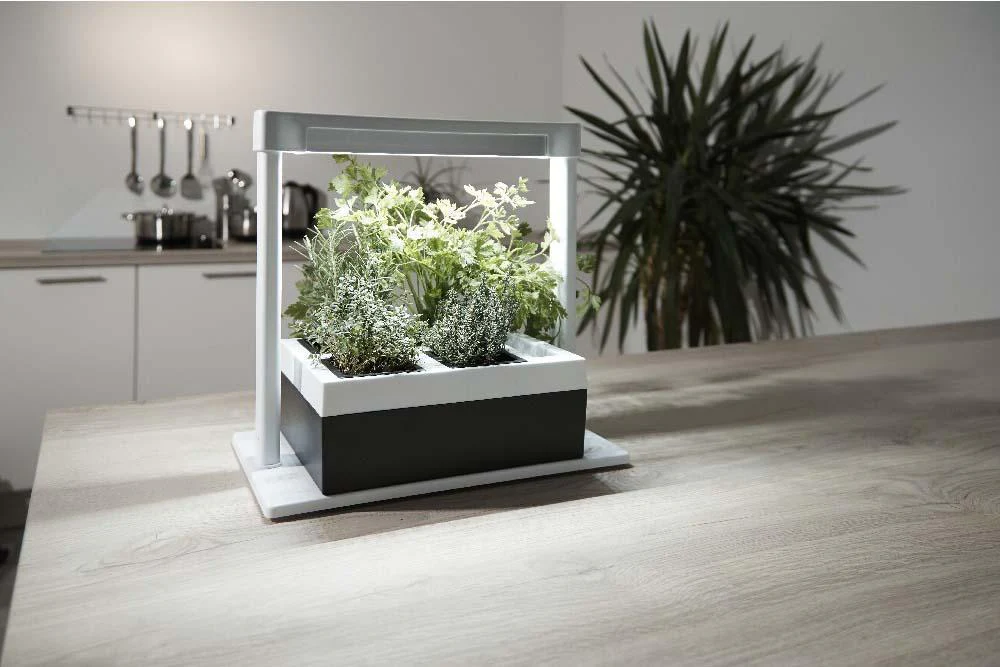
If your kitchen or living room is naturally dim, a slim LED grow light bar for herbs mounted under a cupboard or shelf can make the difference between leggy stems and sturdy, bushy growth.
Simple Care Routine for a Low-Maintenance Herb Garden
You don’t need a fussy schedule – just a few consistent habits.
Watering
Check herbs once or twice a week.
Water when the top 2–3cm of compost feel dry to the touch.
Water thoroughly until a little runs from the drainage holes, then empty saucers after 10–15 minutes.
Mint and parsley like moisture, so don’t let them dry completely; thyme, rosemary and oregano prefer to dry out a bit more before the next watering.
Feeding
Use a diluted liquid herb or vegetable fertiliser every 3–4 weeks in spring and summer.
Skip or reduce feeding in winter when growth slows.
Avoid overfeeding – too much nitrogen can give lush but weak, floppy growth with less flavour.
Harvesting
Regular cutting actually keeps herbs healthier and bushier.
Snip mint and chives frequently from the tops.
For woody herbs like rosemary and thyme, cut non-woody tips rather than old, woody stems.
Try not to remove more than a third of the plant at once.
Low-Maintenance Indoor Herb Garden Layout Ideas
Narrow Windowsill
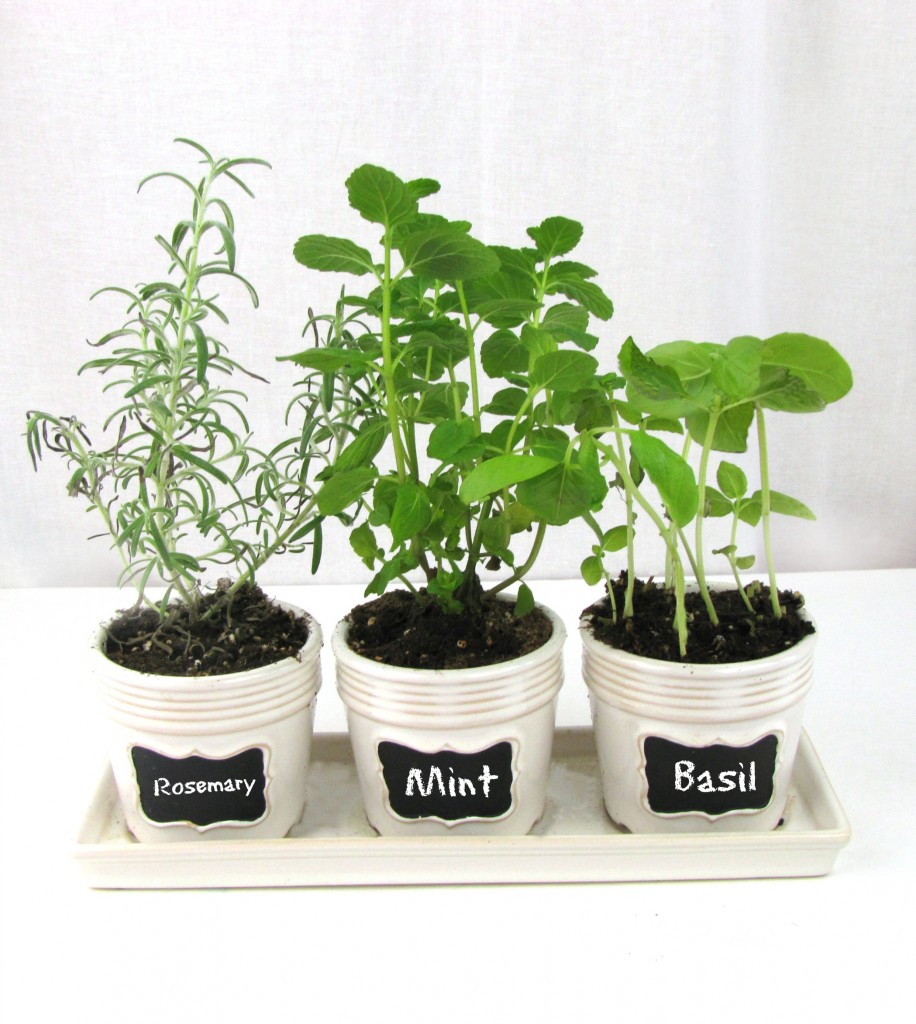
One rectangular planter with three herbs – for example, parsley, chives and thyme.
Keep a separate pot of mint nearby if you have space.
Small Kitchen Worktop
Group three small pots on a tray so watering and cleaning are easier.
Place them away from direct heat from hobs or kettles, but where you’ll see and use them.
Combined Indoor–Outdoor Set-Up
In warmer months, move rosemary and thyme to a balcony or doorstep.
Keep parsley and mint indoors where watering is easier to control.
For more detailed tips on container choice and potting mixes, herb-growing advice from botanic gardens and university horticulture departments is a good reference, especially when you’re experimenting with new varieties.
FAQs About Low-Maintenance Indoor Herb Gardens
Do indoor herb gardens really stay low maintenance?
They can, if you choose tough herbs and realistic numbers. A few forgiving plants in the right spot are far easier than trying to cram every interesting herb onto one small windowsill.
Which herbs are hardest to grow indoors?
Coriander and some types of basil can be fiddly, especially in cool, low-light homes – they bolt or sulk easily. Start with mint, chives, parsley, thyme and rosemary, then experiment with fussier herbs once you’re confident.
Can I grow herbs indoors all year?
Yes, as long as you have enough light and keep temperatures fairly steady. Growth slows in winter, but with a bright window or a small grow light you can usually keep at least some leaves coming.
Do I need special compost for indoor herbs?
A good-quality, peat-free multipurpose compost works well for most herbs. For Mediterranean varieties, mixing in some grit or perlite improves drainage and keeps roots happier in pots.
How often should I replace indoor herbs?
Some herbs, like chives and mint, can keep going for years if divided and refreshed occasionally. Others, like parsley, are naturally shorter-lived and may need replacing every year or two. If a plant becomes woody, straggly or loses flavour, it’s often easier to start again from a fresh plant or sowing.
Final Thoughts on Creating a Low-Maintenance Indoor Herb Garden
A low-maintenance indoor herb garden doesn’t need fancy equipment or constant attention. With a few tough herbs, sensible containers and a simple routine, you can enjoy fresh flavour and greenery in your kitchen without feeling tied to a watering can.
Start with a small selection of easy herbs you actually use, choose pots with good drainage, and place them where they’ll get the light they need. As you get comfortable, you can experiment with new varieties – but even a handful of well-cared-for pots can make everyday meals feel fresher and more satisfying.
Related Articles
MAKE HOME-GROWN FLAVOUR EVEN EASIER
Grow More Edible Plants in Small Spaces
Once your low-maintenance herb garden is going, it’s easy to branch out into other crops indoors. Learn how to use spare corners, shelves and containers to grow extra greens and edible plants so you can pick more from home without needing a full garden.