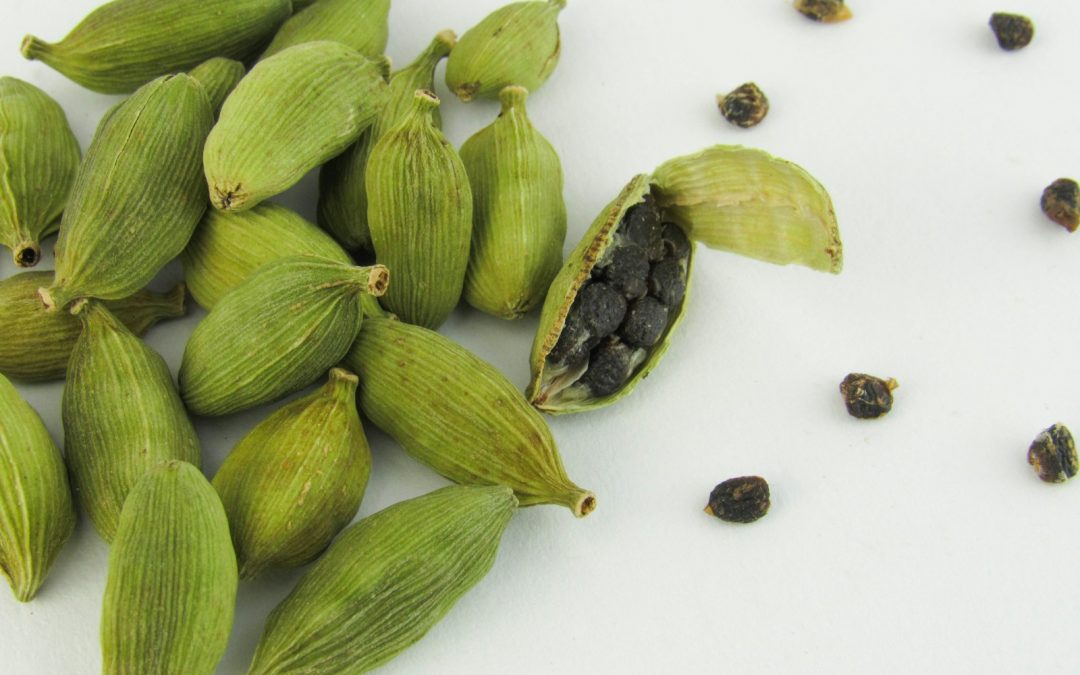
Cardamom indoors is totally doable if you get warmth, steady moisture, and bright light right from day one. This post shows how to grow cardamom indoors without guesswork — even in a small flat.
If you also grow other tropical “kitchen plants”, you might like How to Grow Indoor Ginger too.
Quick answer (grow cardamom indoors):
Keep it warm (ideally 18–27°C) and away from cold windows
Give bright light (east/south window or a grow light in winter)
Use a free-draining mix and never let it sit in water
Water when the top 2–3 cm feels dry, then soak thoroughly
Aim for higher humidity than most houseplants
Do this first: Put your cardamom pot in the warmest bright spot you have, then protect it from cold draughts (windowsills + radiators are the usual problem combo).
Contents
- 0.1 What cardamom needs indoors to actually grow
- 0.2 Grow cardamom indoors from pods vs plants
- 0.3 Light for indoor cardamom without burning it
- 0.4 Watering cardamom indoors without root problems
- 0.5 The best soil mix and pot for cardamom
- 0.6 Humidity and temperature: the “make it thrive” part
- 0.7 Troubleshooting: quick fixes for common problems
- 0.8 Can cardamom produce pods indoors?
- 0.9 FAQs About Growing Cardamom Indoors
- 0.10 Final Thoughts on Growing Cardamom Indoors
- 0.11 Related Articles
- 1 Grow Better Indoors With Less Guesswork
What cardamom needs indoors to actually grow
Cardamom (Elettaria cardamomum) is a tropical plant, so indoors it’s happiest when you copy three things: warmth, moisture, and filtered bright light.
You don’t need a greenhouse — but you do need consistency. If it keeps “stopping and starting”, it’s usually temperature swings, dry air, or compost staying wet for too long.
Grow cardamom indoors from pods vs plants
Most people ask this because supermarket cardamom pods are easy to find — but results are mixed.
Growing from pods (possible, slower)
Cardamom seeds lose viability quickly, and older pods often don’t sprout. If you try it, use freshly bought pods and sow multiple seeds so you’re not relying on one.
Fast method:
Split pods, remove seeds, and rinse off any sticky coating
Sow on the surface of moist compost, then cover lightly
Keep warm and humid until sprouting
A seedling heat mat helps with germination speed and consistency if your home runs cool.
Buying a plant (easiest, quickest)
If you want leaves faster, a small plant is the simplest route. You can focus on care rather than germination.
Light for indoor cardamom without burning it
Cardamom likes bright light, but not harsh, scorching sun.
A good rule: if your plant can “see the sky” from a window, you’re close. If it’s tucked back in a dark corner, growth will be slow and leggy.
Best indoor light spots:
East-facing window (gentle morning sun)
South-facing window with a sheer curtain or a little distance back
Winter support if needed (especially in the UK)
If winter light is weak, a full-spectrum LED grow light bar can keep growth steady instead of stalling for months.
Watering cardamom indoors without root problems
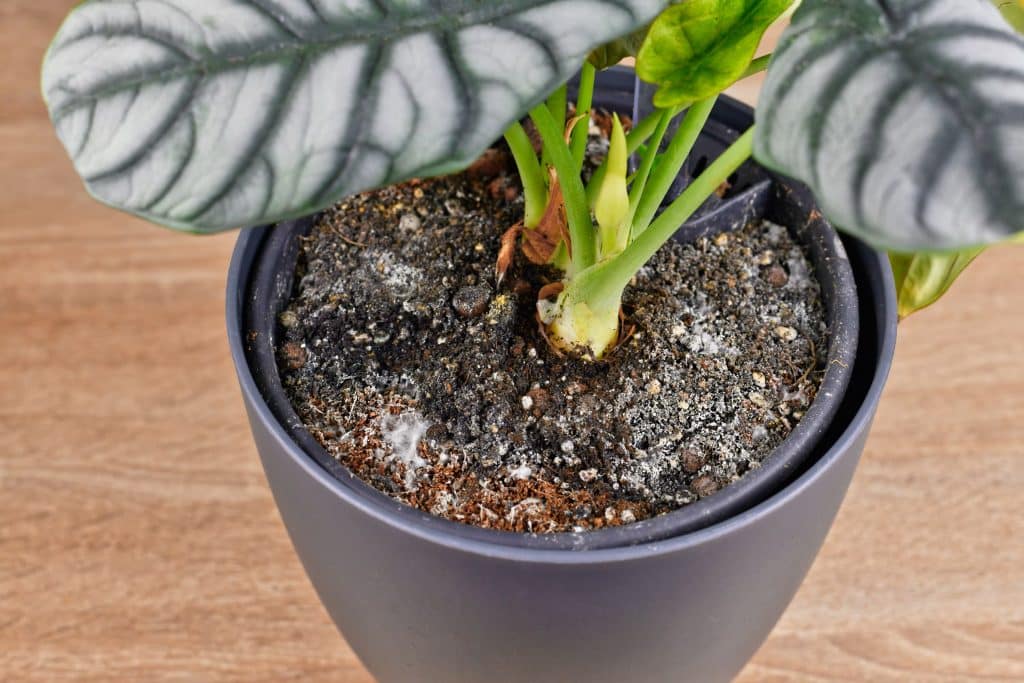
This is where most people go wrong — cardamom likes moisture, but it hates being waterlogged.
What you’re aiming for: evenly moist compost that dries slightly at the top between thorough waterings.
Simple watering rhythm:
Check the top 2–3 cm with your finger
If it’s dry, water until it runs through the drainage holes
Empty any standing water after 10–15 minutes
If your plant is drooping but the compost feels wet, don’t “fix” it with more water — that’s often the start of rot.
How to Fix Root Rot in Houseplants.
The best soil mix and pot for cardamom
Cardamom wants moisture, but it also needs air around the roots.
A beginner-friendly mix:
2 parts quality houseplant compost
1 part perlite or orchid bark (for airflow)
Optional: a small handful of worm castings for gentle nutrition
Pot choice matters:
Always use a pot with drainage holes
Choose a pot only slightly bigger than the root ball (too big = soggy compost)
Best Indoor Vegetable Garden Soil.
Humidity and temperature: the “make it thrive” part
Cardamom grows best when your home stays warm and the air isn’t bone-dry.
Targets that work well indoors:
Temperature: 18–27°C (avoid dips under ~15°C)
Humidity: higher than average rooms (especially winter heating season)
If you want a simple way to understand your room, use a digital hygrometer so you’re not guessing.
According to University of Florida IFAS guidance on cardamom (Elettaria cardamomum), warm temperatures and steady moisture (without waterlogging) are key for healthy growth.
Troubleshooting: quick fixes for common problems
Leaves turning brown at the tips
This is usually dry air, irregular watering, or mineral-heavy tap water.
Fix in 10 minutes:
Move away from radiators
Water thoroughly, then let it drain
Raise humidity (group plants or use a humidifier)
Yellowing leaves
Often caused by staying too wet or low light.
Quick check:
If compost is wet, pause watering and improve drainage/airflow
If it’s dark where it sits, move closer to a window or add light
No growth for weeks
Cardamom slows down when it’s cool. In the UK, winter can look like “nothing happening”.
Fix: prioritise warmth first, then light.
Can cardamom produce pods indoors?
It can, but it’s not common indoors. Pod production needs:
strong consistent warmth
very bright light
space and time (mature plant)
Most indoor growers treat cardamom as a leaf plant first — and that’s still a win.
FAQs About Growing Cardamom Indoors
Can I grow cardamom from supermarket pods?
Sometimes, but germination is hit-or-miss. Use fresh pods, sow multiple seeds, and keep them warm.
How often should I water indoor cardamom?
Water when the top 2–3 cm dries out, then soak thoroughly and let excess drain away.
Does cardamom need direct sunlight?
It prefers bright light but can scorch in harsh midday sun. Filter south light or use an east window.
Why are my cardamom leaves curling?
Usually dry air or heat blasts from radiators. Move it, raise humidity, and keep watering consistent.
Is cardamom hard to grow indoors?
Not if you keep it warm and avoid soggy compost. Most “failures” are cold rooms + overwatering.
Final Thoughts on Growing Cardamom Indoors
If you get three things right — warmth, bright light, and a pot that drains well — cardamom becomes a surprisingly easy indoor plant.
Start simple, keep conditions steady, and don’t panic if winter slows it down. With a bit of patience, you’ll get stronger growth and better-looking leaves month by month.
Related Articles
Small upgrades make tropical plants easier.
Grow Better Indoors With Less Guesswork
Cardamom is one of those plants that rewards consistency — and the right setup makes that consistency simple. If you want to tighten up your watering, light, and routine across all your indoor plants, a quick tools-and-habits refresh can make everything feel easier (and your plants look better too).