Most indoor plant watering mistakes come from good intentions: watering too often, watering on a schedule instead of checking the pot, or assuming every plant wants the same routine. Indoors, plants usually do better with a simple pattern — check first, water properly, then let the compost dry at the right pace.
Contents
- 0.1 Why indoor plant watering goes wrong so easily
- 0.2 Mistake 1: Watering on a fixed schedule
- 0.3 Mistake 2: Giving tiny top-up drinks
- 0.4 Mistake 3: Ignoring drainage
- 0.5 Mistake 4: Assuming drooping always means thirsty
- 0.6 Mistake 5: Treating every plant the same
- 0.7 Mistake 6: Watering because the surface looks dry
- 0.8 Mistake 7: Watering at the wrong time for the season
- 0.9 Mistake 8: Leaving plants sitting in water
- 0.10 Mistake 9: Ignoring warning signs until the plant declines
- 0.11 A simple indoor watering method that works better
- 0.12 Fast fixes for common watering mistakes
- 0.13 FAQs About Indoor Plant Watering Mistakes
- 0.14 Final Thoughts on Indoor Plant Watering Mistakes
- 0.15 Related Articles
- 1 Build a Simple Routine That Protects the Roots
Quick answer: indoor plant watering mistakes
Watering too often is usually worse than watering a bit late.
Tiny daily top-ups often create weak roots and soggy compost.
Pots without proper drainage cause more watering problems than people think.
A drooping plant is not always thirsty — wet roots can droop too.
Different plants need different drying speeds, so one routine rarely suits them all.
Do this first: Pick up the pot before watering. If it still feels heavy and the compost is damp below the surface, wait.
If you want a page that pairs well with this one for long-term care, Indoor Plant Maintenance Routine fits naturally because it helps turn watering into a quick repeatable check instead of guesswork.
Why indoor plant watering goes wrong so easily
Watering indoors is harder than people expect because plants are growing in:
limited compost
pots that may trap water
rooms with changing light and temperature
different seasons that change drying speed
That means the “right” amount of water changes far more than most people realise. A plant near a bright summer window may need a very different rhythm from the same plant in winter.
Mistake 1: Watering on a fixed schedule
This is one of the most common indoor plant watering mistakes. Watering every Sunday might feel organised, but plants do not use water on a calendar.
What changes how quickly a plant dries:
light level
pot size
pot material
season
room temperature
plant size
A safer approach is to check first, then water when the plant actually needs it.
If you want a simpler system for checking moisture before you water, Soil Moisture Meter Guide is a useful supporting article, especially if you struggle to judge pots by feel.
Mistake 2: Giving tiny top-up drinks
Small daily splashes often wet only the surface while leaving roots in inconsistent conditions deeper down. Over time, this can lead to:
weak root systems
mould on the surface
fungus gnats
compost that never properly dries
A better method is:
water properly
let excess drain away
wait until the pot reaches the right dryness before watering again
This gives roots both moisture and oxygen, which is what helps plants stay stronger.
Mistake 3: Ignoring drainage
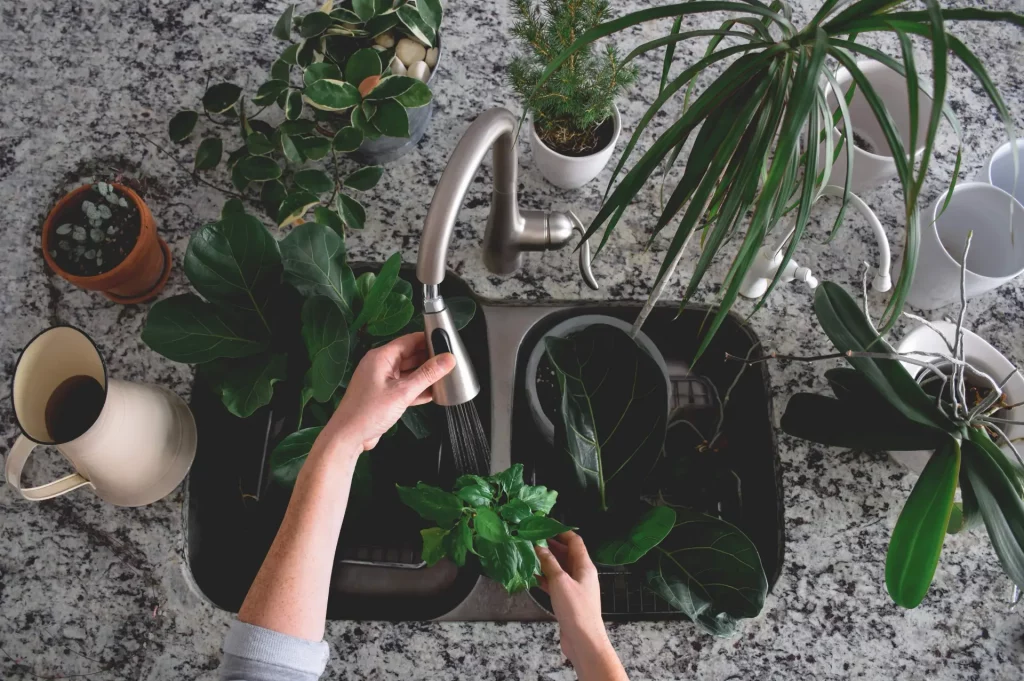
A lot of “watering problems” are really drainage problems. If water cannot leave the pot, the compost stays wet too long no matter how careful you think you’re being.
Common drainage issues:
decorative pots with no drainage holes
inner pots sitting in trapped water
very dense compost
oversized pots holding too much wet soil
If your plant keeps yellowing even though you think you are watering “carefully,” trapped water is one of the first things to check.
If drainage is the real problem, Improve Indoor Plant Drainage is the best companion page because it tackles the setup, not just the symptom.
A simple indoor plant pot with drainage holes and saucer makes it much easier to water properly without leaving roots stuck in stale water.
Mistake 4: Assuming drooping always means thirsty
This catches a lot of people out. A drooping plant can mean:
too dry
too wet
roots stressed from poor drainage
a sudden change in light or temperature
So if a plant droops, do not automatically water it.
Check first:
Is the compost dry or damp?
Does the pot feel very light or still heavy?
Is there water trapped in the saucer or cover pot?
If the compost is still wet, watering again can make the problem worse.
If yellow leaves are part of the same problem, Why Indoor Plants Turn Yellow is a strong related article because watering and yellowing are closely tied together.
Mistake 5: Treating every plant the same
Not every plant wants the same drying speed.
For example:
succulents and cacti usually want to dry much more between waterings
tropical foliage plants often like steadier moisture
herbs vary a lot depending on the type
root crops and edibles often need a more even rhythm than Mediterranean herbs
This is why a “one watering rule for everything” usually leads to problems somewhere.
If you grow a mix of edibles and houseplants, Common Indoor Plant Problems links in well here because it helps you spot which issues are really care mismatches rather than mystery decline.
Mistake 6: Watering because the surface looks dry
The top of the compost can dry faster than the root zone underneath, especially:
in warm rooms
under grow lights
in airy mixes
in terracotta pots
That means a dry-looking surface is not always a sign the plant needs water.
A better check:
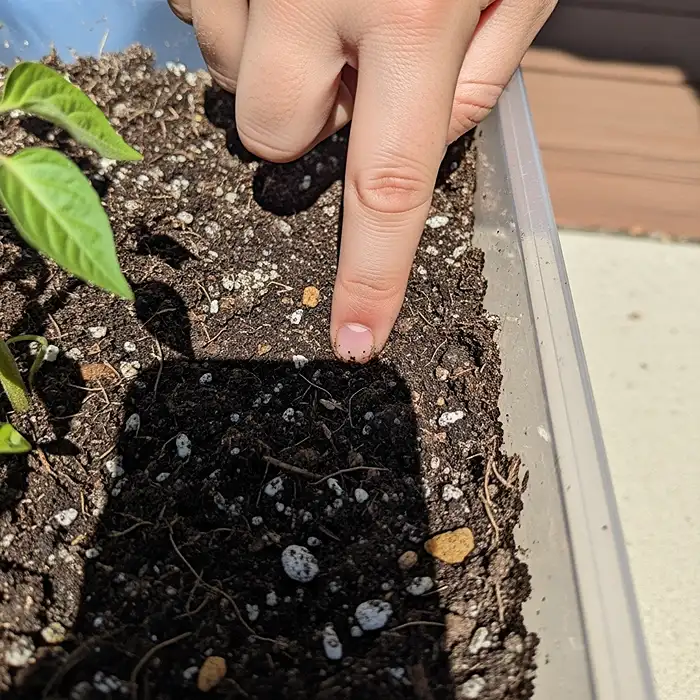
touch 2–3 cm below the surface
lift the pot and feel the weight
use a moisture meter if you struggle to judge it
This is one of the easiest indoor plant watering mistakes to fix quickly.
Mistake 7: Watering at the wrong time for the season
Plants usually dry faster in:
spring
summer
brighter rooms
They usually dry slower in:
winter
low light
cool rooms
A watering routine that worked in July can become too much by November. That is why so many indoor plants struggle in winter from “sudden” yellowing or slow root problems.
If your plant care usually goes wrong when seasons change, Make Indoor Plants Grow Faster is also worth linking because light and watering shift together indoors.
Mistake 8: Leaving plants sitting in water
Even if you water correctly, leaving the pot in standing water can undo all of that.
This often happens with:
saucers never emptied
cover pots holding runoff
trays under grouped plants
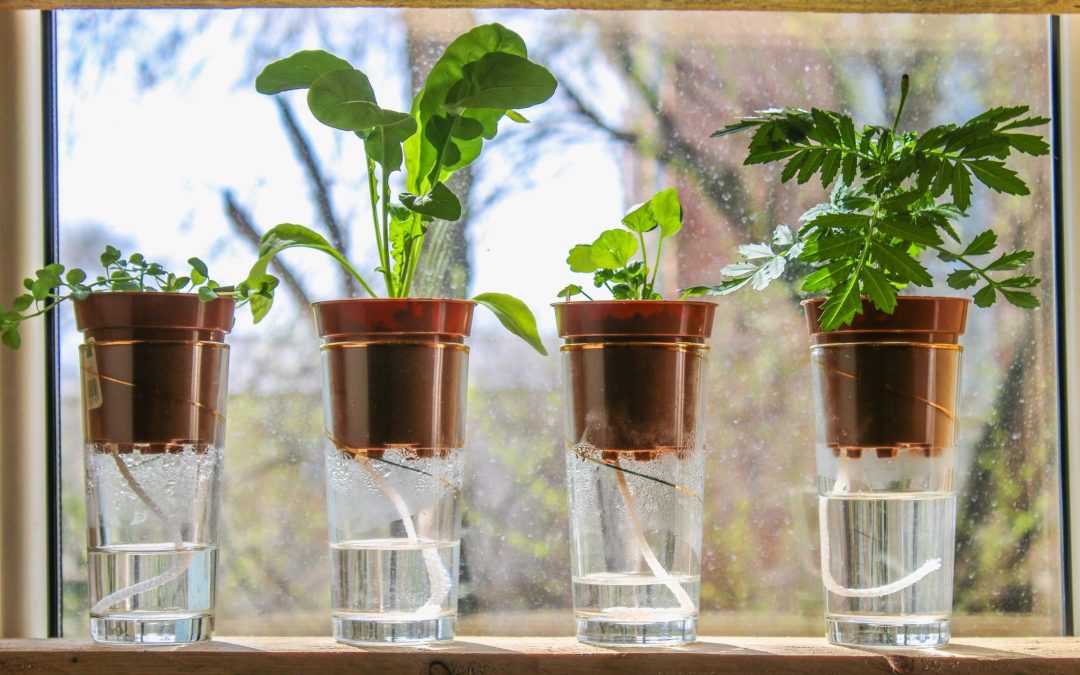
self-watering setups used badly
Roots need oxygen. If they sit in water too long, the plant can end up:
yellowing
softening
drooping
smelling musty
attracting gnats
A clear nursery pot inside a decorative planter can help you see whether water is pooling underneath, which makes watering mistakes much easier to catch early.
Mistake 9: Ignoring warning signs until the plant declines
Indoor plants usually give warnings before they collapse.
Common early signs:
fungus gnats
mould on the soil surface
yellow lower leaves
pot feeling heavy for too long
a musty smell from the compost
weak new growth
If you catch these early, watering adjustments are usually simple.
If the surface is already mouldy, Prevent Mold in Indoor Soil is the best related article because it connects directly to wet top layers and poor airflow.
A simple indoor watering method that works better
A better approach than “little and often” is this:
- Check the compost and pot weight first.
- Water thoroughly until excess drains out.
- Empty the saucer or cover pot.
- Wait until the plant reaches the right dryness again.
- Adjust that timing based on season, light, and plant type.
This method works better because it gives roots moisture, then air, instead of trapping them in constant dampness.
A useful reminder here is that Royal Horticultural Society houseplant guidance advises watering when the surface of the compost becomes dry rather than watering routinely, which is exactly why check-first watering works better indoors.
Fast fixes for common watering mistakes
Yellow leaves after watering
Usually overwatering, trapped water, or very slow drying compost.
Crispy brown tips
Often inconsistent watering, dry spells, or salt build-up rather than just “needs more water.”
Fungus gnats
Usually compost staying wet too long near the surface.
Plant looks weak even though you water regularly
Often the roots are not getting enough oxygen because the compost stays damp too long.
Soil smells bad
That usually points to stale, wet compost rather than simple thirst.
If smell is part of the problem, Why Indoor Plant Soil Smells Bad fits very naturally here because it helps confirm whether waterlogging is the real issue.
FAQs About Indoor Plant Watering Mistakes
What is the most common watering mistake for houseplants?
Usually watering too often, especially in low light or winter.
How do I know if I am overwatering my plant?
Look for yellow leaves, heavy compost that stays wet for days, fungus gnats, and trapped water in saucers or cover pots.
Is it better to water little and often?
Usually no. Thorough watering followed by the right drying period is better for roots.
Why does my plant keep struggling even though I water it carefully?
Often the issue is drainage, light, or pot setup rather than the act of watering itself.
Final Thoughts on Indoor Plant Watering Mistakes
Most indoor plant watering mistakes come down to one thing: watering without checking what the pot actually needs. If you focus on drainage, proper deep watering, and the right drying rhythm for each plant, you avoid most of the yellow leaves, soggy roots, gnats, and slow decline people blame on “bad luck.”
Related Articles
Make watering feel easier and less random
Build a Simple Routine That Protects the Roots
Most indoor plant watering mistakes improve once you stop guessing and start checking the pot properly. A steady system that combines drainage, pot weight, and simple moisture checks makes indoor plants much easier to care for.