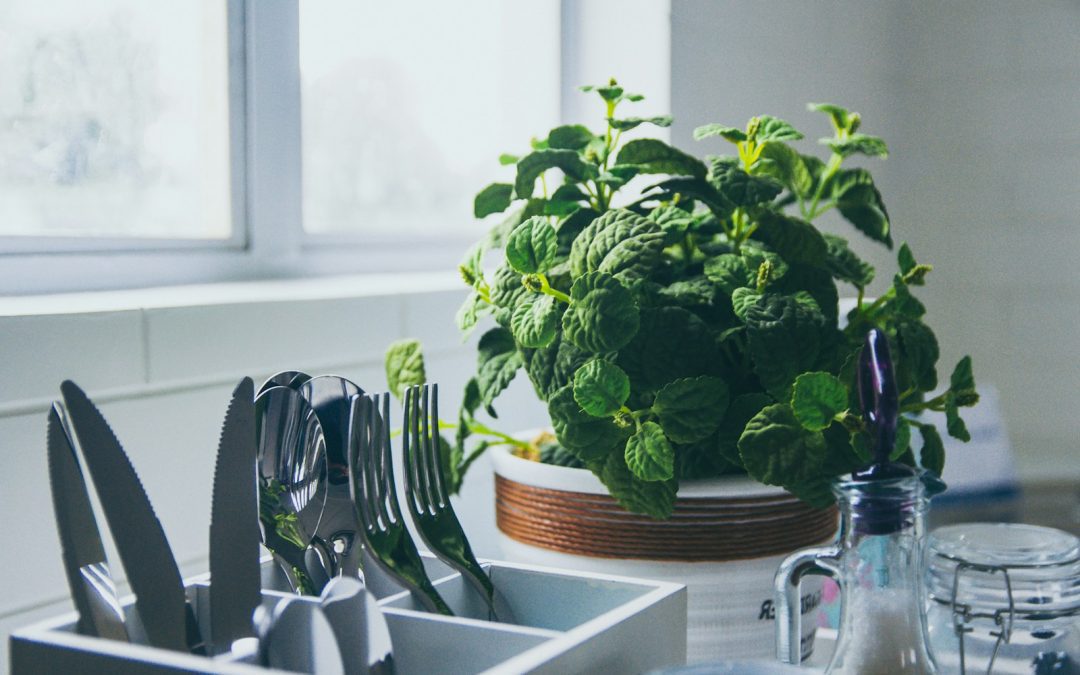
Growing indoor edible plants is genuinely doable if you pick the right crops and match them to your light and space. This page shows what’s realistic indoors, what struggles, and how to get a steady harvest without turning your home into a greenhouse.
Quick answer: indoor edible plants that work best
Herbs (basil, mint, parsley, chives) are the easiest wins
Leafy greens (lettuce, spinach, rocket) grow fast in shallow containers
Microgreens give harvests in 7–14 days
Chillies can fruit indoors with strong light and warmth
Spring onions are simple to regrow on a windowsill
Do this first: pick one edible (herbs or microgreens) and place it in your brightest window—don’t start with five different crops at once.
Contents
- 0.1 What counts as a “good indoor edible” (and what doesn’t)
- 0.2 Easiest indoor edible plants for beginners
- 0.3 Indoor edible plants that can work, but need better conditions
- 0.4 Light is the #1 reason indoor edible plants fail
- 0.5 Containers and compost that suit edible plants indoors
- 0.6 Feeding indoor edible plants without overdoing it
- 0.7 Quick fixes for common indoor edible problems
- 0.8 Mini sections for extra long-tail traffic
- 0.9 FAQs
- 0.10 Final Thoughts on Indoor Edible Plants
- 0.11 Explore Essential Indoor Gardening Tools & Tips
- 0.12 Related Articles
- 1 Build a Simple Indoor Edible Routine That Sticks
What counts as a “good indoor edible” (and what doesn’t)
Indoors, the best edible plants are the ones that don’t need huge root space or intense summer sun all day. That’s why herbs, greens and microgreens usually outperform “big” crops.
A simple rule: leaves are easier than fruit indoors.
Easiest indoor edible plants for beginners
These are the quickest wins if you want results without loads of kit.
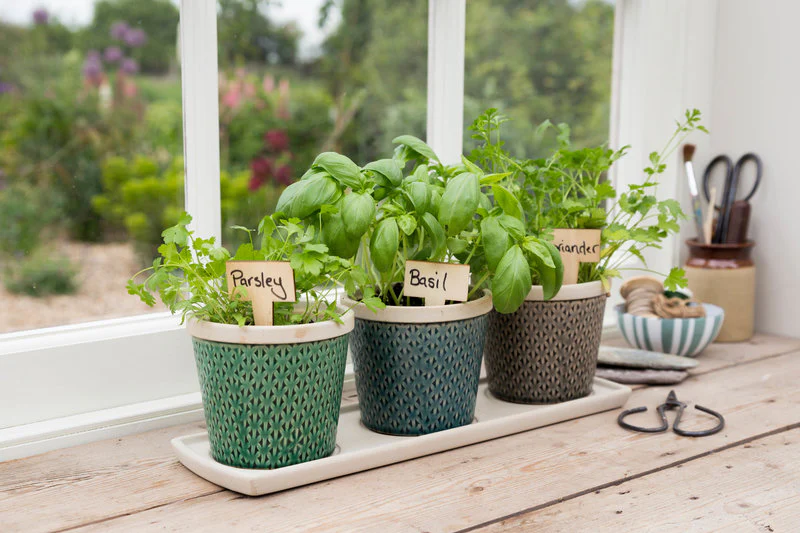
Herbs that keep producing
Herbs are forgiving, and you can harvest little and often without killing the plant. Focus on cut-and-come-again types.
Good starters:
basil
mint
parsley
chives
coriander (a bit fussier but doable)
If you want a simple herb setup that doesn’t need constant attention, Low Maintenance Indoor Herb Garden Ideas fits perfectly here.
Leafy greens (fast, cheap, satisfying)
Leafy greens are ideal because you’re harvesting leaves, not waiting for flowers and fruit.
Best options indoors:
loose-leaf lettuce
rocket (arugula)
spinach
baby kale
If you want the quickest “what should I grow?” list, you can support this section with Best Vegetables for Indoor Gardening.
Microgreens (best results per effort)
Microgreens are the cheat code for indoor growing: tiny space, fast turnaround, high success rate.
Indoor edible plants that can work, but need better conditions
These aren’t “hard”, they just punish weak light and inconsistent watering.
Chillies indoors
Chillies can fruit indoors, but they need strong light, warmth, and patience. If your plant gets leggy, it won’t have the energy to flower well.
If you want a deeper step-by-step, Indoor Chilli Peppers is a great next read.
Dwarf citrus and other container fruit
Fruit indoors is possible, but it’s a slower game: you’re managing light, feeding, pruning and pot size long-term.
A great next step is Dwarf Fruit Trees for Indoors if you want more container-friendly edible options.
Light is the #1 reason indoor edible plants fail
Most “my herbs won’t grow” or “my greens are tiny” problems come down to light. Indoors, you’re often asking a plant to grow with a fraction of outdoor intensity.
If your plants stretch tall and pale, it’s nearly always light. Best Lights for Indoor Gardening is your clearest overview for fixing that.
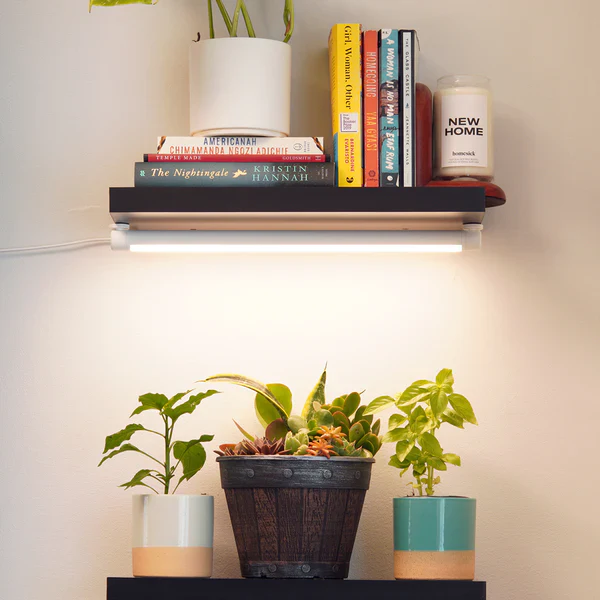
If you do use a light, keep it simple—small setups usually do better than overcomplicated ones.
A compact LED grow light bar works well over herbs and salad trays.
Containers and compost that suit edible plants indoors
The container matters more indoors because drainage mistakes show up fast (smells, gnats, mould, root issues).
Use this simple approach:
pots with drainage holes
a saucer you actually empty
a free-draining compost mix (not heavy and boggy)
A breathable container can help if you tend to overwater.
Try a wide fabric grow bag for bigger indoor edibles like chillies.
Feeding indoor edible plants without overdoing it
Edible plants indoors still need nutrients, but it’s very easy to overfeed in pots. A gentle, consistent routine works best.
A simple indoor approach:
feed lightly during active growth
stop or reduce in low-light months
water first, feed second (never fertilise dry compost)
For a simple explanation of indoor feeding and how to avoid overdoing it, read Liquid Fertilizer.
A gentle liquid plant feed is usually easiest to control indoors.
University extension guidance on growing herbs indoors usually recommends bright light and careful watering to avoid soggy compost and root problems.
Quick fixes for common indoor edible problems
“My herbs are leggy and weak”
This is almost always low light. Move closer to the window and harvest the tips more often to encourage bushier growth.
“My compost stays wet for ages”
Either the pot has poor drainage, the compost is too dense, or you’re watering too often. Let the top layer dry slightly before watering again.
“Gnats keep appearing”
That’s usually wet compost + organic matter. Dry it out more between waterings and check drainage.
“Nothing grows in winter”
Normal. Growth slows when light drops. Reduce watering, pause feeding, and focus on microgreens if you still want harvests.
Mini sections for extra long-tail traffic
Best indoor edible plants for low light
If you don’t have strong light, stick to:
mint
chives
parsley
microgreens (still helpful even in lower light)
Fastest indoor edible to grow
Microgreens are the quickest, followed by loose-leaf lettuce and spring onions.
Indoor edible plants for small flats
Choose shallow trays and compact pots:
microgreens tray
herb pots
salad leaves in a wide shallow planter
FAQs
What is the easiest indoor edible plant to notice results with?
Microgreens. They’re quick, forgiving, and you’ll usually harvest within 1–2 weeks.
Can I grow vegetables indoors without grow lights?
Yes—especially herbs and leafy greens—if you have a bright window. Fruiting crops usually need more light.
How often should I water indoor edible plants?
When the top few cm feels drier. Indoors, overwatering is more common than underwatering.
Do indoor edible plants need fertiliser?
Herbs and greens benefit from light feeding during active growth, but too much can cause weak growth or salt build-up.
Final Thoughts on Indoor Edible Plants
If you want the highest success rate, start with herbs, microgreens, and leafy greens—they’re the most realistic indoor edible plants for steady results. Once you’ve got a simple routine (light + drainage + consistent watering), then move up to chillies or dwarf fruit.
Explore Essential Indoor Gardening Tools & Tips
Want a cleaner, easier indoor setup that actually sticks? Browse your tools and “how-to” guides and upgrade one small thing at a time (light, drainage, or routine) so your edible plants stay consistent.
Related Articles
START SMALL, HARVEST MORE
Build a Simple Indoor Edible Routine That Sticks
The easiest way to keep indoor edibles thriving is a repeatable weekly check — light, water, quick trim, and tiny adjustments. Once that’s in place, herbs and greens become genuinely low effort.