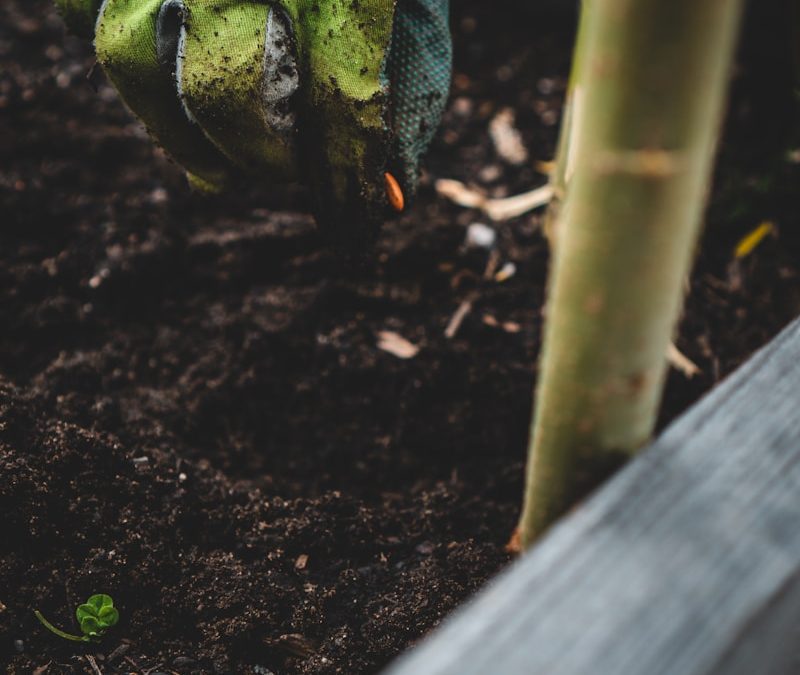
Companion planting isn’t just for big outdoor veg patches. Done the right way, companion planting for indoor gardens can help you use space better, reduce pest headaches, and keep pots looking fuller and healthier. The key is choosing pairings that make sense in containers — not copying outdoor “rules” that don’t translate indoors.
In this updated post, you’ll learn practical indoor-friendly combinations (especially for herbs and small edible setups), what to avoid, and how to set up mixed pots without overcrowding. If you’re building an easy windowsill setup, you can also read Low-Maintenance Indoor Herb Garden.
Contents
- 0.1 Companion Planting for Indoor Gardens: What It Really Means Indoors
- 0.2 The Best Indoor Companion Planting Combinations
- 0.3 Indoor Pairings to Avoid
- 0.4 How to Set Up Mixed Pots Without Problems
- 0.5 Companion Planting for Pest Control Indoors
- 0.6 FAQs About Companion Planting for Indoor Gardens
- 0.7 Final Thoughts on Companion Planting for Indoor Gardens
- 0.8 Related Articles
- 1 Get the Light Right for Stronger Indoor Crops
Companion Planting for Indoor Gardens: What It Really Means Indoors
Outdoors, companion planting often focuses on attracting beneficial insects, masking scents from pests, and improving soil health in beds. Indoors, you’re working with a different reality:
No wind, limited airflow, and sometimes lower light
Fewer natural predators for pests like aphids or fungus gnats
Pots that dry unevenly and have limited nutrients
Much tighter spacing
So indoor companion planting is mainly about matching needs and making the space work: similar light requirements, similar watering habits, and sensible plant sizes that won’t bully each other.
A helpful reminder from Mississippi State University Extension on companion planting myths and truths is that some traditional pairings have evidence behind them, while others are more folklore — so it’s worth focusing on the combinations that genuinely make sense for your conditions.
The Best Indoor Companion Planting Combinations
These pairings are practical for pots, planters, and small indoor grow areas.
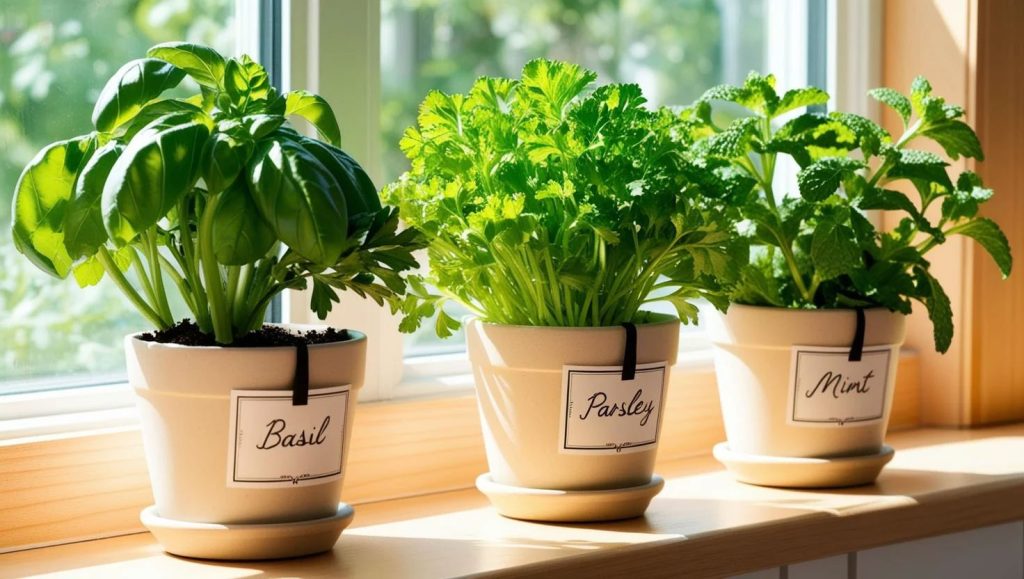
Basil + Chives + Parsley (windowsill “kitchen trio”)
Why it works indoors:
Similar watering needs (even moisture, not bone-dry)
All enjoy bright light
Easy to harvest without stressing the whole pot
How to plant:
Use a wide planter rather than a deep narrow pot
Give each plant its own “zone” (don’t cram all roots into one tight corner)
A rectangular windowsill herb planter with drainage makes this kind of trio much easier to manage neatly.
Thyme + Oregano (dry-lovers)
Why it works indoors:
Both prefer drying slightly between waterings
Both stay fairly compact in containers
They’re hardy and forgiving if you miss a watering day
Tip: Use a grittier compost mix for these than you would for basil or parsley.
Lettuce + Radishes (fast, shallow harvests)
Why it works indoors:
Both can grow in shallow trays
Radishes help you “use” the space while lettuce fills out
You get quick wins (radishes are often ready fast)
This combo is great under lights or on a bright shelf where you want regular harvesting without big pots.
Tomatoes + Basil (only with strong light)
This is a classic pairing, but indoors it only works if your tomato plant is genuinely thriving. If the tomato is weak and leggy, basil won’t “fix” it.
When it works:
You have very bright light (or grow lights)
You can keep watering and feeding steady
You have enough room for airflow around leaves
If you’re growing compact or dwarf tomatoes indoors, basil can still be a handy companion — just don’t overcrowd the pot.

Indoor Pairings to Avoid
Most indoor “fails” happen because plants have totally different needs.
Mint with almost anything (in the same pot)
Mint is vigorous and tends to take over. It’s fine near other herbs, but keep it in its own pot so it doesn’t dominate the whole planter.
Rosemary with thirsty herbs
Rosemary prefers to dry out more than basil or parsley. In shared pots, rosemary often ends up either waterlogged (and miserable) or the thirstier herbs dry out.
Big root systems in tiny planters
Anything that becomes large quickly (like vigorous peppers) will outcompete small herbs in a shared container. If you want a “mixed look”, group separate pots on a tray rather than forcing them into one.
How to Set Up Mixed Pots Without Problems
Match light requirements first
Before you think about “good companions”, ask: do they want the same light?
Basil, parsley, chives: bright windowsill or strong grow light
Thyme, oregano, rosemary: bright light and more sun
Leafy greens: bright light but can tolerate a little less than fruiting crops
Match watering habits second
Indoors, watering mismatch is the silent killer.
“Even moisture” group: basil, parsley, coriander
“Dry between waterings” group: thyme, oregano, rosemary
Use the right container shape
For companion planting in pots, wider containers are often better than deep narrow ones. They:
Dry more evenly
Give roots space without turning soggy
Make harvesting easier
Don’t overcrowd
A mixed pot should still have breathing room. If leaves are constantly touching, you’re more likely to see:
mildew issues
pests spreading quickly
weak, stretched growth as plants compete for light
Companion Planting for Pest Control Indoors
This is where people often expect “magic”. Indoors, companion planting can help, but it won’t replace basic pest control habits.
What companion planting can do
Strong-smelling herbs can make it harder for pests to focus on one plant
Mixed planting can reduce the “all one plant” buffet effect
Some plants can be used as sacrificial “decoys” in higher-risk seasons
What it can’t do (by itself)
Stop fungus gnats if compost stays wet
Prevent aphids if you bring them in on a new plant
Replace airflow, cleanliness, and good watering
If you do get a gnat flare-up around mixed herb planters, yellow sticky gnat traps for houseplants can help reduce the adults while you adjust watering and remove decaying bits on the compost surface.
FAQs About Companion Planting for Indoor Gardens
Does companion planting really work indoors?
It can, but mainly by matching light and watering needs, using space efficiently, and reducing stress on plants. Indoors it’s less about “beneficial insects” and more about good combinations that grow well together in pots.
Can I plant multiple herbs in one pot?
Yes — as long as you group herbs with similar watering habits. Basil/parsley/chives work well together. Thyme/oregano work well together. Avoid mixing dry-lovers with thirsty herbs in the same container.
What’s the best companion plant for basil indoors?
Chives and parsley are great partners because they like similar moisture and light. Basil also sits well near tomatoes, but only if your tomato has strong light and enough space.
Should I companion plant houseplants as well?
You can, but it’s usually more about aesthetics and matching care needs than “companion benefits”. Group plants with similar light and watering requirements rather than trying traditional garden pairings.
How do I stop a mixed pot becoming overcrowded?
Start smaller than you think, harvest regularly, and don’t be afraid to separate plants into individual pots if one starts dominating. Indoors, it’s often better to group separate pots on a tray than force everything into one planter.
Final Thoughts on Companion Planting for Indoor Gardens
The best companion planting for indoor gardens is practical, not mystical. When you pair plants that genuinely like the same light, moisture, and pot conditions, you get healthier growth, easier watering, and better use of small-space setups like windowsills and shelves.
Start with simple combinations (herb trios or dry-loving pairs), keep spacing sensible, and treat companion planting as one helpful tool — alongside good drainage, steady light, and basic pest prevention.
Related Articles
MAKE INDOOR GROWING FEEL SIMPLE
Get the Light Right for Stronger Indoor Crops
Companion planting works best when your plants are already growing well. If herbs and edible plants look leggy, pale, or slow, improving light is often the fastest fix. Learn how to choose and position grow lights so your indoor garden stays compact, productive, and easier to manage in every season.