
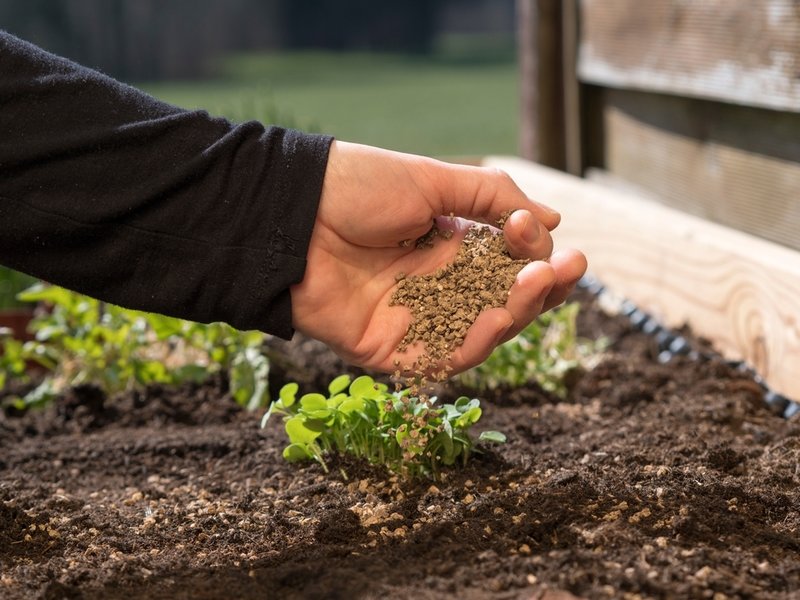
If you’re wondering how often to fertilise indoor plants, the safest answer is: only during active growth, and usually less than the label suggests. Most indoor plants do best with light, consistent feeding rather than strong doses.
Contents
- 0.1 The easiest rule: feed when the plant is growing
- 0.2 How often to fertilise indoor plants by plant type
- 0.3 Liquid vs slow-release: your frequency changes a lot
- 0.4 The “safe method” that prevents most fertiliser mistakes
- 0.5 Long-tail quick answers (fast fixes)
- 0.6 FAQs About How Often to Fertilise Indoor Plants
- 0.7 Final Thoughts on How Often to Fertilise Indoor Plants
- 0.8 Related Articles
- 1 Make Feeding Simple and Predictable
Quick answer: how often to fertilise indoor plants
Most houseplants: every 2–4 weeks in spring/summer (diluted).
Slow-release fertiliser: every 8–12 weeks (or as directed).
Autumn/winter: pause or reduce heavily unless the plant is actively growing.
Fast growers (herbs, some tropicals): slightly more often.
Succulents/cacti: much less often.
Do this first: Check if your plant is actively growing (new leaves, longer stems, fresh roots). If it’s not growing, don’t feed it yet.
If you want a simple seasonal timing reset (when to start/stop), Best Time to Fertilize Indoor Plants pairs nicely with this topic.
The easiest rule: feed when the plant is growing
Indoor plants don’t “need” fertiliser 24/7. They use nutrients best when they’re growing — usually when light levels are higher.
Signs your plant is in growth mode:
new leaves uncurling
longer stems or runners
more frequent watering needs
brighter leaf colour returning
Signs it’s in slow mode:
no new growth for weeks
compost stays wet longer
leaves look unchanged rather than expanding
This is why strict calendar schedules often cause problems indoors.
For a practical baseline, Iowa State University Extension notes that fertiliser frequency depends on the product and that houseplants should be fertilised only when actively growing.
How often to fertilise indoor plants by plant type
Here are simple schedules that work for most homes.
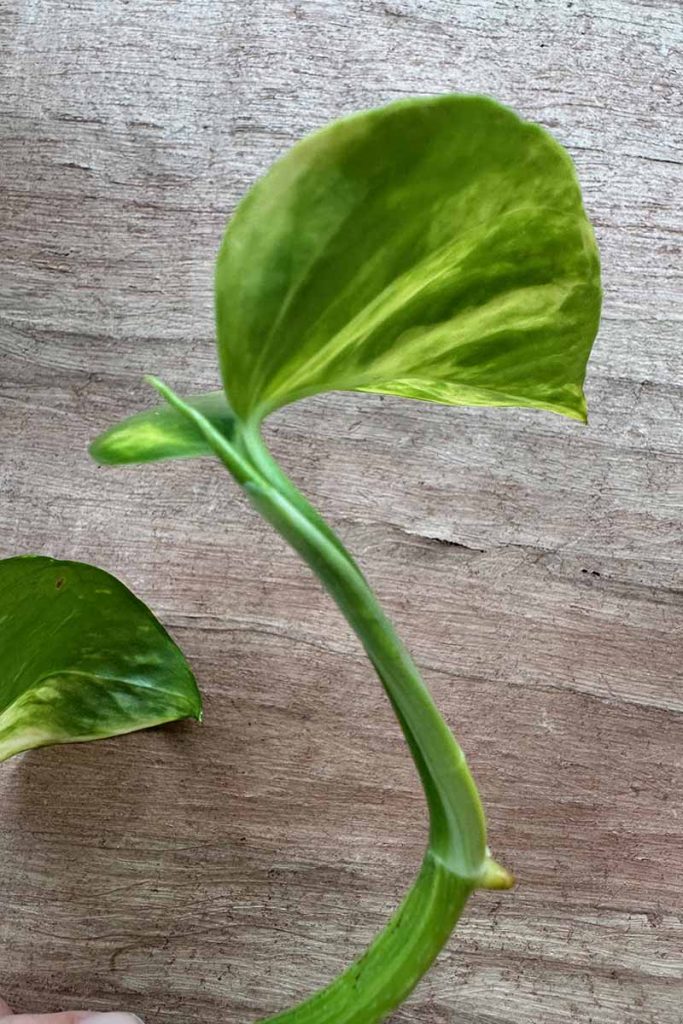
Most leafy houseplants (pothos, monstera, peace lily, etc.)
Every 2–4 weeks during active growth
Use half-strength if you’re unsure
Flowering houseplants (African violet, anthurium, etc.)
Every 2–3 weeks while flowering/growing
Reduce when flowering slows
Indoor herbs (basil, mint, chives, etc.)
Every 2–3 weeks in active growth (light feeding)
Herbs can go bitter or weak if overfed, so keep it gentle
Succulents and cacti
Every 6–8 weeks at most during growth
Often once or twice in the main growing season is enough
Heavy feeders in pots (citrus, indoor tomatoes, etc.)
Every 1–2 weeks during strong growth but diluted
These plants use more nutrients because they grow and fruit
If you grow edibles indoors, keeping the feeding simple (and not guessing) is easier once you understand the basics in Liquid Fertilizer.
Liquid vs slow-release: your frequency changes a lot
The fertiliser type determines the schedule more than the plant does.
Liquid feeds (water-soluble)
Feed more frequently, but lighter
Great if you want control
A balanced liquid houseplant fertiliser is the simplest “one bottle for most plants” option.
Slow-release granules/pellets
Feed less frequently, more “set and forget”
Great if you tend to forget feeds
slow-release fertiliser granules for houseplants are useful if you want fewer feeding days to remember.
The “safe method” that prevents most fertiliser mistakes
This method keeps plants growing without burning roots.
- Water first (or feed on already-moist compost)
- Mix fertiliser weaker than you think you need
- Feed consistently (not randomly)
- If you’re unsure, feed less, not more
If you’re trying to keep routines consistent (so you don’t overcorrect week to week), a simple weekly check habit helps — Indoor Plant Maintenance Routine keeps the basics steady.
Long-tail quick answers (fast fixes)
Why do leaf tips go brown after feeding?
Usually:
too-strong fertiliser
feeding dry compost
salt build-up
Fix:
pause feeding
water thoroughly to flush
resume later at weaker strength
If your plant already has crispy tips, Brown Leaf Tips on Indoor Plants helps you pinpoint whether it’s fertiliser, low humidity, or watering swings.
How do you know if you’re underfeeding?
Signs can include:
pale new leaves
slow growth during bright months
smaller leaves than usual
Before assuming it’s fertiliser, check light — weak light often looks like “needs feeding”.
Should you fertilise in winter?
Most indoor plants slow down in winter, so feeding is usually reduced or paused. If the plant is still actively growing under strong light, light feeding can be okay — but keep it diluted.
FAQs About How Often to Fertilise Indoor Plants
How often should you fertilise most indoor plants?
Usually every 2–4 weeks during active growth, using a diluted mix.
Can you fertilise every time you water?
Only if the fertiliser is designed for that and diluted correctly — for most people, it increases the risk of overfeeding.
What’s the safest fertiliser schedule for beginners?
A diluted liquid feed once a month during spring/summer is a safe starting point.
Do indoor plants need fertiliser at all?
They can survive without it for a while, but long-term they usually grow better with gentle, consistent feeding.
Final Thoughts on How Often to Fertilise Indoor Plants
If you keep it simple, feeding stops being confusing. Fertilise during active growth, use a lighter dose than you think, and choose a schedule that matches your fertiliser type. Most problems come from feeding too strong or feeding when the plant isn’t growing — so consistency beats intensity every time.
Related Articles
Keep growth steady without overthinking it
Make Feeding Simple and Predictable
Fertiliser works best when the basics are already right: light, watering, and drainage. Once those are stable, a simple schedule gives healthier leaves and more reliable growth — without the stress of guessing week to week.