
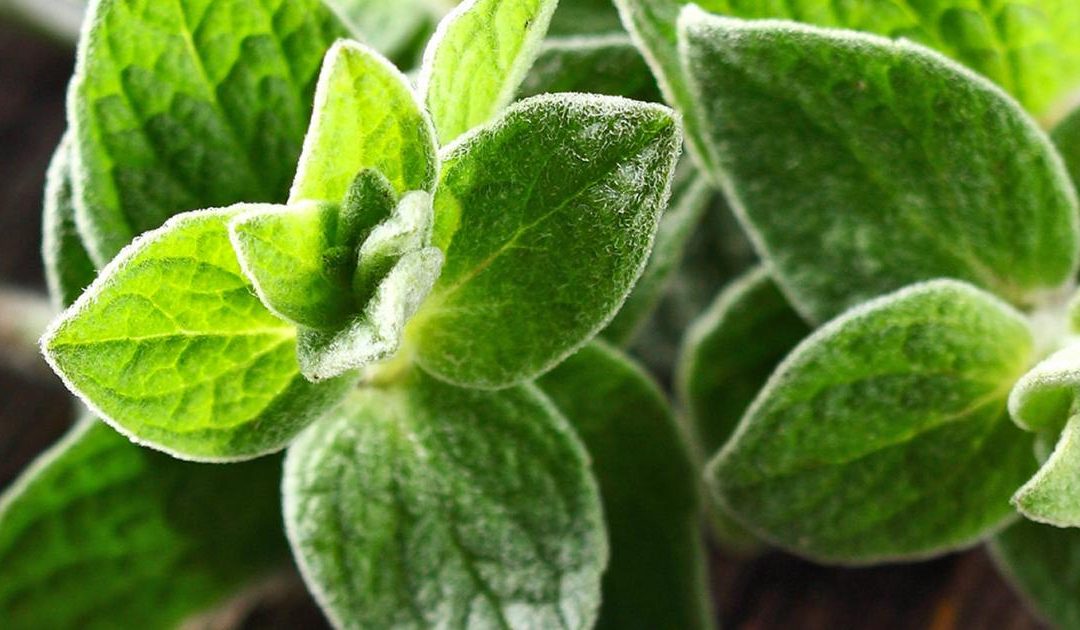
If you want to grow marjoram indoors, the easiest path is simple: give it strong light, fast-draining compost, and a watering routine that doesn’t keep the pot wet for days. Marjoram is one of the better herbs for indoor growing because it likes warmth, doesn’t need constant moisture, and responds well to regular trimming.
Contents
- 0.1 Why marjoram is a great herb to grow indoors
- 0.2 Best light for growing marjoram indoors
- 0.3 Best pot and soil for healthy indoor marjoram
- 0.4 How to grow marjoram indoors from seed
- 0.5 Watering marjoram indoors without making it soft and yellow
- 0.6 How to keep marjoram bushy instead of woody
- 0.7 Feeding marjoram indoors without losing flavour
- 0.8 Common marjoram problems indoors
- 0.9 Harvesting marjoram indoors for regular use
- 0.10 FAQs About How to Grow Marjoram Indoors
- 0.11 Final Thoughts on How to Grow Marjoram Indoors
- 0.12 Related Articles
- 1 Build a Small Indoor Herb Setup That Actually Works
Quick answer: grow marjoram indoors
Put marjoram in the brightest indoor spot you have.
Use a pot with drainage holes and a lighter, freer-draining mix.
Let the top of the compost dry slightly before watering again.
Trim often to keep it bushy, soft, and productive.
Feed lightly, not heavily, if growth starts slowing in an older pot.
Do this first: Check whether the pot drains properly. If water sits in the saucer or the compost stays wet for days, fix that before changing anything else.
If you want a fuller indoor herb setup rather than just one pot, Low Maintenance Indoor Herb Garden is a useful follow-on read for easy herb combinations that work well together.
Why marjoram is a great herb to grow indoors
Marjoram suits indoor growing better than many people expect. It stays manageable in a pot, smells great, and doesn’t demand the constant moisture that fussier kitchen herbs often need.
It works well indoors because it:
enjoys bright, warm conditions
handles container growing well
recovers nicely after light harvesting
stays useful in a small kitchen setup
That said, it still declines fast if it’s grown in weak light or soggy compost.
Best light for growing marjoram indoors
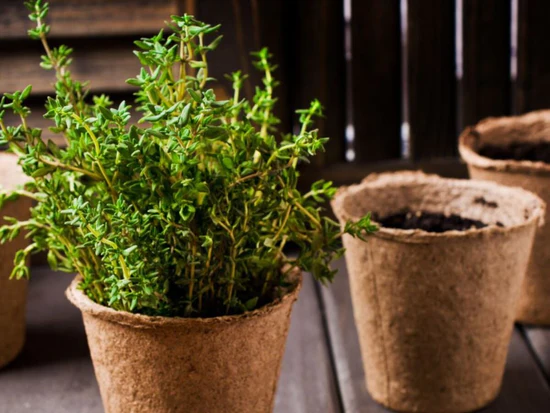
Light is the main thing that decides whether marjoram stays compact and fragrant or turns thin and disappointing.
Good indoor marjoram usually gets:
a bright windowsill
several hours of strong daylight
a spot close to the window, not deep into the room
Signs it needs more light:
long, floppy stems
pale or weak-looking leaves
slower regrowth after harvesting
less scent when you rub the leaves
A bright south- or west-facing window is usually the best place to start. If your home is dim for part of the year, Best Lights for Indoor Gardening helps you judge whether a grow light is actually worth adding.
A clip-on full-spectrum grow light for herbs is a simple backup if your windowsill is decent but not quite strong enough in winter.
Best pot and soil for healthy indoor marjoram
Marjoram does not like sitting in heavy, wet compost. Indoors, that’s one of the quickest ways to lose flavour, root health, and steady growth.
A better setup looks like this:
a pot with drainage holes
a saucer you can empty easily
airy compost that doesn’t stay dense and muddy
a pot size that matches the plant, not something oversized
Terracotta often works well because it helps the compost dry more evenly than fully sealed decorative pots.
If you often end up with damp compost that hangs around for days, Improve Indoor Plant Drainage is the best supporting page because that’s usually the real problem behind weak indoor herb growth.
A terracotta herb pot with drainage holes and saucer is a strong fit for marjoram because it makes overwatering harder to do by accident.
How to grow marjoram indoors from seed
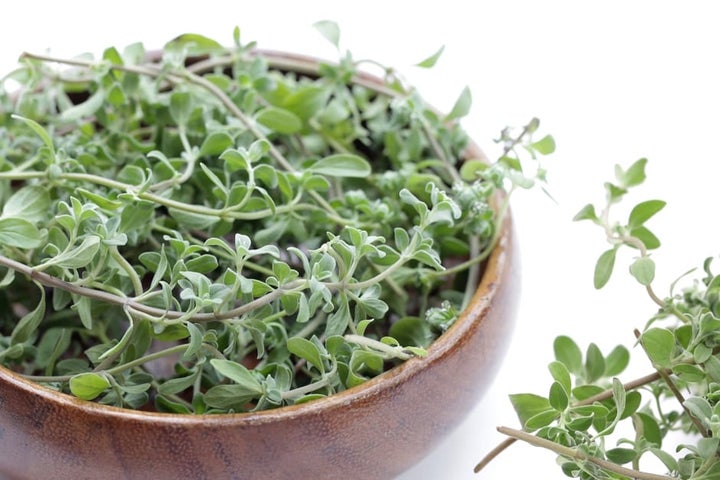
Marjoram can be grown from seed indoors, but it works best if you keep the sowing light and don’t overcrowd the seedlings.
Simple seed-starting method
- Fill a small pot or seed tray with lightly moist compost.
- Scatter the seeds thinly over the surface.
- Cover very lightly with compost or vermiculite.
- Keep the surface just moist until seedlings appear.
Move them into the brightest place you have as soon as they emerge.
Because the seeds are small, sowing too thickly is a common mistake. Thin them once they’re large enough to handle so they don’t all compete in one weak clump.
If you want quicker results, buying a small marjoram plant is often easier than starting from seed.
Watering marjoram indoors without making it soft and yellow
Marjoram prefers a slightly drier rhythm than herbs like basil or coriander. Indoors, overwatering is the more common mistake.
A simple routine:
water thoroughly
let excess drain away
wait until the top layer has dried a little before watering again
Avoid:
small daily splashes
leaving water sitting in the saucer
compost that never seems to lighten or dry
If marjoram starts looking floppy, dull, or yellow, check the compost before anything else. Wet roots usually explain more than people think.
If you want a more repeatable care rhythm for indoor herbs and houseplants, Indoor Plant Maintenance Routine helps turn watering into a quick check instead of guesswork.
How to keep marjoram bushy instead of woody
Regular trimming is what keeps marjoram productive. Without it, the plant often becomes sparse, woody, and less useful.
The easiest way to shape it:
pinch or trim the tips often
don’t wait until stems are very long
cut just above a pair of leaves
That encourages side shoots and keeps the plant fuller.
A pair of micro-tip herb pruning snips makes it easier to trim marjoram cleanly in a small pot without crushing the stems.
If you want a simple method for where to cut and why, How to Prune Indoor Plants gives a clear approach that also works well for herbs like marjoram.
Feeding marjoram indoors without losing flavour
Marjoram usually doesn’t need much feeding indoors, especially if the compost is reasonably fresh.
Too much fertiliser can push softer, less aromatic growth. A lighter touch is usually better.
A simple approach:
don’t feed very young seedlings
feed lightly only once the plant is established
use a weak feed if the same compost has been in the pot for a long time
A diluted seaweed-based liquid plant feed is a safer option than anything strong if your marjoram starts looking pale or tired.
If feeding always feels vague, How Often to Fertilize Indoor Plants helps keep things simple and stops every slow patch becoming a fertiliser problem.
Common marjoram problems indoors
Marjoram is leggy
This is usually caused by weak light. Move it closer to the window or add extra light, then trim it back lightly so it branches again.
Leaves are yellowing
The most common reason is compost staying too wet. Check drainage and let the top layer dry a little more between watering.
The plant smells weak
Low light and heavy feeding can both reduce the strong scent marjoram is known for.
Growth is slow
This often happens in winter, in dim rooms, or when roots are stuck in dense compost. Improve light first before changing anything else.
A useful reminder here is that University of Minnesota Extension’s indoor herb guidance recommends strong light and careful watering for herbs grown inside, which is why marjoram usually improves more from a brighter position than from extra feed.
Harvesting marjoram indoors for regular use
Harvesting little and often is the best way to keep marjoram productive.
A simple harvesting rule:
take small sprigs regularly
cut above leaf pairs
don’t strip the whole plant in one go
This keeps the plant leafy and slows down woody growth. Fresh marjoram is usually at its best while the plant is still young and actively producing soft new stems.
If you enjoy cutting herbs straight from a kitchen setup, Miniature Herb Garden Kitchen is a useful follow-on for ideas on combining herbs that are practical to harvest indoors.
FAQs About How to Grow Marjoram Indoors
Can marjoram grow indoors all year?
Yes, marjoram can grow indoors year-round, but it often slows down in winter unless the light stays strong.
Does marjoram need full sun indoors?
It needs very bright light indoors. A sunny windowsill is ideal, and darker homes may need extra lighting.
How often should I water marjoram indoors?
Water when the top of the compost has dried a little. The exact timing depends on light, pot type, and room temperature.
Is marjoram easy to grow indoors?
Yes, as long as you keep it bright and don’t leave the compost constantly wet.
Final Thoughts on How to Grow Marjoram Indoors
If you want to grow marjoram indoors successfully, keep the setup bright, free-draining, and simple. Don’t overwater it, trim it often, and avoid overfeeding. Once you find the right windowsill and watering rhythm, marjoram becomes one of the easiest indoor herbs to keep useful and fragrant.
Related Articles
Keep herbs productive without constant fuss
Build a Small Indoor Herb Setup That Actually Works
Marjoram grows best when the basics stay simple: bright light, good drainage, and regular trimming. Once those are in place, it becomes one of the easiest herbs to keep productive indoors.