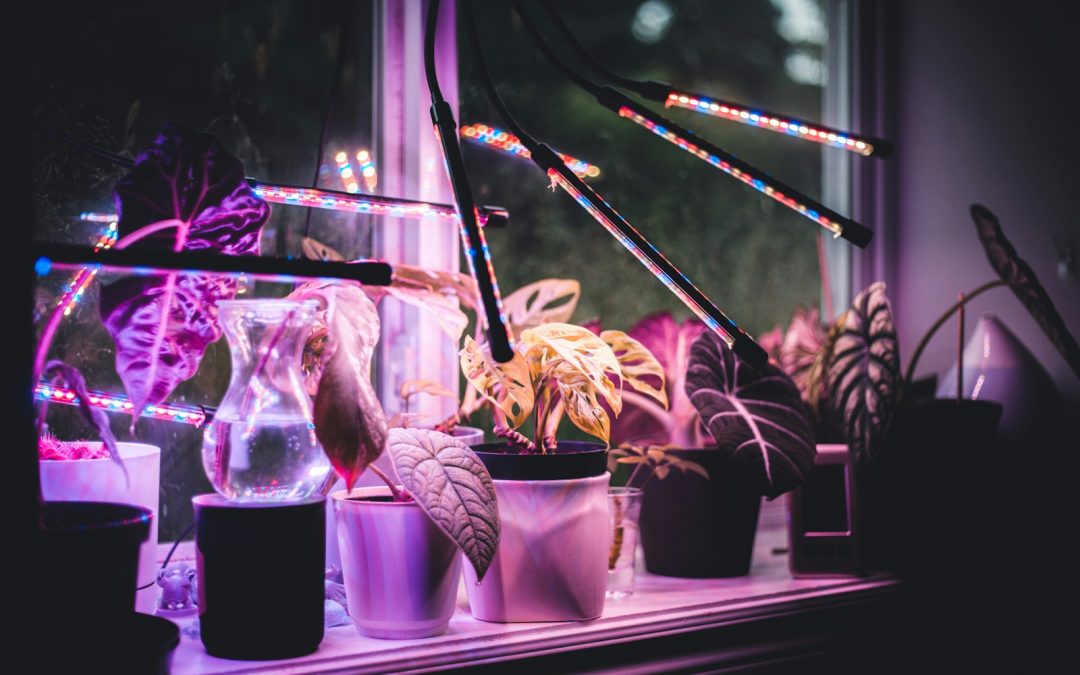
Grow light placement is the difference between bushy growth and sad, leggy stems. Put simply: your light usually needs to be closer than you think, aimed straight down, and run on a consistent schedule.
Contents
- 0.1 Why grow light placement matters more than the bulb
- 0.2 The simplest placement rule: start close, then adjust
- 0.3 Where to position the light: above beats “side lighting”
- 0.4 How long to run grow lights
- 0.5 Quick Plant Signals to Adjust Your Light
- 0.6 Top picks made simple
- 0.7 Long-tail quick fixes (fast answers)
- 0.8 FAQs About Grow Light Placement
- 0.9 Final Thoughts on Grow Light Placement
- 0.10 Related Articles
- 1 Indoor Garden Care – Definitive Guide
Quick answer: grow light placement
Keep lights close enough to be useful (most setups fail because the light is too far away)
Aim for 12–16 hours daily for leafy growth, less if you’re just topping up window light
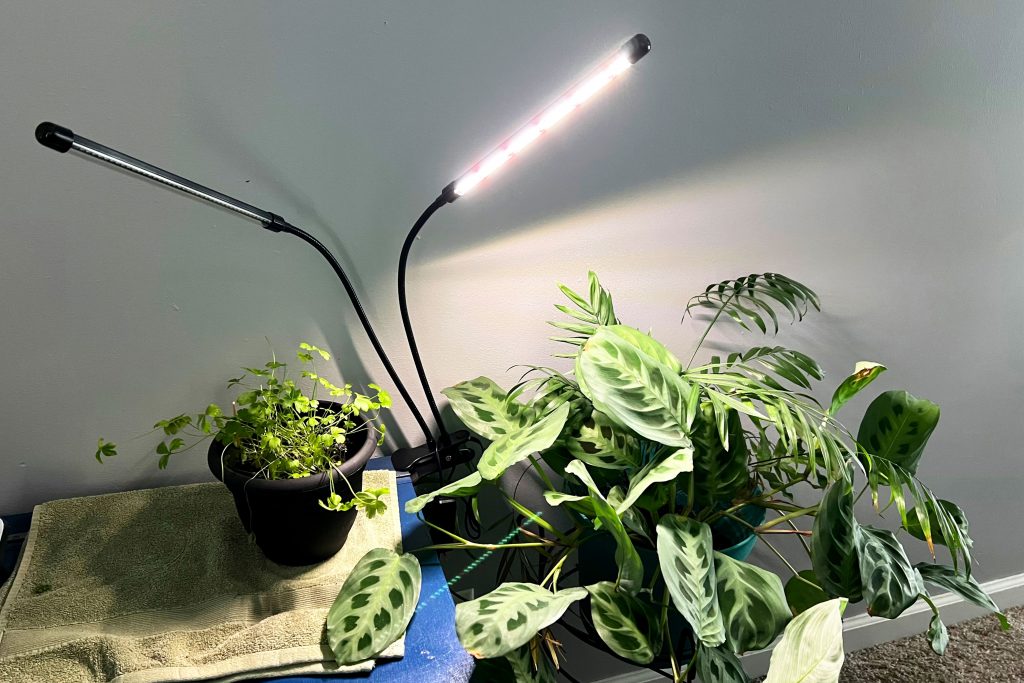
Place the light directly above the plant canopy, not off to the side
Adjust height as the plant grows (weekly checks help)
Watch the plant: stretching = too far, bleaching/curling = too close
Do this first: Move your grow light closer by a small amount today, then reassess after 3–4 days (leaf colour and stem spacing tell you quickly).
If you’re still choosing the right type of light, Best Lights for Indoor Gardening makes the options much clearer.
Why grow light placement matters more than the bulb
Most indoor lights are placed like a lamp (too high, too far away). Plants don’t work like that. Light intensity drops fast with distance, so even a decent grow light can be almost useless if it’s too far above the leaves.
A good placement gives you:
shorter gaps between leaves (compact growth)
deeper colour (healthier chlorophyll)
stronger stems (less flopping)
more predictable watering and feeding
The simplest placement rule: start close, then adjust
Rather than overthinking numbers, start with a sensible “safe” distance and adjust using plant signals.
A practical starting point (easy to remember)
Herbs, seedlings, leafy greens: start 15–30cm above the leaves
Foliage houseplants: start 30–60cm above the leaves
High-light flowering plants: start 20–40cm above the leaves
Then adjust:
If the plant stretches (long bare stems), move light closer
If the plant bleaches, curls, or gets crispy edges, move light higher
If you want a quick indoor routine so you actually remember to tweak height, your Indoor Plant Maintenance Routine fits nicely with grow lights.
Where to position the light: above beats “side lighting”
Overhead placement (best for most plants)
Put the light directly above the plant so the whole canopy gets even coverage. Side lighting causes plants to lean and grow lopsided.
Tip: If you’ve got multiple plants, group them so the light hits a “flat canopy” (similar height plants together).
For shelves and corners (common indoor problem)
If plants are on a shelf or in a dim corner, the placement needs to be closer because walls and shade steal light.
An adjustable clip-on grow light with gooseneck is handy for shelves because you can angle it directly over the leaves without needing a full stand.
How long to run grow lights
Your “hours” depend on whether grow lights are the main light source or just a top-up.
If grow lights are the main light source
Leafy herbs/greens/houseplants: 12–16 hours daily
Succulents/cacti (bright lovers): 10–14 hours, watch for stress
Flowering plants: often 12–14 hours, but intensity matters too
If you’re topping up a window
Try 4–8 hours in winter or darker rooms
Keep it consistent (plants prefer routine)
A plug-in timer makes consistency effortless.
A digital plug-in timer for grow lights keeps your schedule steady so you don’t accidentally under-light during the week and over-light at weekends.
Quick Plant Signals to Adjust Your Light
Signs your grow light is too far away
Leggy growth (long stems, big gaps)
Pale leaves or slow growth
Plant leans heavily toward the light
Signs your grow light is too close
Bleached patches or faded leaves
Leaf curl upward/downward shortly after lighting
Dry, crispy edges despite normal watering
If you’re seeing pale leaves and weak growth across multiple plants, it can help to check the basics in How to Revive a Dying Houseplant (it’s a useful troubleshooting checklist even when light is the main culprit).
Top picks made simple
If you only buy one…
Go for an adjustable clip-on grow light with gooseneck because it’s easy to position properly in small spaces and you can move it between plants as needed.
Best for: apartments, shelves, desks, and “one struggling plant” situations.
If you want the easy mode setup…
Pair a grow light with a digital plug-in timer for grow lights so placement and timing stay consistent without you thinking about it.
Best for: busy weeks, winter light dips, and keeping herbs reliably productive.
Long-tail quick fixes (fast answers)
Grow light placement for herbs on a windowsill
Even on a windowsill, herbs often stretch in winter. Place the light directly above the herbs (not behind them) and run it 6–10 hours as a top-up.
If you’re doing edible growing, Grow Basil Indoors With No Sunlight is a good next step because it turns the “grow light idea” into a simple herb routine.
How far should a grow light be from seedlings?
Seedlings usually need lights closer than houseplants. Start close, watch for stretching, and raise the light as they grow.
Why is my plant still leggy under a grow light?
Common causes:
light too far away
light not centred above the plant
light hours too short
plant is in a dark corner and needs more intensity/closer placement
If you want a reliable reference point for distance ranges, the University of Minnesota Extension guide on lighting for indoor plants includes practical placement distances for different plant types, which is useful for sanity-checking your setup.
FAQs About Grow Light Placement
How do I know if my grow light is working?
Look for tighter leaf spacing, richer colour, and steady new growth. If nothing changes in 10–14 days, it’s usually too far away or not on long enough.
Should I run grow lights 24/7?
No. Plants need a dark period. Aim for a consistent daily cycle.
Do grow lights replace sunlight completely?
They can, if they’re bright enough and placed correctly. Most indoor problems come from distance and timing, not the idea itself.
Can I use grow lights in a bedroom?
Yes, but choose a setup you can position safely and avoid glare. A timer helps keep it predictable.
Final Thoughts on Grow Light Placement
Grow light placement doesn’t need to be complicated. Start with the light closer than you think, keep it directly above the leaves, and run it on a consistent schedule. Then let your plants give you feedback: stretching means “closer”, bleaching means “higher”. A couple of small adjustments usually fixes 90% of indoor lighting problems.
Related Articles
GIVE YOUR WHOLE INDOOR GARDEN A GLOW-UP
Indoor Garden Care – Definitive Guide
Learn how to water, feed, position, and maintain all your houseplants so your new plant stands don’t just look good – they help your plants thrive long term.