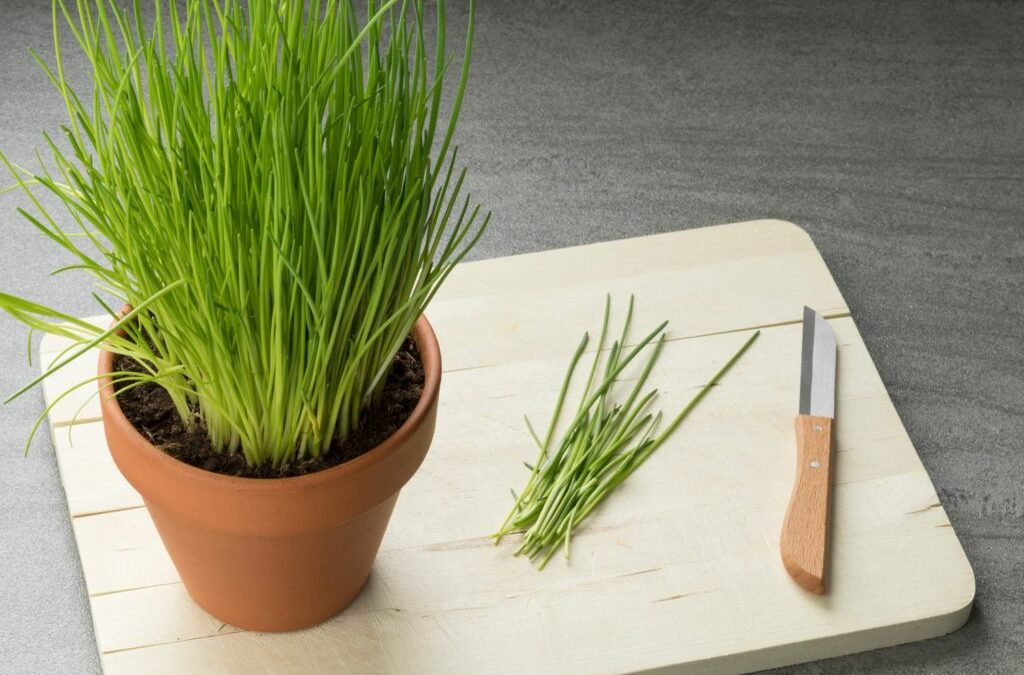
To grow chives indoors, you mainly need bright light, a free-draining pot, and light, regular harvesting. Get those right and chives are one of the easiest indoor herbs to keep going all year.
Contents
- 0.1 What chives need to grow well indoors
- 0.2 Best light for indoor chives
- 0.3 The right pot and compost (this prevents most problems)
- 0.4 Watering chives indoors (the simple routine)
- 0.5 How to harvest chives so they keep coming back
- 0.6 Do chives flower indoors?
- 0.7 Quick fixes for common indoor chive problems
- 0.8 A simple way to keep chives going long-term
- 0.9 FAQs about growing chives indoors
- 0.10 Final Thoughts on Growing Chives Indoors
- 0.11 Related Articles
- 1 Struggling With Low Light Indoors?
Quick answer: grow chives indoors
Put chives in the brightest window you have (or add a light in darker rooms)
Use a pot with drainage holes + free-draining compost
Water when the top 2–3 cm feels dry (don’t keep it constantly wet)
Harvest by snipping outer leaves and leaving the centre to regrow
Feed lightly during active growth (spring/summer), not weekly forever
Do this first: Choose your sunniest spot and pick the pot before you plant—chives hate sitting in soggy compost.
What chives need to grow well indoors
Chives are pretty forgiving, but indoors they struggle for three reasons: not enough light, slow drainage, and overwatering. Fix those and you’re 80% done.
Best light for indoor chives
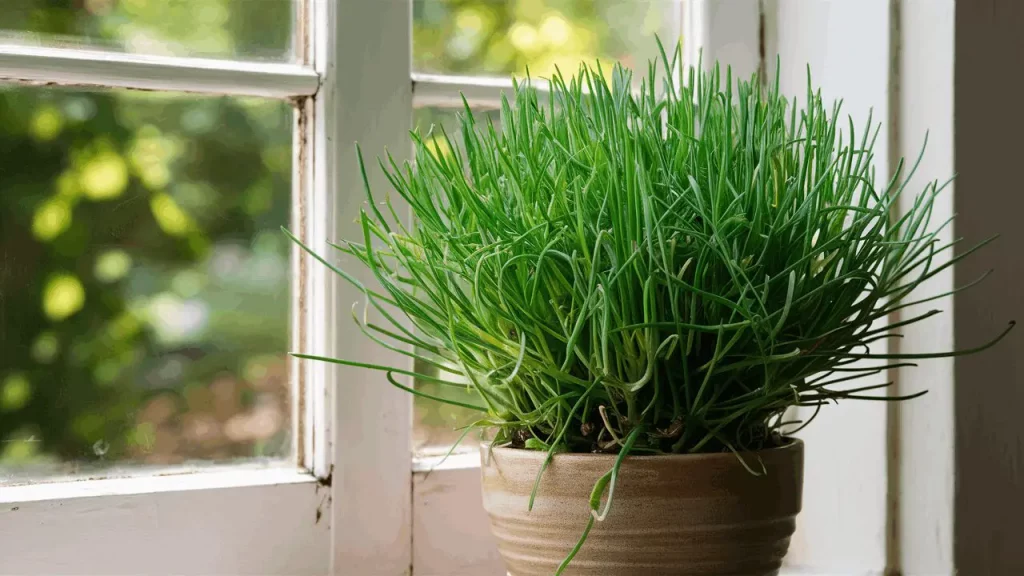
Chives grow best with strong, consistent light. A bright windowsill is perfect—ideally where you can read without turning a lamp on during the day.
If your chives look long, thin, and floppy, that’s nearly always a light issue. In that case, keep the plant closer to the window and rotate it every few days.
If you want a clear overview of lighting options for indoor herbs, Best Lights for Indoor Gardening is the easiest place to start.
The right pot and compost (this prevents most problems)
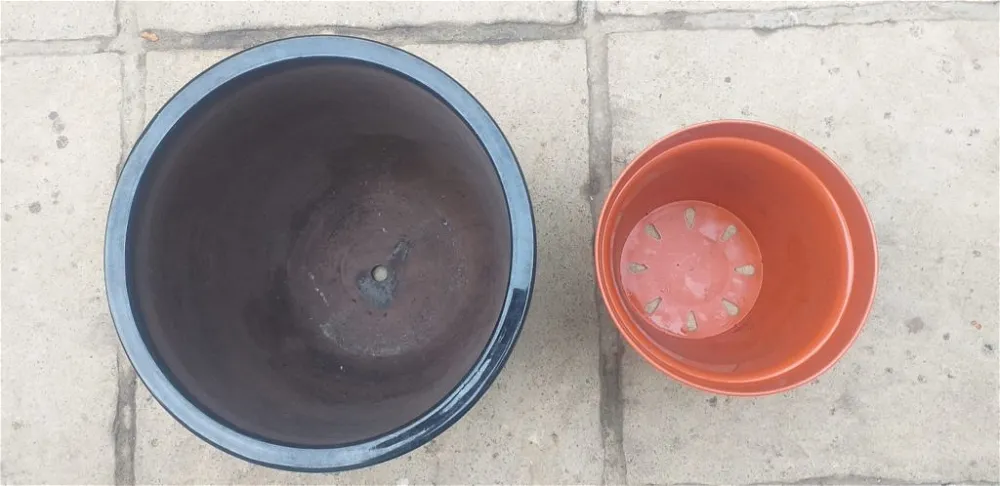
Chives don’t need a huge pot, but they do need:
Drainage holes
A tray/saucer you actually empty
Compost that doesn’t stay wet for days
A simple “rule that works”: water thoroughly, let it drain, then wait until the top layer dries a bit before watering again.
If your compost stays wet, smells musty, or grows algae on top, it’s usually because the pot drains poorly or the container is too deep for the root size. A breathable container can help avoid soggy compost indoors—wide fabric grow bag.
To make drainage easier across all indoor herbs, you might also like Improve Indoor Plant Drainage.
Watering chives indoors (the simple routine)
Watering is where most indoor chive plants fail—usually from kindness.
A simple routine:
Water until it runs out the bottom
Empty the saucer after 10–15 minutes
Don’t water again until the top 2–3 cm feels dry
If you’re never sure when to water and want a steady system, Indoor Plant Maintenance Routine is a handy “keep it alive” checklist.
How to harvest chives so they keep coming back
Indoor chives respond best to small, regular harvests rather than one massive chop.
How to snip properly
Take the outer leaves first
Snip about 2–3 cm above the base
Leave the centre “baby leaves” to keep pushing new growth
A small pair of snips makes this cleaner and helps avoid crushing the stems—herb scissors (micro-tip snips).
If you’re building out your indoor herb section, you can also point readers to Grow Thyme Indoors as another easy windowsill herb.
Do chives flower indoors?
They can. Flowering is usually triggered by strong light and a plant that’s been left to grow without harvesting.
If you want leafy growth (not flowers), just:
Harvest a bit more often
Keep conditions steady (light + water)
Remove flower stalks when you spot them
Quick fixes for common indoor chive problems
Chives are thin, pale, and floppy
That’s almost always not enough light.
Move closer to the window
Rotate the pot
Consider extra light if the room is dim
Yellow tips on chive leaves
Usually one of these:
The compost is staying wet too long
Minerals building up from hard water
The plant is a bit root-tight
Fix: let it dry a little more between watering and trim off the worst tips.
Chives stopped regrowing after cutting
This happens when you cut too low or harvest too hard.
Fix:
Leave the centre alone
Snip higher next time
Give it a week of steady light + careful watering
Tiny flies around the pot
That’s often fungus gnats in consistently damp compost. Let the top layer dry more between watering. If it keeps happening, Fungus Gnats walks you through a fast fix.
A simple way to keep chives going long-term
Chives last longer indoors if you treat them like a “steady supply” herb:
Keep them compact with regular snipping
Don’t let compost stay wet for days
Refresh the top layer of compost occasionally
If it gets crowded, divide the clump and replant
A useful reminder from RHS container gardening maintenance advice is that container plants do best when compost is allowed to dry slightly between thorough waterings—this is the easiest way to avoid root issues indoors.
FAQs about growing chives indoors
Can I grow chives indoors all year?
Yes—if you can give them consistent light and don’t overwater.
How long do chives take to grow indoors?
If you start from a small plant, you can usually harvest lightly within a couple of weeks once it’s settled in.
Do chives need deep pots?
Not really. They prefer a pot that drains well more than a deep one.
Should I feed indoor chives?
A light feed during active growth is fine, but don’t overdo it—too much feed can make herbs softer and less flavourful.
Final Thoughts on Growing Chives Indoors
Chives are one of the best “set and forget” indoor herbs once you nail the basics: bright light, drainage, and a simple watering routine. Keep snipping a little and they’ll keep rewarding you with fresh flavour without much fuss.
Related Articles
LIGHTING MADE SIMPLE
Struggling With Low Light Indoors?
Get the simple grow-light basics (type, distance, timing) so your plants stop stretching and start growing again.