

Blueberries indoor care is all about getting four things right: bright light, acidic soil, steady watering, and the right feeding schedule. Once those are in place, indoor blueberry plants are much easier to keep healthy and productive. If you want to grow blueberries indoors, use acidic compost, give them strong light, and pick a variety that suits container growing.
Contents
- 0.1 Can blueberries really fruit indoors?
- 0.2 Choosing the best blueberry variety for indoors
- 0.3 Pot size and drainage that prevents most failures
- 0.4 Soil: the non-negotiable part (acidic compost)
- 0.5 Light: how to stop weak growth and get flowers
- 0.6 Watering: steady moisture without soggy compost
- 0.7 Pollination indoors: how to actually get berries
- 0.8 Feeding blueberries indoors (keep it gentle)
- 0.9 Common problems (fast fixes)
- 0.10 FAQs About Growing Blueberries Indoors
- 0.11 Final Thoughts on Growing Blueberries Indoors
- 0.12 Related Articles
- 1 Set Up a Container System That Actually Fruits
Quick answer: grow blueberries indoors
Pick a compact (patio) blueberry variety suited to containers.
Use an acidic ericaceous compost (blueberries won’t thrive in normal potting mix).
Give as much light as possible (a bright window can work; grow lights help in darker homes).
Keep soil evenly moist, not soaked, and use rainwater if possible.
Expect the best fruiting from year 2+ once the plant settles.
Do this first: Buy the right compost first — if it isn’t ericaceous (acid-loving), blueberries indoors struggle from day one.
If indoor fruit growing is the goal long-term, Dwarf Fruit Trees for Indoors is a good companion page for other container-friendly options.
Can blueberries really fruit indoors?
Yes — but set expectations properly. Blueberries indoors fruit best when you can provide:
lots of light (bright window + long days, or extra lighting)
a large enough pot with acidic compost
steady moisture (not drought / flood cycles)
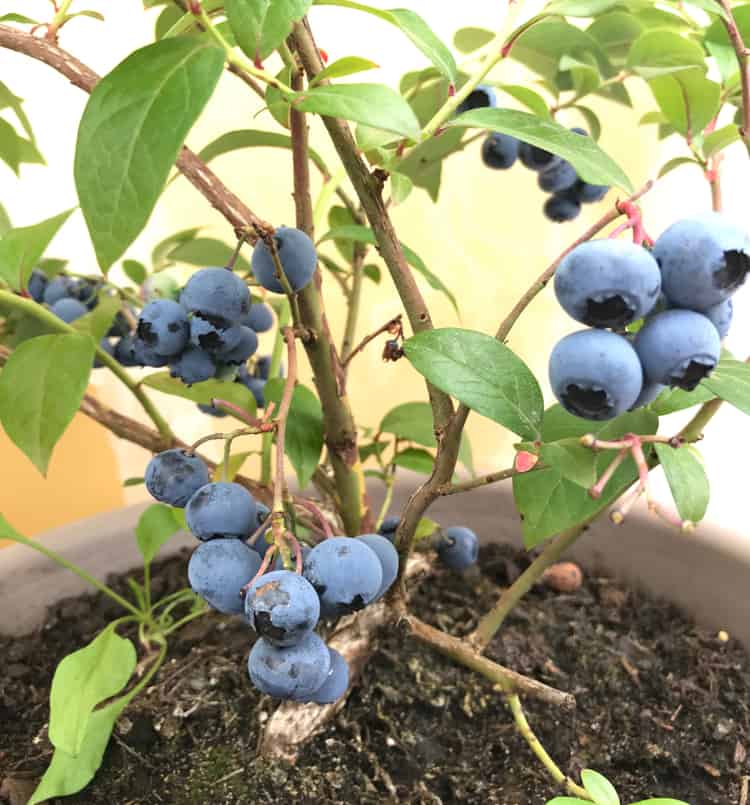
Blueberries can flower indoors, but fruiting is easier if the plant gets a real “seasonal rhythm” (brighter months = growth and flowering).
Choosing the best blueberry variety for indoors
Variety choice makes this project much easier.
Look for:
compact / patio / dwarf varieties (made for containers)
reliable cropping in pots
self-fertile varieties (still benefit from a second plant, but can fruit alone)
A second blueberry variety nearby can improve pollination and yields, even indoors.
Quick tip: If space allows, two smaller pots often outperform one stressed plant in a huge pot.
Pot size and drainage that prevents most failures
Under this H2, here’s the plain truth: most indoor blueberries fail because the compost stays wet and stale, or dries out completely.
Aim for:
a large container (bigger pot = steadier moisture)
excellent drainage (holes + saucer emptied regularly)
no standing water in decorative outer pots
If pots stay wet for days, fix drainage before changing anything else. Improve Indoor Plant Drainage fits perfectly with blueberries because they hate soggy roots.
Soil: the non-negotiable part (acidic compost)
This is the part that matters most: blueberries are acid-loving plants.
Use:
ericaceous compost (made for acid-loving plants)
optionally mix in acidic amendments (only if needed), but start with the right base
If you use standard houseplant compost, blueberries often show nutrient issues even if you feed them.
A bag of ericaceous compost for blueberries is the easiest way to get the pH right in a container.
If feeding becomes confusing later, Liquid Fertilizer makes it easier to understand what “gentle feeding” actually means indoors.
Blueberries are acid-loving, which is why Royal Horticultural Society guidance on blueberries emphasises growing them in acidic conditions (such as ericaceous compost) for good results in containers.
Light: how to stop weak growth and get flowers
Blueberries indoors want more light than most houseplants.
Good options:
brightest window available (south-facing tends to be strongest)
rotate the pot weekly so growth stays balanced
use reflective surfaces (white wall nearby helps)
If growth looks thin and stretched, it’s a light problem first, not a fertiliser problem.
If extra lighting is needed for reliable fruiting, Best Lights for Indoor Gardening is the clearest overview for choosing something practical.
Watering: steady moisture without soggy compost
Here’s a simple rule: blueberries like even moisture, not extremes.
Do:
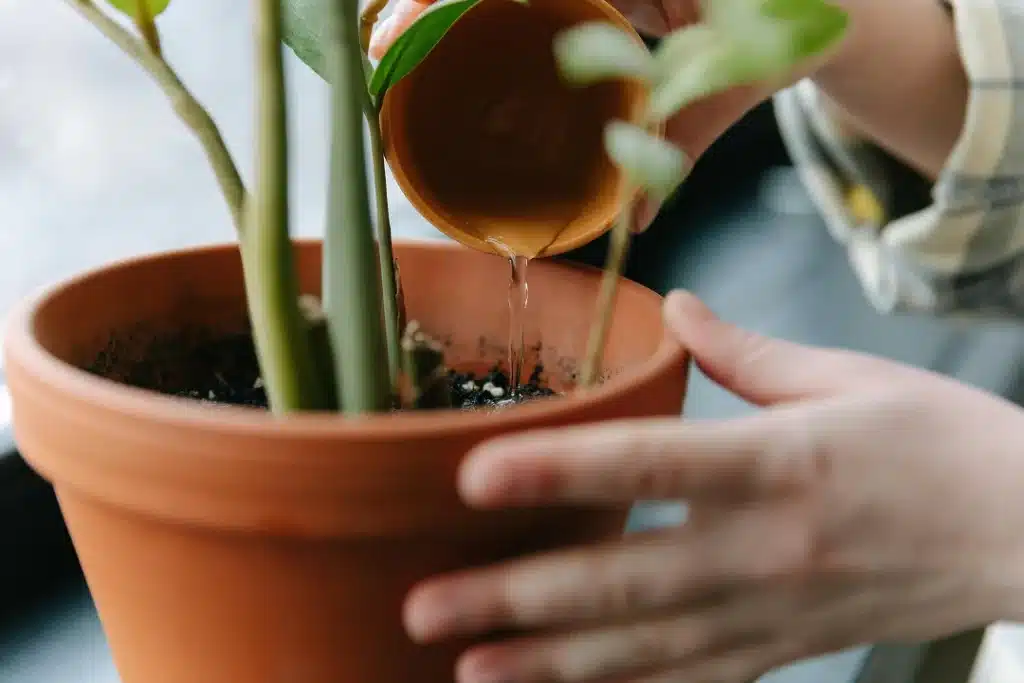
water thoroughly, then let the top layer dry slightly
keep compost lightly moist during flowering/fruiting
empty saucers so roots never sit in water
Avoid:
tiny “top-ups” every day (creates stale, wet compost)
letting compost fully dry (can drop flowers and fruit)
If you’re trying to keep routines consistent (so pots don’t swing between bone dry and soaked), Indoor Plant Maintenance Routine helps build a simple weekly rhythm.
Pollination indoors: how to actually get berries
This is a big one indoors: flowers don’t automatically become fruit.
Simple indoor pollination:
when flowers open, gently tap the plant daily, or
use a soft brush and lightly move pollen between flowers
Two plants (different varieties) can improve fruit set, but one plant can still crop if pollinated.
Feeding blueberries indoors (keep it gentle)
Blueberries in pots don’t need heavy feeding — they need the right compost and consistent care.
Best approach:
feed lightly during active growth (spring/summer)
use an acid-loving fertiliser if leaves look pale despite correct compost
don’t feed heavily in low light or winter slowdowns
An ericaceous liquid feed suits acid-loving plants like blueberries and is easy to dose lightly.
If you want the seasonal timing (when to start/stop feeding), Best Time to Fertilise Indoor Plants supports the “don’t feed in slow growth” rule.
Common problems (fast fixes)
Leaves yellowing between the veins
Often a sign the compost isn’t acidic enough, or watering is affecting nutrient uptake.
Fix:
confirm ericaceous compost
switch to rainwater if possible
feed lightly with an ericaceous fertiliser
Flowers drop without fruit
Usually pollination + light.
Fix:
brush-pollinate daily while flowering
increase light
avoid letting compost dry out during flowering
No growth, no flowers
Usually low light or winter slowdown.
Fix:
move to brighter spot
pause feeding
focus on steady watering and spring restart
FAQs About Growing Blueberries Indoors
Can blueberries grow indoors all year?
They can live indoors year-round, but they still follow seasons. Growth is usually strongest in brighter months.
Do indoor blueberries need direct sun?
Not necessarily, but they need strong light. Bright indirect light can work; direct sun can help if it doesn’t scorch leaves.
How long until indoor blueberries produce fruit?
Often year 2+ is best. Some plants may give a small crop earlier, but stronger cropping comes after settling in.
Do you need two blueberry plants indoors?
One can fruit, but two varieties can improve pollination and yields if space allows.
Final Thoughts on Growing Blueberries Indoors
Grow blueberries indoors is absolutely worth trying if the setup is right from day one. The biggest wins come from using ericaceous compost, giving strong light, and keeping watering steady. Once flowering starts, a quick brush-pollination routine can be the difference between “nice plant” and actual berries.
Related Articles
Make indoor fruit growing feel achievable
Set Up a Container System That Actually Fruits
Blueberries indoors succeed when the setup is stable: acidic compost, steady moisture, and strong light. Once those are in place, pollination and gentle feeding are the final steps that turn flowers into real berries.