
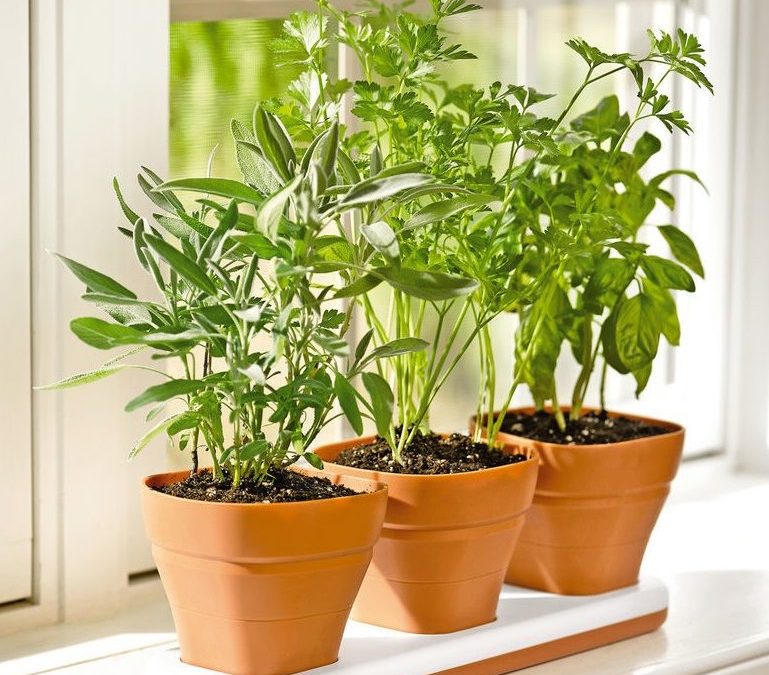
If you want fragrant indoor plants, the best results come from choosing plants that either flower reliably indoors or have naturally scented leaves. Get the right match for your light, and your room can smell fresh without sprays.
Contents
- 0.1 Why some fragrant indoor plants never smell
- 0.2 Best fragrant indoor plants for everyday homes
- 0.3 Light is the real “fragrance switch”
- 0.4 Watering and humidity without the drama
- 0.5 Top picks made simple
- 0.6 Long-tail quick fixes people search for
- 0.7 FAQs About Fragrant Indoor Plants
- 0.8 Final Thoughts on Fragrant Indoor Plants
- 0.9 Related Articles
- 1 Help Fragrant Plants Bloom More Consistently
Quick answer: best fragrant indoor plants for real results
Scented pelargonium = fragrance from leaves (easy win)
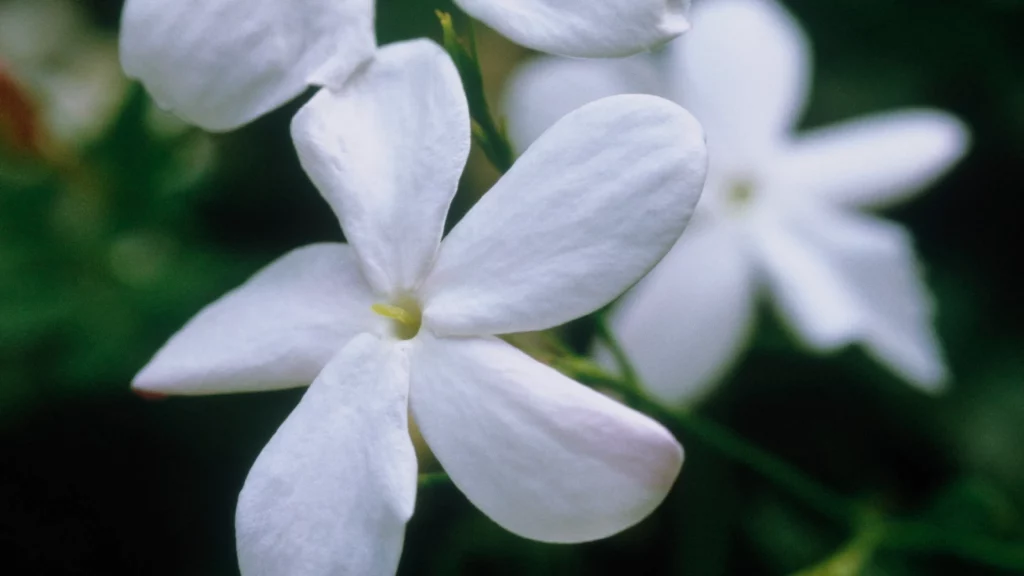
Jasmine = strongest “room scent” when it flowers
Hoya = sweet scent, but needs time to bloom
Gardenia = incredible smell, but more demanding
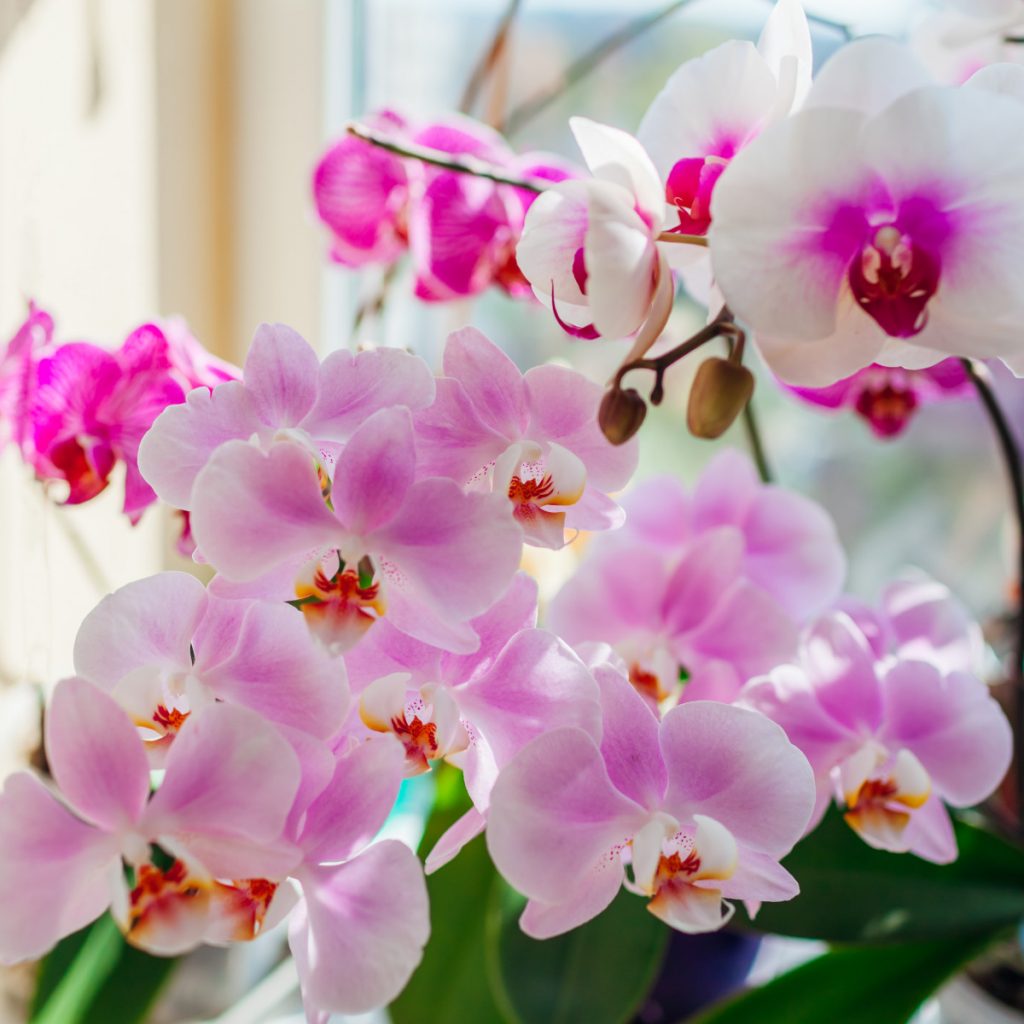
Orchids = some are lightly scented and very manageable indoors
Do this first: Pick your plant based on your light — if your space isn’t bright, go for fragrant-leaf plants (pelargonium) rather than fussy bloomers.
Why some fragrant indoor plants never smell
Most “scented” houseplants only smell strongly when they’re healthy and actively flowering. Indoors, that usually means the plant needs more consistent light, fewer watering swings, and less stress from being moved around.
If you want a simple weekly routine that keeps plants steady (and more likely to flower), Indoor Plant Maintenance Routine is a useful next read.
Best fragrant indoor plants for everyday homes
These are the most realistic options if you want scent without turning your living room into a greenhouse.
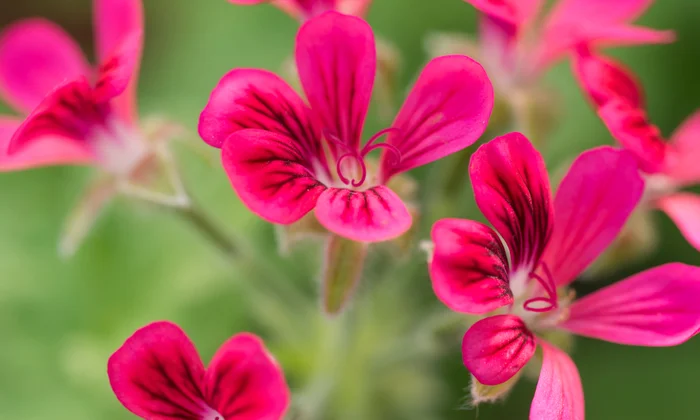
1) Scented pelargonium (the easiest fragrance)
Scented pelargoniums smell when you gently rub the leaves (rose, lemon, minty types). That makes them the easiest “fragrant indoor plant” because you don’t have to wait for flowers.
Best in a bright spot, but copes better than many bloomers
Let the top layer of compost dry slightly between waterings
Pinch tips to keep it bushy and leafier
2) Jasmine (big scent when it blooms)
Jasmine can fill a room with fragrance, but it needs a brighter spot and a steady routine. Treat it like a flowering plant, not a low-light houseplant.
Bright window is best
Don’t let it dry out completely
Light trim after flowering keeps it neat
3) Hoya (sweet scent, usually in the evening)
Hoya often smells strongest later in the day when it’s flowering. It’s not fast, but it can be brilliant once it settles.
Bright, indirect light is ideal
Let compost dry more than you think
Don’t keep moving it around
4) Gardenia (amazing fragrance, higher effort)
Gardenia is one of the best-smelling indoor plants — and one of the quickest to sulk if conditions swing.
Needs bright light and steadier humidity
Hates cold drafts and sudden changes
Bud drop is common if it’s stressed
5) Orchids (some are lightly scented and very doable)
Not all orchids smell, but some do — and many are easier than people assume when you keep roots airy and avoid overwatering.
If you’re unsure about feeding flowering plants gently, Liquid Fertilizer keeps it simple.
Light is the real “fragrance switch”
Most fragrance comes from flowers, and flowers need energy. If your plant is healthy but never blooms, treat it as a light problem first.
If you want a quick way to judge your light (and simple upgrades that don’t look ugly), Best Lights for Indoor Gardening breaks it down clearly.
A neat option for shelves and windowsills is a LED grow light bar, because it spreads light evenly without a bulky setup.
Watering and humidity without the drama
Fragrant bloomers often drop buds when indoor air is dry or watering swings from wet → dry → wet. Aim for “steady” rather than perfect.
Simple routine:
Water thoroughly, let it drain, then empty the saucer
Wait until the top layer dries a little before watering again
Keep plants away from hot radiators and cold drafts
If you want a practical reference point, advice from university horticulture extension pages on gardenia and jasmine care often highlights consistent moisture (not soggy compost) and stable conditions as key to bud and flower success.
If your plant keeps getting “mystery issues”, it’s often a care pattern rather than a single mistake — Indoor Plant Watering Mistakes helps you spot the common traps.
Top picks made simple
If you only choose one
Go with scented pelargonium.
Best for: reliable fragrance without needing flowers.
If you want the biggest “wow” scent
Choose jasmine.
Best for: strong fragrance when blooming in a bright spot.
Long-tail quick fixes people search for
Why doesn’t my fragrant plant smell at all?
It’s usually not flowering (or not flowering strongly). Move it brighter, stabilise watering, and give it time to build energy.
Why do buds fall off before opening?
Most often: dry air, temperature swings, or inconsistent watering. Keep conditions steady and avoid letting compost swing from soaked to bone dry.
What if I want fragrance without flowers?
Pick fragrant-leaf plants (scented pelargonium is the easiest), or grow fragrant edible foliage like mint — How to Grow Mint is a simple option.
How can I make a plant smell stronger indoors?
Improve light, keep the plant stable, and avoid stress. Many scented flowers smell more strongly later in the day, so check scent at different times.
FAQs About Fragrant Indoor Plants
Which fragrant indoor plant is easiest for beginners?
Scented pelargonium is the easiest because it smells even without flowers and copes well with indoor life.
Do fragrant plants need direct sunlight?
Not always, but most fragrant bloomers need a bright spot. Low light usually means fewer blooms and less scent.
Why does jasmine smell some days but not others?
Scent changes with temperature, humidity, and time of day. Many plants smell strongest later in the day.
Can I use grow lights for fragrant plants?
Yes. More usable light often means better flowering indoors, which usually means more fragrance.
Final Thoughts on Fragrant Indoor Plants
If you want fragrance you’ll actually notice, start with a plant that matches your space. Scented pelargoniums are the easiest win, while jasmine and gardenia can give the biggest payoff if you can give stronger light and steadier care. Keep conditions stable, don’t overwater, and let the plant build strength — scent follows.
Related Articles
MAKE YOUR HOME SMELL BETTER NATURALLY
Help Fragrant Plants Bloom More Consistently
If your scented plants stall, it’s usually light and routine. A simple setup (steady light hours, consistent watering, and a quick weekly check) makes flowering — and fragrance — far more reliable indoors.