Controlled-release fertilizers are ideal if you want healthy plants without mixing liquid feed every week. These pellets slowly release nutrients over weeks or months, giving your indoor and container plants a steady supply of food with much less effort.
If you’re still getting your head around the different types of plant food, it’s worth reading the Indoor Plant Fertilizers: Types, Benefits, and Best Practices first, then using this article to focus specifically on controlled-release options.
Contents
- 0.1 What Are Controlled-Release Fertilizers?
- 0.2 Benefits of Controlled-Release Fertilizers
- 0.3 When to Use Controlled-Release Fertilizers
- 0.4 How to Apply Controlled-Release Fertilizers (Step-by-Step)
- 0.5 Controlled-Release vs Liquid Fertilizer
- 0.6 Common Mistakes With Controlled-Release Fertilizers
- 0.7 FAQs About Controlled-Release Fertilizers
- 0.8 Final Thoughts on Controlled-Release Fertilizers
- 0.9 Related Articles
- 1 Get Confident Using Liquid Fertilizer Indoors
What Are Controlled-Release Fertilizers?
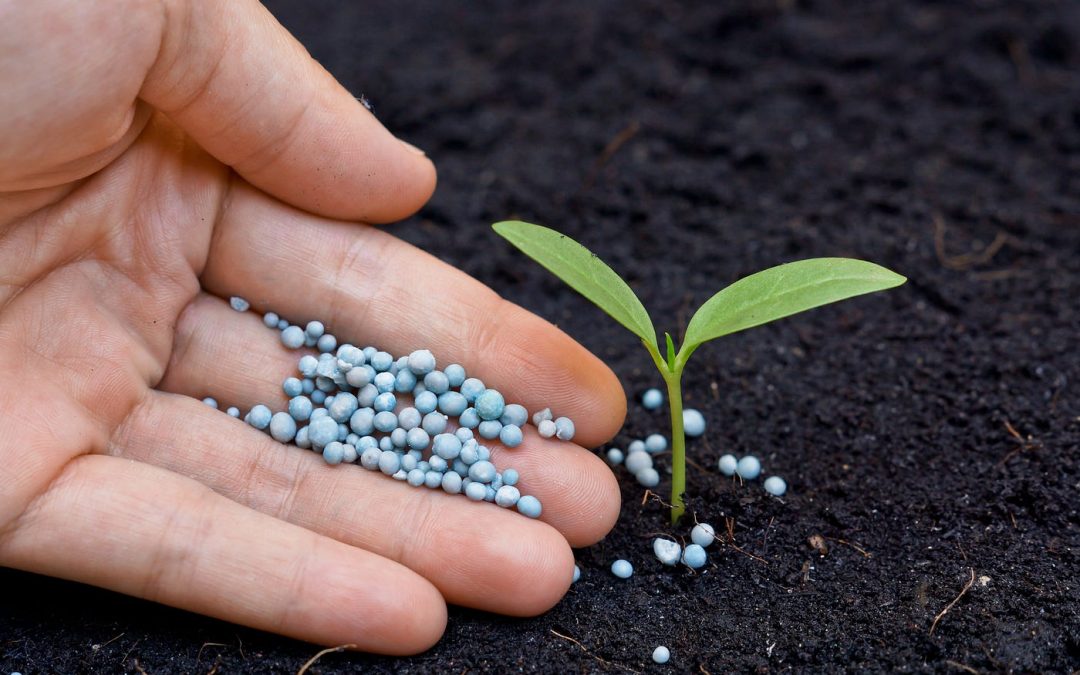
Controlled-release (or slow-release) fertilizers are coated granules or pellets that drip-feed nutrients into the soil over time. Inside each pellet is a blend of the main nutrients:
Nitrogen (N) – leafy growth
Phosphorus (P) – roots, flowers and fruit
Potassium (K) – overall health and resilience
The coating breaks down with warmth and moisture, so plants get a gentle, ongoing supply instead of one big hit.
You’ll often see wording on the packet like:
“Feeds for up to 3 months”
“6-month controlled release”
These give you a rough idea of how long each application should last.
Benefits of Controlled-Release Fertilizers
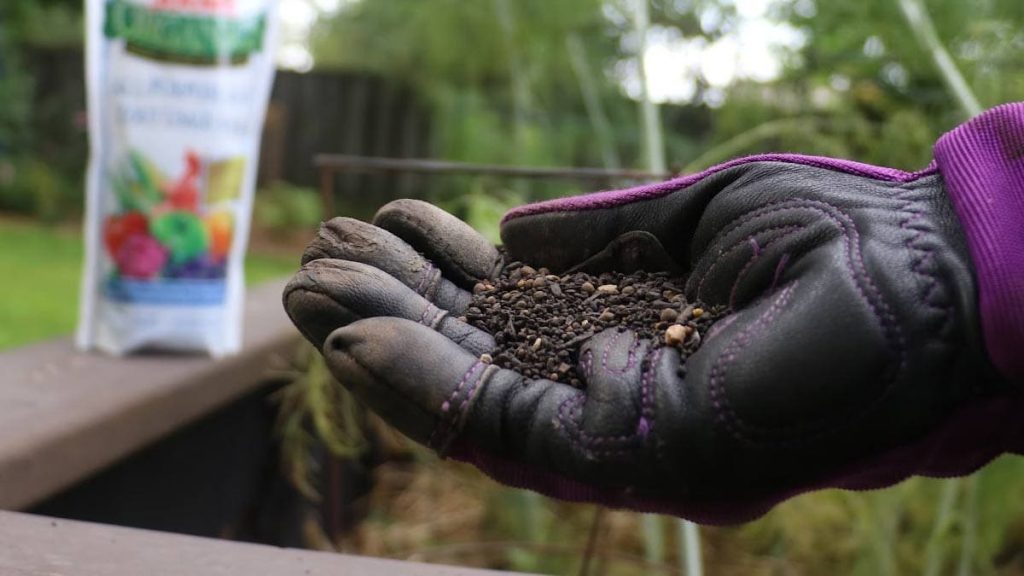
Controlled-release fertilizers are especially handy for busy gardeners and container plants.
Key benefits:
Less faff: Feed once every few months instead of mixing liquid feed every 1–2 weeks.
Steady nutrition: Plants get a consistent trickle of nutrients, which usually means stronger, more even growth.
Lower risk of scorch: Nutrients are released gradually, so there’s less chance of burning roots if you follow the label.
Perfect for forgetful waterers: Great if you travel, work shifts, or just don’t want a complicated feeding routine.
Many gardeners find them particularly useful for big pots like citrus, dwarf fruit trees, monsteras, and patio containers.
You can find controlled-release fertilizers made specifically for pots and baskets, often labelled for container plants.
When to Use Controlled-Release Fertilizers
Controlled-release products shine when you want long, gentle feeding rather than instant results.
They’re ideal for:
Indoor plants in decorative pots – especially larger specimens that are awkward to move.
Big containers and patio tubs – where regular watering can flush nutrients out quickly.
Hanging baskets and window boxes – lots of growth, small root space, and frequent watering.
New plantings – mixing pellets into fresh compost gives plants a head start.
They’re less useful if:
You grow lots of plants in tiny pots that you repot often.
You like to fine-tune feeding with different liquid fertilizers across the season.
A plant is in crisis and needs a fast-acting liquid feed to correct a deficiency right now.
How to Apply Controlled-Release Fertilizers (Step-by-Step)
Always follow the instructions on your chosen product, but this basic method works for most controlled-release granules and pellets.
1. Check the recommended rate
On the label, look for:
How much to use per pot size (e.g. “x grams per 15 cm pot”), or
How much to use per litre of compost.
Don’t guess – controlled-release is designed to work at specific rates.
2. For new plantings (mixing into fresh compost)
- Fill your pot about two-thirds full with fresh compost.
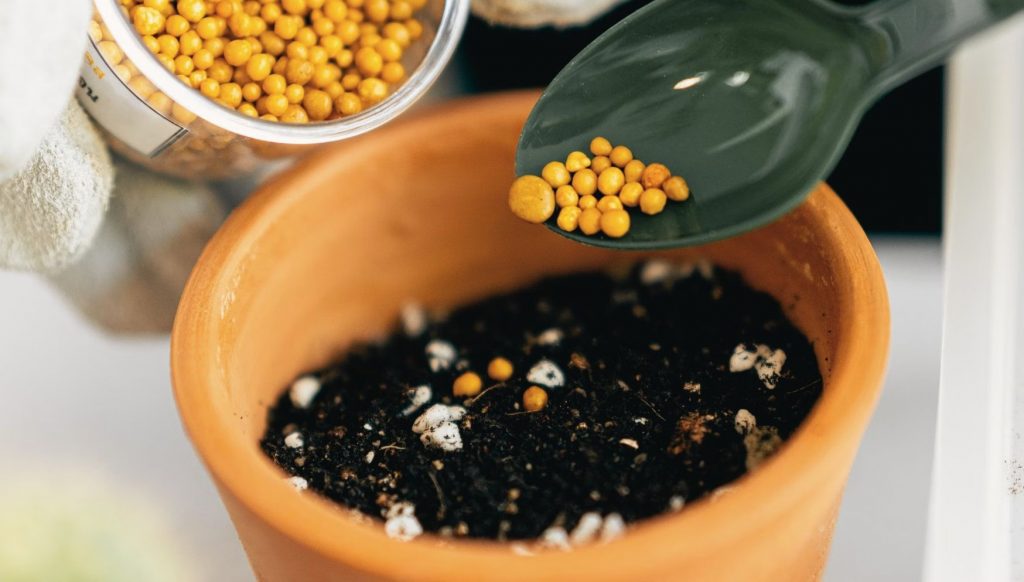
- Measure the correct dose of granules for the total compost volume.
- Mix the granules evenly through the compost (not just dumped in one spot).
- Plant as normal, firm gently, and water thoroughly to start the release process.
This works brilliantly for hanging baskets, big patio pots, and large indoor planters you don’t want to feed constantly.
3. For existing plants (top-dressing)
- If the compost is bone-dry, water lightly first.
- Measure the dose based on pot diameter – follow the label closely.
- Sprinkle the granules evenly over the soil surface, keeping them away from the stem.
- Gently work them into the top 1–2 cm of compost if you can.
- Water well to activate them.
For houseplants, fertilizer spikes are an easy alternative – you just push them into the soil and let them dissolve slowly.
4. How often to reapply
Most controlled-release fertilizers last 3–6 months, depending on the brand and temperature.
Mark the next feed date in your phone or calendar.
Don’t top up early “just in case” – that’s when you risk overfeeding.
According to guidance from trusted gardening organisations like the Royal Horticultural Society, controlled-release and slow-release fertilizers are particularly helpful for container plants because they provide a steady nutrient supply between waterings.
Controlled-Release vs Liquid Fertilizer
You don’t have to choose one forever – many gardeners use both.
Controlled-release is best when:
You want low-maintenance, background feeding.
Plants are generally healthy and just need steady support.
You’re feeding big pots or baskets that are hard to reach regularly.
Liquid fertilizer is best when:
You want a quick response for pale leaves or weak growth.
You’re pushing for extra flowers, fruit, or intense foliage colour.
You grow fast crops like salad leaves or herbs under grow lights.
A nice approach is:
Use controlled-release as your main, long-term feed.
Add a weak liquid feed occasionally in peak growing season if plants look like they need a little extra.
Common Mistakes With Controlled-Release Fertilizers
Using too much “just to be safe”
Overdosing can lead to salt build-up and leaf burn over time. Stick to the measured amount – more isn’t better.
Combining with a heavy liquid feeding schedule
If you’ve already mixed controlled-release granules into the compost, go easy on liquid fertilizers. Use them sparingly, if at all, unless the label says it’s safe.
Forgetting about pot size
A teaspoon in a big tub is nothing; the same teaspoon in a tiny pot is a lot. Always match the amount to the pot diameter or compost volume.
Feeding stressed or sick plants
Fertilizer doesn’t cure root rot, pests or bone-dry compost. Tidy roots, repot if needed, fix watering and light first – then gently feed once the plant starts to recover.
FAQs About Controlled-Release Fertilizers
1. Are controlled-release fertilizers safe for edible plants?
Yes, many are, as long as the label specifically says they’re suitable for food crops. Always follow the dosage and any waiting period before harvest.
2. Can I use controlled-release fertilizer for all my houseplants?
Most common houseplants are happy with controlled-release feeds, especially bigger pots. Very sensitive or specialised plants might prefer milder, more tailored feeding, so always check the label.
3. Do I still need to repot if I use controlled-release fertilizer?
Absolutely. Fertilizer doesn’t fix old, compacted compost or a pot that’s too small. Repot when roots fill the container or water runs straight through.
4. What should I do if I think I’ve over-applied it?
Scrape off what you can from the surface, then flush the pot thoroughly with clean water over a sink or outside. Let it drain fully and avoid adding any more fertilizer for a while.
5. Can I switch from liquid feed to controlled-release mid-season?
Yes. Let a couple of weeks pass after your last liquid feed, then apply controlled-release at the correct rate. Don’t continue liquid feeding at full strength on top.
Final Thoughts on Controlled-Release Fertilizers
Controlled-release fertilizers are a brilliant option if you want healthy, consistent growth with far less effort. Once you’ve mixed or sprinkled them in, they quietly get on with feeding your plants for months, taking the pressure off your memory and schedule.
Start with a few key pots – maybe your largest indoor plants or busiest containers – and monitor how they respond. As you get more confident, you can roll controlled-release feeding out across more of your collection and enjoy lush growth without juggling feeding dates.
Related Articles
Make the Most of Liquid Feeding Too
Get Confident Using Liquid Fertilizer Indoors
Once you’ve set up controlled-release feeding, liquid fertilizer is still incredibly useful for quick boosts and fine-tuning plant health. Our Liquid Fertilizer guide explains how to mix, dilute and time feeds so you can give your plants an extra lift without overdoing it.