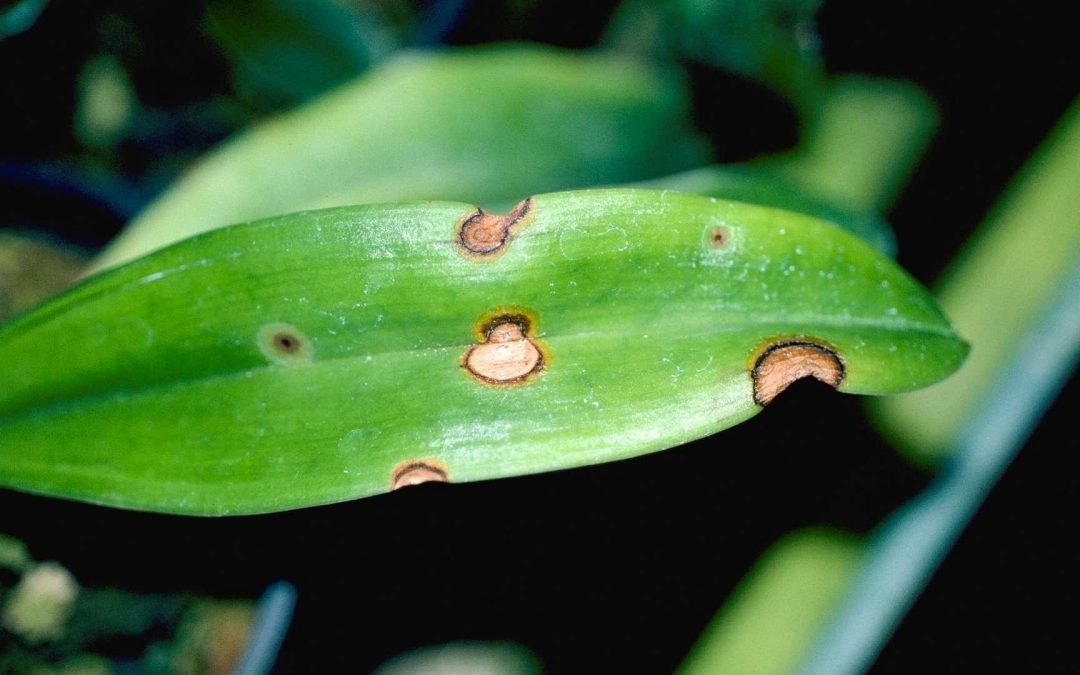
Common indoor plant problems usually come from a small handful of causes: light that’s a bit too low, watering that’s a bit too frequent (or too random), and pots that don’t drain properly. The good news is most issues improve fast once you fix the setup, not just the symptoms.
Contents
- 0.1 Yellow leaves indoors
- 0.2 Brown leaf tips and crispy edges
- 0.3 Drooping plants that “look thirsty” (even when the soil is wet)
- 0.4 Soil mold, fungus gnats, and musty compost
- 0.5 Pest signs: speckling, webbing, bumps, or sticky leaves
- 0.6 Slow growth and “it’s doing nothing”
- 0.7 FAQs About Common Indoor Plant Problems
- 0.8 Final Thoughts on Common Indoor Plant Problems
- 0.9 Related Articles
- 1 Make Indoor Plant Care Feel Predictable
Quick answer: common indoor plant problems
Yellow leaves usually mean watering + light needs adjusting.
Brown tips often come from dry spells, salts, or warm, dry air.
Drooping can mean “too dry” or “roots can’t breathe in wet soil”.
Moldy soil / gnats point to compost staying wet too long.
Sticky leaves / speckling often means pests.
Do this first: Check the compost 2–3 cm down and confirm the pot drains freely (a lot of “mystery problems” start there).
If you want a simple pest ID reference for anything sticky, speckled, webby, or bumpy, Indoor Plant Pest Guide: Identify and Treat Pests Fast is a useful companion read.
Yellow leaves indoors
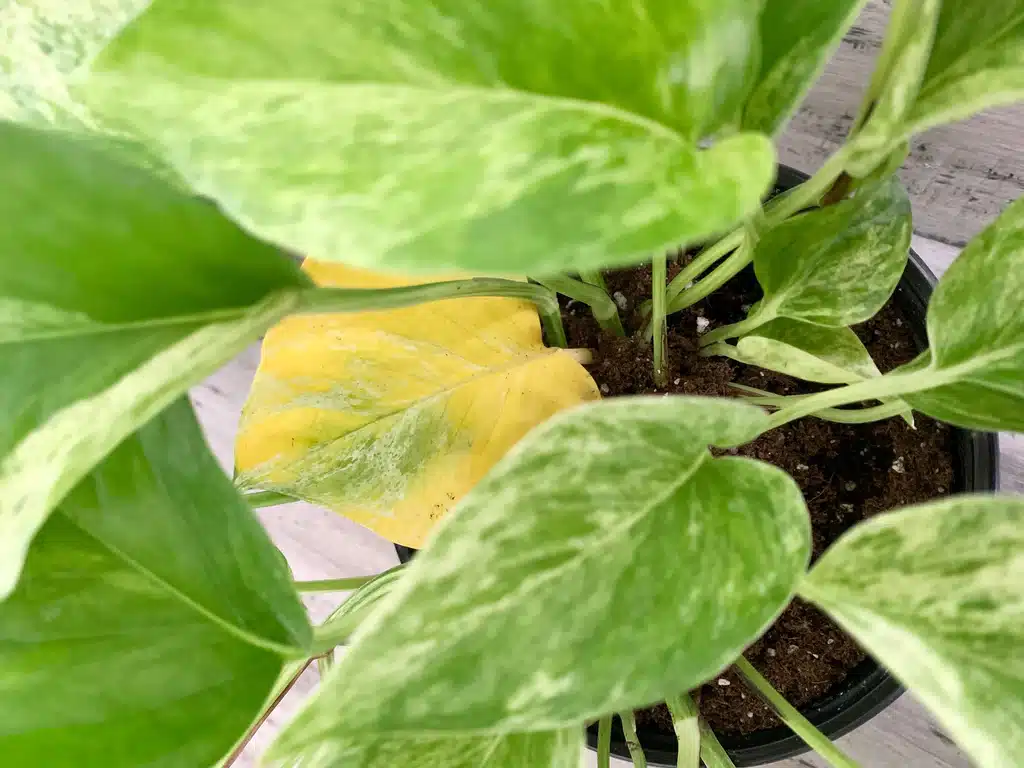
Yellow leaves are one of the most common indoor plant problems, and they’re usually caused by watering + light, not a lack of fertiliser.
Most common reasons
Compost staying wet for too long (especially in winter)
Low light slowing growth
Natural ageing of a lower leaf (if it’s only one occasionally)
Fast fix
Let the top layer dry slightly before watering again.
Move the plant closer to brighter indirect light.
Empty any trapped water in saucers or cover pots.
If you want a quick diagnosis flow that narrows it down properly, Why Indoor Plants Turn Yellow walks through the most likely causes.
Brown leaf tips and crispy edges
Brown tips are annoying because they make plants look unhealthy even when they’re mostly fine.
Most common reasons
Inconsistent watering (dry → soaked swings)
Salt build-up from heavy feeding or hard water
Warm, dry air (radiators, heat vents)
Too much direct sun through glass
Fast fix
Water more consistently (deep water, then allow a small dry-down).
Flush the pot occasionally with plain water (and let it drain fully).
Move the plant away from heat blasts.
A proper troubleshooting checklist saves a lot of guesswork — Brown Leaf Tips on Indoor Plants is the clearest reference for this one.
Drooping plants that “look thirsty” (even when the soil is wet)
This is one of the most confusing common indoor plant problems because drooping can mean two opposite things.
If the compost is dry
Water thoroughly until it drains out, then let it recover.
If the compost is wet
Roots may be stressed and struggling to absorb water (low oxygen in soggy compost).
Fast fix for wet-soil droop
Empty the saucer/cover pot.
Improve airflow and light.
Wait until the top layer dries before watering again.
If you often see compost staying wet for days, Improve Indoor Plant Drainage shows the quickest fixes that actually change the drying behaviour.
A soil moisture meter for houseplants can help you confirm whether the root zone is still wet when the surface looks dry.
Soil mold, fungus gnats, and musty compost
If the soil surface is fuzzy or you’re seeing tiny flies, the plant is basically telling you: this compost is staying wet too long.
Most common reasons
Watering too frequently
Dense mix with poor airflow
Low light slowing drying
Decorative cover pots trapping water
Fast fix
Scrape off the top 1–2 cm of affected compost.
Pause watering until the surface dries properly.
Improve drainage and airflow.
If you’re dealing with the white-fuzzy top layer issue, Prevent Mold in Indoor Soil is the most direct fix-it page.
Pest signs: speckling, webbing, bumps, or sticky leaves
Pests are a common indoor plant problem because they build quietly, then suddenly your plant looks “off”.
Quick clues
Sticky leaves: often aphids or scale
Fine speckling + webbing: often spider mites
Brown bumps on stems: often scale
Silvery streaks: often thrips
Fast fix
Isolate the plant.
Rinse leaves (especially undersides).
Treat consistently for a few weeks (stopping early causes comebacks).
A plant-safe insecticidal soap concentrate for houseplants is a straightforward option for many soft-bodied pests if used exactly as directed.
Slow growth and “it’s doing nothing”
Slow growth is often just low indoor light — especially in winter — but it can also be root stress.
Most common reasons
Not enough usable light (too far from the window)
Potting mix staying wet and cold
Root-bound plants that dry too fast and struggle to absorb evenly
Fast fix
Move the plant closer to brighter indirect light.
Check drainage and pot size.
Hold off on fertiliser until growth restarts.
If you’re trying to speed things up safely, Make Indoor Plants Grow Faster focuses on the highest-impact changes.
When diagnosing common indoor plant problems, it helps to know the basics aren’t “old wives’ tales” — the Royal Horticultural Society’s houseplant growing guidance reinforces practical care like sensible watering, avoiding waterlogging, and providing suitable light
FAQs About Common Indoor Plant Problems
Why do indoor plants die even when you water them?
Often because they’re watered too often in low light, so roots can’t breathe in wet compost. Drainage and drying rhythm matter as much as watering.
Is it normal for indoor plants to drop leaves?
Some leaf drop is normal when seasons change or after moving location. Heavy or sudden leaf drop usually points to stress (light, watering, drafts, or pests).
Should you cut off damaged leaves?
If a leaf is mostly damaged, removing it can help the plant focus on new growth. If only the tips are brown, you can trim the tips for appearance.
What’s the quickest indoor plant fix that actually works?
Brighten the plant’s location slightly and make sure excess water can drain away. Those two changes solve a surprising number of issues.
How do you stop problems returning?
A simple weekly check (moisture, pests, dust, drainage) prevents most “sudden” issues from building up.
Final Thoughts on Common Indoor Plant Problems
Most indoor plant issues aren’t mysterious — they’re repeat patterns. If you focus on light, drainage, and a steadier watering rhythm, you’ll solve the majority of common indoor plant problems without buying lots of extra products. When you do see pests, treat early and repeat long enough to break the cycle.
Related Articles
Fix issues faster with a simple routine
Make Indoor Plant Care Feel Predictable
Most common indoor plant problems improve when the basics stay consistent: better light, sensible watering, and pots that drain properly. A simple routine helps you spot early warning signs and correct them before the plant declines.