
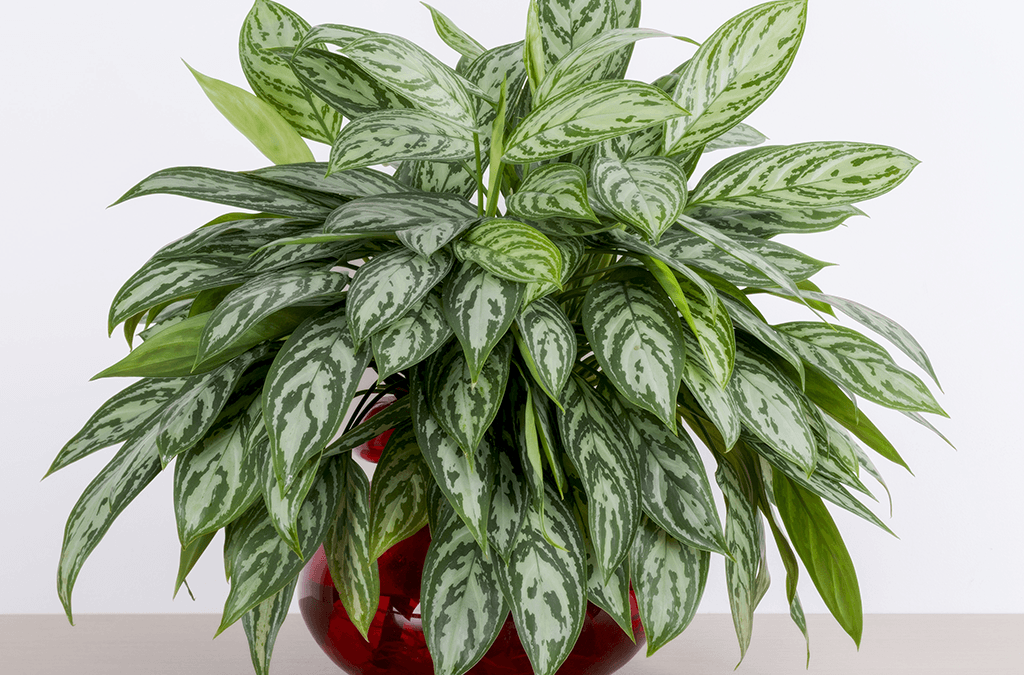
Chinese evergreen care indoors is mostly about getting three things right: steady light, even watering, and warm, draught-free placement. Do that, and an aglaonema stays tidy, colourful, and surprisingly forgiving — even if you’re not the most consistent plant parent.
Contents
- 0.1 What a Chinese evergreen needs indoors
- 0.2 Light for Chinese evergreen care indoors
- 0.3 Watering without root rot
- 0.4 Pot, drainage, and soil mix
- 0.5 Temperature and placement that keeps leaves happy
- 0.6 Feeding Chinese evergreens without overdoing it
- 0.7 Quick fixes for common Chinese evergreen problems
- 0.8 FAQs About Chinese Evergreen Care Indoors
- 0.9 Final Thoughts on Chinese Evergreen Care Indoors
- 0.10 Related Articles
- 1 Set Up a Routine That Keeps Leaves Glossy and Roots Healthy
Quick answer: Chinese evergreen care indoors
Keep in bright, indirect light for best colour (tolerates lower light).
Water when the top few centimetres dry; avoid leaving the pot sitting in water.
Use a well-draining houseplant mix and a pot with drainage holes.
Keep warm and stable (avoid cold windowsills and radiator blasts).
Wipe leaves occasionally so the plant can use light properly.
Do this first: Move the plant out of direct sun and check the pot has drainage holes — most problems start with too much sun or trapped water.
If dust is dulling the leaves (and making the plant look “tired”), Clean Dust Off Indoor Plant Leaves makes the quick clean-up easy.
What a Chinese evergreen needs indoors
Chinese evergreens (aglaonema) are popular because they cope with normal home conditions. They’re not fussy — but they do have clear preferences.
They like:
bright, indirect light
even moisture (not constantly wet, not bone dry for weeks)
warmth and stable temperatures
medium humidity (average homes are fine)
They dislike:
cold draughts
harsh direct sun
soggy compost
Light for Chinese evergreen care indoors
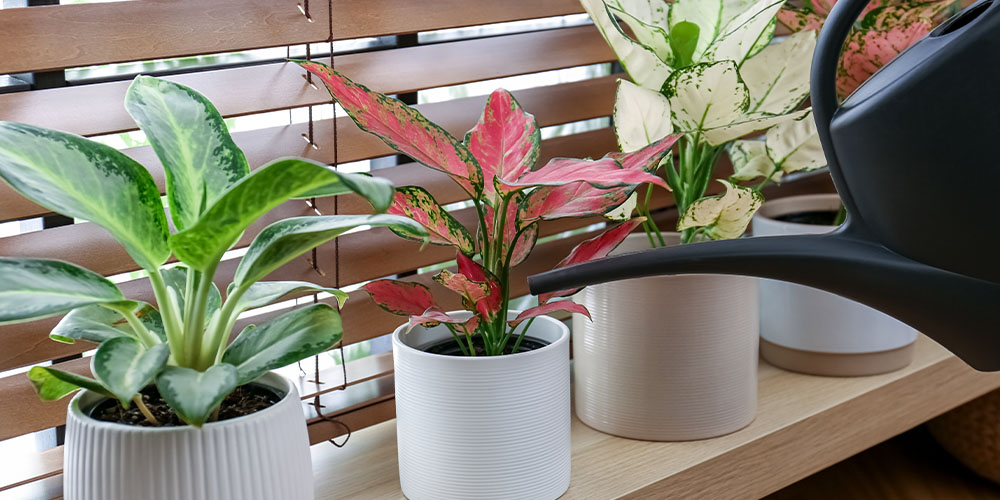
Light controls two big things: leaf colour and growth speed.
Bright, indirect light: best colour and fuller growth
Lower light: plant survives, but growth is slower and variegation can fade
Direct sun: can scorch leaves (especially lighter variegated types)
If you’re unsure what “bright enough” looks like in real life, Best Lights for Indoor Gardening helps you judge light quality and options without overcomplicating it.
If your room is consistently dim, a compact full-spectrum LED grow light panel can keep growth steady without needing a perfect window.
Watering without root rot
Overwatering is the main reason Chinese evergreens decline indoors. The trick is watering based on dryness, not a calendar.
A simple watering method
Check the top 3–5 cm of compost.
If it’s still damp, wait.
When it’s dry in that top layer, water thoroughly and let excess drain away.
Signs you’re watering too often:
yellowing lower leaves + soft stems
soil stays wet for days
musty smell from the pot
If your plant is staying wet too long, Root Rot in Houseplants is a useful next read for spotting early signs and fixing the setup before the plant crashes.
When it comes to houseplant care basics like avoiding waterlogged compost and providing bright, indirect light, the Royal Horticultural Society’s houseplant growing guidance reinforces the same core approach: steady conditions and sensible watering tend to beat constant tinkering
Pot, drainage, and soil mix
A Chinese evergreen doesn’t need a fancy mix, but it does need air around roots.
A good basic setup:
nursery pot with drainage holes
saucer that you empty after watering
airy mix that drains well
If you want a simple upgrade that reduces mistakes, an indoor plant pot with drainage holes and saucer makes “water then drain” easier to stick to.
If you’re repotting and want the plant to dry more evenly, your Best Indoor Plant Soil Mix post pairs well here because it explains how to build a mix that drains but doesn’t dry out instantly.
Temperature and placement that keeps leaves happy
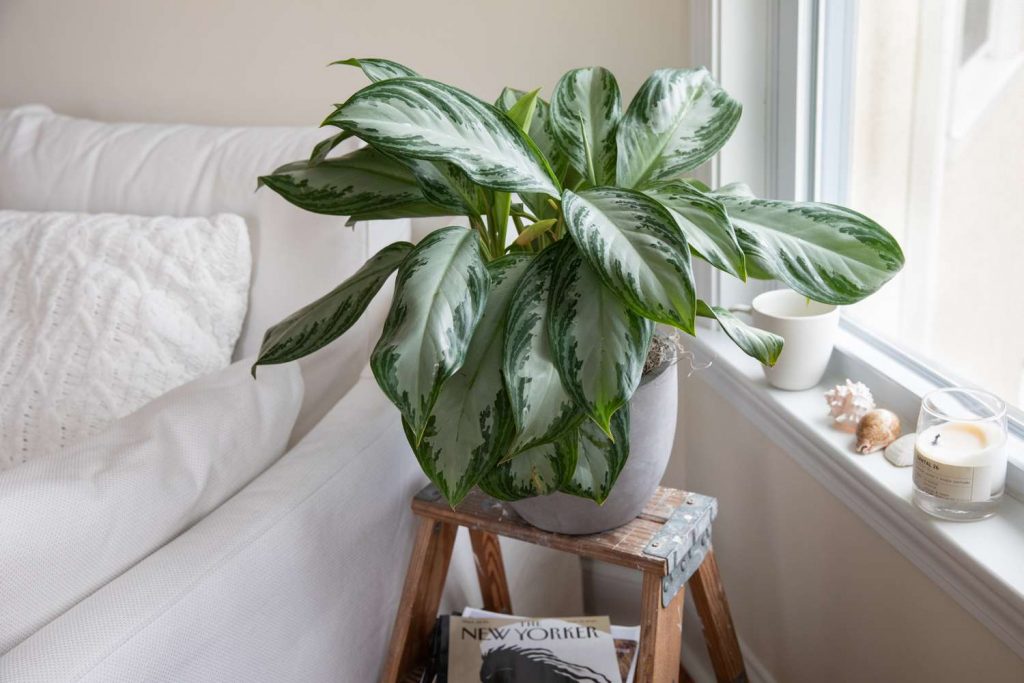
Aglaonemas prefer warm, stable rooms. Sudden changes are what cause leaf stress.
Best placement:
away from cold draughts and doors
not pressed against a freezing window in winter
not directly above radiators
If leaves keep browning on the ends, it’s often a mix of dry air, inconsistent watering, or heat blasts — Brown Leaf Tips on Indoor Plants helps you narrow down the cause quickly.
Feeding Chinese evergreens without overdoing it
Chinese evergreens are light feeders. Too much fertiliser can cause weak growth or leaf issues.
Simple feeding approach:
feed lightly in spring/summer when growth is active
skip feeding in winter if the plant is barely growing
flush the pot with plain water occasionally to prevent build-up
If you want feeding to feel less confusing, How Often Fertilize Indoor Plants makes a good reference point for timing without turning it into a schedule obsession.
Quick fixes for common Chinese evergreen problems
Yellow leaves
Most often: overwatering, low light, or a cold spot. Check soil dampness first.
Drooping leaves
Could be underwatering, but also cold stress. Feel soil + check room temperature.
Faded colour
Usually not enough light. Move closer to a bright window (still indirect), or add a light.
Brown tips
Often dry air or watering swings. Check placement (heat/draught) and watering consistency.
A simple “spot it early” habit is doing a quick weekly check — Indoor Plant Maintenance Routine makes that feel manageable and stops small issues getting big.
FAQs About Chinese Evergreen Care Indoors
Is Chinese evergreen good for low light?
Yes, it tolerates low light better than many plants, but colour and growth are usually best in bright, indirect light.
How often should I water an aglaonema?
When the top 3–5 cm of compost is dry. That might be weekly in summer and much less often in winter.
Should I mist Chinese evergreen?
Misting isn’t essential. If your air is very dry, a tray or humidifier tends to be more consistent than misting.
Why are the leaves turning yellow?
Most commonly overwatering or poor drainage. Check soil moisture and whether the pot is sitting in water.
Final Thoughts on Chinese Evergreen Care Indoors
If you want an indoor plant that looks good without constant fuss, Chinese evergreens are one of the best. Give bright, indirect light, let the top of the compost dry before watering, and keep it away from cold drafts and radiator heat. Once the routine is steady, the plant usually rewards you with tidy growth and strong colour.
Related Articles
Make houseplant care easier to stay consistent with
Set Up a Routine That Keeps Leaves Glossy and Roots Healthy
Chinese evergreens thrive when the basics stay steady: indirect light, a draining pot, and watering only when the plant is ready. A simple routine makes it easier to keep that balance without overthinking every leaf.