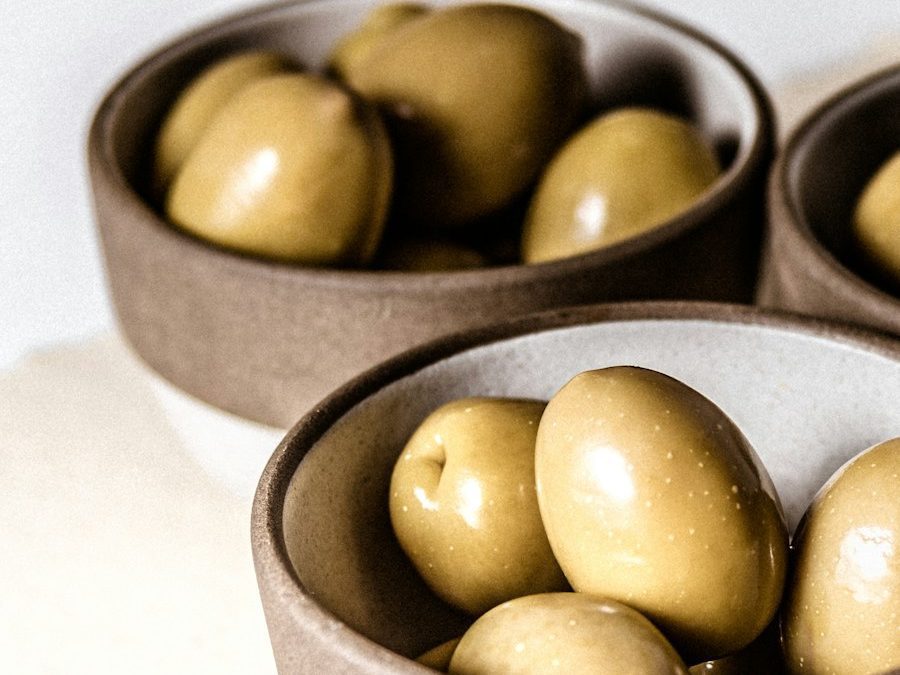
There’s something special about having your own olive tree – silvery leaves, Mediterranean vibes, and, with luck, your own olives to cure or press. The good news? Growing olive trees at home is easier than it looks, as long as you choose the right variety, give it plenty of light, and don’t drown the roots.
If you’re just getting started with larger containers and small trees, Essential Indoor Gardening Tools & Tips is a helpful companion guide for choosing pots, pruners and watering gear.
Contents
- 0.1 Choosing the Right Olive Tree Variety
- 0.2 Best Pots, Soil and Position for Olive Trees
- 0.3 Planting and Repotting Olive Trees
- 0.4 Watering and Feeding Olive Trees
- 0.5 Pruning and Shaping Your Olive Tree
- 0.6 Helping Olive Trees Flower and Fruit
- 0.7 Common Problems When Growing Olives
- 0.8 FAQs About Growing Olive Trees
- 0.9 Final Thoughts on Growing Olive Trees at Home
- 0.10 Related Articles
- 1 Get the Light Right for Sun-Loving Trees
Choosing the Right Olive Tree Variety
Before you bring an olive tree home, it’s worth thinking about where you’ll grow it and what you want from it.
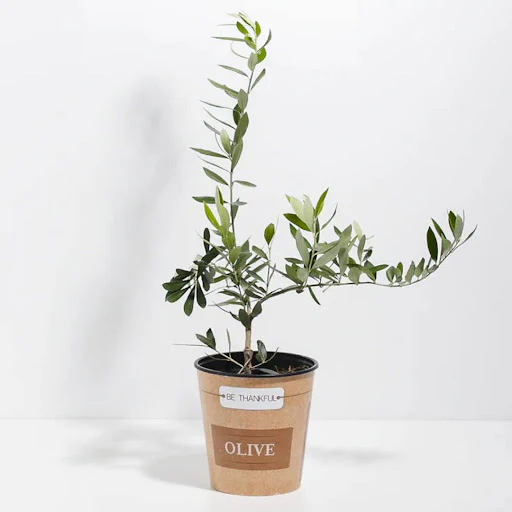
Dwarf or compact varieties (often sold as “patio olives”) are perfect for containers on balconies, patios, and small gardens.
Hardier varieties cope better with cooler, wetter climates and occasional frosts.
Fruit-focused varieties are bred for better yields and oil or table olives, but they still need good summers to ripen.
Look for:
A sturdy main stem and a balanced, bushy top.
Healthy, grey-green leaves with no yellowing or black spots.
A clear label that mentions container growing, patio, or hardy olive if you’re in a cooler region.
For extra confidence, check an olive tree growing advice page from a trusted horticultural organisation to see which varieties suit your climate best.
Best Pots, Soil and Position for Olive Trees
Olives are naturally tough, but they hate sitting in cold, soggy compost. Getting the pot and soil right from the start makes everything easier.
Pots and containers
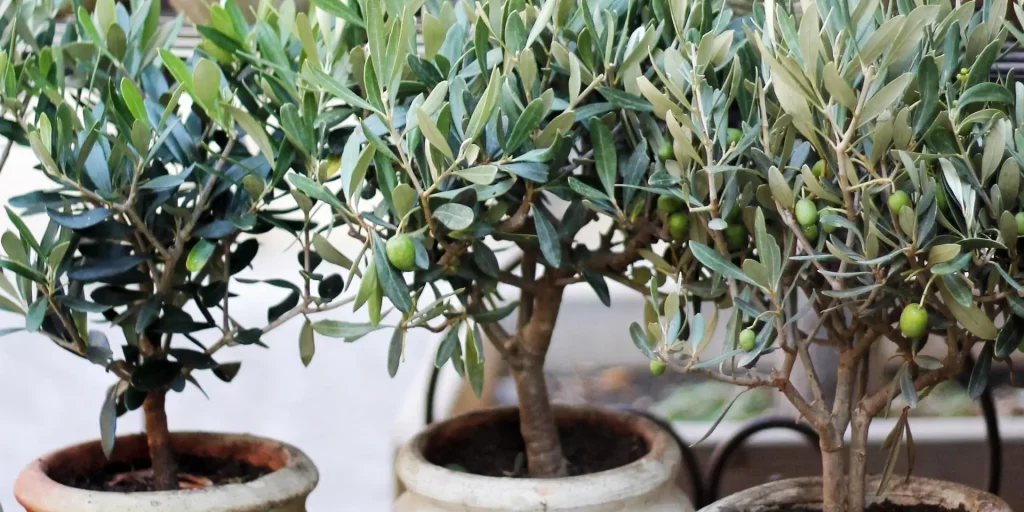
Choose a large, deep pot with several drainage holes.
Start around 35–45 cm wide for a young tree, then pot up every few years.
Heavy terracotta looks great and is stable in the wind, but good-quality plastic is easier to move.
A lightweight tall planter with drainage holes makes it much easier to shift your olive tree around a patio or balcony as the seasons change.
Soil mix
Use a free-draining, gritty mix rather than heavy multipurpose compost on its own.
A simple blend is:
2 parts peat-free multipurpose or John Innes compost
1 part horticultural grit or coarse sand
If your native soil is very heavy clay, stick to containers or raised beds with improved drainage rather than planting directly into the ground.
Position
Olives love full sun – aim for at least 6 hours of direct light a day.
A south- or west-facing wall, patio or balcony is ideal.
In cooler climates, a warm, sheltered spot against a wall helps ripen fruit and protect from winter winds.
Planting and Repotting Olive Trees
Whether you’re planting into a bed or a container, the basic method is similar.
- Water the tree well in its nursery pot and let it drain.
- Add a layer of your gritty compost to the base of the new pot or planting hole.
- Gently tease out any circling roots.
- Position the root ball so the surface is level with (or just below) the surrounding soil.
- Backfill with compost, firming gently to remove air pockets.
- Water thoroughly, then let excess water drain away.
In containers, repot every 2–3 years, or when:
Roots are circling the bottom of the pot.
Water starts running straight through without soaking in.
The tree looks top-heavy compared to the container.
Top-dressing (scraping off the top 3–5 cm of old compost and replacing it with fresh) is a good in-between refresh in years when you’re not fully repotting.
Watering and Feeding Olive Trees
Olives are drought-tolerant once established, but trees in pots still need regular attention.
Watering
In the growing season, water when the top few centimetres of compost are dry to the touch.
Water deeply until it runs from the drainage holes, then empty the saucer.
In winter, water sparingly – the soil should never stay bone dry for weeks, but it shouldn’t be constantly wet either.
If you’re unsure, err slightly on the dry side rather than overwatering; olives cope better with mild drought than waterlogged roots.
Feeding
In spring, apply a balanced slow-release fertiliser to the surface of the compost.
During the growing season, a liquid feed every 4–6 weeks helps support healthy leaves and new growth.
Avoid overdoing high-nitrogen feeds – they can encourage lots of leafy growth at the expense of flowers and fruit.
Pruning and Shaping Your Olive Tree
Pruning olives can feel intimidating, but the aim is simple: keep the tree airy, balanced, and easy to live with.
The best time for main pruning is late winter to early spring, once frost risk is low.
Remove any dead, damaged or crossing branches first.
Aim for an open, goblet shape, so light and air can reach the centre.
Shorten overly long shoots to maintain the overall size you want, cutting back to just above a healthy bud.
For young trees in pots, gentle, regular pruning is better than ignoring them for years and then cutting hard. A good pair of sharp bypass pruning shears makes clean cuts easier.
Helping Olive Trees Flower and Fruit
Getting olives from a home-grown tree takes time and the right conditions, but it’s absolutely possible.
Trees usually need to be a few years old before they produce a decent crop.
Many varieties are self-fertile, but fruiting is often better if the tree experiences a mild winter chill followed by a warm summer.
Plenty of full sun and steady watering (not feast or famine) support both flowering and fruit swelling.
If your tree is healthy but never flowers:
Check it’s getting enough light – full sun really matters.
Avoid very heavy feeding with high-nitrogen fertiliser.
Make sure winter temperatures are cool but not freezing, if the tree is indoors or under cover.
Common Problems When Growing Olives
Yellowing leaves
Can be caused by overwatering, poor drainage, or old leaves naturally dropping.
Check the compost; if it’s staying wet for long periods, improve drainage and let it dry slightly more between waterings.
Leaf drop after moving the tree
Olives dislike sudden changes in light or temperature.
Try to move the tree gradually between indoors and outdoors, or between very different locations.
Pests (scale, aphids, sooty mould)
Wipe leaves with a damp cloth and mild soapy water.
For persistent infestations, use a gentle, organic insecticidal soap suitable for edible crops, following the label closely.
Always test on a small area first.
FAQs About Growing Olive Trees
1. Can I grow olive trees indoors all year round?
You can, but olives do best with some time outside in full sun if your climate allows. If they stay indoors, they’ll need the brightest possible spot and careful watering to avoid problems.
2. How long does it take an olive tree to produce fruit?
Most grafted or nursery-grown trees take a few years to start fruiting well. Seed-grown trees can take longer and are more unpredictable.
3. Will my olive tree survive frost?
Some varieties are hardy down to around -10°C, but young trees and potted olives are more vulnerable. In cold spells, move pots to a sheltered spot, wrap them, or bring them into a cool, bright indoor space.
4. Can I grow an olive tree from a supermarket olive?
It’s possible, but slow and not guaranteed to produce good fruit. For reliable results, it’s better to buy a named variety from a nursery.
5. Do I need more than one tree for pollination?
Many olives are self-fertile, but some fruit better with another tree nearby. If you have space for two, it can help, but a single well-cared-for tree can still crop.
Final Thoughts on Growing Olive Trees at Home
Growing olive trees at home is less about creating a full Mediterranean grove and more about enjoying one or two characterful trees that suit your space. With a sunny spot, a gritty, free-draining mix, steady but not excessive watering, and a little annual pruning, olives are surprisingly straightforward to look after.
Don’t worry if you don’t get a huge crop every year – enjoy the evergreen structure, the movement of the silvery leaves in the breeze, and the slow satisfaction of watching a long-lived tree settle in. If you stick with the basics, your olive tree can become a real focal point in your garden, balcony, or patio for many years.
Related Articles
TURN YOUR PATIO INTO A MEDITERRANEAN CORNER
Get the Light Right for Sun-Loving Trees
If you’re planning a little Mediterranean-style area with olives, citrus, and other sun-lovers, light is the one thing you can’t fake for long. The Best Lights for Indoor Gardening guide shows you how to choose and position grow lights so olives and other bright-loving plants stay compact, healthy, and productive – even when the weather isn’t cooperating.