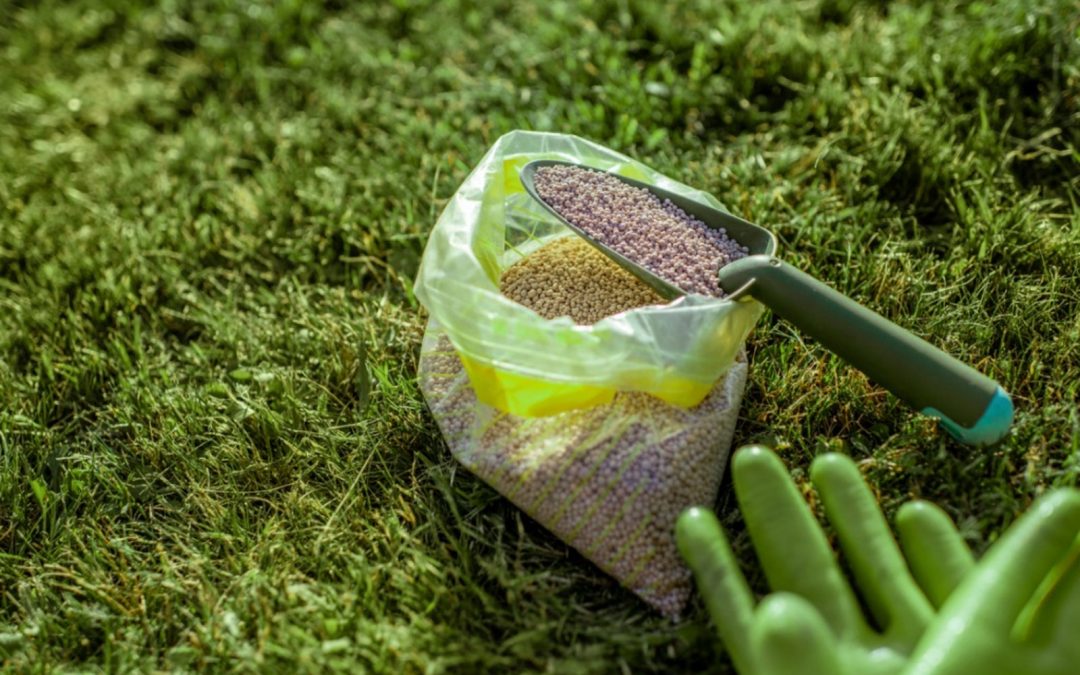
Balanced fertilizers are the quiet workhorses of a healthy garden. Whether you’re caring for a few houseplants or a full veg patch, the right N-P-K balance keeps growth steady, leaves green, and roots strong without overdoing it.
In this guide, we’ll break down what “balanced” really means, when to use these fertilizers, and how to avoid common mistakes so your plants get exactly what they need.
Contents
- 0.1 What Is a Balanced Fertilizer?
- 0.2 When Should You Use a Balanced Fertilizer?
- 0.3 Types of Balanced Fertilizers (And When to Choose Each)
- 0.4 How to Apply Balanced Fertilizers Safely
- 0.5 Balanced vs. Specialized Fertilizers
- 0.6 Common Mistakes With Balanced Fertilizers (And How to Avoid Them)
- 0.7 FAQs About Balanced Fertilizers
- 0.8 Related Articles
- 1 Organic vs Synthetic Fertilizers – Which Is Better for Indoor Gardens?
What Is a Balanced Fertilizer?
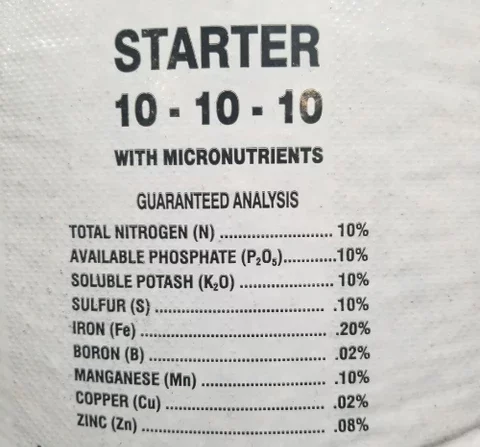
A balanced fertilizer is one where the three main nutrients — nitrogen (N), phosphorus (P), and potassium (K) — are present in roughly equal amounts.
You’ll usually see this written on the label as an N-P-K ratio such as 10-10-10, 15-15-15, or 5-5-5.
Nitrogen (N) – fuels leafy, green growth.
Phosphorus (P) – supports roots, flowers, and fruit.
Potassium (K) – strengthens overall plant health and disease resistance.
Because each nutrient is supplied in similar proportions, balanced fertilizers are great “all-rounders” for general feeding when nothing specific is wrong.
When Should You Use a Balanced Fertilizer?
Balanced fertilizers are most useful when plants are:
In active growth (spring and summer).
Generally healthy, with no obvious deficiencies.
Being grown in containers or pots, where nutrients are washed out more quickly.
Newly established in fresh compost and just need a gentle boost.
Good times to reach for a balanced feed:
Indoor plants: every few weeks during the growing season, especially foliage plants and mixed container displays.
Vegetable beds and raised planters: before planting and again mid-season.
Flower borders: in early spring to support new shoots and buds.
According to RHS guidance, a general-purpose balanced fertilizer is often enough for most ornamental plants and many vegetables when used at the recommended rate.
Types of Balanced Fertilizers (And When to Choose Each)
Not all balanced fertilizers behave the same. Choosing the right type makes feeding easier and safer.
1. Granular Balanced Fertilizers
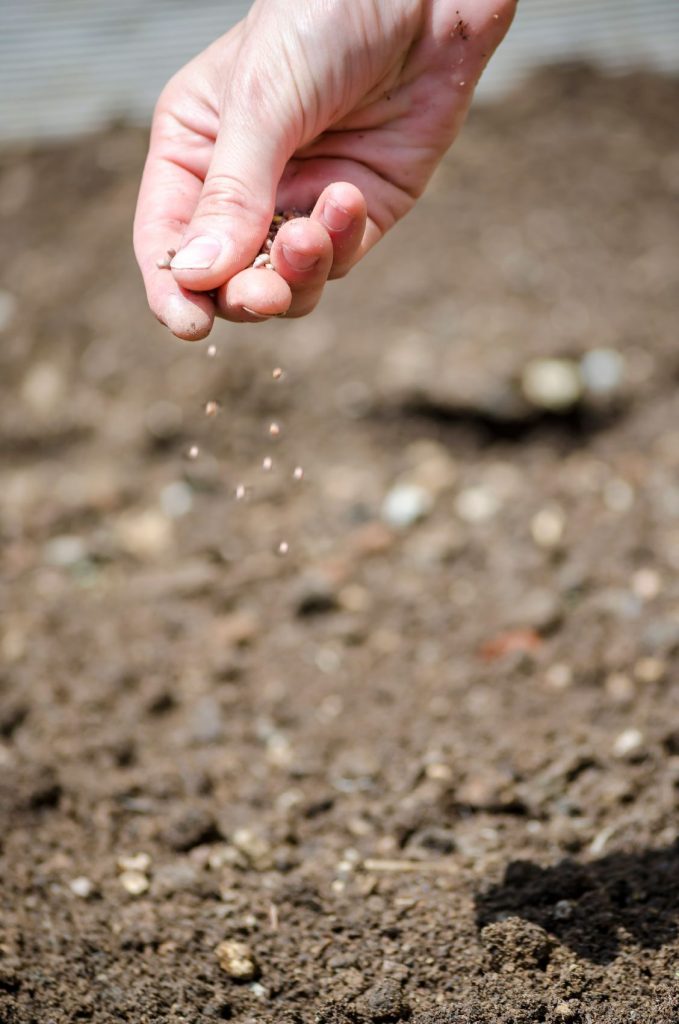
These look like small pellets or granules and are usually sprinkled onto the soil surface or mixed in before planting.
Best for:
Outdoor beds, borders, and raised veg gardens.
Slow, steady feeding over several weeks.
How to use:
Follow the manufacturer’s dose (usually measured in grams per m²).
Lightly fork or water in so granules don’t sit dry on the surface.
2. Liquid Balanced Fertilizers
These are concentrated liquids you dilute in water and pour over the soil or apply as a foliar feed.
Best for:
Indoor plants and containers, where quick results and easy control are important.
Plants that look a little tired and need a fast pick-me-up.
How to use:
Mix carefully at the recommended rate (too strong can scorch roots).
Apply to already moist soil; avoid feeding bone-dry compost.
Use every 2–4 weeks during active growth unless the label says otherwise.
balanced liquid houseplant fertilizer.
3. Slow-Release or Controlled-Release Fertilizers
These are coated pellets that release nutrients gradually with warmth and watering.
Best for:
Busy gardeners who want “feed and forget.”
Hanging baskets, big patio containers, and indoor planters.
How to use:
Mix into the compost at planting or top-dress the soil surface.
Usually last 3–6 months, depending on the brand and temperature.
Don’t combine with lots of extra feeds, or you may over-fertilize.
slow release balanced fertilizer for containers
How to Apply Balanced Fertilizers Safely
Using the right product is only half the job. Correct application keeps plants thriving instead of stressed.
Read the Label (Properly!)
Every fertilizer is slightly different. Before feeding:
Check the recommended rate and frequency.
Note whether it’s suitable for indoor plants, edibles, or both.
Look for any precautions, especially around pets and children.
Match Feeding to the Season
Spring and summer – main feeding time. Plants are growing, using up nutrients quickly.
Autumn – reduce feeding as growth slows.
Winter – most houseplants and outdoor plants don’t need fertilizer at all.
Water and Fertilizer Go Together
Always water thoroughly before or after feeding, depending on the product.
Never pour strong fertilizer onto dry soil – roots can burn.
For indoor plants, let any excess drain away rather than sitting in saucers.
Balanced vs. Specialized Fertilizers
Balanced fertilizers are brilliant for general use, but there are times when a specialist feed is better:
Tomato or fruit feeds – higher in potassium to boost flowering and fruiting.
Leafy green feeds – higher in nitrogen for salad leaves and herbs.
Ericaceous feeds – formulated for acid-loving plants like blueberries and azaleas.
A good rule of thumb:
Use a balanced fertilizer when everything looks fine and you want steady, overall growth.
Switch to a specialist fertilizer when you’re chasing specific results (more flowers, sweeter fruit, greener foliage).
Common Mistakes With Balanced Fertilizers (And How to Avoid Them)
Even a good product can cause problems if used badly. Watch out for:
Overfeeding – yellowing leaf tips, crispy edges, or white salt crust on the soil surface.
Fix: Flush the pot with clean water and cut back on feeding.
Feeding sick plants – fertilizer won’t cure root rot, pests, or underwatering.
Fix: Treat the underlying issue first, then resume gentle feeding.
Feeding at the wrong time – fertilizing dormant plants encourages weak, leggy growth.
Fix: Keep most feeding for spring and summer.
FAQs About Balanced Fertilizers
1. What N-P-K numbers count as “balanced”?
Anything with roughly equal numbers, such as 5-5-5, 10-10-10, or 15-15-15, is considered balanced.
2. Are balanced fertilizers safe for edible crops?
Yes, as long as the label says they’re suitable for edibles and you follow the recommended rates and pre-harvest intervals.
3. Can I use the same balanced feed for all my houseplants?
Most general-purpose liquid balanced fertilizers work well for mixed indoor collections. Very sensitive or specialty plants may need gentler or specific feeds.
4. How often should I use a balanced liquid fertilizer indoors?
Typically every 2–4 weeks during spring and summer. Always check the label and skip feeding in winter unless the plant is actively growing under strong light.
5. Is organic balanced fertilizer better than synthetic?
Organic options are kinder to soil life and release nutrients more gently. Synthetic balanced fertilizers work faster and are easier to measure. Both can be effective if used correctly.
Related Articles
WANT TO CHOOSE THE SAFEST FEED FOR YOUR PLANTS?
Organic vs Synthetic Fertilizers – Which Is Better for Indoor Gardens?
If you’re happy using a balanced fertilizer but not sure whether to go fully organic or stick with synthetic feeds, this guide breaks it down in plain English. You’ll learn the pros, cons, and best use-cases for each so you can pick the option that suits your plants, budget, and routine.