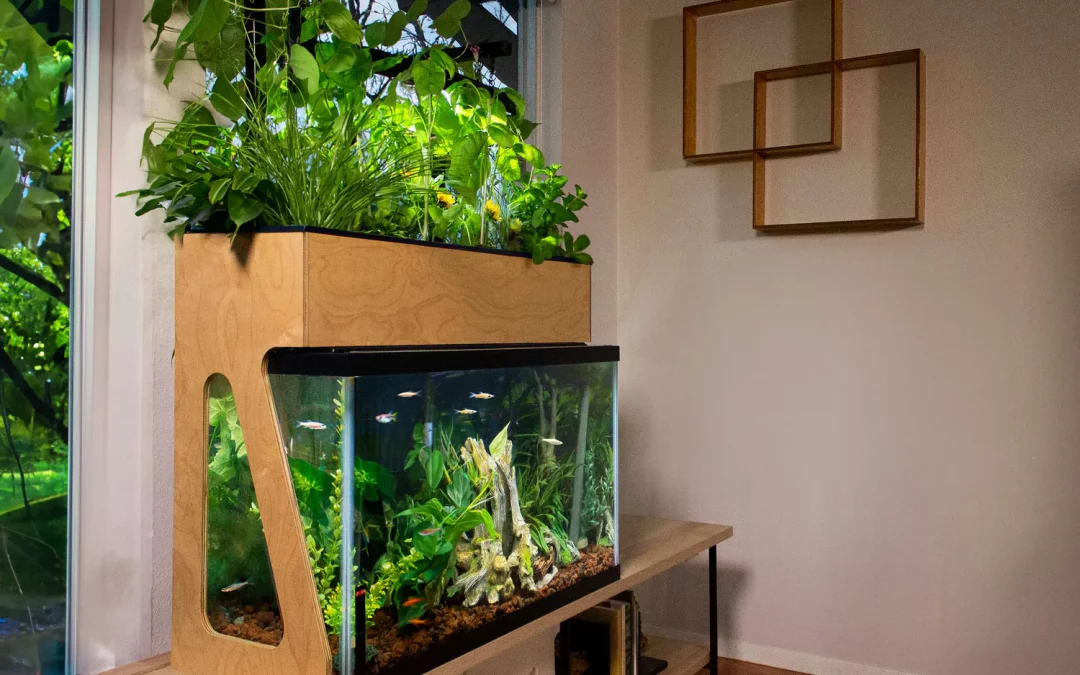
Aquaponic gardening indoors is a clever way to grow fresh greens while keeping happy fish — all in one closed-loop system. Once you understand how aquaponic gardening works, it’s surprisingly beginner-friendly and doesn’t need much soil, space, or waste. This guide breaks down everything you need to start a small, thriving aquaponic garden at home.
For another water-based option, check out Best Indoor Hydroponic Garden, which is perfect if you want a soil-free system without fish.
Contents
- 0.1 What Is Aquaponic Gardening & How It Works
- 0.2 Benefits of Aquaponic Gardening Indoors
- 0.3 Best Fish and Plants for a Small Aquaponic System
- 0.4 Setting Up a Simple Indoor Aquaponic Garden (Step-by-Step)
- 0.5 Daily & Weekly Care for Aquaponic Gardening Success
- 0.6 Common Aquaponic Gardening Problems and Easy Fixes
- 0.7 FAQs About Aquaponic Gardening Indoors
- 0.8 Final Thoughts on Aquaponic Gardening Indoors
- 1 Automate Your Indoor Garden for Effortless Growth
What Is Aquaponic Gardening & How It Works
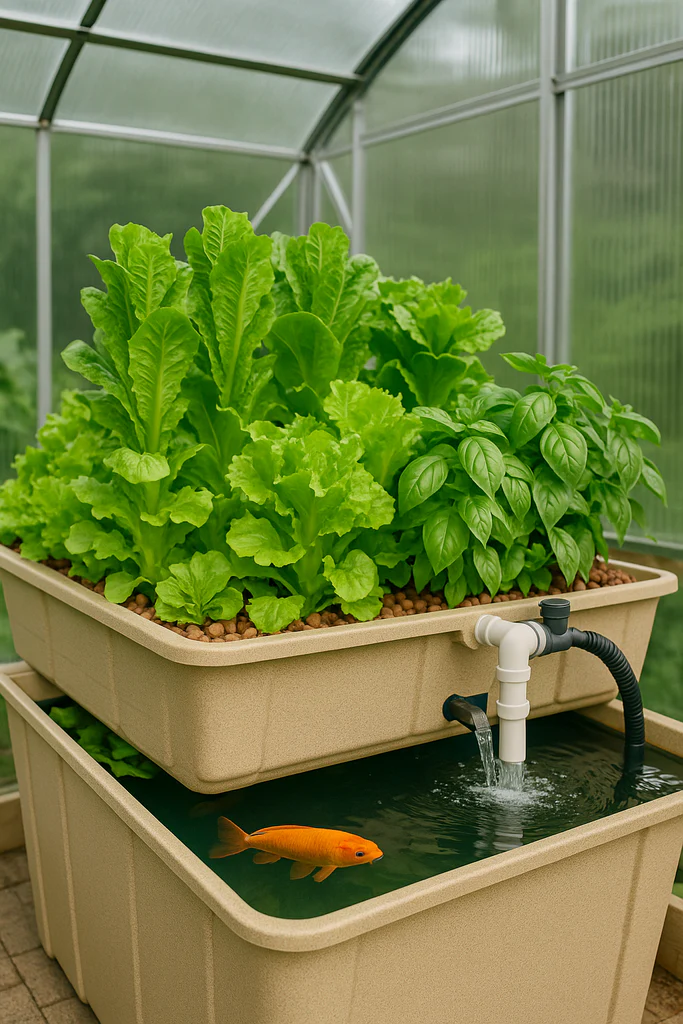
Aquaponic gardening combines aquaculture (raising fish) with hydroponics (growing plants in water). Fish live in a tank and produce waste. Beneficial bacteria convert that waste into plant-friendly nutrients. The nutrient-rich water is pumped to your grow bed, where plants absorb what they need and naturally filter the water.
Cleaned water then flows back to the fish tank, completing the cycle. When everything is balanced, aquaponic gardening creates a low-waste, almost self-fertilising system that keeps both fish and plants healthy.
Benefits of Aquaponic Gardening Indoors
Aquaponic gardening has a few big advantages over traditional pots and soil:
Efficient use of water – the same water cycles through the system, so you use far less than in regular watering.
Naturally fertilised plants – fish waste replaces most bottled fertilisers once the system is established.
Fast plant growth – constant access to oxygenated, nutrient-rich water often speeds up growth.
Less mess indoors – almost no loose soil, fewer spillages, and fewer fungus gnat problems.
Great for small spaces – compact aquaponic kits fit on a shelf, kitchen counter, or windowsill.
Aquaponic gardening also feels rewarding: you’re caring for living fish while harvesting home-grown herbs and salad leaves.
Best Fish and Plants for a Small Aquaponic System
Fish options
For most indoor aquaponic gardening setups, choose hardy, peaceful fish that tolerate changing conditions:
Goldfish – tough, cheap, and happy in unheated tanks.
White cloud minnows or guppies – small, active fish for compact systems.
Tilapia (where legal) – good for larger systems; can even be raised for food.
Avoid aggressive species or fish that grow very large unless you have the tank size and experience to match.
Plant options
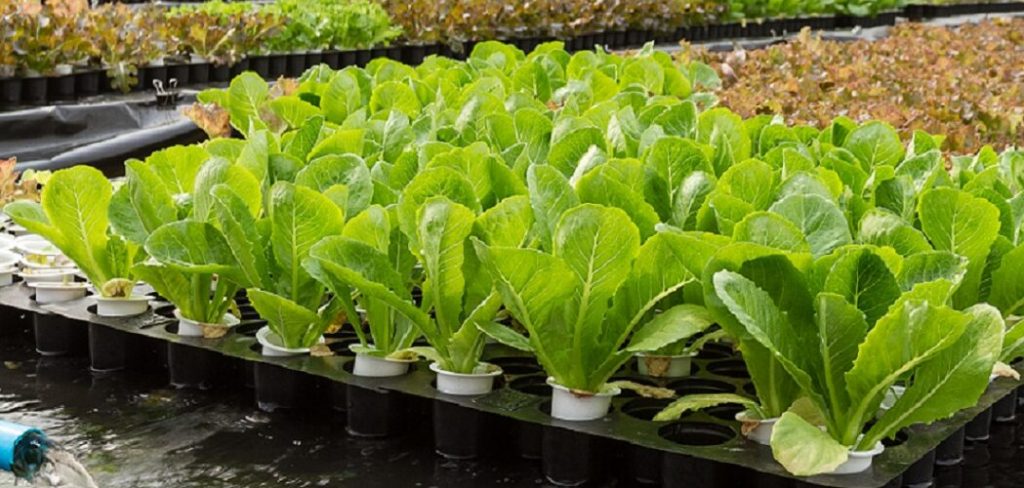
In beginner aquaponic gardening, leafy crops do best because they use nitrogen quickly:
Lettuce and salad mixes
Basil, mint, coriander, chives, and other soft herbs
Pak choi, spinach, and kale seedlings
Watercress and other moisture-loving plants
Fruit crops like tomatoes and peppers are possible, but they need stronger lighting, larger systems, and more stable nutrients than most indoor beginners will want to manage.
Setting Up a Simple Indoor Aquaponic Garden (Step-by-Step)
- Choose your aquaponic kit or layout
- For beginners, a compact aquaponic starter kit is the easiest way to get going.
- Look for a unit with an integrated fish tank, pump, and small grow bed.
- Position the system
- Place it on a sturdy, level surface away from direct midday sun and cold draughts.
- Make sure there’s a nearby plug socket for the pump and any grow lights.
- Add substrate and plants
- Rinse clay pebbles or other media, then fill the grow bed.
- Plant herbs or seedlings into the moist media, spacing them so air can circulate.
- Fill with water and start cycling
- Fill the tank with dechlorinated tap water.
- Turn on the pump so water begins flowing through the grow bed.
- For the first few weeks, you’re building up the bacteria that make aquaponic gardening work – avoid adding lots of fish too quickly.
- Introduce fish gradually
- Start with just a few small fish, then slowly increase numbers as the system stabilises.
- Monitor them closely for signs of stress (gasping at the surface, clamped fins, or unusual hiding).
- Add lighting if needed
- A simple LED grow light bar helps indoor aquaponic plants stay compact and lush, especially in winter or darker rooms.
Daily & Weekly Care for Aquaponic Gardening Success
Aquaponic gardening doesn’t need loads of time, but a quick routine keeps everything balanced:
Daily checks
Feed fish only what they’ll eat in 1–2 minutes.
Glance at the pump and pipes to make sure water is flowing as normal.
Take a quick look at plant leaves for wilting, yellowing, or pests.
Weekly tasks
Top up water lost to evaporation with dechlorinated water.
Wipe algae off the tank glass so you can see the fish clearly.
Trim any overgrown roots that are blocking pipes or outlets.
Every month or so, use a simple water test kit to check ammonia, nitrite, nitrate, and pH. Balanced water is the secret to long-term aquaponic gardening success.
Common Aquaponic Gardening Problems and Easy Fixes
Even well-run aquaponic gardens occasionally wobble. Here are a few typical issues and how to fix them:
Yellow leaves on plants – often a sign of low nutrients or iron deficiency. Lightly increase fish feeding, add more fish once the system is mature, or supplement with an aquaponic-safe iron chelate.
Fish gasping at the surface – lack of oxygen or a spike in ammonia. Increase aeration, check the pump, reduce feeding, and test the water.
Algae growth on surfaces – too much light hitting the tank. Shade the sides or use a darker background to reduce direct light.
Slow plant growth but healthy fish – lighting may be too weak. Move closer to a bright window or upgrade to a stronger LED grow light.
For a deeper dive into system design and troubleshooting, check a beginner aquaponics guide from a university extension programme – it explains stocking levels, water chemistry, and safety in more detail.
FAQs About Aquaponic Gardening Indoors
1. Is aquaponic gardening hard for beginners?
Not really. The basics are straightforward once you understand the nitrogen cycle. Starting with a small kit, hardy fish, and leafy greens makes aquaponic gardening very manageable, even if you’re new to fish-keeping.
2. How long before my aquaponic garden is fully running?
Most systems take around 4–6 weeks to “cycle” and build up enough beneficial bacteria. During this time, add fish slowly, test the water regularly, and avoid overfeeding. After that, aquaponic gardening becomes more stable and forgiving.
3. Do I still need fertiliser in an aquaponic system?
Fish waste covers most nutrients, but you may occasionally need to add calcium, potassium, or iron for strong plant growth. Always choose supplements labelled safe for aquaponic gardening and use light doses.
4. Can I eat the fish from my aquaponic system?
In larger systems with species like tilapia or trout, yes, they can be raised for food if local rules allow. In most small indoor aquaponic gardens, fish are kept as pets and the focus is on herbs and salads.
5. What size tank do I need for aquaponic gardening?
For a basic indoor setup, a 40–60 litre tank works well with a modest number of small fish and a shallow grow bed. If you want more plants or bigger fish, plan on a larger tank and stronger pump.
Final Thoughts on Aquaponic Gardening Indoors
Aquaponic gardening is one of the most satisfying ways to grow food at home. Once your system is balanced, fish waste becomes plant fuel, plants clean the water, and you enjoy fresh herbs and greens almost year-round.
Start small, keep your fish healthy, and make gradual changes rather than big ones. With a little patience in the early weeks, your aquaponic gardening setup can become a low-maintenance, eco-friendly centrepiece in your home — and a great conversation starter whenever guests visit.
Related Articles
GROW MORE WITH LESS WASTED EFFORT
Automate Your Indoor Garden for Effortless Growth
If you love aquaponic gardening but hate constant checks and manual tweaks, automation can help. Our Smart Garden Automation guide shows you how timers, sensors, and smart plugs can keep lights, pumps, and watering on track even when you’re busy.