Contents
- 1 Aphids on Indoor Plants: How to Identify and Get Rid of Them Fast
- 1.1 How to Tell If It’s Aphids
- 1.2 Why Aphids Suddenly Show Up Indoors
- 1.3 Step-by-Step: Get Rid of Aphids on Indoor Plants
- 1.4 Why Aphids Keep Coming Back
- 1.5 Aphids vs Other Common Indoor Pests
- 1.6 Aphids on Indoor Herbs: What to Do If You Plan to Eat Them
- 1.7 Aphids on New Growth Only: The Quick Fix
- 1.8 Sticky Leaves After Aphids: How to Clean Them
- 1.9 FAQs About Aphids on Indoor Plants
- 1.10 Final Thoughts on Aphids on Indoor Plants
- 1.11 Related Articles
- 2 Build a 2-Minute Weekly Pest Check
Aphids on Indoor Plants: How to Identify and Get Rid of Them Fast
If you’ve got aphids on indoor plants, the quickest fix is simple: isolate the plant, blast aphids off with water, then treat the new growth/undersides of leaves every few days until they stop coming back.
Quick answer: how to get rid of aphids indoors
Rinse stems and leaf undersides firmly (most aphids wash off)
Wipe or pinch clusters on soft tips (new growth is their favourite)
Spray with a plant-safe soap solution, covering undersides
Repeat every 3–4 days for 2 weeks (catches new hatchlings)
Stop feeding for now (tender growth attracts them)
Quarantine for 10–14 days so they don’t spread
Do this first: Move the plant away from others and check the undersides of nearby plants (aphids spread fast indoors).
How to Tell If It’s Aphids
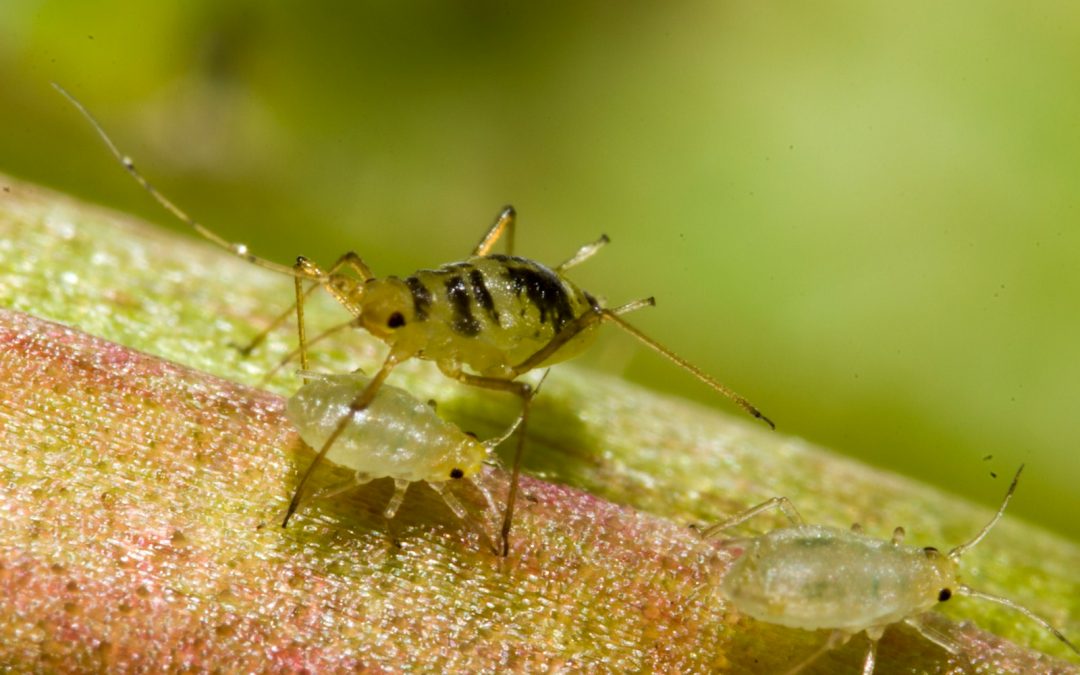
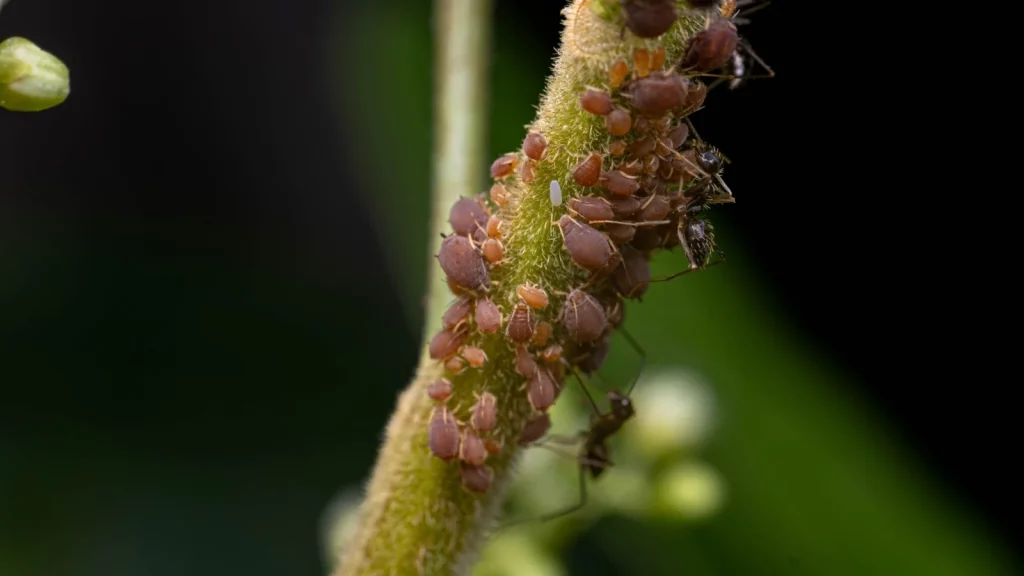
Aphids are small, soft-bodied insects that cluster on new growth, leaf undersides, buds, and soft stems. Indoors, they’re often green, but can be black, yellow, brown, or even pink.
Common signs
Clusters of tiny bugs around soft tips and buds
Curled, distorted new leaves
Sticky residue (honeydew) on leaves or nearby surfaces
Sooty black mould growing on sticky patches
Ants visiting the plant (less common indoors, but possible)
Why Aphids Suddenly Show Up Indoors
Aphids don’t appear out of nowhere — they usually arrive on a new plant, a cutting, or even a herb from the supermarket. Once indoors, they multiply quickly because conditions are stable and there’s no wind or predators.
Most common triggers:
New plant brought inside (no quarantine)
Fresh, soft growth from feeding or bright spring light
Crowded plants touching each other
Missed early spotting (they hide under leaves)
If you want to catch pests early, regularly wiping and checking leaves makes a big difference — especially on the undersides where aphids hide. See How to Clean Houseplant Leaves for a simple routine.
Step-by-Step: Get Rid of Aphids on Indoor Plants
1) Isolate and rinse (the fastest win)
Take the plant to a sink or shower and rinse thoroughly, focusing on:
leaf undersides
stems
new growth tips
A firm spray knocks off most aphids and buys you time.
2) Remove the worst clusters by hand
If you can see groups on soft tips:
pinch them off, or
wipe with a damp cloth/tissue
This massively reduces numbers before spraying.
3) Spray properly (coverage matters)
Aphids hide on undersides and inside curled growth, so the key is full coverage.
A plant-safe insecticidal soap concentrate for houseplants is a simple option — just follow the directions and test one leaf first to make sure your plant tolerates it.
How to spray for best results
Spray in bright shade, not direct hot sun
Coat undersides and soft tips until evenly wet
Let it sit, then allow the plant to dry normally
Repeat every 3–4 days for 2 weeks
4) Repeat on a schedule (this is what stops comeback)
Even if the plant looks clean after one treatment, repeat. Aphids can rebound from missed pockets and fresh hatchlings.
A hand pump plant sprayer makes it much easier to coat leaf undersides evenly (where aphids hide) without soaking your windowsills or floor.
Why Aphids Keep Coming Back
If you’re stuck in a loop, it’s usually one of these:
You’re not hitting leaf undersides
Plants are touching (they crawl across)
You’re feeding while treating (soft growth = aphid magnet)
Another plant nearby is infested (even lightly)
Eggs/juveniles are being missed (schedule too spaced out)
If you want a simple step-by-step plan that stops pests returning, Indoor Plant Maintenance Routine helps you build a quick weekly check habit.
Aphids vs Other Common Indoor Pests
Aphids are often confused with other pests. Quick separation:
Aphids: visible clusters, sticky honeydew, curled new growth
Spider mites: tiny speckling + fine webbing (often on dry plants)
Mealybugs: white fluff/cottony clumps in leaf joints
Scale: hard bumps that don’t wipe off easily
If you’re noticing fine webbing or dusty speckling on leaves (instead of obvious clusters of bugs), Spider Mites on Houseplants is the best one to check next.
Aphids on Indoor Herbs: What to Do If You Plan to Eat Them
If aphids are on edible herbs (basil, mint, chilli plants, etc.):
Start with rinsing and manual removal
Avoid harsh treatments on leaves you’ll harvest immediately
Remove the worst affected tips and let the plant regrow clean
Aphids on New Growth Only: The Quick Fix
This is the most common indoor pattern. Aphids love soft tips.
Do this:
pinch off the worst tips
rinse the rest
spray undersides + tips
pause feeding for 2–3 weeks
You’ll often break the cycle fast because you remove their favourite feeding zone.
Sticky Leaves After Aphids: How to Clean Them
That stickiness is honeydew. It can attract mould and dust.
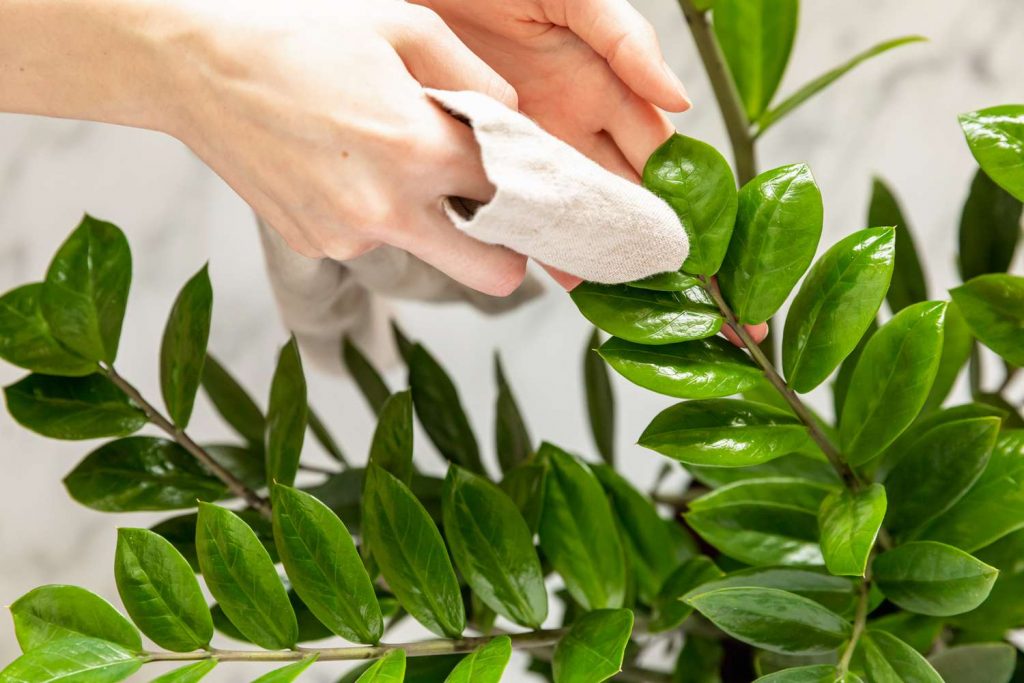
Wipe leaves with a damp cloth
Rinse the plant if it’s small enough
Keep it isolated until fully clean
FAQs About Aphids on Indoor Plants
Do aphids live in the soil?
Not usually. Aphids feed on plant sap and prefer leaves/stems. If you’re seeing lots of small flies around compost, that’s more likely fungus gnats.
Will rinsing alone get rid of aphids?
Sometimes — especially if you catch them early. But most indoor infestations need repeat rinsing + spraying for 10–14 days to fully stop rebound.
Are aphids harmful to plants indoors?
Yes. They weaken new growth, cause leaf distortion, and the sticky honeydew can lead to mould and mess indoors.
Should I throw the plant away?
Only if it’s heavily infested and you’re tired of battling. Most houseplants recover fine once you break the cycle and keep them quarantined.
Final Thoughts on Aphids on Indoor Plants
Aphids look nasty, but they’re very beatable indoors if you do the basics well: isolate, rinse hard, spray with full coverage, and repeat on schedule. The main reason people lose is stopping too early or missing undersides — fix those two and you’ll usually clear them within a couple of weeks.
Related Articles
KEEP APHIDS FROM COMING BACK
Build a 2-Minute Weekly Pest Check
Aphids are easiest to beat when you catch them early. A quick weekly routine — checking leaf undersides, wiping sticky spots, and separating any “iffy” plants — stops small outbreaks turning into a full-room problem.