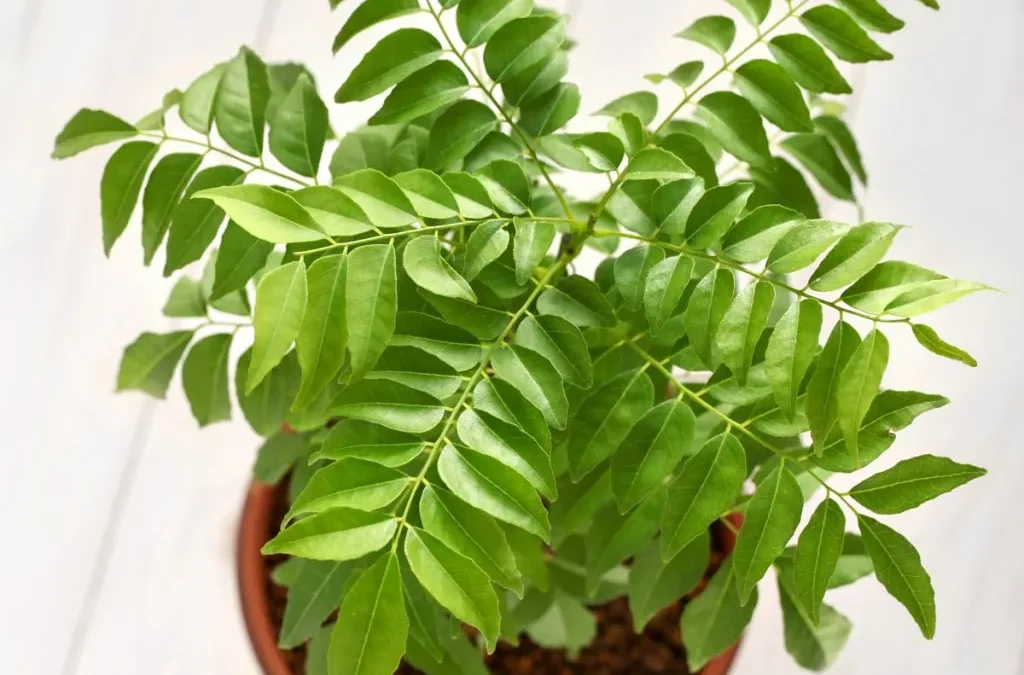
If you want to grow curry leaves indoors, the biggest difference comes from getting the basics right early: strong light, warmth, sharp drainage, and regular pruning. A curry leaf plant can grow well indoors, but it’s less forgiving than soft leafy herbs, so the setup matters more.
Quick answer: grow curry leaves indoors
-
Keep the plant in the brightest spot you have, ideally with several hours of strong light.
-
Use a pot with drainage holes and a freer-draining mix.
-
Water thoroughly, then let the top layer dry slightly before watering again.
-
Keep it warm and away from cold drafts.
-
Prune lightly and regularly to encourage bushier growth and more usable leaves.
Do this first: Check your light. If the plant is not right by a very bright window, that’s usually the first reason it struggles indoors.
If you’re trying to build a useful indoor herb and edible setup rather than just one plant, Miniature Herb Garden Kitchen is a helpful companion because it shows how to make small-space growing feel practical.
Why curry leaves can be tricky indoors
Curry leaf plants are different from quick kitchen herbs like coriander or parsley. They’re really a small tropical tree, which means they want more light, more warmth, and a bit more patience.
Indoors, the main problems are usually:
-
not enough light
-
compost staying wet too long
-
cold windows or drafts
-
weak growth from lack of pruning
Once those are under control, the plant becomes much easier to manage.
Best light for growing curry leaves indoors
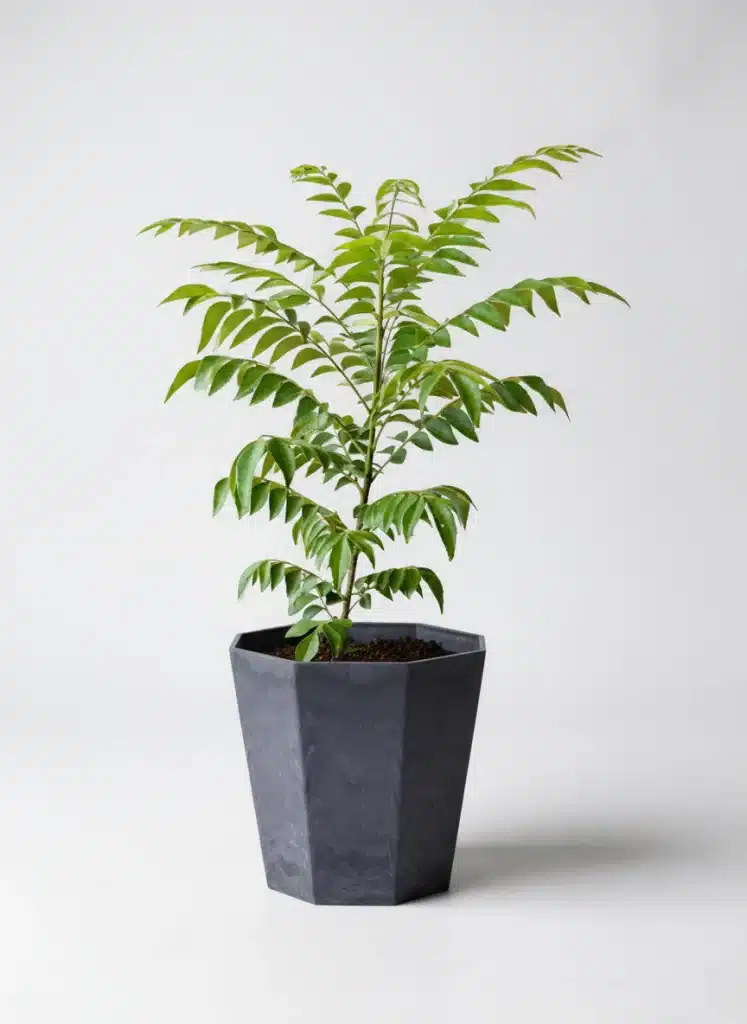
Light is the biggest factor in whether your curry leaf plant stays leafy or becomes sparse and weak.
A curry leaf plant indoors usually needs:
-
the brightest window in the house
-
strong daylight for much of the day
-
a position close to the glass, not deep into the room
If light is too weak, you’ll often see:
-
long, thin stems
-
fewer leaves
-
slow regrowth after harvesting
-
a general “stuck” look
If your home is dim for part of the year, Best Lights for Indoor Gardening is the clearest supporting read because curry leaves indoors respond much more to stronger light than to extra feeding.
A full-spectrum grow light for indoor edible plants can make a big difference if your brightest window still isn’t enough in winter.
Best pot and soil to grow curry leaves indoors
Curry leaf plants hate sitting in heavy, soggy compost. Indoors, that’s one of the quickest ways to stall growth or damage roots.
A better setup includes:
-
a pot with drainage holes
-
a saucer you empty after watering
-
a lighter, airier mix that drains properly
-
a pot that matches the size of the plant rather than something oversized
Terracotta can work well because it helps moisture escape more evenly, but the key thing is drainage, not the material alone.
If your compost stays wet for days, Improve Indoor Plant Drainage is the best related article to tighten the setup before you blame the plant itself.
A terracotta plant pot with drainage holes and saucer is a solid choice for curry leaves because it helps reduce the risk of permanently damp compost indoors.

How to water curry leaves indoors without root problems
Curry leaf plants like a rhythm that gives the roots moisture, then air. Indoors, overwatering is far more common than true underwatering.
A simple watering pattern:
-
water thoroughly until excess drains out
-
let the saucer empty fully
-
wait until the top layer dries slightly before watering again
Warning signs you’re watering too often:
-
leaves yellowing and dropping
-
compost feeling heavy for days
-
weak new growth
-
a stale or musty smell from the pot
If the plant is dropping leaves and the compost still feels wet, it’s usually safer to correct drainage and frequency before adding any feed.
If you want a simple routine that helps you catch these problems earlier, Indoor Plant Maintenance Routine fits well here because it turns watering into a quick weekly check instead of guesswork.

Temperature and placement matter more than most herbs
Curry leaf plants prefer warmth and steady conditions. Unlike many quick herbs, they do not enjoy cold indoor spots.
Try to avoid:
-
cold window ledges in winter
-
drafts from doors or vents
-
being pushed right against freezing glass
-
rooms that swing between hot and cold
A warm, bright room is usually much better than a cooler, darker one. If your plant keeps dropping leaves after temperature changes, that’s often the clue.
How to keep a curry leaf plant bushy indoors
This is one of the most important sections because people often expect curry leaves to stay naturally full. Indoors, they often need shaping.
To keep the plant bushier:
-
pinch or prune growing tips lightly
-
trim leggy stems back above leaf nodes
-
don’t wait until the plant is tall and sparse before pruning
Regular light trimming encourages side shoots, which means more leaf production and a neater shape.
A pair of micro-tip pruning snips makes it easier to shape the plant neatly and avoid rough cuts on thinner stems.
If you want a clean explanation of where to cut and why, How to Prune Indoor Plants is a helpful supporting article because the same principles apply here.
Feeding curry leaves indoors without overdoing it
Curry leaf plants usually need less feeding indoors than people expect. If the light is weak, extra fertiliser won’t solve the real problem.
A safer feeding approach:
-
feed lightly during active growth
-
reduce heavily in winter if growth slows
-
never feed heavily into wet, cold compost
-
water first if the compost is dry
A diluted seaweed-based liquid plant feed is a good low-risk option if your plant is established and actively growing.
If you want a simple schedule that stops feeding from becoming guesswork, How Often to Fertilize Indoor Plants is the best next read.
Common curry leaf plant problems indoors
Curry leaf plant dropping leaves
This often happens because of:
-
low light
-
cold stress
-
overwatering
-
sudden changes in indoor conditions
Curry leaf plant is tall and sparse
Usually weak light plus not enough pruning. Brighten the spot and pinch it back lightly.
Leaves yellowing
Most often wet compost, poor drainage, or a pot that stays cold and heavy.
Very slow growth
This is commonly a light issue, especially in winter. Feeding usually helps far less than moving it into stronger light.
Harvesting curry leaves indoors
Harvesting lightly but regularly is the best way to keep the plant useful without stripping it back too hard.
A simple rule:
-
take small clusters of leaves rather than hacking long branches
-
harvest from multiple parts of the plant
-
combine harvesting with light shaping
This helps you avoid one-sided growth and keeps the plant fuller overall.
If you enjoy indoor edible plants with a stronger kitchen use, Grow Coriander Indoors is another useful herb-style post to connect here because it serves a similar cooking audience, even though the growing style is different.
FAQs About How to Grow Curry Leaves Indoors
Can curry leaves grow indoors all year?
Yes, but they often slow down in winter unless they get strong light and steady warmth.
Does a curry leaf plant need direct sunlight indoors?
It needs very bright light indoors. Some direct sun can help, but the main goal is strong overall light rather than dim indoor placement.
Why does my curry leaf plant lose leaves indoors?
The most common reasons are low light, cold stress, and compost staying too wet.
Is curry leaf plant easy to grow indoors?
It can be, but it’s less forgiving than quick herbs. Once the light, warmth, and drainage are right, it becomes much easier.
Final Thoughts on Grow Curry Leaves Indoors
If you want to grow curry leaves indoors successfully, treat the plant less like a quick herb and more like a small edible tree. Give it the brightest light you can, keep the roots free-draining, avoid cold stress, and prune lightly to encourage bushier growth. Once the setup is right, it becomes much easier to keep healthy and useful.
Related Articles
Keep indoor edible plants healthier for longer
Build a Simple Setup That Makes Curry Leaves Easier
Curry leaves indoors do best when the setup stays steady: bright light, warm placement, sharp drainage, and regular light pruning. Once those basics are in place, the plant is much easier to keep leafy and productive.