
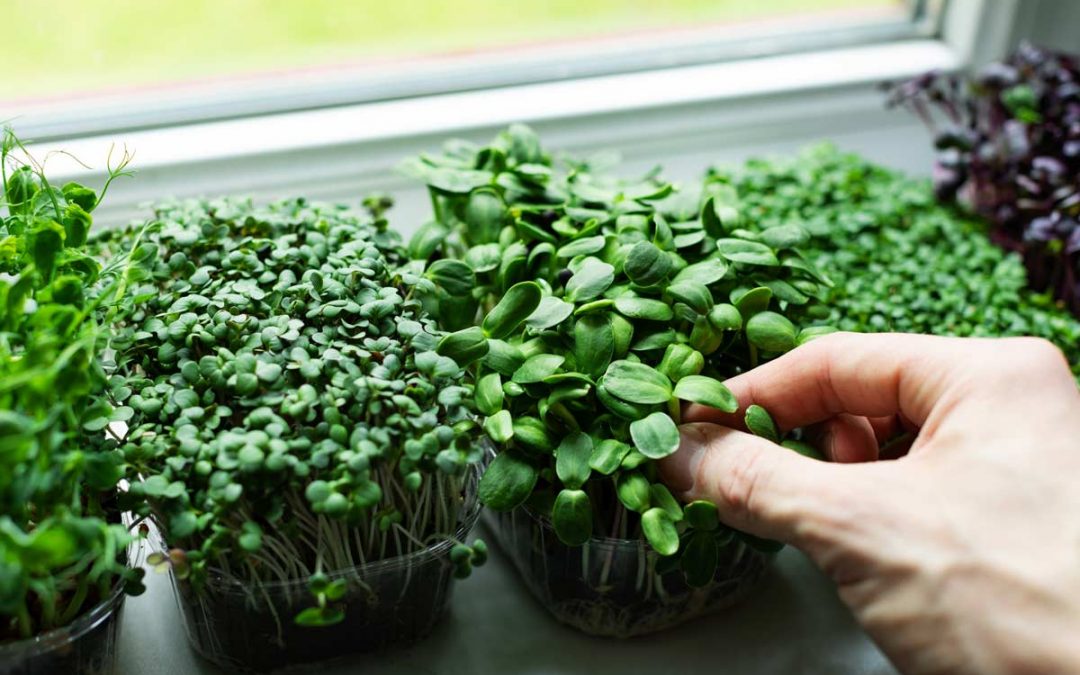
If you want unusual edible plants indoors, the secret is choosing crops that genuinely cope with containers, indoor light, and steady room temperatures. Pick the right ones and you can harvest leaves, shoots, pods, roots, or fruit at home — even in a small UK space.
Quick answer (unusual edible plants indoors that are most reliable):
Ginger and turmeric for a real “root” harvest indoors
Bay laurel and kaffir lime for edible leaves year-round
Chilli peppers for an indoor fruiting plant that’s actually realistic
Microgreens for the fastest harvest (days, not months)
Sweet potatoes for edible greens + a possible tuber bonus
Do this first: Match the plant to your light: leaf crops work in brighter rooms, while fruiting crops need your sunniest window (or extra light).
Contents
- 0.1 Why unusual edibles fail indoors (and how to avoid it)
- 0.2 9 unusual edible plants indoors worth trying
- 0.3 Top picks made simple (start here)
- 0.4 Light levels: what works in a typical UK home
- 0.5 Soil and containers: the indoor setup that prevents disasters
- 0.6 Warmth: the hidden key for “unusual” indoor crops
- 0.7 FAQs About Unusual Edible Plants Indoors
- 0.8 Final Thoughts on Unusual Edible Plants Indoors
- 0.9 Related Articles
- 1 Build a Simple Setup That Actually Produces Food
Why unusual edibles fail indoors (and how to avoid it)
Most “unusual indoor edibles” fail for three boring reasons: not enough usable light, cool nights, or compost staying wet too long. Fix those, and the success rate jumps.
Fruiting plants (like chillies) are harder than leaf harvest plants (like bay). If you want quick wins, start with something that gives you leaves or shoots first — then level up to fruit.
A simple way to stay consistent week-to-week is following an indoor plant maintenance routine.
9 unusual edible plants indoors worth trying
These options are “unusual”, but still realistic indoors if you get the basics right.
1) Ginger
Ginger is one of the best unusual edible plants indoors because you’re growing a proper crop (not just garnish).
If you want step-by-step timing, how to grow indoor ginger breaks it down simply.
2) Turmeric
Turmeric grows like ginger but is a bit fussier about cold. It rewards warmth and patience more than “perfect feeding”.
Follow the same general approach as grow turmeric indoors.
3) Bay laurel (bay leaves)
Bay is brilliant indoors because it’s tidy, evergreen, and you harvest leaves whenever you cook.
For a simple pot-and-prune setup, grow bay laurel indoors fits perfectly here.
4) Kaffir lime (makrut lime)
Kaffir lime is grown mainly for leaves indoors. It’s more realistic than many indoor “fruit” plants because the leaves are the goal.
5) Chilli peppers
Chillies are one of the best indoor fruiting options because they can flower and fruit in a pot on a sunny windowsill.
6) Microgreens
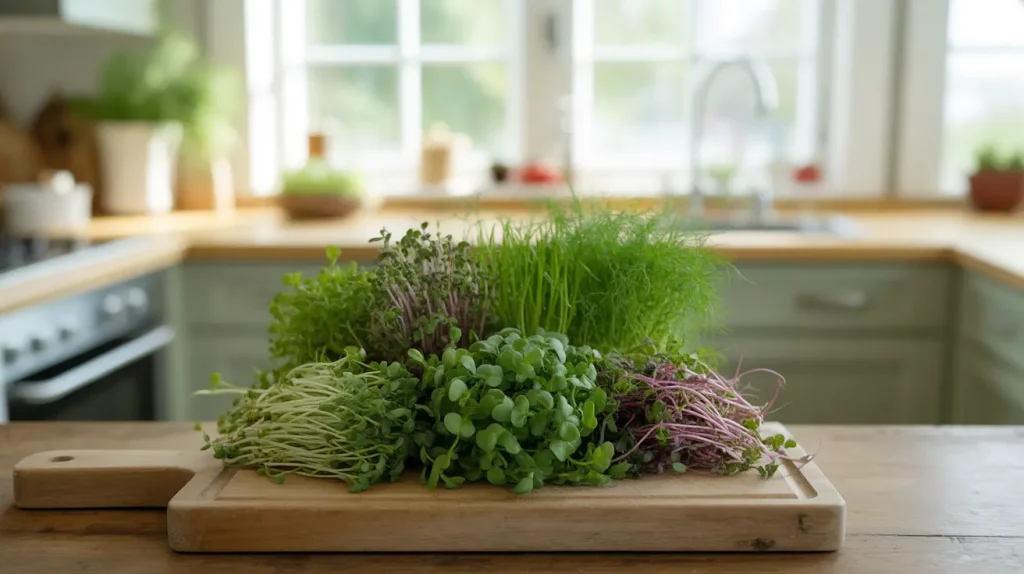
Microgreens are the fastest “edible plant indoors” win: quick, compact, and high success.
If you’re new to them, grow microgreens indoors makes a great next step.
7) Sweet potato greens
Sweet potato is often grown for the trailing vine and edible leaves. Tubers indoors are possible, but greens are the reliable harvest.
8) Lemongrass
Lemongrass is unusual, useful, and forgiving if it gets enough light and you don’t keep it soggy.
9) Indoor mushrooms (kits)
Mushrooms are “unusual edible indoors” in the best way: no sunlight needed, just steady conditions.
Top picks made simple (start here)
If you only want one or two unusual edible plants indoors, don’t overthink it.
If you only grow one: Ginger
Best for: beginners who want a real harvest without needing flowers or fruit.
If you want the easiest “edible leaves” setup: Bay laurel
Best for: year-round cooking leaves with low fuss.
Light levels: what works in a typical UK home
Light decides what’s realistic indoors.
Brightest window (south-facing / lots of sun): chillies, kaffir lime, sweet potato (best chance of tubers)
Bright room / east-west window: ginger, turmeric, bay, microgreens
Low light: microgreens near the window (or switch to lights)
Not sure if your spot is bright enough? This best lights for indoor gardening post explains what “good light” looks like indoors.
Soil and containers: the indoor setup that prevents disasters
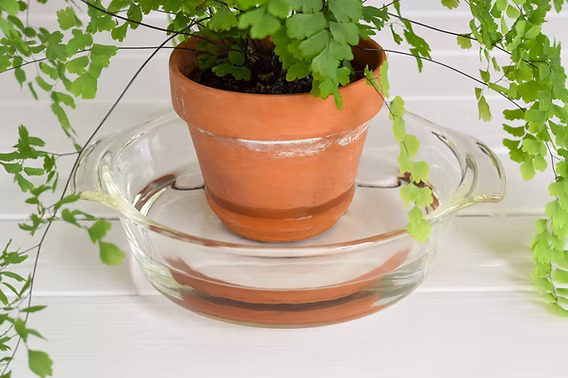
Most unusual indoor edibles die from slow-draining compost. If your pot stays wet for days, roots struggle and pests move in.
A breathable container can help compost dry more evenly indoors — a wide fabric grow bag is ideal for this.
If you’ve ever had that musty smell, it’s usually trapped moisture. why indoor plant soil smells bad explains the fast fixes.
Warmth is what makes ginger, turmeric, and sweet potato actually move. Cool nights (especially near windows) slow everything down.
If your home runs cool, a seedling heat mat can speed up sprouting and early growth for warmth-loving edibles.
One helpful reference: University of Florida IFAS notes that tropical edible plants like ginger/turmeric perform best with warm conditions and steady moisture (not waterlogged compost).
FAQs About Unusual Edible Plants Indoors
Can I grow unusual edible plants indoors without grow lights?
Yes, if you have a bright window. For lower light homes, stick to microgreens, bay, or leafy options near the glass.
What’s the easiest unusual edible for beginners?
Ginger for a “real” harvest, or bay laurel for reliable edible leaves.
Do I need special compost?
Not special — just free-draining. Indoors, slow-drying compost causes most failures.
Which unusual edible gives the fastest results?
Microgreens. You can harvest in 7–14 days depending on what you grow.
Final Thoughts on Unusual Edible Plants Indoors
If you want unusual edible plants indoors, start with the “reliable winners”: ginger, bay, microgreens, and chillies (if you’ve got a sunny window). Once you’ve got one success, it’s much easier to branch into the more “project-style” grows like sweet potato tubers or peanuts.
Keep it warm, keep compost airy, and match the plant to your light — that’s the real formula.
Related Articles
MAKE INDOOR EDIBLES EASIER TO GROW
Build a Simple Setup That Actually Produces Food
Unusual edibles thrive when your basics are consistent: warm roots, sensible watering, and a container setup that doesn’t stay wet for days. A few small improvements can turn “trial and error” into repeatable results.