
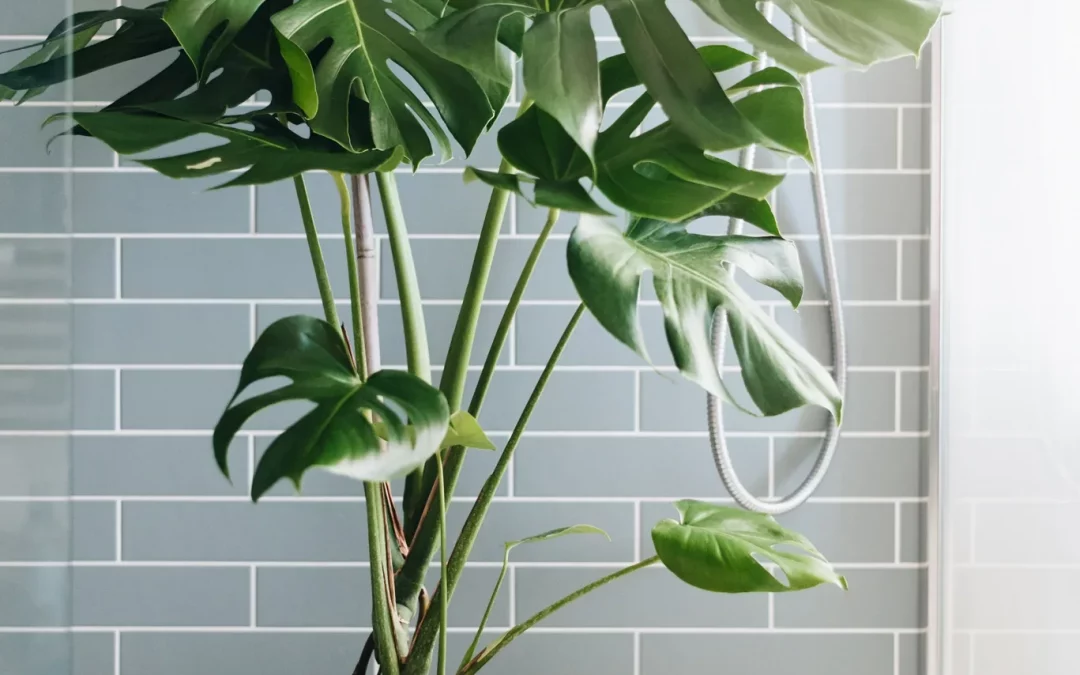
The Swiss cheese plant (Monstera deliciosa) is a classic indoor statement plant. With its big glossy leaves and natural “holes”, it makes any room feel like a mini jungle – and it’s easier to care for than it looks.
This guide covers everything you need: light, watering, soil, support, pruning, common problems and simple styling ideas so your Swiss cheese plant thrives for years.
Contents
- 0.1 What Makes a Swiss Cheese Plant Special?
- 0.2 Light & Temperature Requirements
- 0.3 Watering Your Swiss Cheese Plant
- 0.4 Best Soil, Pots & Repotting Tips
- 0.5 Supporting & Shaping Your Monstera
- 0.6 Feeding & Humidity
- 0.7 Common Problems & How to Fix Them
- 0.8 Are Swiss Cheese Plants Pet Safe?
- 0.9 Final Thoughts on Swiss Cheese Plant Care
- 0.10 Related Articles
- 1 Learn How to Care for Snake Plants Indoors
What Makes a Swiss Cheese Plant Special?
Botanical name: Monstera deliciosa
Type: Tropical climbing houseplant
Growth habit: Fast-growing vine that climbs or trails
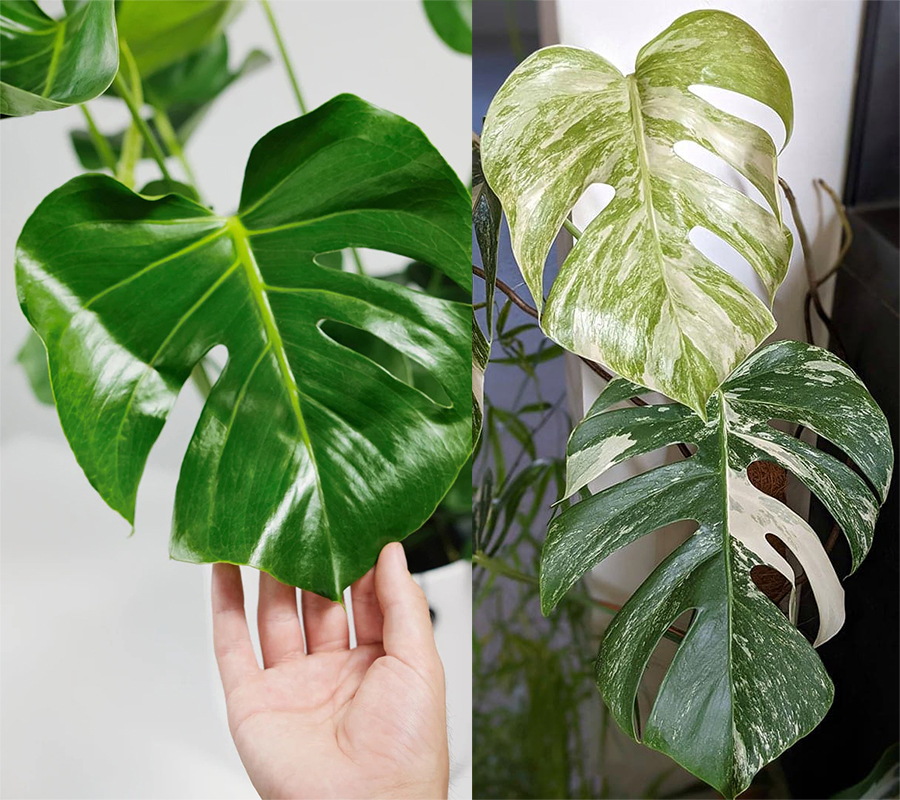
Look: Large, heart-shaped leaves that develop splits and holes (fenestrations) as the plant matures
Treat it like what it is in the wild – a jungle climber that loves warmth, humidity, bright but filtered light and something to climb.
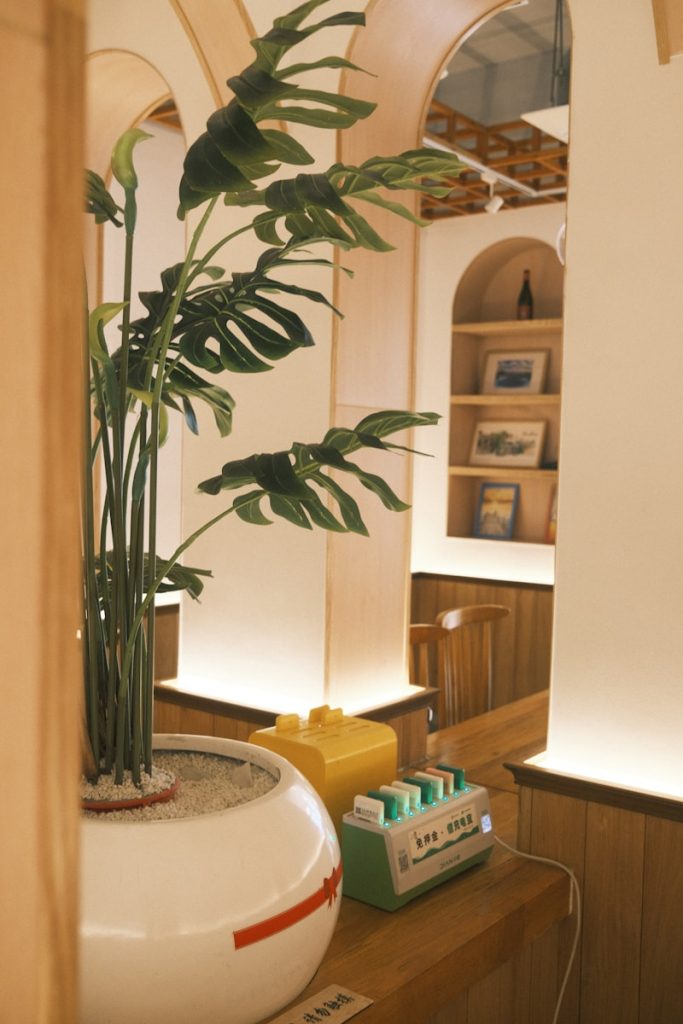
Light & Temperature Requirements
Swiss cheese plants aren’t super fussy, but the right light makes a big difference to leaf size and number of holes.
Best light:
Bright, indirect light near an east or north-facing window
A few feet back from a bright south or west window is also fine
Avoid:
Harsh midday sun directly on the leaves (causes brown, scorched patches)
Very dark corners – the plant will stretch and produce smaller, hole-less leaves
Signs it needs more light:
Long, leggy stems reaching towards the window
New leaves are small and don’t develop splits or holes
Ideal temperatures:
Daytime: 18–27°C (65–80°F)
Try not to let it drop below 15°C (59°F)
Keep away from cold draughts, radiators and air-con blasts
If you need plants for trickier spots, you can read our Low Maintenance Indoor Plants guide.

Watering Your Swiss Cheese Plant
Monsteras like slightly moist soil that’s allowed to dry a little between waterings – not soggy, not bone-dry.
Simple watering routine:
- Check the top 3–4 cm of soil with your finger.
- If it feels dry, water thoroughly.
- Pour water slowly until some drains out of the bottom.
- Empty the saucer so the roots never sit in water.
Rough guideline for most homes:
Spring–summer: every 7–10 days
Autumn–winter: every 2–3 weeks
Always adjust based on how quickly your mix dries.
Overwatering signs
Yellowing lower leaves
Mushy stems at the base
Soil staying constantly wet and smelling sour
Best Soil, Pots & Repotting Tips
Swiss cheese plants like a soil mix that drains well but still holds some moisture – think chunky and airy.
Good potting mix recipe:
2 parts high-quality indoor plant or houseplant compost
1 part perlite or pumice (for drainage)
1 part orchid bark or chunky coco chips
Choosing the pot:
Always use a pot with drainage holes
Heavy ceramic or terracotta pots help balance tall plants
When repotting, size up by about 2–3 cm in diameter only
When to repot:
Roots circling the surface or poking from drainage holes
Water runs straight through without soaking in
Plant looks congested and growth has slowed
Repot in spring if possible so the plant can recover quickly.
Supporting & Shaping Your Monstera
In the wild, Monsteras scramble up tree trunks. Giving them support indoors keeps them upright and encourages larger, more dramatic leaves.
Add a support
Insert a moss pole, coir totem or sturdy bamboo stake into the pot
Gently tie stems to the support with soft plant ties or string
As aerial roots grow, they’ll grab onto the support and anchor the plant
Pruning & shaping tips
Trim back leggy stems to a node to encourage branching
Remove yellow or damaged leaves close to the stem
You can root healthy cuttings in water or moist compost to grow new plants
Feeding & Humidity
Monsteras aren’t heavy feeders but do benefit from a light, regular feed in the growing season.
Fertiliser schedule:
Feed every 4–6 weeks in spring and summer
Use a balanced liquid houseplant fertiliser at half the recommended strength
Stop feeding in autumn and winter when growth slows
Humidity:
They’re happiest in moderately humid air
Group plants together, use a pebble tray or run a small humidifier if the air is very dry
Occasional misting is fine, but won’t replace a proper humidity boost
Common Problems & How to Fix Them
Yellow leaves
Usually from overwatering or poor drainage
Let the soil dry out more and check roots for rot if it continues
Brown, crispy edges
Often underwatering, low humidity or too much direct sun
Water a little more regularly and move it slightly away from harsh light
No holes in new leaves
Young plants don’t fenestrate straight away
Also check light – plants in low light often produce smaller, hole-less leaves
Give them brighter indirect light and a support to climb
Black spots & mushy stems
Can indicate root rot from being consistently waterlogged
Remove affected roots and repot into fresh, airy mix
Are Swiss Cheese Plants Pet Safe?
Swiss cheese plants, like many aroids, contain calcium oxalate crystals. If eaten, they can irritate the mouth and digestive system of cats, dogs and humans.
Keep them out of reach of curious pets and small children
Wipe sap off skin if you get any on your hands while pruning
Final Thoughts on Swiss Cheese Plant Care
The Swiss cheese plant is the perfect mix of dramatic and forgiving. Give it:
Bright, indirect light
A chunky, well-draining soil mix
Sensible watering (never constantly soggy)
A pole or stake to climb
…and it will reward you with bigger and bigger leaves, full of those iconic “cheese holes”.
Whether you’re styling a jungle-inspired living room or just want one showpiece plant, a healthy Monstera deliciosa is hard to beat.
Related Articles
Add Another Low-Maintenance Statement Plant
Learn How to Care for Snake Plants Indoors
Once your Swiss cheese plant is thriving, snake plants are a brilliant next choice – bold, architectural and very forgiving if you forget to water now and then. Our Snake Plant Care guide walks you through light, watering and repotting so you can create an easy-care indoor jungle that still looks impressive.